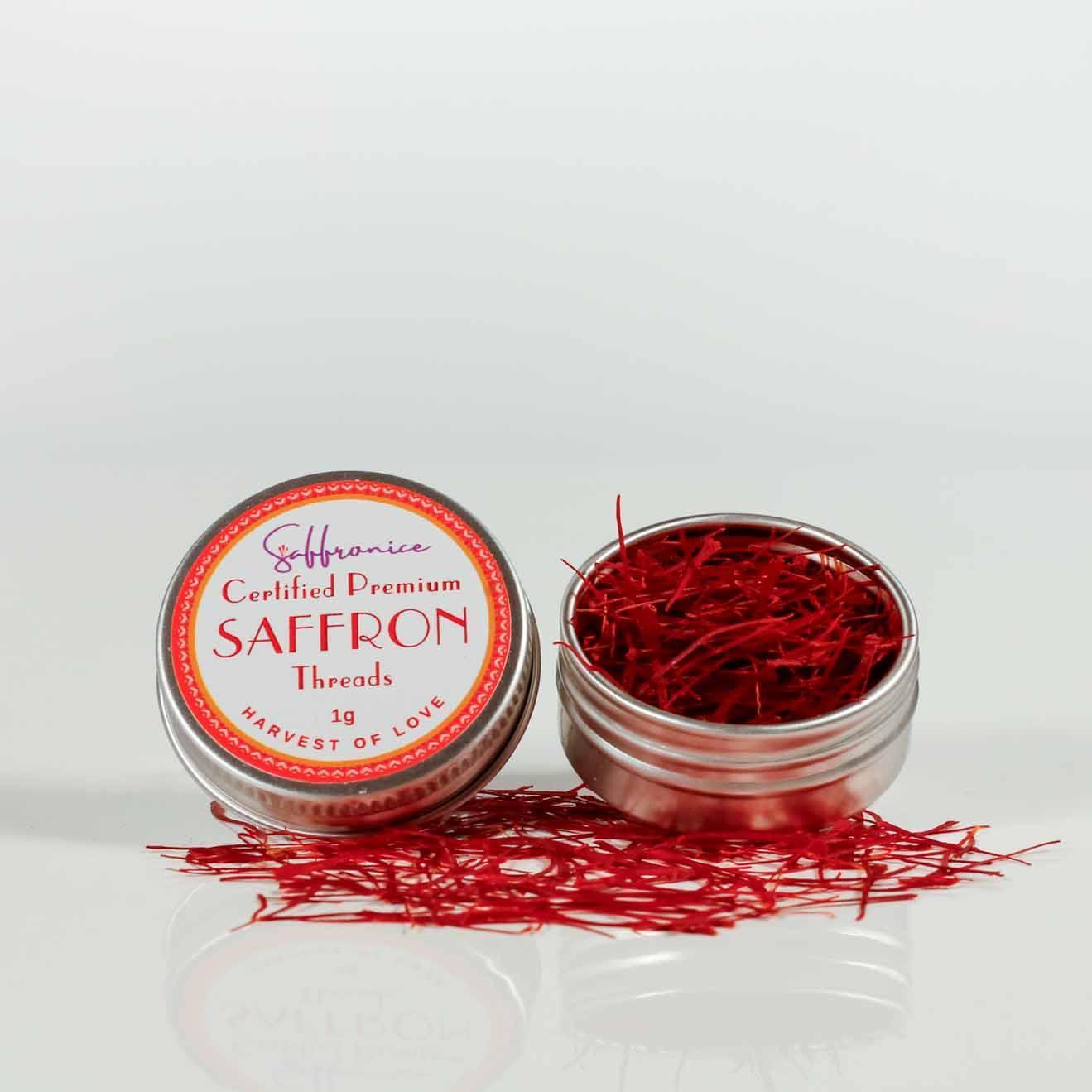


Could modern food technology help preserve the natural compound responsible for saffron's golden colour?
Saffron can turn a simple dish into something extraordinary, giving rice, desserts and drinks their characteristic golden colour. Much of that colouring power comes from natural compounds called crocins.
But these pigments can be sensitive to heat, light and other environmental conditions, creating challenges for food manufacturers.
In a January 2026 study published in the Journal of Food Measurement and Characterization, researchers explored whether specialised filtration and encapsulation techniques could help concentrate and protect saffron's colouring compounds.
Their findings suggest that carefully designed food formulations may help protect crocin and maintain its colouring properties under experimental conditions.
What Is Crocin, and Why Does It Matter?
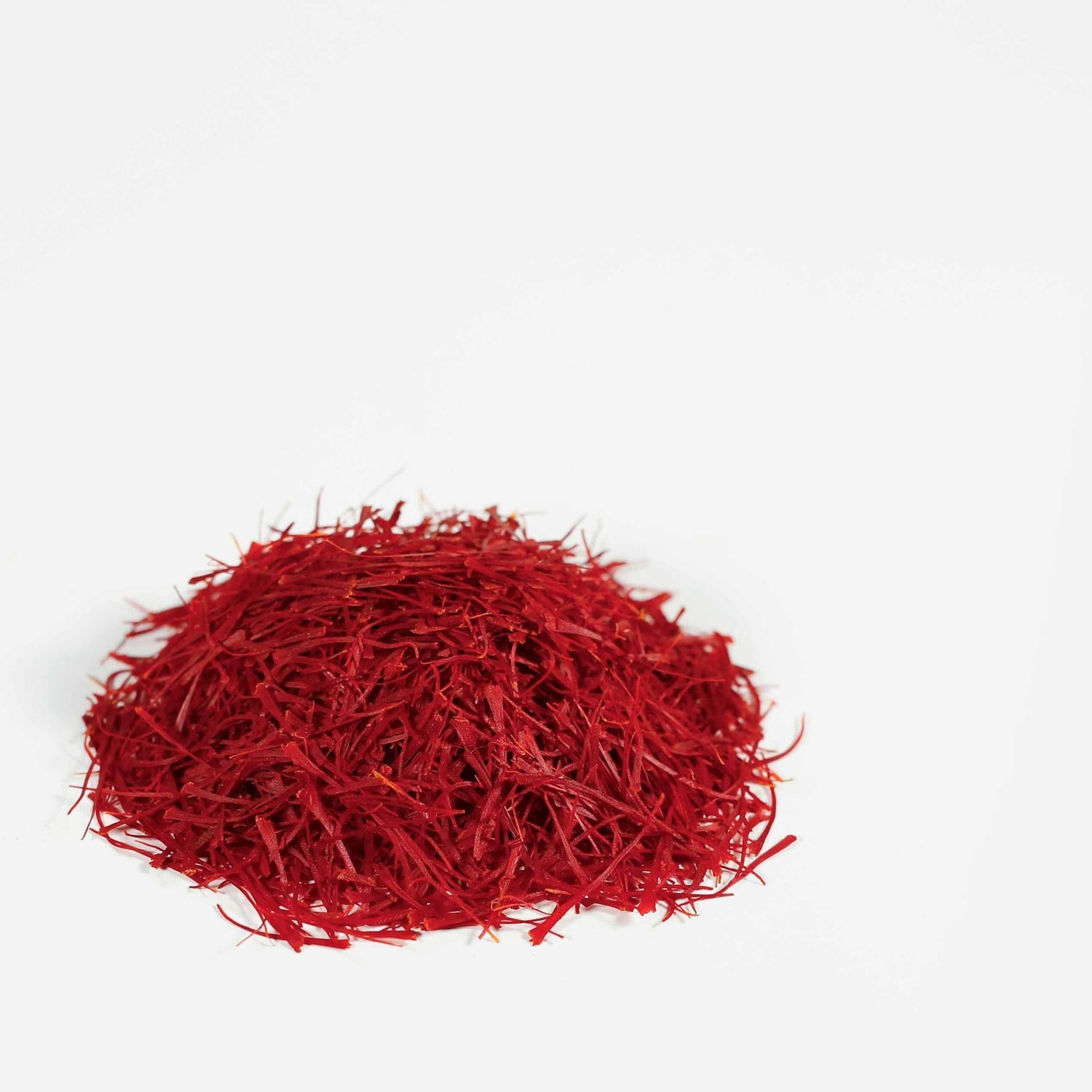
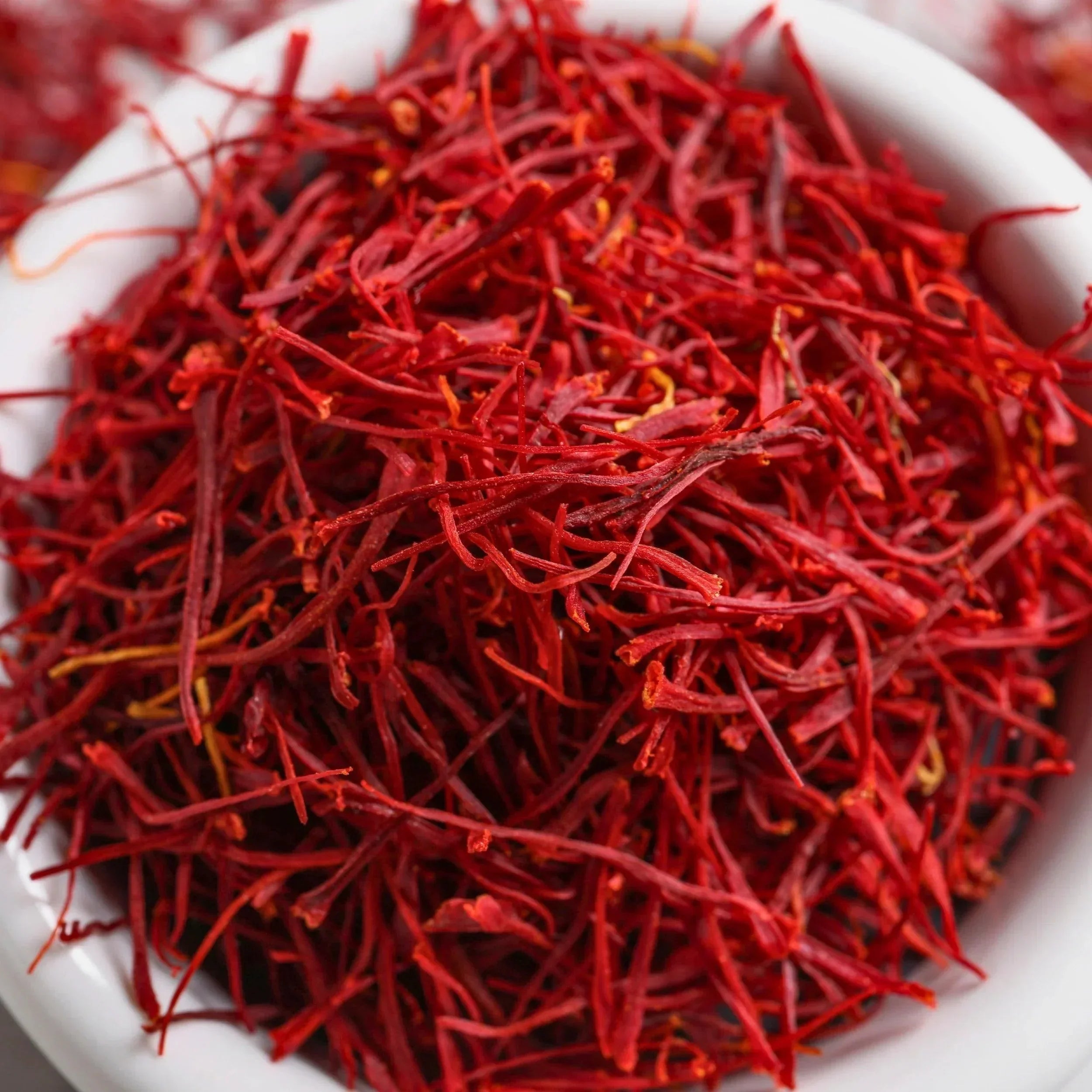
Crocin refers to a group of naturally occurring pigments found in saffron stigmas. These water-soluble compounds contribute to the golden-yellow colour released during saffron preparation, when the threads are infused in liquid before being added to food.
However, crocins can be sensitive to factors such as heat, light and oxygen, which may affect their stability during processing.
This creates an interesting challenge for food scientists: how can saffron's colouring compounds be incorporated into food products while limiting unnecessary degradation?
Researchers have been investigating encapsulation techniques as one possible solution.

How Did Researchers Try to Protect Crocin?
The 2026 study, conducted by Negin Azarabadi and Feramuz Özdemir, investigated a combination of two food-processing techniques.
The first was ultrafiltration, which uses a specialised membrane to separate and concentrate components in a liquid extract.
The researchers used this process to concentrate crocin from saffron extract under controlled conditions.
The second technique was double-emulsion encapsulation.
An emulsion combines liquids that do not normally mix easily, such as oil and water.
A double emulsion creates a more complex structure in which small droplets are contained within other droplets.
This arrangement can help protect sensitive ingredients and influence how they are released from a formulation.
Study at a Glance
|
Detail |
Findings |
|
Study type |
Laboratory and food-technology research |
|
Published |
January 2026 |
|
Journal |
Journal of Food Measurement and Characterization |
|
Researchers |
Negin Azarabadi and Feramuz Özdemir |
|
Material |
Saffron extracts containing crocin |
|
Technology |
Ultrafiltration and double-emulsion encapsulation |
|
Storage stability testing |
35 days at 5°C, 25°C and 45°C. |
|
Main finding |
Ultrafiltration increased crocin concentration, while double-emulsion encapsulation helped preserve crocin during experimental storage. |
|
Limitation |
Laboratory findings do not establish commercial shelf life or health benefits in humans |
Source: Azarabadi and Özdemir (2026) [1].
What Did the Researchers Discover?
1. Ultrafiltration Concentrated Crocin
The researchers first investigated how different filtration conditions affected crocin recovery.
Under optimised conditions of 4°C and 2 bar pressure, ultrafiltration produced a saffron extract with approximately 6.1 times the original crocin concentration.
The researchers also reported total crocin recovery of approximately 97.8%, with process losses below 3%.
This means the filtration process concentrated the crocin already present in the extract; it did not create additional crocin.
These results suggest that ultrafiltration could provide an effective method for concentrating saffron's colouring compounds without relying on high-temperature evaporation.
However, concentrating crocin is not the same as making it permanently stable.
The researchers therefore investigated additional methods to protect it.
2. Encapsulation Helped Preserve Crocin
The researchers developed double-emulsion formulations using ingredients including sunflower oil, whey protein isolate and beta-cyclodextrin.
Whey protein isolate helped stabilise the emulsion structure, while beta-cyclodextrin contributed to protecting the incorporated compounds.
The most stable double-emulsion formulation incorporated whey protein isolate and beta-cyclodextrin, achieving approximately 85.3% crocin retention during the 35-day experimental assessment.
The researchers evaluated the formulations under controlled storage conditions at 5°C, 25°C and 45°C. The results showed that temperature affected crocin degradation, while the optimised formulation helped maintain pigment stability.
3. Could the Technology Help Preserve Saffron's Colour in Rice?
The researchers also tested the formulations using a saffron-rice model, moving beyond measurements of the isolated extracts.
Their findings suggested that the optimised emulsions helped preserve saffron's colour characteristics in this experimental food model.
This is particularly interesting because saffron rice is one of the most familiar examples of the spice's colouring ability.
However, the experiment does not establish how the technology would perform in different recipes, commercially manufactured foods or long-term storage.
Why Is Encapsulation Interesting for Food Science?
Encapsulation is already an important area of research for protecting sensitive food ingredients.
A 2024 scientific review examined several approaches to saffron encapsulation, including emulsions, nanoparticles and other protective structures.
These technologies are being investigated because they may influence ingredient stability and release.
For saffron, such techniques could eventually support the development of specialised colour formulations for certain food applications.
However, these possibilities remain dependent on further testing, manufacturing feasibility and regulatory requirements.
They should not be interpreted as evidence that encapsulated saffron is healthier or more beneficial than ordinary saffron threads.
Crocin stability is also relevant to storing saffron, since exposure to environmental conditions such as heat, light and oxygen can affect the spice's natural compounds over time.

What Are the Study's Limitations?
Although the findings are promising, the research was conducted under controlled experimental conditions.
The 35-day assessment provides useful information about short-term formulation stability, but it does not establish how these systems would perform over an entire commercial product's shelf life.
Importantly, these experiments examined specially prepared saffron extracts and emulsions, not ordinary dried saffron threads stored at home. The results should therefore not be interpreted as evidence that traditional saffron threads lose their colouring strength after 35 days.
This research also highlights an interesting connection between traditional saffron production and modern food science. While saffron harvesting and processing produce the familiar spice, new technologies are being explored to preserve specific compounds for specialised food applications.
Understanding saffron quality means recognising that colour, flavour and aroma come from different natural compounds, each with its own characteristics and sensitivities.
The Bottom Line
Can modern food technology help preserve saffron's remarkable golden colour? This study suggests it may.
Researchers successfully concentrated saffron's crocin pigments and developed experimental formulations that improved pigment retention during storage.
Although further testing is needed before these techniques can become established solutions for commercial food production, the research demonstrates how modern food science could help preserve one of saffron's most distinctive natural characteristics.
References
Azarabadi, N., & Özdemir, F. (2026). Enhanced crocin stability and controlled release in saffron-based emulsions via optimized ultrafiltration. Journal of Food Measurement and Characterization, 20, 5545–5561. https://doi.org/10.1007/s11694-025-04017-8
Borjizadeh, Z., Ahari, H., Özdal, T., Khosravi-Darani, K., & Mohammadi Nafchi, A. (2024). Saffron Nanoencapsulation (Crocus sativus) and Its Role in Food Science: Types and Techniques. ACS Food Science & Technology, 4(6), 1310–1333. https://doi.org/10.1021/acsfoodscitech.4c00090