

Did you know that saffron can lose some of its flavour and colouring strength — while its aroma changes — without necessarily becoming unsafe to use?
If you discover an old jar of saffron in your cupboard, you might wonder whether it is still suitable for cooking.
Like other dried spices, saffron changes during storage. Its distinctive qualities may weaken, particularly when exposed to heat, light, air or moisture.
However, there is an important difference between saffron losing freshness and saffron becoming unsuitable to eat.
Does Saffron Actually Expire?
Saffron does not have one universal expiration date. Its useful shelf life depends on the original quality, packaging and storage conditions.
According to the USDA's guidance on food product dating, a best if used by date generally indicates when a food is expected to have its best quality. It does not automatically mean the product becomes unsafe immediately afterwards.
For saffron, this distinction matters because its flavour and colouring strength can gradually decline.
However, a best-before date does not guarantee safety. Saffron exposed to moisture, mould or contamination may become unsuitable to use regardless of its age.
How Long Does Saffron Last?
Properly stored saffron can retain useful qualities for an extended period, but no fixed shelf life applies to every batch.
Whole threads and ground saffron may age differently. Grinding increases the surface area exposed to surrounding conditions, potentially making the powder more vulnerable to quality changes.
Packaging also matters. A tightly sealed container offers better protection from moisture and air than an open jar.
A study published in Pharmacognosy Magazine examined changes in saffron's chemical composition across samples representing up to 15 years of storage. Researchers found substantial reductions in crocetin esters, which contribute to colour, and picrocrocin, associated with saffron's characteristic bitterness. The findings demonstrate how storage can affect saffron quality, although the study does not establish a universal expiration date or determine whether older saffron is safe to eat.

How Can You Tell if Saffron Is Getting Old?
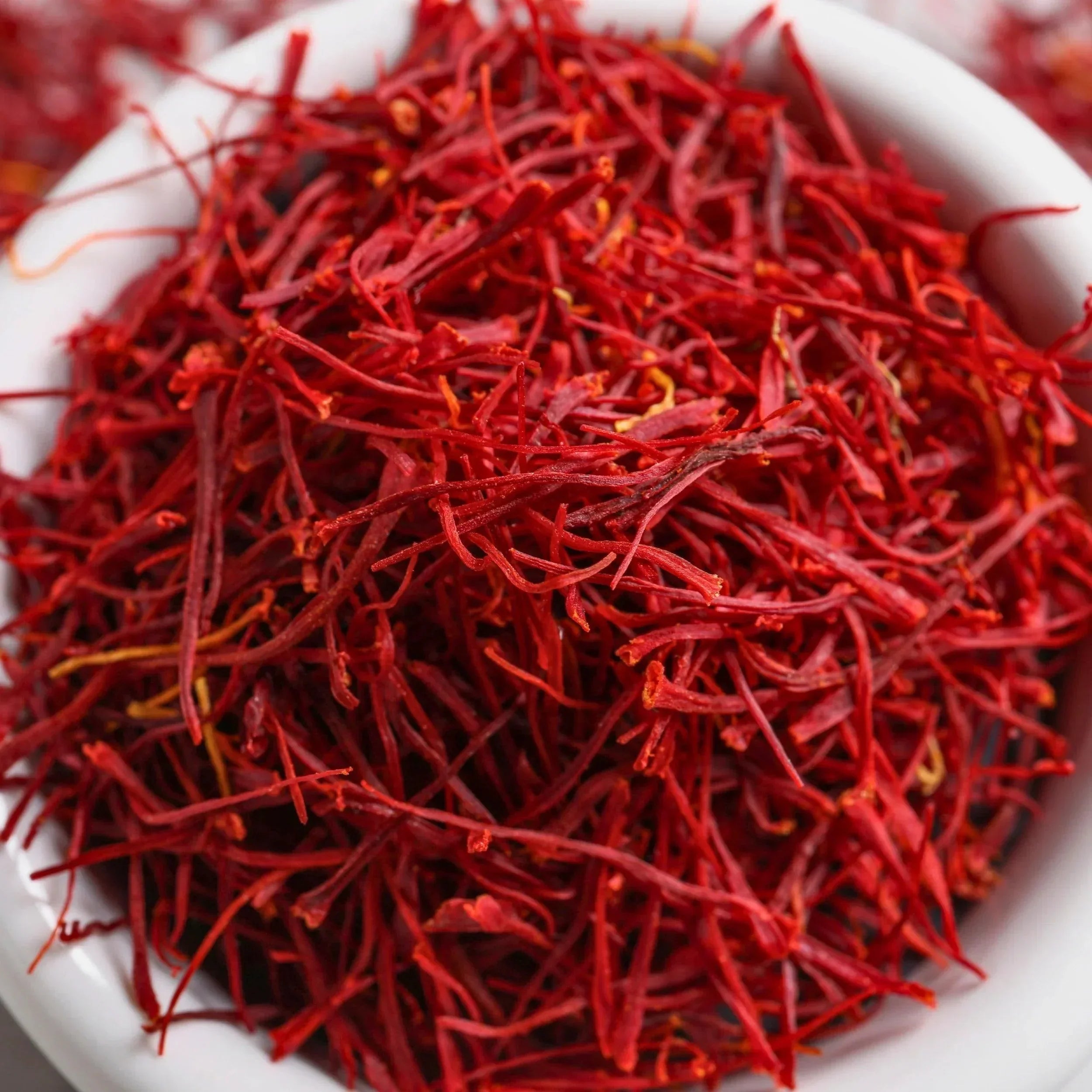
Older saffron may look normal even after some of its desirable qualities have changed. Three characteristics can offer useful clues.
1. Changes in Aroma
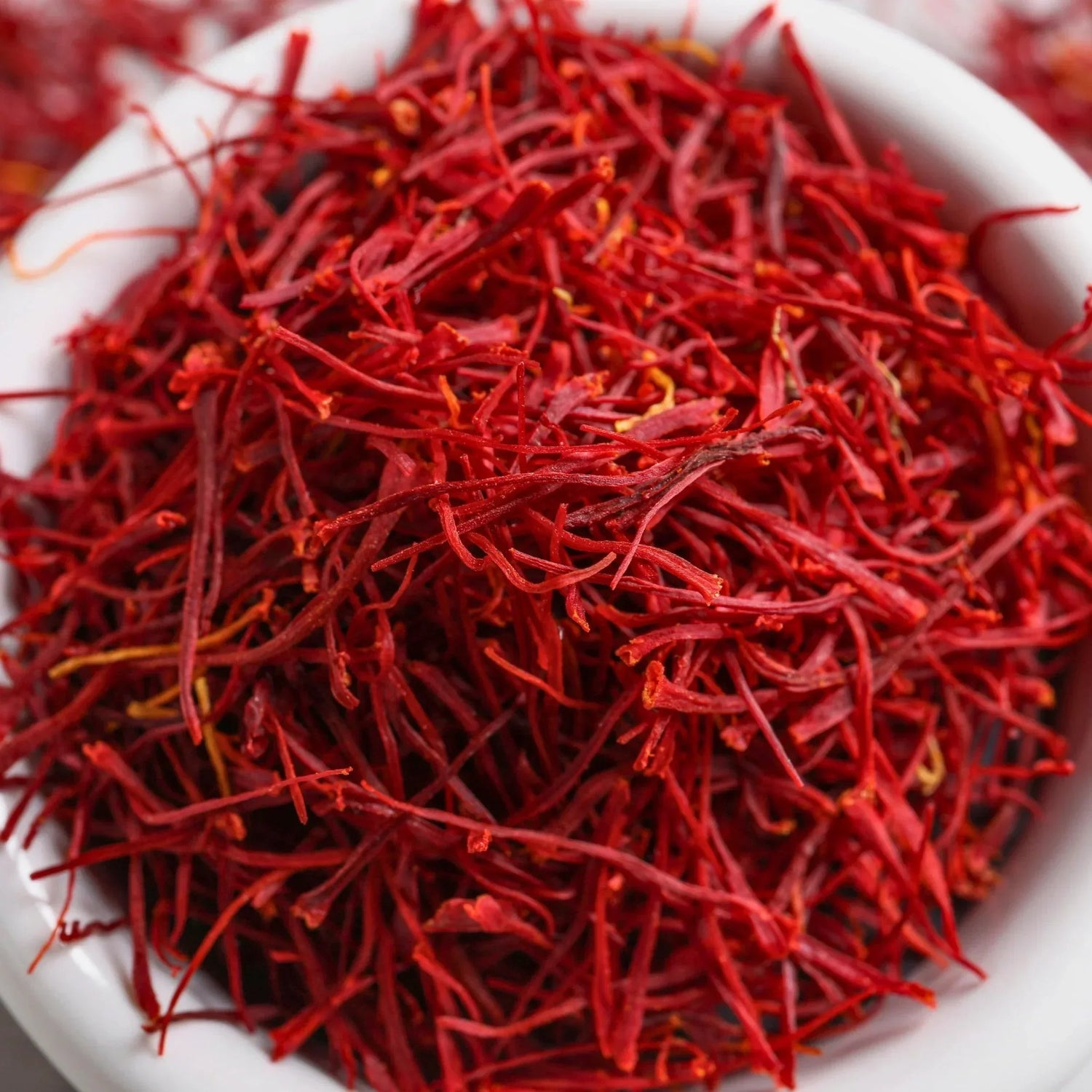
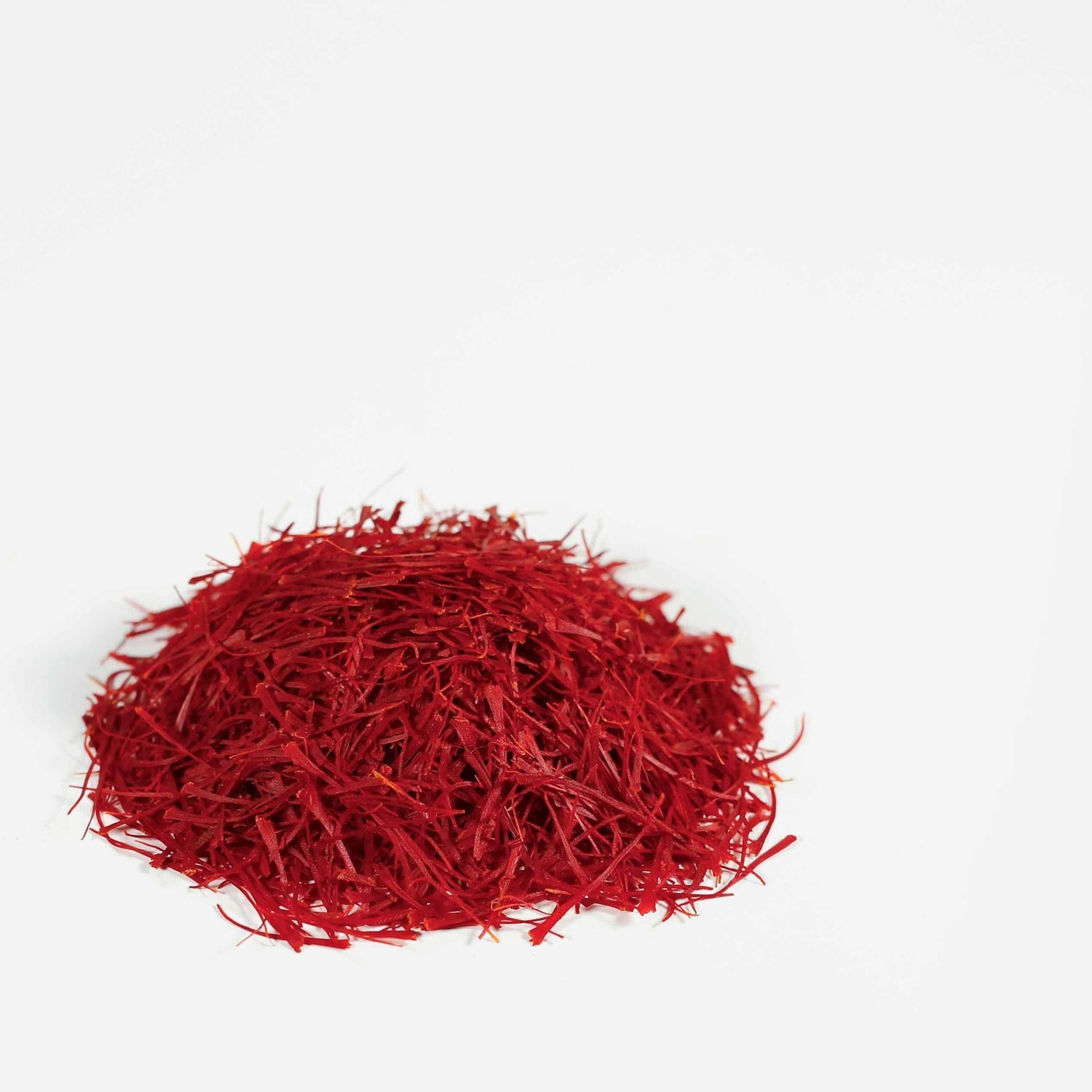
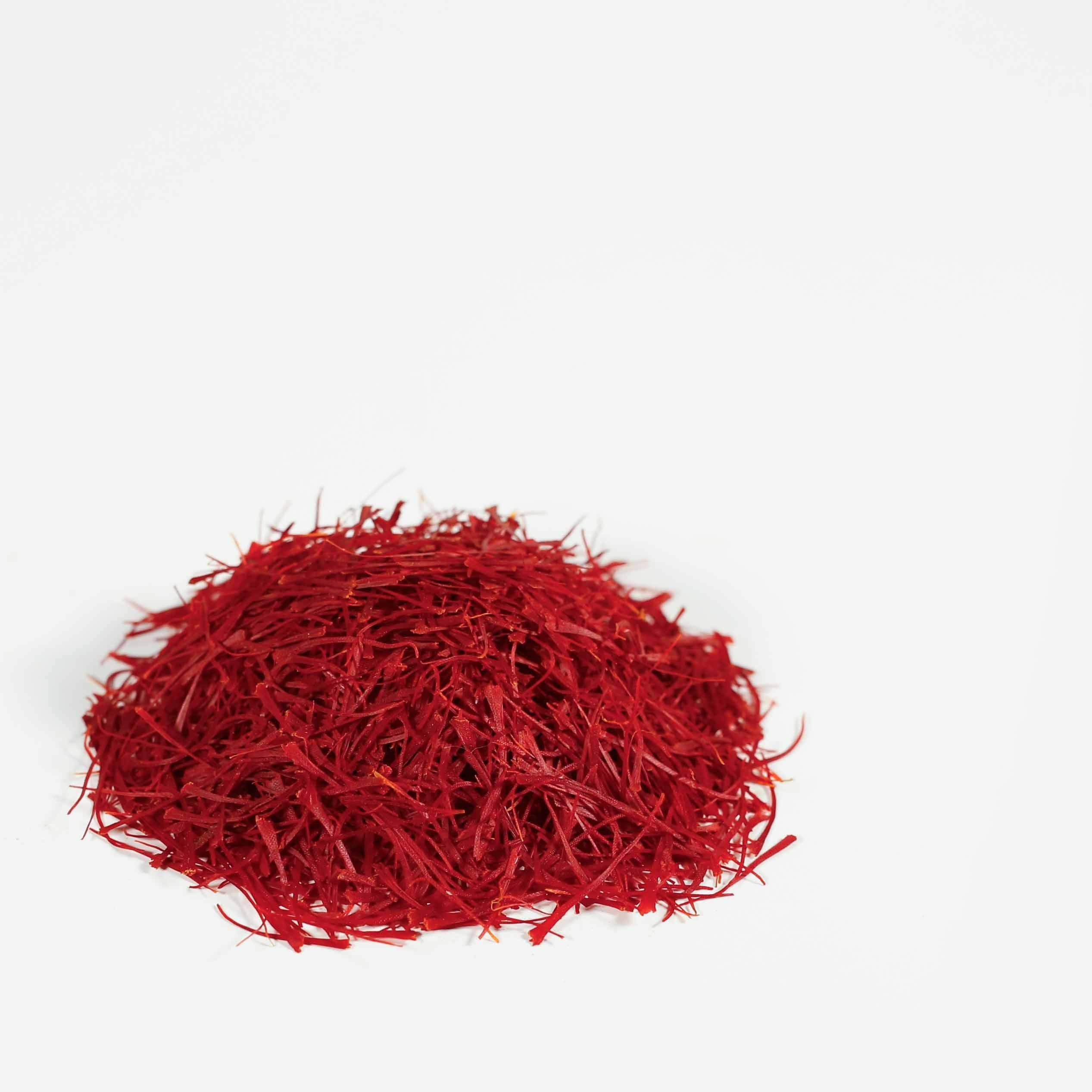
Saffron has a distinctive scent often described as floral, earthy or hay-like.
During storage, its aroma can change as different compounds develop or decline.
A weaker or noticeably different scent may indicate ageing, although it does not automatically mean the spice has spoiled.
2. Weaker Flavour
Saffron contributes a distinctive taste, including gentle bitterness.
Older threads may produce a weaker or less balanced flavour, depending on their storage conditions.
Understanding what saffron tastes like can help you recognise its characteristic flavour and aroma.
3. Reduced Colouring Strength
Saffron releases a golden-yellow colour when infused in liquid.
Some colour-related compounds gradually decline during storage, potentially producing a weaker infusion.
However, colour alone cannot establish freshness. Water temperature, preparation method and the amount of saffron used also influence the result.
When Should You Throw Saffron Away?
Losing flavour is different from showing signs of spoilage.
Saffron that has simply become less aromatic may remain suitable for cooking if stored correctly and protected from contamination.
However, discard saffron if you notice visible mould, moisture damage, insects or an unusual musty smell.
Unusual clumping may also suggest that moisture has entered the container.
The USDA's shelf-stable food guidance explains general principles of storage and food safety.
Remember that appearance alone cannot guarantee safety. If you suspect contamination or cannot establish how the saffron was stored, replacing it is the safer choice.
Can You Still Use Older Saffron?
If your saffron has been stored properly and shows no signs of spoilage, it may still be useful even when its flavour has weakened.
Gently crushing the threads and infusing them in warm water can help release their remaining colour and flavour.
The guide to preparing and using saffron explains this technique.
However, preparation cannot restore compounds already lost during storage.
If the spice produces very little aroma, flavour or colour despite proper preparation, replacing it may provide better cooking results.
How to Keep Saffron Fresh for Longer

Good storage habits help protect saffron's quality.
Keep the threads in an airtight container in a cool, dry and dark cupboard. Avoid placing them near ovens, windows or other sources of heat.
Always handle saffron with dry utensils and close the container promptly after use.
Proper drying also influences the finished spice. The saffron drying process helps explain why careful handling matters before storage begins.
Reducing unnecessary exposure to light, moisture and heat can help preserve saffron's desirable qualities.
Frequently Asked Questions
Can You Use Saffron After Its Best-Before Date?
Possibly. The date generally indicates expected quality, but saffron should only be used if stored appropriately and free from signs of spoilage.
Does Saffron Lose Its Colour Over Time?
Yes. Its colouring strength may decline during storage, depending on the original quality and storage conditions.
Does Ground Saffron Expire Faster?
Ground saffron may be more vulnerable to environmental exposure because of its increased surface area. Actual shelf life depends on packaging and storage.
Should Saffron Be Refrigerated?
Refrigeration is generally unnecessary. A cool, dry and dark cupboard is usually a better choice for everyday storage.
The Bottom Line: Does Saffron Expire?
Saffron doesn't suddenly become unusable when its best-before date passes. When stored correctly, it may remain suitable for cooking even as its flavour, aroma and colouring strength change.
The key is to distinguish declining quality from possible spoilage.
Store saffron in a cool, dry and dark place, keep it tightly sealed, and discard it if there are signs of mould, moisture damage or contamination.
For the best culinary experience, use saffron while its distinctive characteristics are still at their best.
References
U.S. Department of Agriculture, Food Safety and Inspection Service. (n.d.). Food Product Dating. USDA Food Safety and Inspection Service.
Simultaneous Quantification of Crocetin Esters and Picrocrocin Changes in Chinese Saffron During 15 Years of Storage. (2015). PubMed Central.
U.S. Department of Agriculture, Food Safety and Inspection Service. (n.d.). Shelf-Stable Food Safety. USDA Food Safety and Inspection Service.