
Saffron imported from India is now listed separately under updated European Union food-import controls, allowing authorities to monitor it more specifically.
In June 2026, the European Commission published Commission Implementing Regulation (EU) 2026/1206, which changed how several dried spices from India are listed for official controls. Saffron, previously grouped with spices such as ginger, turmeric, thyme, bay leaves and curry, now has its own commodity entry.
The change allows authorities to assess control data for saffron separately and apply more targeted measures where necessary.
What Changed for Indian Saffron?
Before the June update, Indian saffron was included in a broader entry alongside dried spices such as ginger, turmeric, thyme, bay leaves, curry and other spices.
Under Regulation (EU) 2026/1206, these products have been divided into separate commodity entries.
The European Commission explains that separating the commodities allows authorities to better evaluate information collected through official controls and establish more targeted measures for individual dried spices where necessary.
For saffron from India, the relevant entry in the regulation identifies pesticide residues as the hazard and sets the frequency of identity and physical checks at 20%.
In other words, saffron has not suddenly been added to EU controls for the first time. The important 2026 change is that saffron is now identified separately instead of being grouped with several other Indian spices.
Why Is Saffron Being Listed Separately?
When several foods are grouped under one entry, official-control data can be harder to assess commodity by commodity. Separating saffron and the other affected spices allows authorities to evaluate results individually, meaning future decisions concerning saffron can draw on saffron-specific data rather than combined information covering a wider group of dried spices.
The change therefore makes official monitoring more specific; it does not introduce a blanket new restriction on saffron.

What Does the 20% Check Frequency Mean?
The regulation lists a 20% frequency of identity and physical checks for pesticide residues in Indian saffron consignments covered by the measure.
This does not mean that 20% of Indian saffron is unsafe or fails EU requirements. In practical terms, the regulation sets identity and physical checks at a frequency of 20% of covered consignments entering the EU. The percentage refers to how frequently consignments are subject to the specified official checks when entering the European Union, not the percentage of products found to be non-compliant.
These pesticide-residue controls are also different from questions surrounding real and fake saffron. Adulteration concerns whether saffron has been substituted or mixed with other material, while this EU measure concerns official controls for pesticide residues.
Does This Mean Indian Saffron Is Banned in Europe?
No. Regulation (EU) 2026/1206 does not ban Indian saffron from entering the European Union.
The change concerns how saffron from India is listed and monitored under the EU's existing framework for certain imported foods. There is also no basis in the regulation alone to conclude that it will cause saffron shortages or higher retail prices.
Why Do Import Controls Matter for Saffron Buyers?
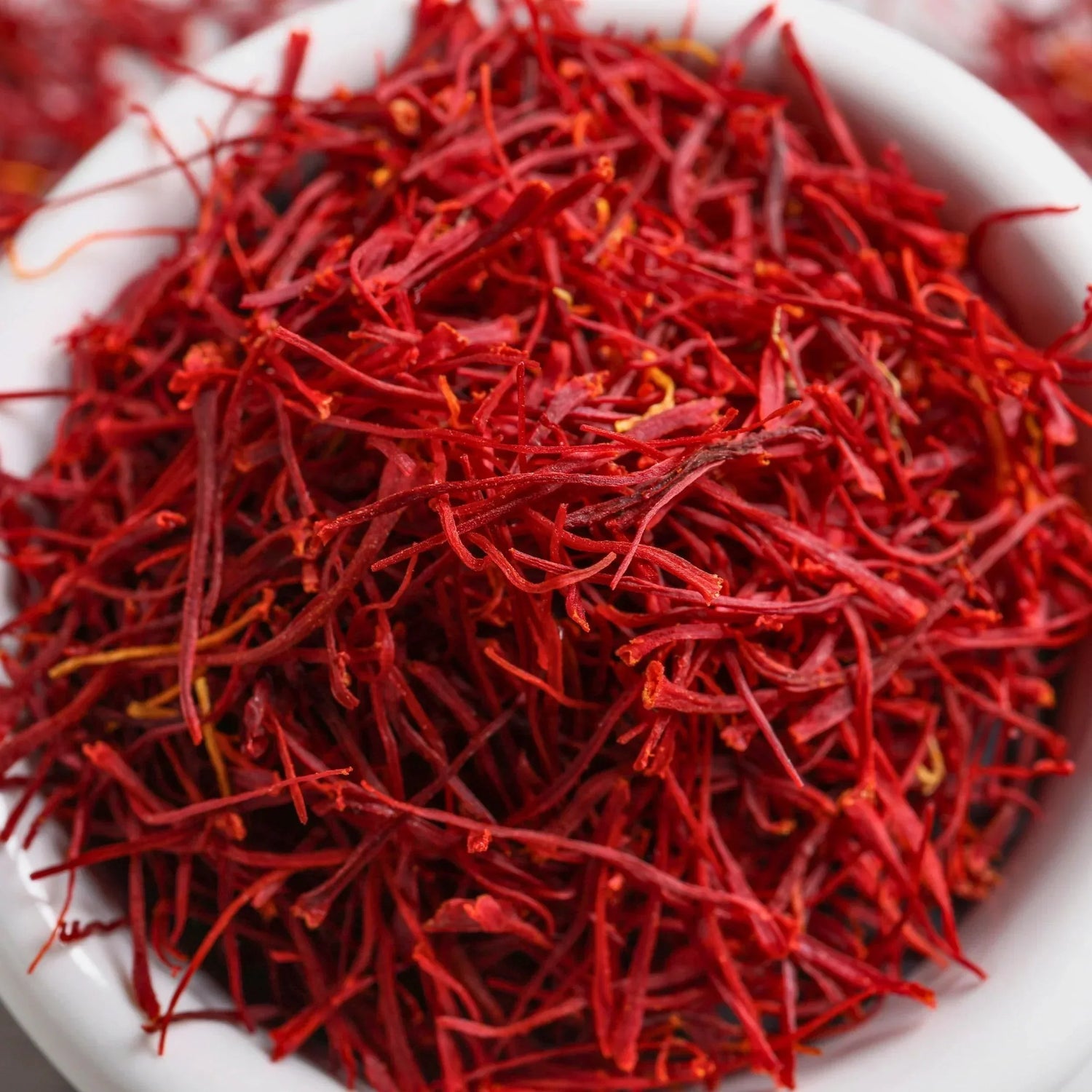
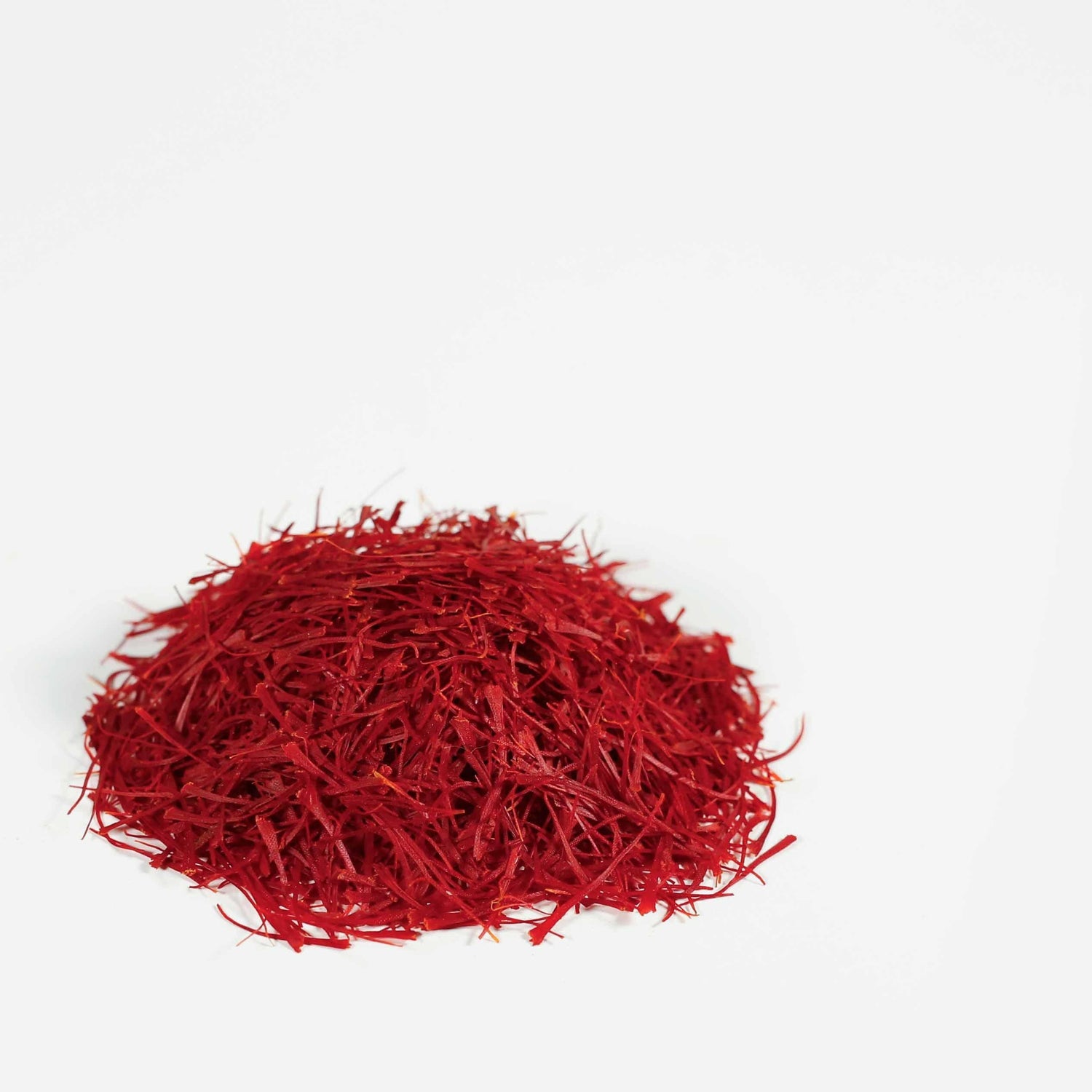
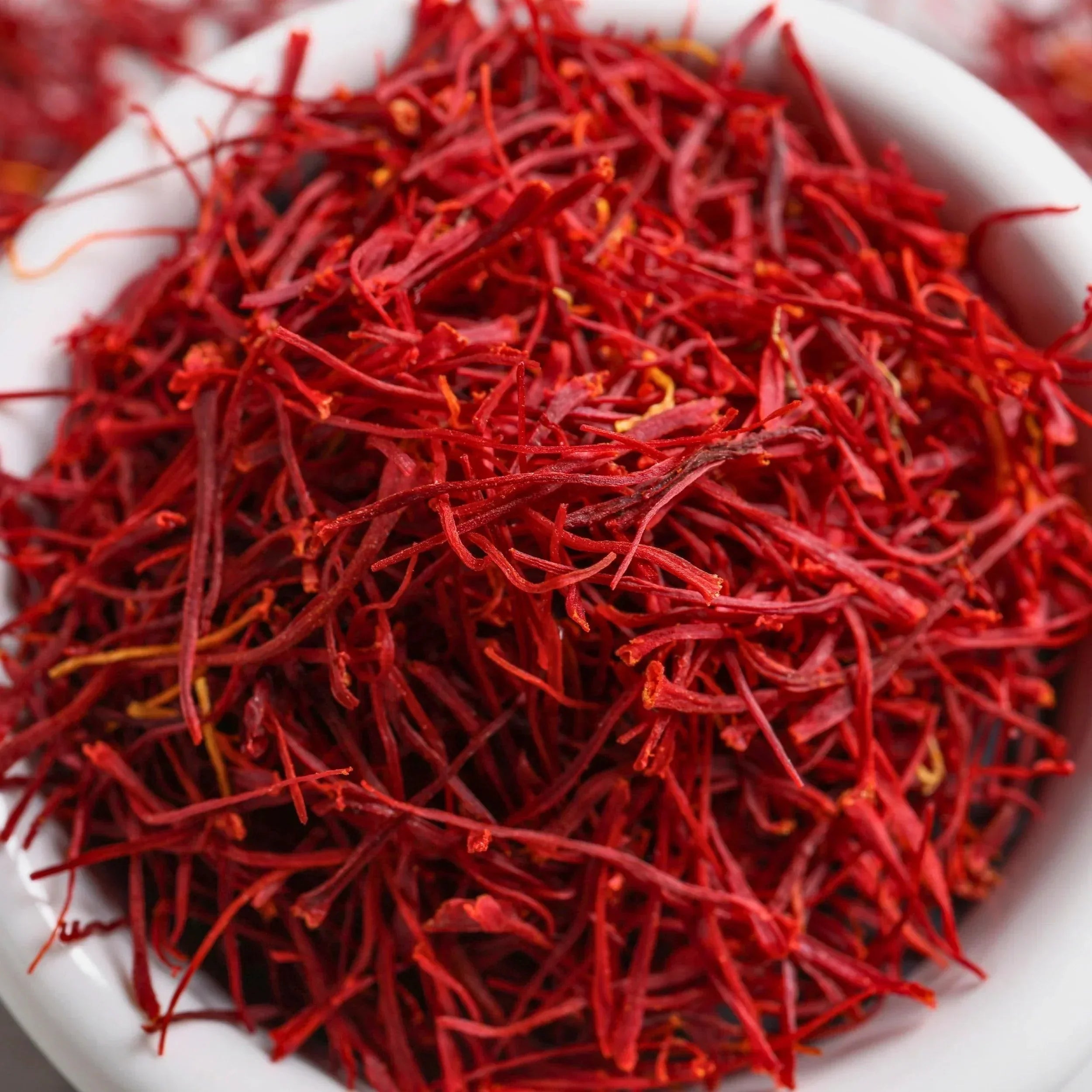
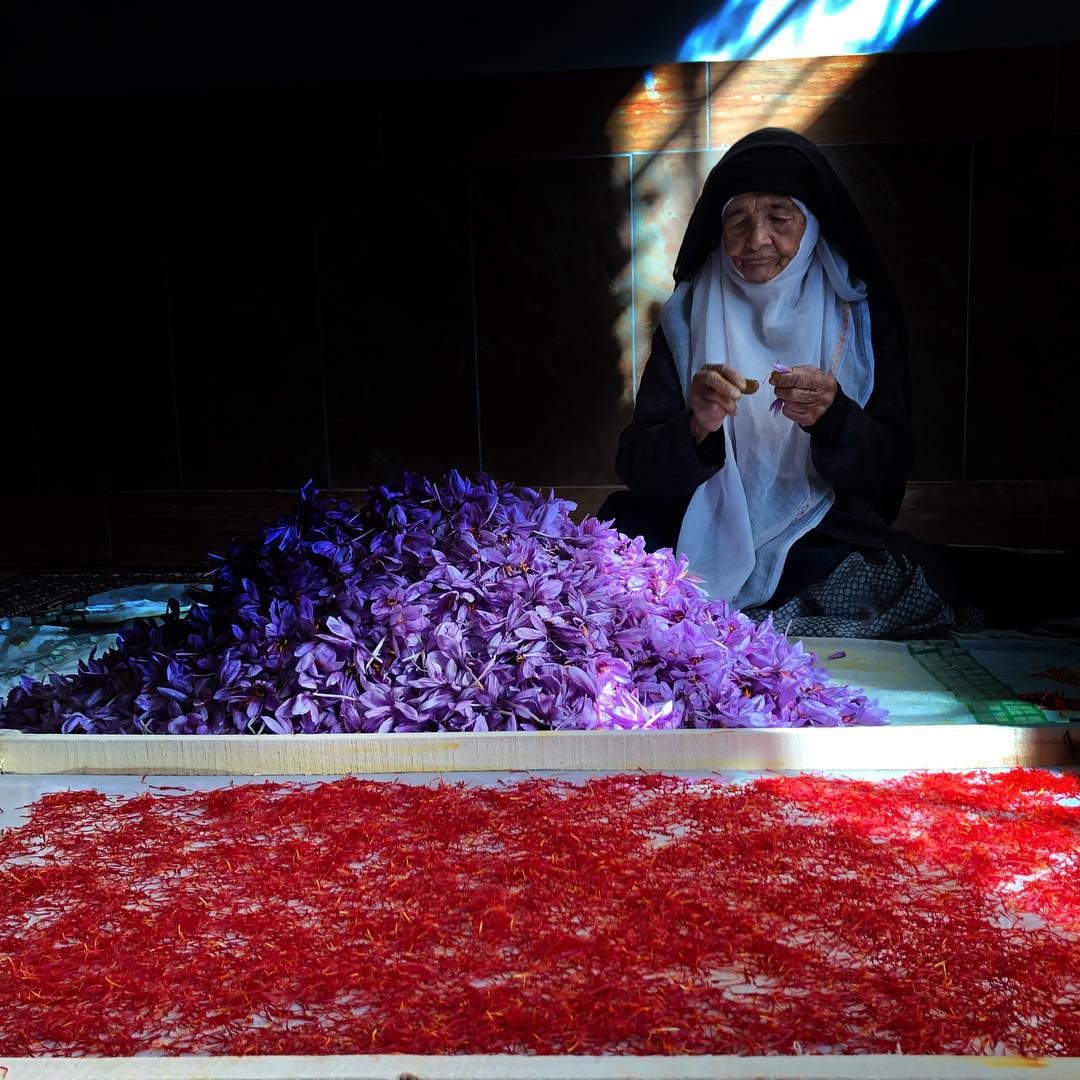
Saffron passes through a long supply chain before reaching the kitchen. It begins with Crocus sativus flowers, whose red stigmas are harvested, dried and packed before the spice moves through international markets.
Because saffron comes from several growing regions, origin and traceability form part of the wider story of how saffron moves from growers to consumers. Official food controls are another part of that system.
More commodity-specific data can help regulators distinguish what is happening with saffron from what is happening with other spices and make more focused decisions about monitoring.
For buyers, the development is also a reminder that saffron quality involves more than appearance alone. Origin, traceability, handling and quality control all contribute to confidence in the product being purchased.
At Saffronice, this is why we see traceability and evidence-based quality control as important parts of understanding saffron. A regulatory change such as this is most useful when viewed in context rather than taken as evidence that saffron from an entire country is unsafe.
What Happens Next?
Separating saffron into its own entry means authorities can collect and assess more commodity-specific information through official controls.
That more specific data can then be considered when authorities review whether existing controls remain appropriate. For now, the key point is straightforward: Indian saffron is being monitored more specifically, but the regulation is not a ban and should not be interpreted as evidence that Indian saffron as a whole is unsafe.
Primary Source:
Commission Implementing Regulation (EU) 2026/1206 — EUR-Lex
Official Journal of the European Union. 2026. Commission Implementing Regulation (EU) 2026/1206.