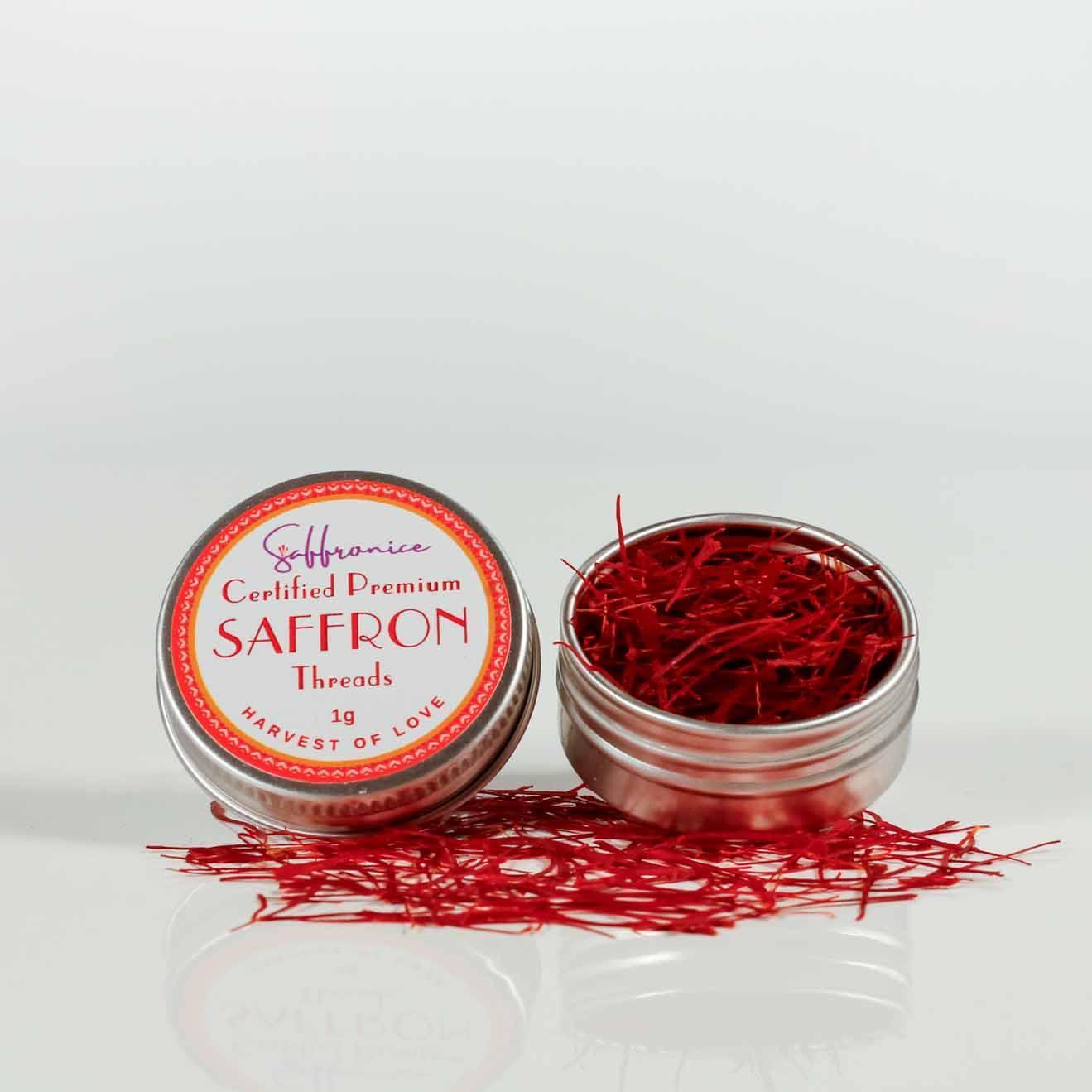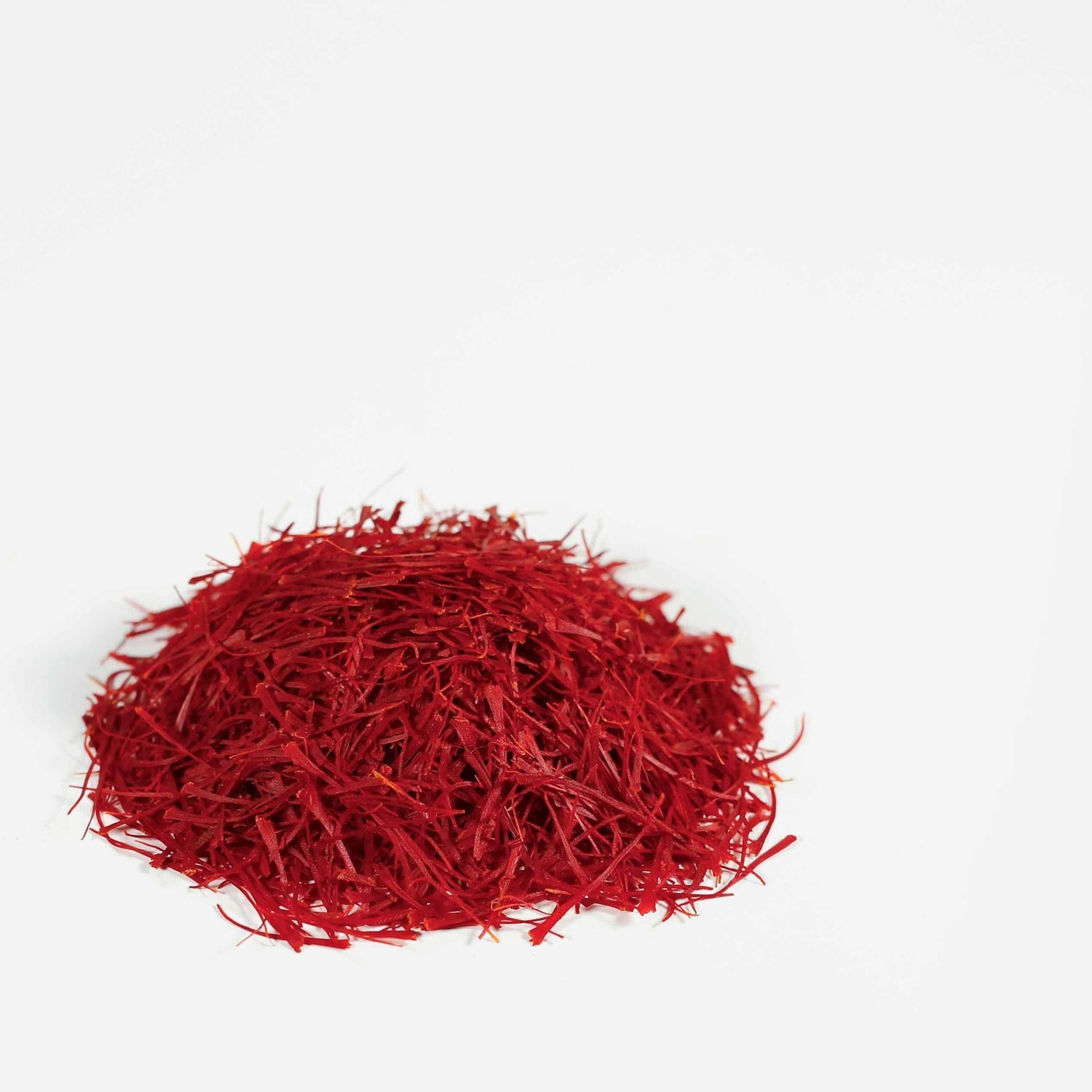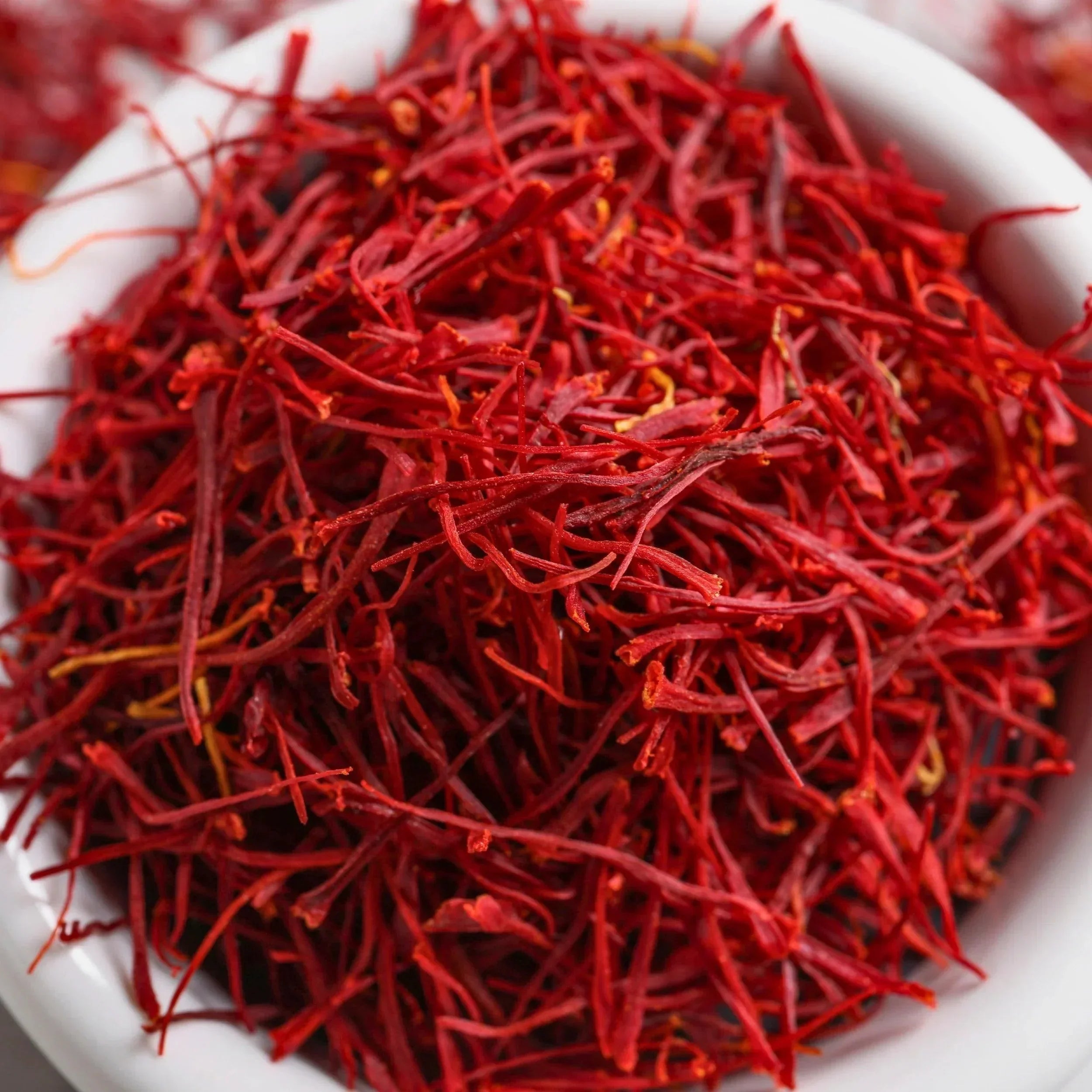

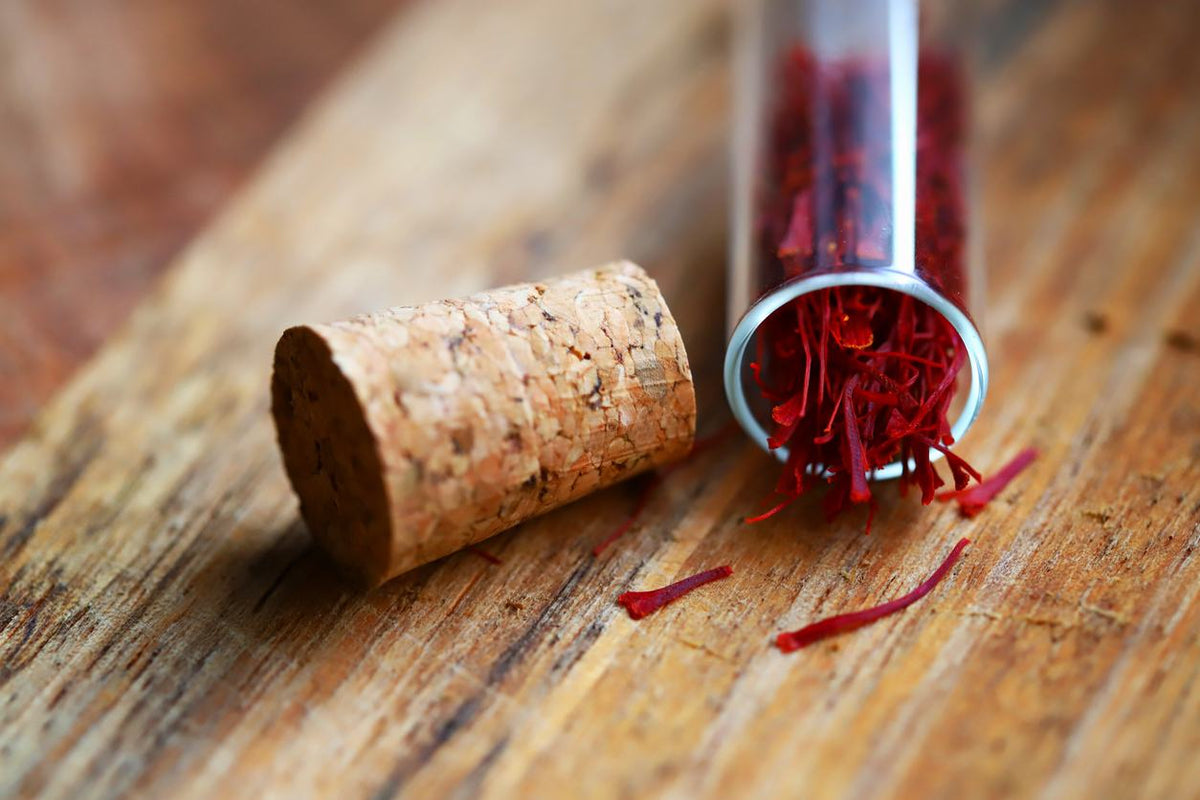
Saffron is familiar as a colourful culinary spice, but scientists are also investigating its possible relationship with emotional wellbeing.
A clinical trial published in June 2026 explored an unusual question: could a standardised saffron extract influence how people feel about themselves?
Researchers studied women aged 50–70 experiencing low mood and poor sleep. Alongside changes in depressive symptoms, they measured self-esteem, sleep and perceptions of physical appearance.
The results suggested an improvement in self-esteem among participants receiving saffron extract. However, this was an exploratory finding, and the researchers emphasised that further investigation is needed.
What Did the 2026 Saffron Study Investigate?

Published in Frontiers in Nutrition, the 2026 trial examined whether a standardised saffron extract influenced mood and sleep in women aged 50–70 experiencing both difficulties.
Researchers also explored self-esteem and perceptions of physical appearance, adding a new dimension to existing research on saffron and mood.
However, the study did not establish that saffron directly changes how people perceive themselves.
Study at a Glance
|
Study Detail |
Information |
|
Study type |
Randomised, double-blind, placebo-controlled human trial |
|
Publication |
June 17, 2026 |
|
Participants |
86 women aged 50–70 experiencing low mood and poor sleep |
|
Duration |
12 weeks |
|
Saffron used |
28 mg daily of standardised Affron® extract |
|
Comparison |
Identical-looking placebo tablets |
|
Main finding |
Greater improvement in depressive symptom scores with saffron than placebo |
|
Self-esteem finding |
Greater improvement in self-esteem scores, assessed as a secondary outcome |
|
Important limitation |
The trial was not specifically powered to evaluate self-esteem |
Original research: Lopresti and Smith, 2026, Frontiers in Nutrition.
What Did Researchers Find About Self-Esteem?
The researchers used the Rosenberg Self-Esteem Scale, a questionnaire measuring how individuals evaluate their self-worth.
After 12 weeks, both groups showed improvements, but the saffron group experienced a greater average change.
Self-Esteem Scores Improved More in the Saffron Group
Participants receiving saffron extract showed an average increase of 2.77 points on the self-esteem scale, compared with 1.34 points in the placebo group.
The adjusted difference between groups was statistically significant.
However, statistical significance does not automatically establish a meaningful everyday benefit.
Self-esteem was a secondary outcome, and the trial was designed primarily to investigate depressive symptoms.
The researchers therefore described the self-esteem result as preliminary and requiring confirmation.
Improvements Were Not Linked to Measured Appearance Changes
The study also examined participants' satisfaction with their appearance and estimated facial skin age using an artificial intelligence-based application.
Neither measure showed a statistically significant difference between groups.
This is an important distinction. Although self-esteem scores improved, the study did not demonstrate that saffron changed participants' appearance or their satisfaction with it.
Researchers suggested that mood changes might partly explain the self-esteem findings, but this explanation was not established.
What Happened to Mood and Sleep?

Participants receiving saffron extract showed a greater average reduction in depressive symptom scores than those taking placebo.
Researchers also reported improvements in sleep-related impairment, including daytime difficulties associated with poor sleep. However, the separate measure of sleep disturbance showed no statistically significant difference between groups.
Previous studies have also explored saffron and sleep quality, although the 2026 trial did not find significant differences across every sleep measure.
Does This Mean Saffron Can Improve Confidence?
Not necessarily.
Self-esteem and confidence are related, but they are not identical. Confidence often concerns belief in one's ability to perform a particular task, while self-esteem concerns overall self-worth.
The trial measured self-esteem, not confidence in everyday activities.
Its findings also apply to a specific population: women aged 50–70 experiencing low mood and poor sleep.
They cannot automatically be extended to younger adults, men or people without similar symptoms.
Although saffron has been investigated in other wellbeing research, individual studies must be interpreted according to their participants, methods and measured outcomes.
Why Are These Findings Still Preliminary?
Randomised, double-blind, placebo-controlled trials are useful because they reduce several sources of bias.
Nevertheless, this study had limitations.
Its sample was relatively small, the self-esteem outcome was exploratory, and the researchers did not adjust secondary analyses for multiple comparisons.
The trial also lasted only 12 weeks, leaving longer-term effects uncertain.
Furthermore, the extract was supplied with manufacturer documentation, but independent analytical verification was not performed.
The researchers called for larger studies specifically designed to investigate self-esteem.
The study used a specific standardised extract rather than culinary saffron. Readers can explore saffron's potential side effects, although safety findings from one extract cannot be generalised to all saffron preparations.
What Should Readers Take Away?
The 2026 clinical trial reported preliminary improvements in self-esteem among women aged 50–70 who received a standardised saffron extract. However, self-esteem was a secondary outcome, and larger studies are needed to determine whether the findings are consistent and meaningful.
The results do not establish that saffron improves confidence or treats emotional difficulties. They also cannot be applied directly to culinary saffron, as the study used a specific standardised extract.
For now, the research offers an interesting direction for future studies into saffron and emotional wellbeing.
Frequently Asked Questions
How much saffron was used in the study?
Participants received 28 mg daily of a standardised saffron extract for 12 weeks. This was a research intervention, not a general dosage recommendation.
Did saffron improve sleep in the trial?
The study found improvement in sleep-related impairment but not in its separate measure of sleep disturbance.
Can cooking with saffron produce the same results?
The trial did not investigate culinary saffron, so equivalent effects cannot be assumed.
Reference
Lopresti, A. L., & Smith, S. J. (2026). The effects of a saffron extract (Affron®) on mood, sleep, self-esteem, and exploratory measures of physical appearance in women aged 50 to 70 years experiencing low mood and poor sleep: a randomised, double-blind, placebo-controlled trial. Frontiers in Nutrition.