
Uzbekistan is expanding its saffron industry, with one major producer targeting €12 million in exports for 2026 while investing in cultivation, processing and international partnerships.
In October 2026, the country's BMB ZA'FARON project reported further developments in its saffron business, including expanded planting, greater use of locally produced planting material and discussions with Italian partners about international market opportunities.
According to an October report by Dunyo Information Agency, the project recorded €10.2 million in exports in 2025 and is targeting €12 million in 2026.
The announcement offers a closer look at how Uzbekistan is developing its saffron industry beyond cultivation, with processing, product development and international trade playing an increasingly important role.
Uzbekistan's Saffron Export Goals for 2026
The BMB ZA'FARON project operates in the Bakhmal district of Uzbekistan's Jizzakh region.
While saffron cultivation remains central to its activities, the business has also developed facilities for drying, processing and packaging saffron for commercial markets.
According to Dunyo, the project reported exports worth €10.2 million in 2025 and set a target of €12 million for 2026.
If achieved, the €12 million target would represent approximately 17.6% growth over the project's reported €10.2 million in exports during 2025. These figures relate specifically to BMB ZA'FARON, not Uzbekistan's total national saffron exports.
The distinction matters because an individual company's export performance does not necessarily reflect the wider country's production or trade activity.

Where Is Uzbekistan Exporting Its Saffron?
Uzbek saffron produced through the BMB ZA'FARON project is already reaching several international markets.
The Uzbekistan Ministry of Agriculture's October 7 announcement identified Italy, Austria, the Netherlands, France, the United States, Tajikistan and Saudi Arabia among the destinations for the project's saffron and related products.
The ministry also reported that more than 20 types of saffron-based products are exported through the project.
By exporting more than 20 types of saffron-based products, the project is developing markets beyond dried saffron alone. However, the available announcements do not identify which countries or product categories account for the largest share of its export revenue.
Italian Partnerships and New International Market Plans
International cooperation remains an important part of Uzbekistan's saffron development.
On October 5, 2026, Bekzod Mamatkulov, Chairman of the Founders Board of BMB Holding, met with Roberto Tucci, President of Italy's HT Holding.
According to BMB Holding's October 6 announcement, the discussions covered investment cooperation, production capacity and opportunities to expand the international market for Uzbek saffron.
The discussions included potential cooperation involving Costco, the major US retailer, as well as opportunities to expand saffron exports into additional markets. No completed retail agreement was announced, so these remain potential business opportunities rather than confirmed new sales channels.
Why Processing and Quality Matter for Saffron Exports
Producing saffron is only the beginning of preparing the spice for international markets.
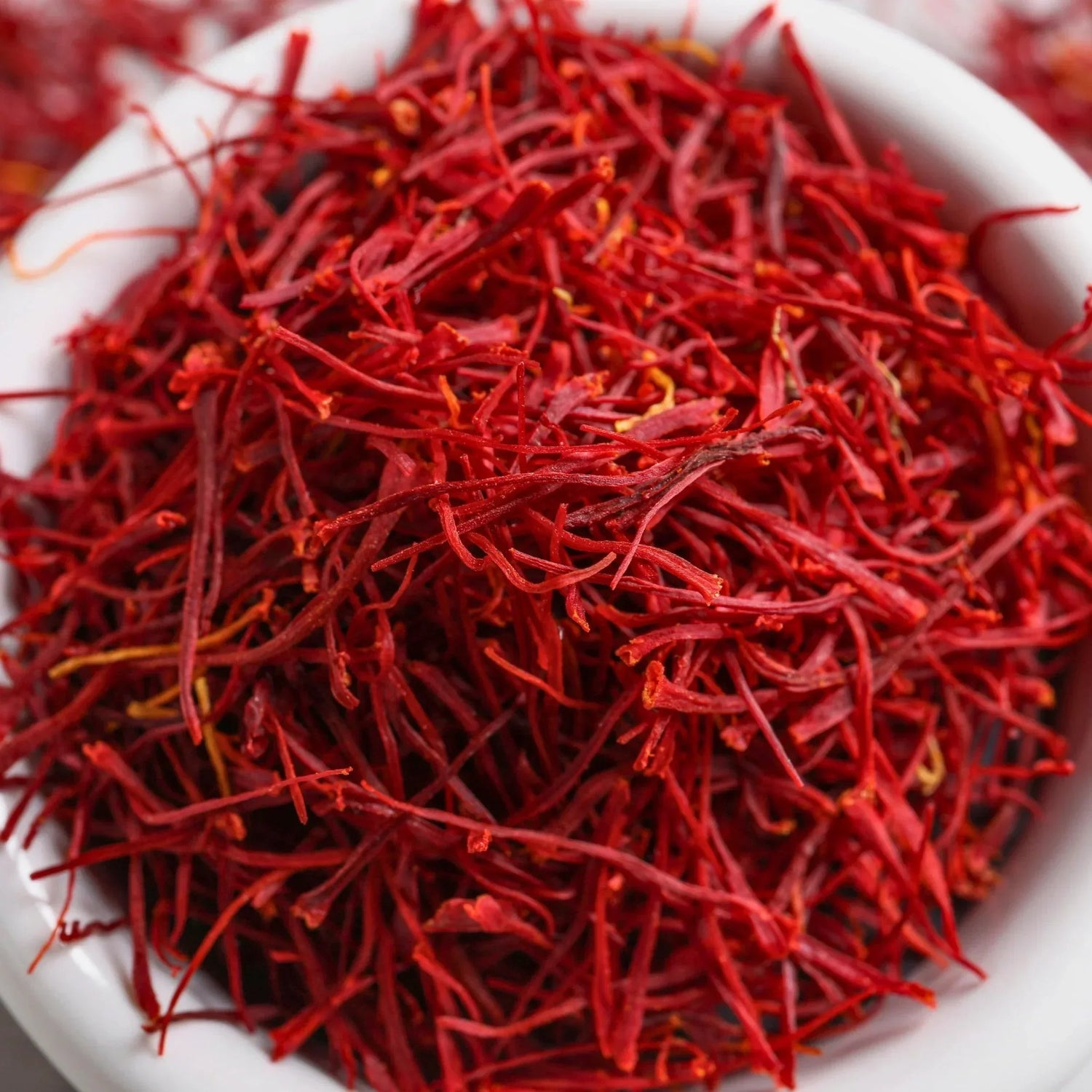
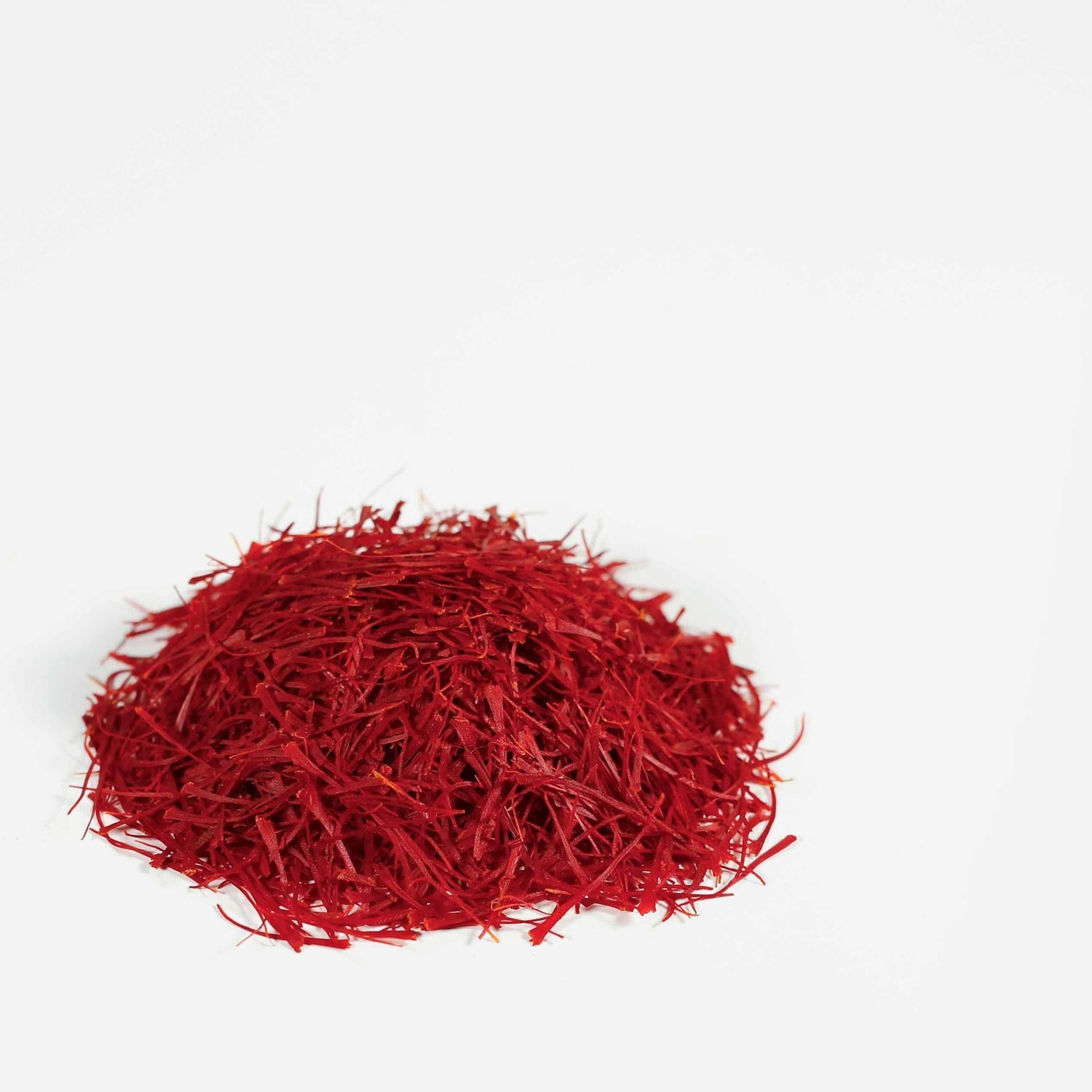
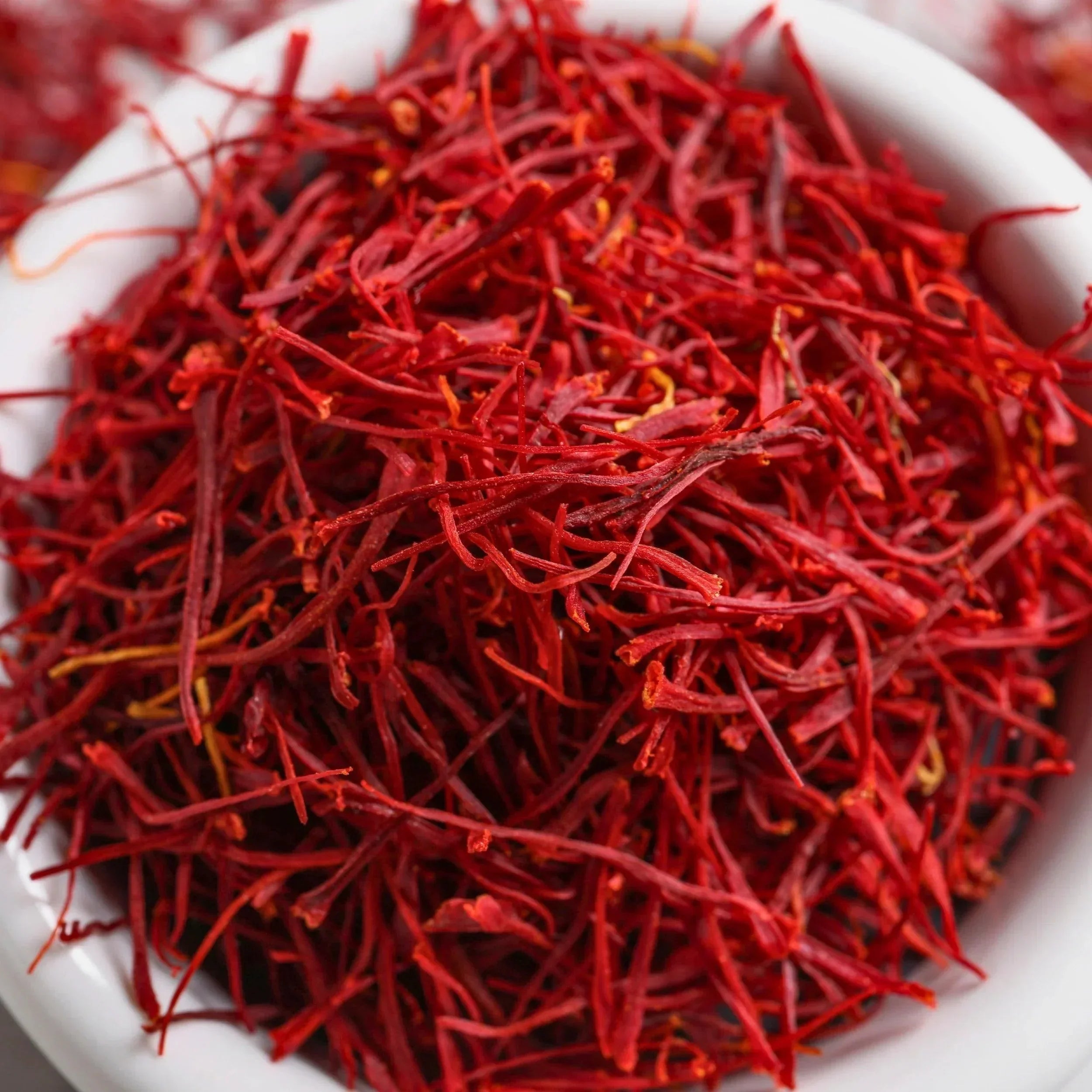
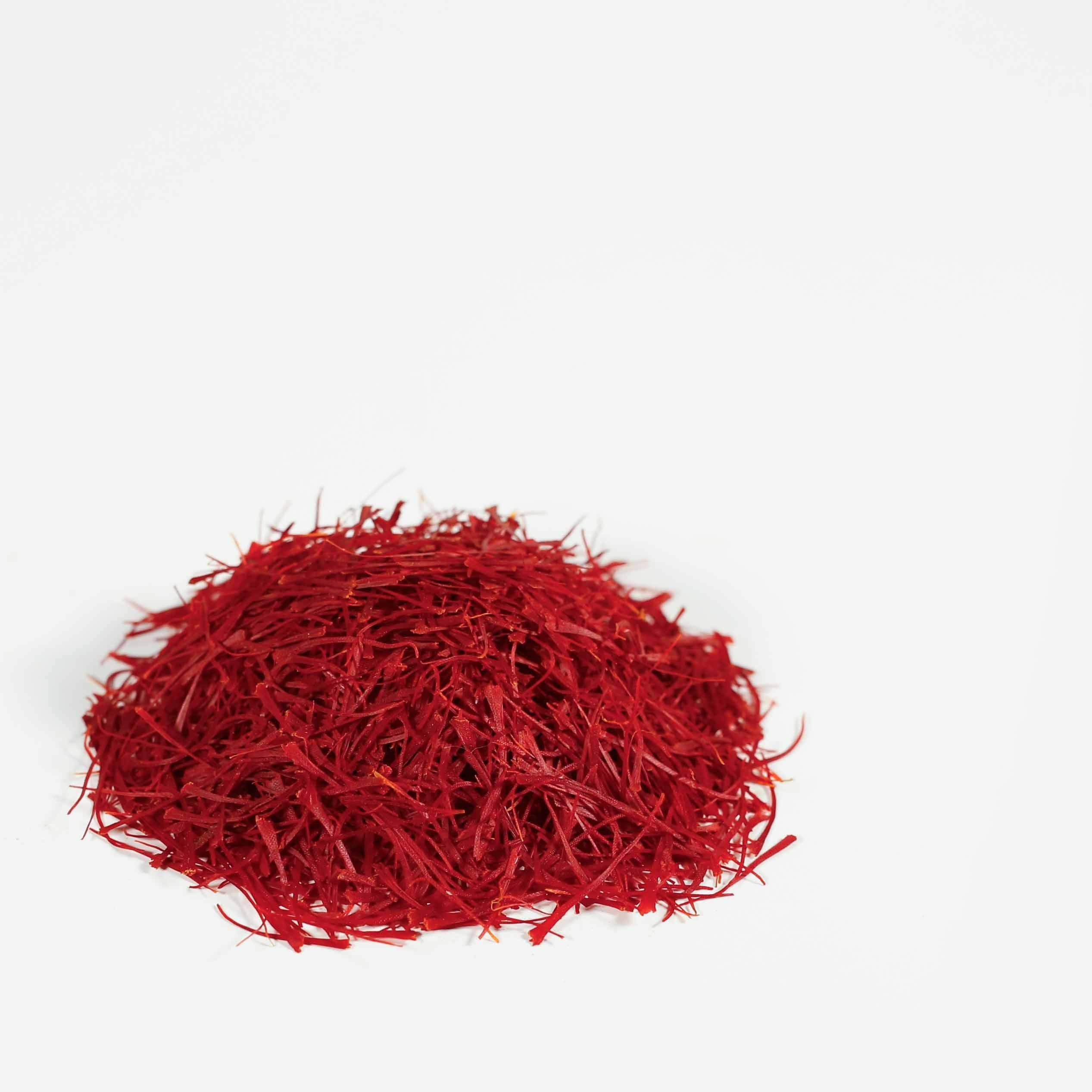
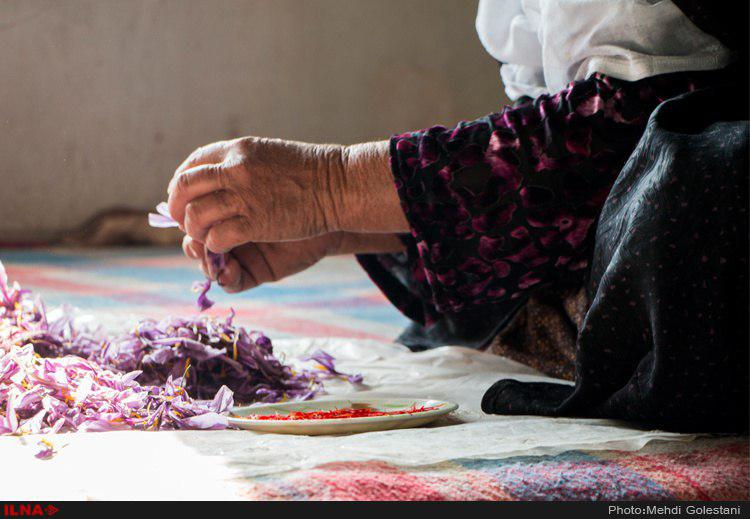
After harvesting, the delicate red stigmas must be separated, dried, handled and packaged carefully to preserve their distinctive colour, flavour and aroma.
BMB ZA'FARON has developed facilities for drying, processing and packaging saffron within Uzbekistan, giving the project greater control over the journey from cultivation to finished export products.
The process begins with the careful harvesting and processing of saffron. Drying is especially important because the techniques used can influence saffron's final characteristics, as explained in the art of saffron drying.
For international buyers, consistent handling and quality are important considerations. Understanding how to tell the quality of saffron can help consumers appreciate the characteristics of this valuable spice.
Although local processing may provide greater control over production, the available announcements do not establish whether these facilities have improved profitability or whether the exported saffron meets a particular independently verified quality grade.
Plantation Expansion Supports Future Export Plans
Although the latest news centres on international trade, the project is also expanding its production base.
On October 4, demonstration planting took place on additional land at the BMB ZA'FARON plantations in Jizzakh.
October reports described the project's expansion from 820 towards 900 hectares, although the sources differ on whether that milestone had already been completed. Both confirm additional planting activity in the Jizzakh region.
The reports differ in how they describe the timing of the expansion, but both confirm that the project was developing additional planting areas in early October.
The project has also increasingly used saffron corms produced locally rather than relying on imported planting material.
This could support future planting activities by reducing the need to source all new corms from overseas.
BMB Holding has outlined a longer-term target of expanding its saffron plantations to 2,000 hectares by the end of 2027.
That remains a planned milestone rather than a completed development.
Importantly, expanding plantation area does not guarantee a proportional increase in saffron harvests or export revenue. Actual results will depend on yields, labour, processing capacity and market demand.

What Does Uzbekistan's Expansion Mean for Saffron Buyers?
For saffron buyers, Uzbekistan's growing industry is an example of how the international saffron market continues to develop beyond its traditionally established production regions.
Investment in cultivation, local processing and international distribution could eventually provide buyers with more sourcing options.
However, increased plantation area does not automatically mean more saffron will reach international markets. Harvest yields, labour availability, product quality, processing capacity and customer demand will all influence the outcome.
There is currently insufficient evidence to suggest that Uzbekistan's expansion will significantly affect global saffron prices or retail availability.
The important development is not simply that more saffron is being planted, but that Uzbekistan is investing in the infrastructure needed to process, package and sell saffron internationally.
At Saffronice, we believe developments like these are worth following because understanding where saffron comes from, how it is handled and how it reaches consumers is an important part of understanding saffron quality.
What Happens Next for Uzbekistan's Saffron Industry?
Uzbekistan's saffron project has ambitious export and cultivation targets, but its future impact will depend on actual harvests, confirmed sales and sustainable growth. The next milestones to watch are the €12 million export target for 2026, further plantation expansion and whether proposed international partnerships become formal agreements.
References
-
Dunyo Information Agency — Jizzakh Region Expands Saffron Production and Exports, October 2026.
-
BMB Holding — Prospects for Expanding the Saffron Cultivation Project and New Investment Initiatives, October 6, 2026.
-
Dunyo Information Agency — BMB ZA'FARON Plantations Expand to 900 Hectares, October 6, 2026.
-
Ministry of Agriculture of Uzbekistan — Saffron Plantation Expansion, October 7, 2026.