
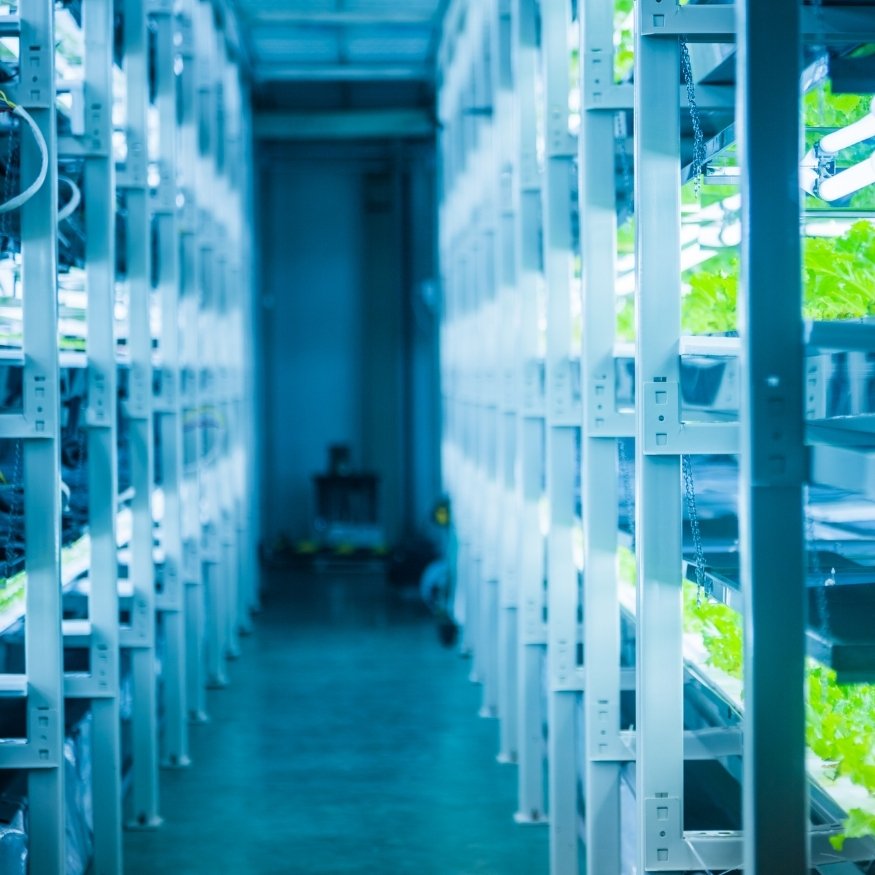
Saffron has traditionally been grown in soil, but researchers are exploring whether it can also be raised successfully in more controlled, soilless environments.
A 2026 study published in the Journal of Applied Research on Medicinal and Aromatic Plants tested different growing media, protected polytunnels and crop-management treatments. The researchers found that certain protected soilless systems supported saffron growth and replacement-corm production, with some treatment combinations performing better than others.
Importantly, the study primarily measured vegetative growth and replacement corms — not finished saffron, stigma yield or commercial spice quality. Its findings therefore don't mean that soilless cultivation is automatically better than traditional farming.
Study at a Glance
Study type: Agricultural / controlled cultivation research
Crop: Crocus sativus L.
Duration: Two consecutive crop cycles, 2019–2020 and 2020–2021
What researchers tested: Different soil-based and soilless growing media, two protected polytunnel environments and fungicide treatments
Main focus: Vegetative growth and replacement-corm production — not finished saffron or stigma yield
Best-performing growing medium: A mixture of cocopeat, rockwool and crushed silica sand (G3)
Main finding: The strongest treatment combination produced the highest replacement-corm yield among the systems tested
Important limitation: The results apply to the specific cultivation system, growing media and management conditions studied and should not be treated as proof that soilless cultivation is universally superior to conventional soil farming.
What Does “Soilless Saffron Cultivation” Mean?
Soilless cultivation doesn't necessarily mean that saffron corms are suspended directly in water.
In this study, researchers used alternative growing substrates in place of conventional field soil. These materials provide physical support around the roots and corms while allowing growing conditions to be managed more closely.
One of the mixtures tested contained cocopeat, rockwool and crushed silica sand. This combination, identified in the study as G3, produced particularly strong vegetative growth and corm results under the conditions tested.
This is quite different from conventional saffron cultivation, where corms are planted directly into suitable soil and remain exposed to the natural characteristics of that soil and the surrounding climate.
What Did the Researchers Actually Test?
The researchers experimented with two consecutive saffron crop cycles.
They used Crocus sativus corms weighing more than 10 grams and compared several growing media. The experiment also included different fungicide treatments and two types of polytunnel, allowing the researchers to examine how the substrate, protected environment and crop-management treatments interacted.
Rather than looking only at whether the plants survived, the team measured vegetative traits and the production of replacement corms.
That distinction matters because saffron is propagated through corms rather than viable seed. Healthy replacement corms are an important part of maintaining future production.
Which Soilless Growing Medium Performed Best?
Among the treatments tested, the mixture of cocopeat, rockwool and crushed silica sand (G3) stood out.
The researchers reported that this substrate supported strong vegetative growth and produced a high proportion of larger replacement corms.
The best overall result came from G3 combined with a particular fungicide treatment under the P1 quonset polytunnel. Under this specific treatment combination, the pooled replacement-corm yield reached 1,823.37 grams per square metre.
However, that number needs to be interpreted carefully.
It represents replacement-corm production under one experimental combination. It is not a measurement showing that every soilless saffron farm will achieve that yield, nor does it mean that soilless cultivation will always outperform a well-managed traditional saffron field.
Why Are Researchers Interested in Growing Saffron This Way?
The researchers place this work within broader challenges facing saffron cultivation, including variation in soil conditions, moisture availability, soil-borne disease and changing climate conditions.
Protected cultivation gives researchers greater control over some growing conditions.
A carefully selected substrate can provide a more standardised root environment, while a polytunnel can reduce exposure to some outside weather conditions. Systems like these also allow researchers to investigate how particular growing conditions affect saffron corm development.
This is particularly interesting for a crop such as saffron because its growing regions around the world differ considerably in climate and local farming conditions.
A carefully selected substrate can provide a more standardised root environment, while a polytunnel can reduce exposure to some outside weather conditions. Systems like these also allow researchers to investigate how particular growing conditions affect saffron corm development.
This is particularly interesting for a crop such as saffron because its growing regions around the world differ considerably in climate and local farming conditions.
Does This Mean Soil Is No Longer Necessary for Saffron?
No.
The study provides evidence that protected soilless cultivation can work for saffron corm production under the conditions tested. It does not establish soilless growing as a universal replacement for traditional cultivation.
The strongest results came from a specific combination of substrate, protected structure and crop treatment. Changing any of those factors could change the outcome.
Most importantly, the research focused primarily on vegetative growth and replacement-corm production. Successful corm production is not the same thing as demonstrating superior flower production, stigma yield or finished saffron quality across commercial farms.
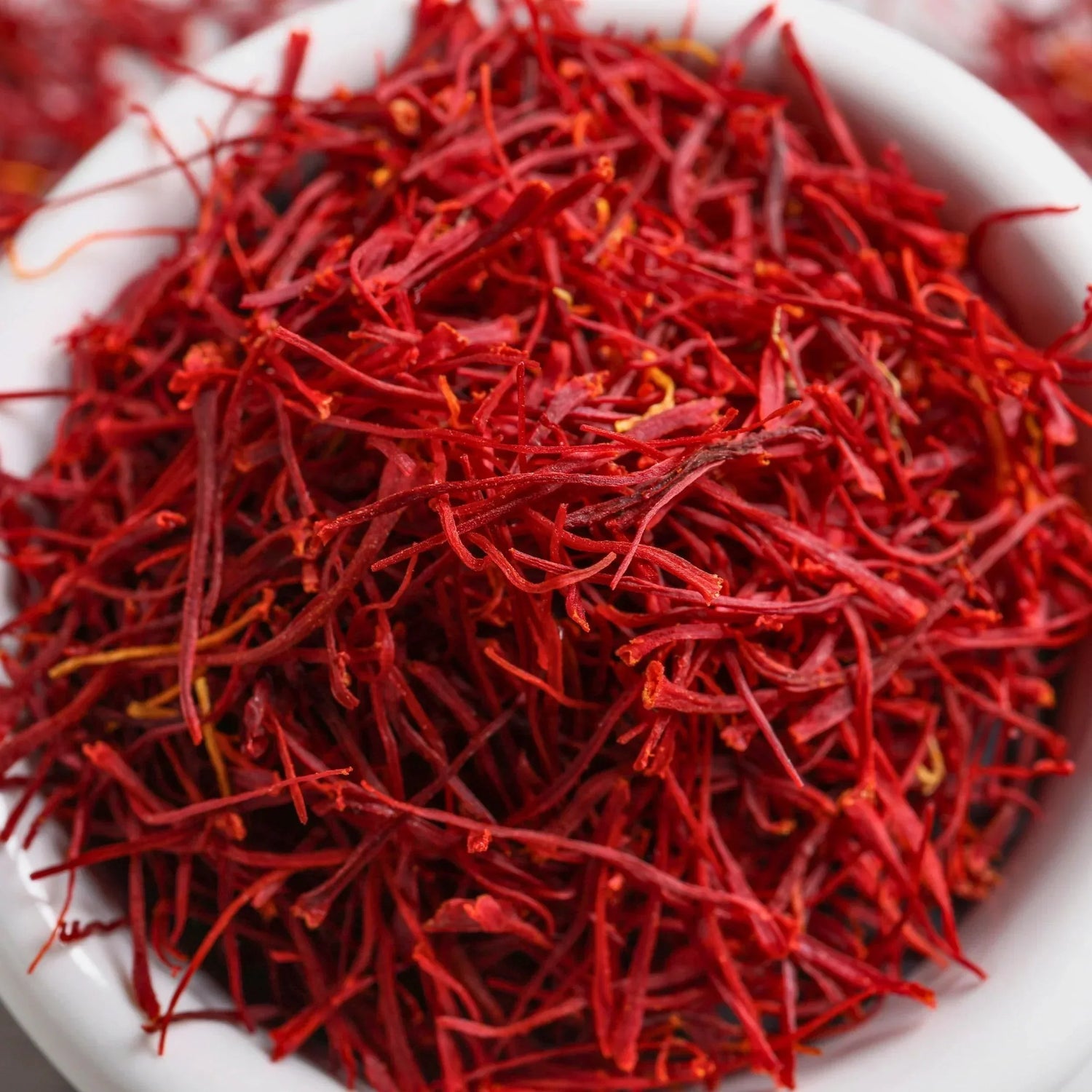
Traditional production therefore remains highly relevant. Once saffron flowers appear, harvesting and processing saffron still requires careful collection of the flowers and separation of the delicate red stigmas that become the finished spice.

What Does This Research Tell Us About the Future of Saffron Farming?
Perhaps the most interesting part of this study is not that researchers found a single “best” way to grow saffron. It is that saffron cultivation itself is continuing to evolve.
An ancient crop traditionally associated with open fields is now being studied using alternative substrates, protected environments and more tightly controlled production methods.
For Saffronice, this is what makes cultivation research especially valuable. Saffron may be one of the world's oldest and most distinctive spices, but the way researchers study how it can be grown is becoming increasingly modern.
The 2026 findings show that protected soilless cultivation could offer another option for producing saffron corms. For now, however, the evidence is best understood as promising results from a particular experimental system rather than proof that traditional soil farming should be replaced.
Primary Research
Majid M, Ashraf I, Khan JN, et al. Protected soilless cultivation increases saffron (Crocus sativus L.) corm yield through substrate optimisation and microclimate regulation: Evidence from a multi-factor field experiment. Journal of Applied Research on Medicinal and Aromatic Plants. 2026;54:100735.