
When people think of crocuses, they often picture small purple, white or yellow flowers appearing as winter ends. Saffron crocus is different.
Crocus sativus, the plant that produces saffron, flowers in autumn rather than spring. Its unusual seasonal rhythm means the valuable red stigmas used to make the spice appear during a relatively short flowering period.
So, when does saffron bloom, and why does it follow such a different schedule from the spring crocuses many gardeners know?
When Does Saffron Bloom?
In many Northern Hemisphere saffron-growing regions, Crocus sativus generally flowers during autumn, often around October and November, although the exact timing depends on climate, location and growing conditions.
This is why there is no single date when saffron blooms everywhere.
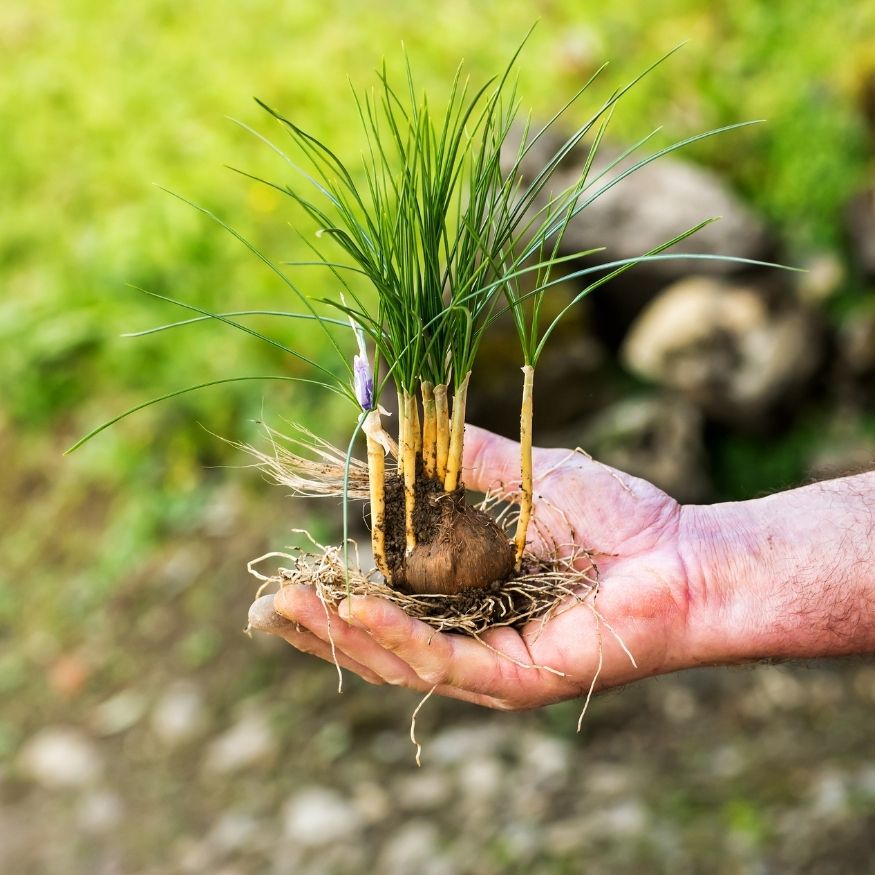
The timing is connected to saffron's annual growth pattern and its underground corm. Although they're commonly called saffron bulbs, botanically they are corms — swollen underground stems that store resources for the plant.
This seasonal pattern is an important part of growing saffron bulbs, as the corm moves through periods of growth, flowering and dormancy during the year.
Why Does Saffron Flower in Autumn?
Saffron's autumn flowering is closely connected to what happens inside its underground corm during the warmer months.
During summer, saffron enters dormancy. Its leaves have withered and little or nothing may be visible above ground, but the corm is preparing for the next flowering period.
Research shows that temperature plays an important role in this process. Warm conditions during the appropriate stage support flower formation inside the corm. Later, as temperatures become cooler, conditions become favourable for the developed flowers to emerge.
So although the saffron plant may appear inactive during summer, flower development is already taking place underground. The purple autumn bloom is the visible result of a process that began inside the corm months earlier.

How Is Saffron Different From Spring Crocuses?
Not every crocus flowers at the same time of year.
The Crocus genus includes both spring-flowering and autumn-flowering species. The familiar crocuses that appear toward the end of winter therefore aren't a reliable guide to when saffron will flower.
Crocus sativus belongs to the autumn-flowering group.
This difference gives saffron a seasonal rhythm that can seem unusual if you're more familiar with ornamental spring crocuses.
What Happens Before the Saffron Flowers Appear?
Much of saffron's development happens out of sight.
During summer dormancy, the corm remains below ground while flowers develop internally. By the time the first purple blooms become visible above the soil, important stages of flower development have already taken place.
Although saffron follows this characteristic seasonal pattern, flowering dates can differ between regions. Understanding where saffron comes from helps explain why flowering and harvest timing aren't identical across the world's saffron-growing areas.
What Does Autumn Flowering Mean for the Saffron Harvest?
Saffron's autumn flowers are more than a seasonal curiosity — they are the source of the spice itself.
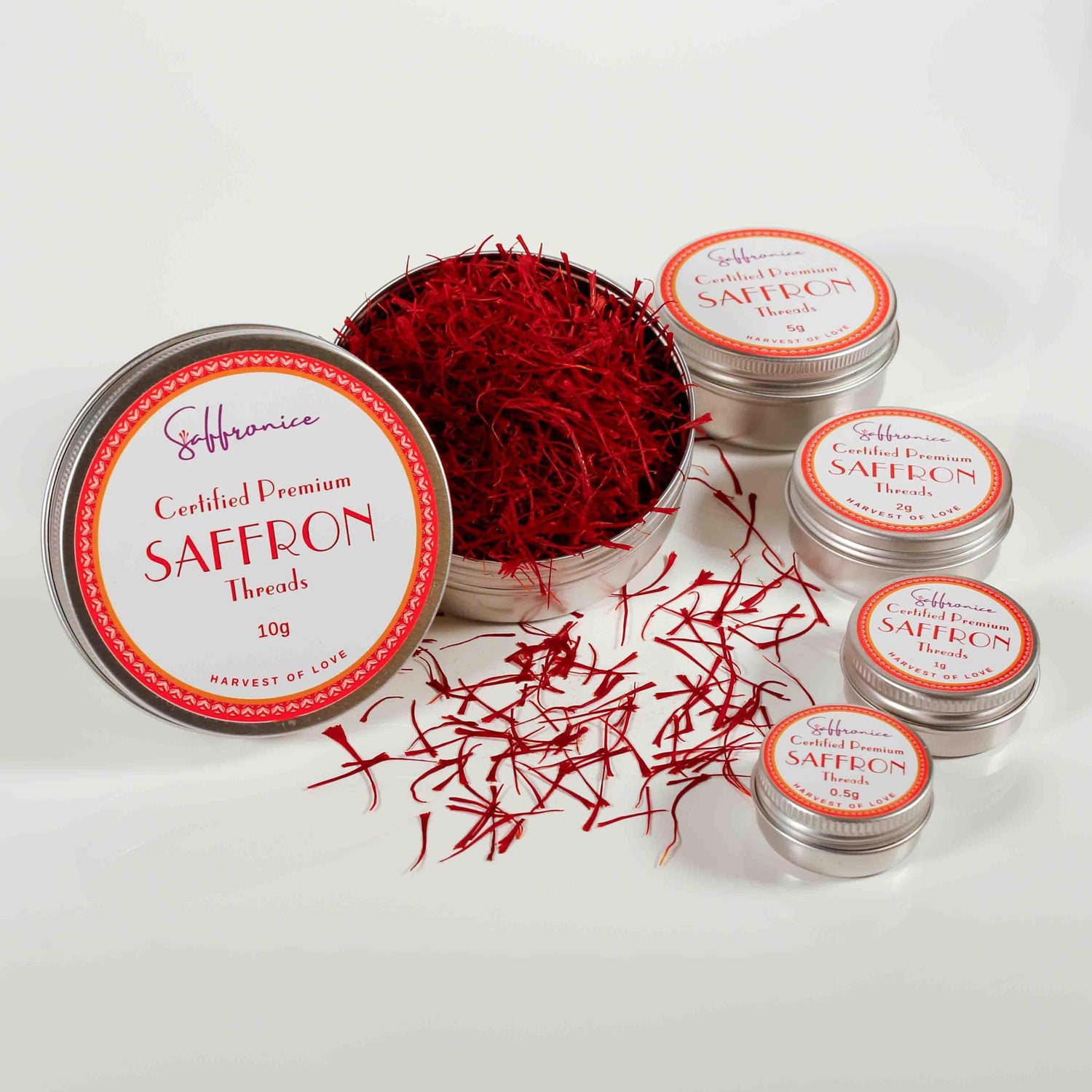
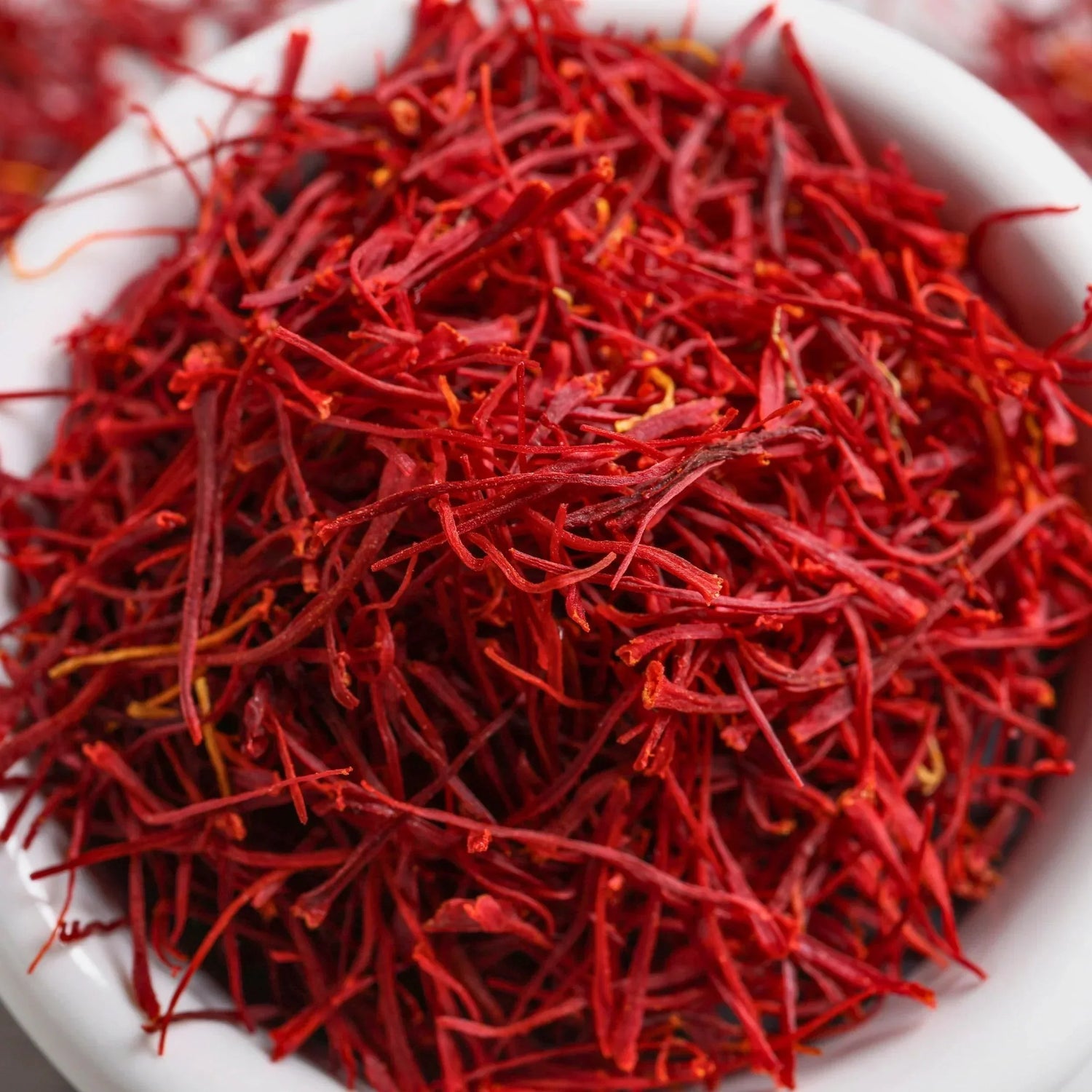
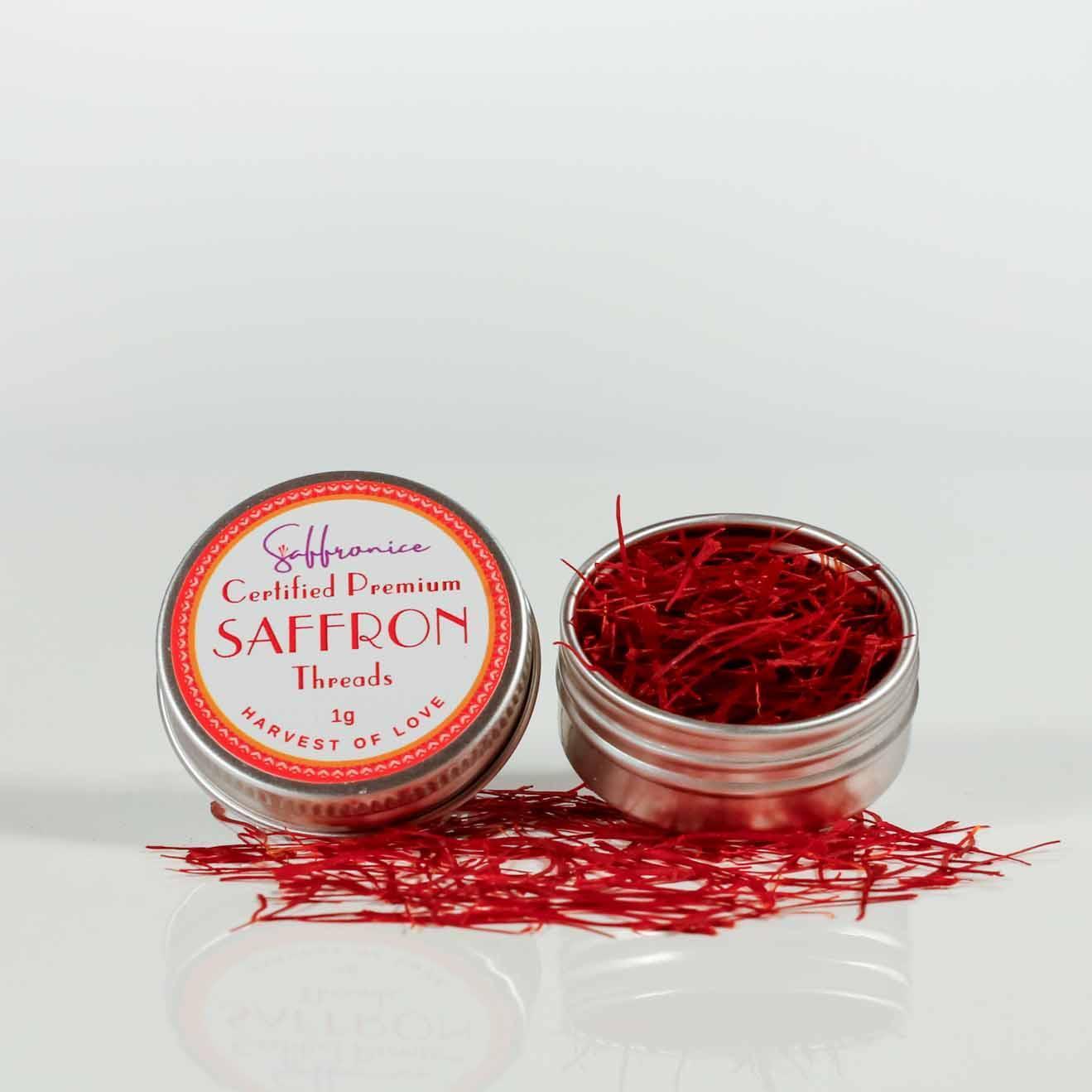
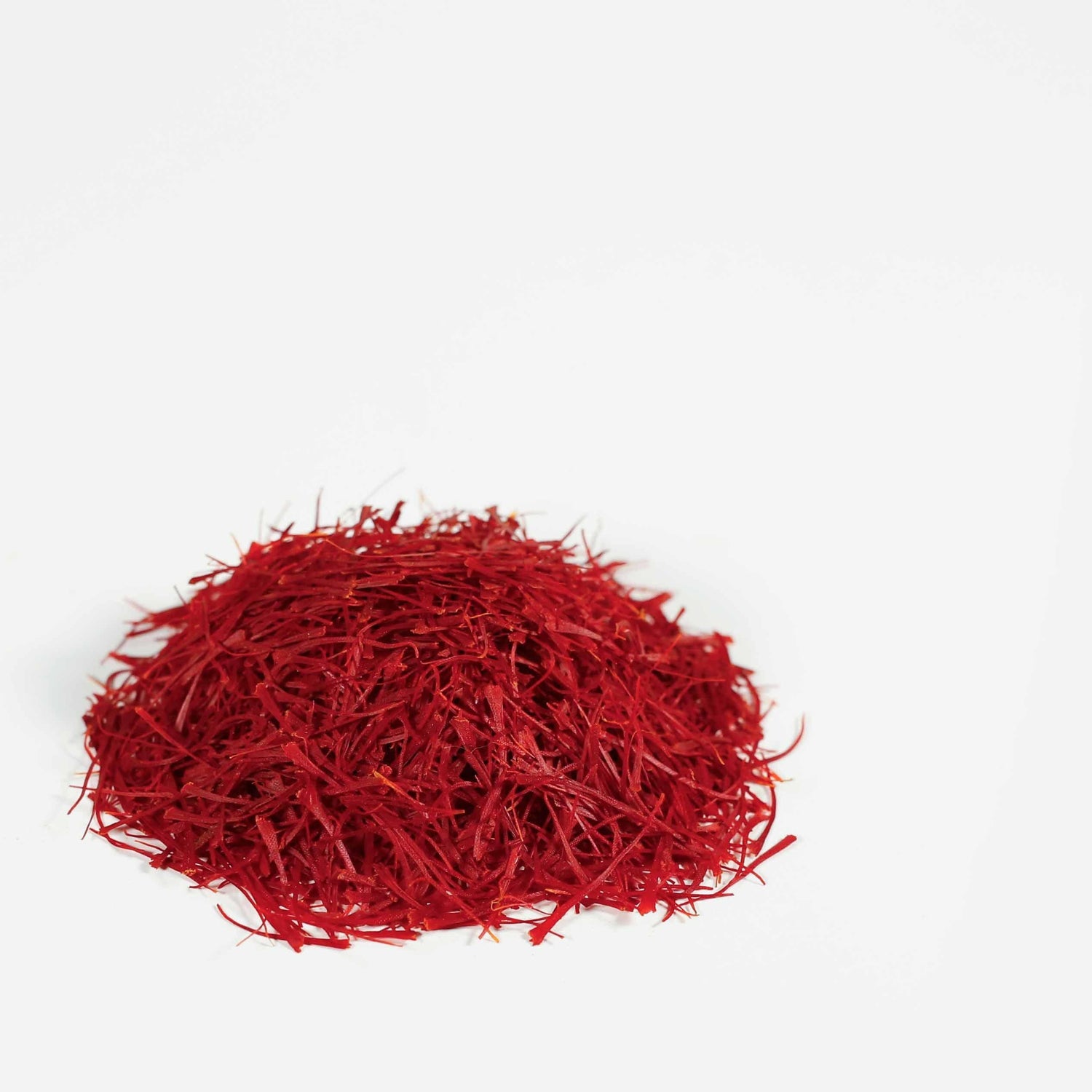
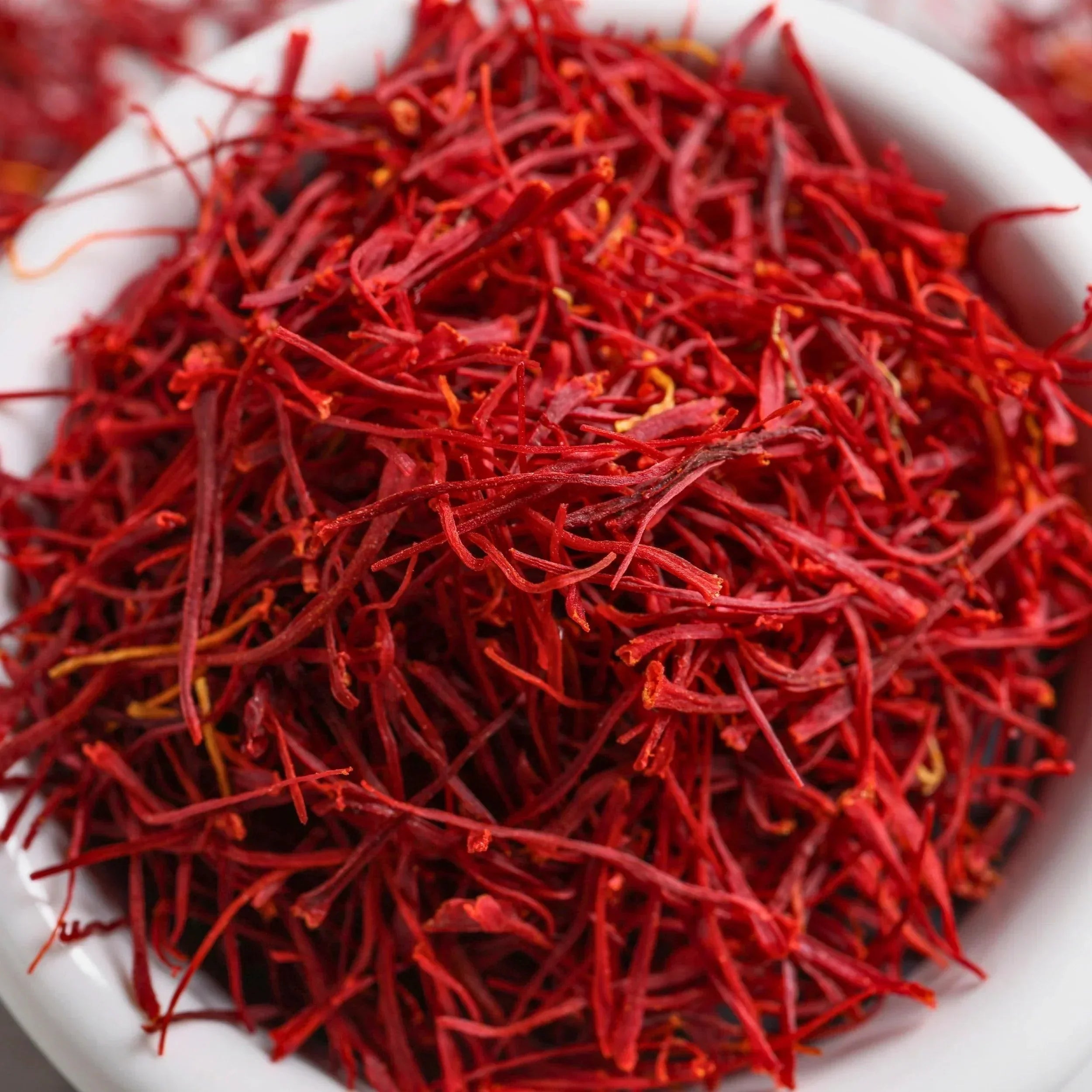
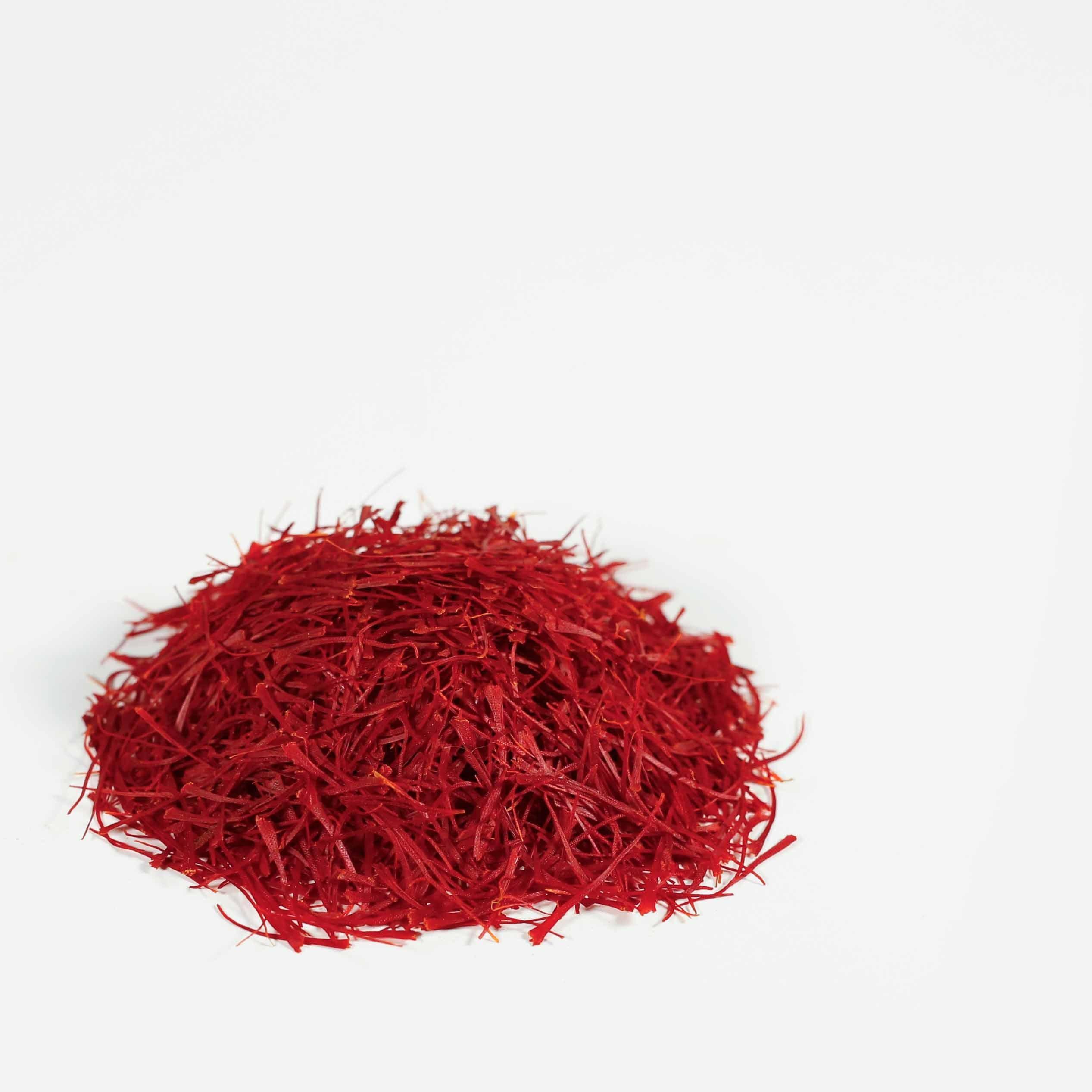
Each Crocus sativus flower produces three red stigmas, which are carefully removed and dried to become saffron threads. Once flowering begins, growers must follow the plant's natural timing, collecting the flowers and separating the stigmas for drying.
This is the beginning of saffron harvesting and processing, which turns the delicate stigmas into the saffron threads used in cooking.
We don't need to go much further into the length or intensity of the harvest here, because that deserves its own discussion of saffron's short flowering period.
What Happens After Saffron Flowers?
Flowering isn't the end of saffron's annual growth.
After the autumn flowering and harvest, the plant's narrow green leaves continue growing through winter while new corms develop underground.
As spring progresses, the foliage begins to die back. By summer, the above-ground growth has disappeared, and the plant returns to dormancy while flower development for the next season occurs inside the corm.
The seasonal pattern can be summarised as:
Summer dormancy and flower development → autumn flowering and harvest → winter leaf growth → spring die-back → summer dormancy.
Then, as the next flowering season approaches, the pattern begins again.
So while many familiar garden crocuses signal that spring is approaching, saffron follows a very different seasonal rhythm. Its purple flowers arrive in autumn — the visible result of development that began inside the corm long before the first bloom appeared above the soil.
Frequently Asked Questions
What month does saffron bloom?
In many Northern Hemisphere saffron-growing regions, saffron generally blooms in autumn, often during October and November. The exact month can vary depending on local climate, location and growing conditions.
Does saffron bloom every year?
Yes. Crocus sativus is a perennial plant that follows an annual pattern of growth, flowering and dormancy. Healthy corms can produce flowers again in subsequent growing seasons, although flowering performance can vary with the condition of the corms and their growing environment.
Does saffron flower before its leaves appear?
Saffron flowers and leaves can emerge around the same general period, and their exact sequence can vary with growing conditions. The important distinction is that flower development begins inside the corm before the flowers become visible above ground.
How long does the saffron flowering season last?
Saffron has a relatively short flowering period, but its exact duration varies with climate, location and growing conditions.
Sources
Cardone L, Castronuovo D, Perniola M, Cicco N, Candido V. Saffron (Crocus sativus L.), the king of spices: An overview. Scientia Horticulturae. 2020.
DOI: 10.1016/j.scienta.2020.109560
Molina RV, Valero M, Navarro Y, Guardiola JL, García-Luis A. Temperature effects on flower formation in saffron (Crocus sativus L.). Scientia Horticulturae. 2005;103(3):361–379.
DOI: 10.1016/j.scienta.2004.06.005