
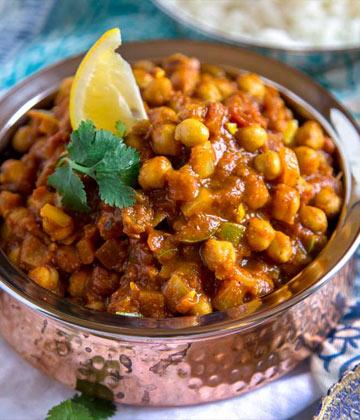
Warm, comforting, and packed with vegetables, this chickpea curry with saffron makes an easy one-pot meal for lunch or dinner. Chickpeas, coconut milk, tomatoes, and colourful vegetables simmer together in a gently spiced sauce that's both satisfying and simple to prepare.
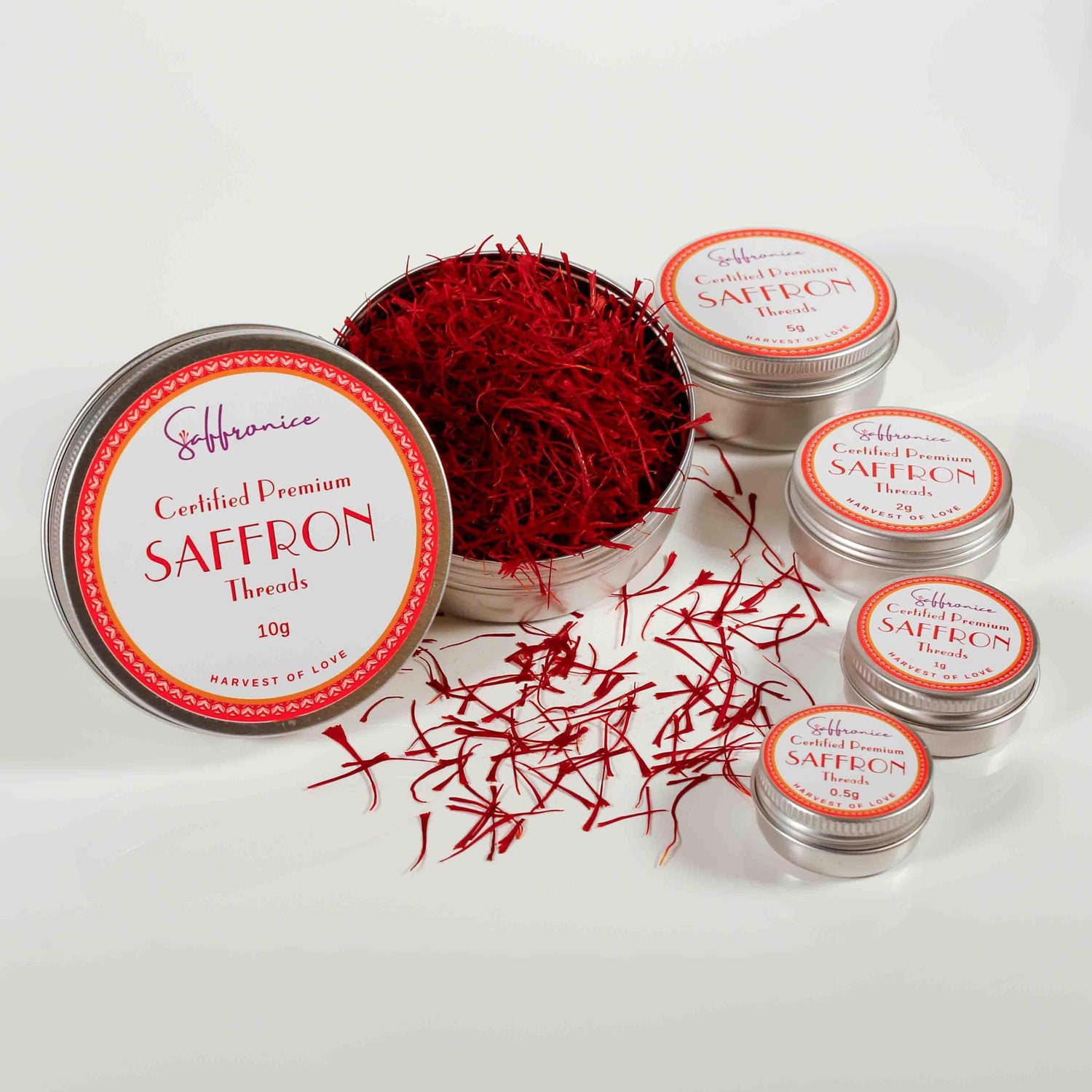
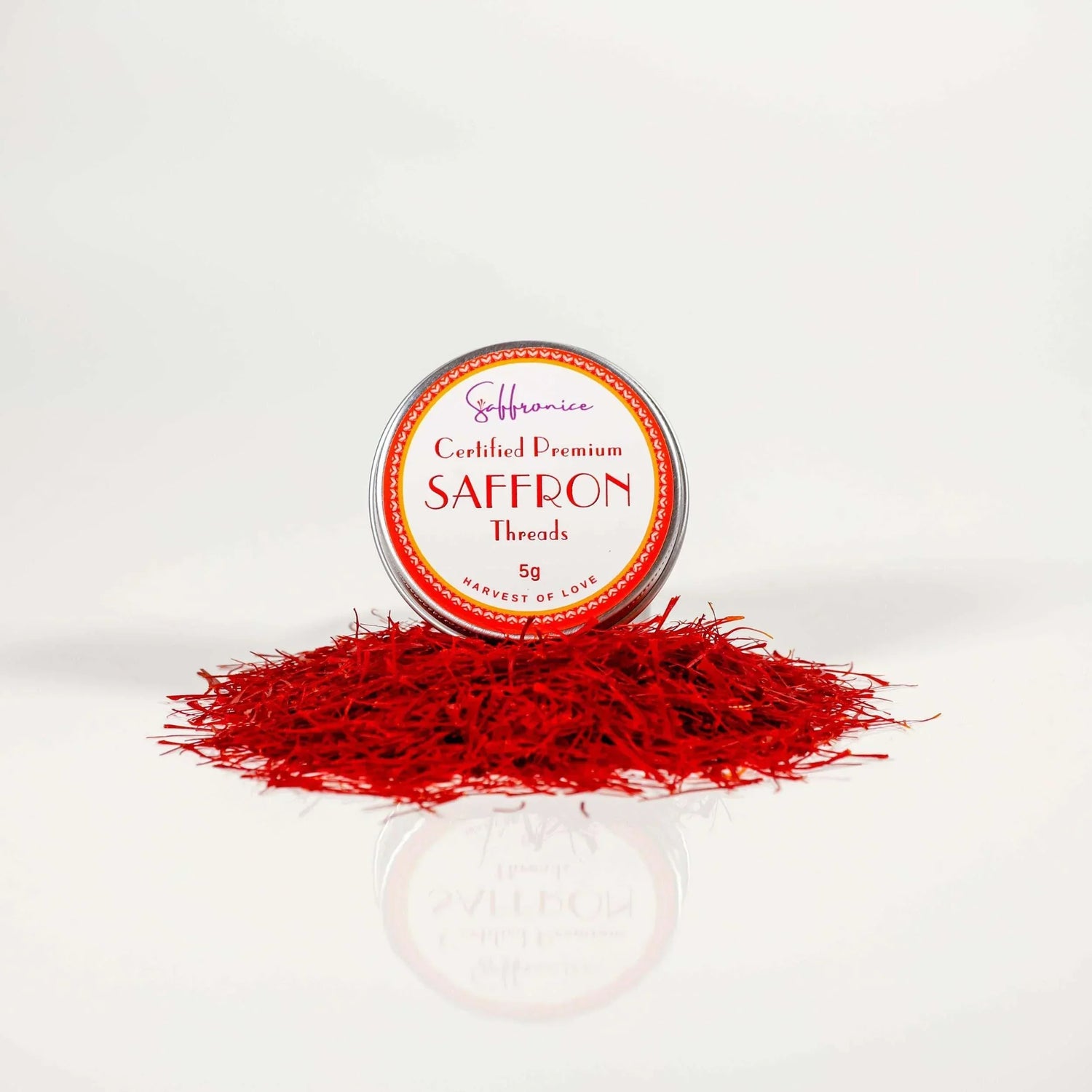
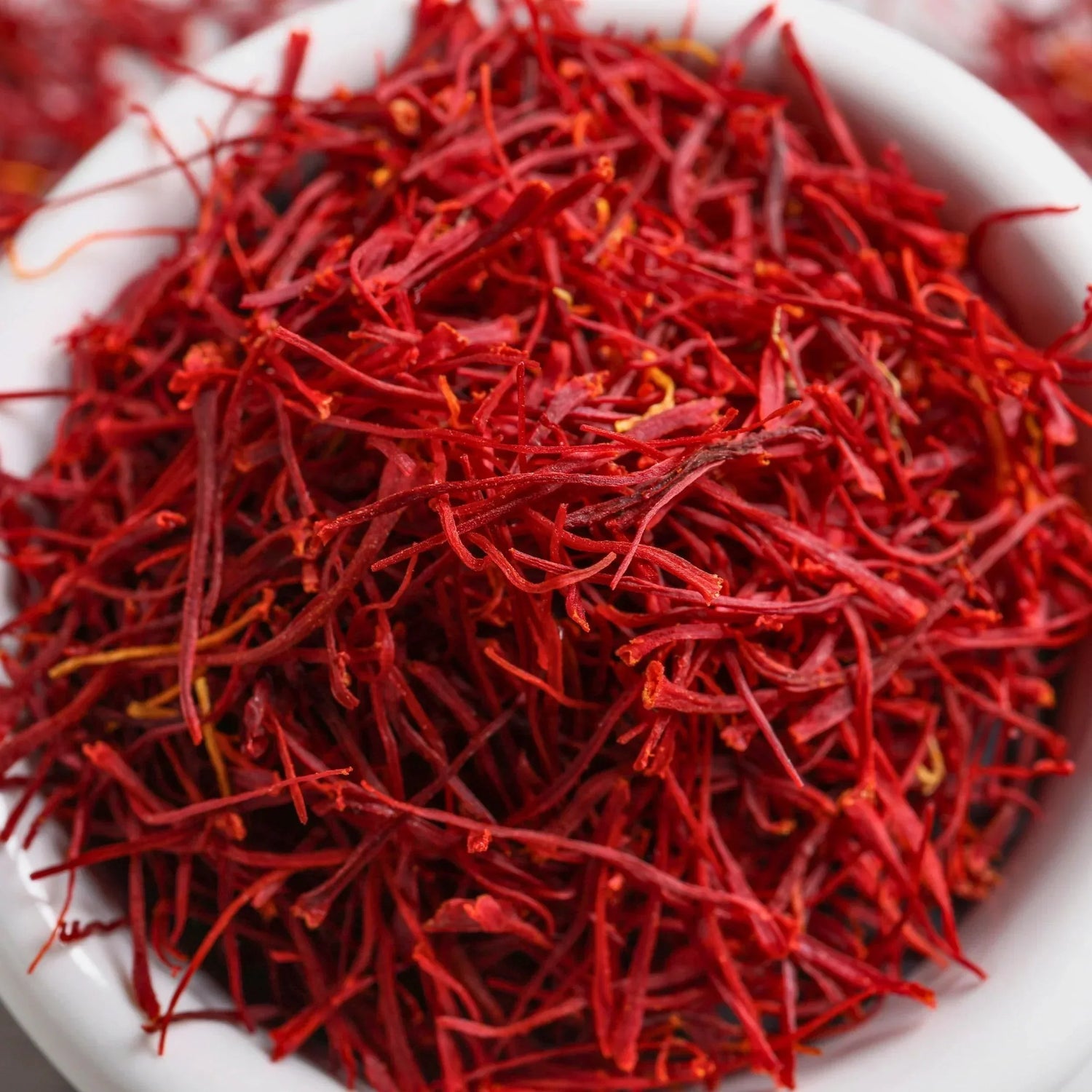
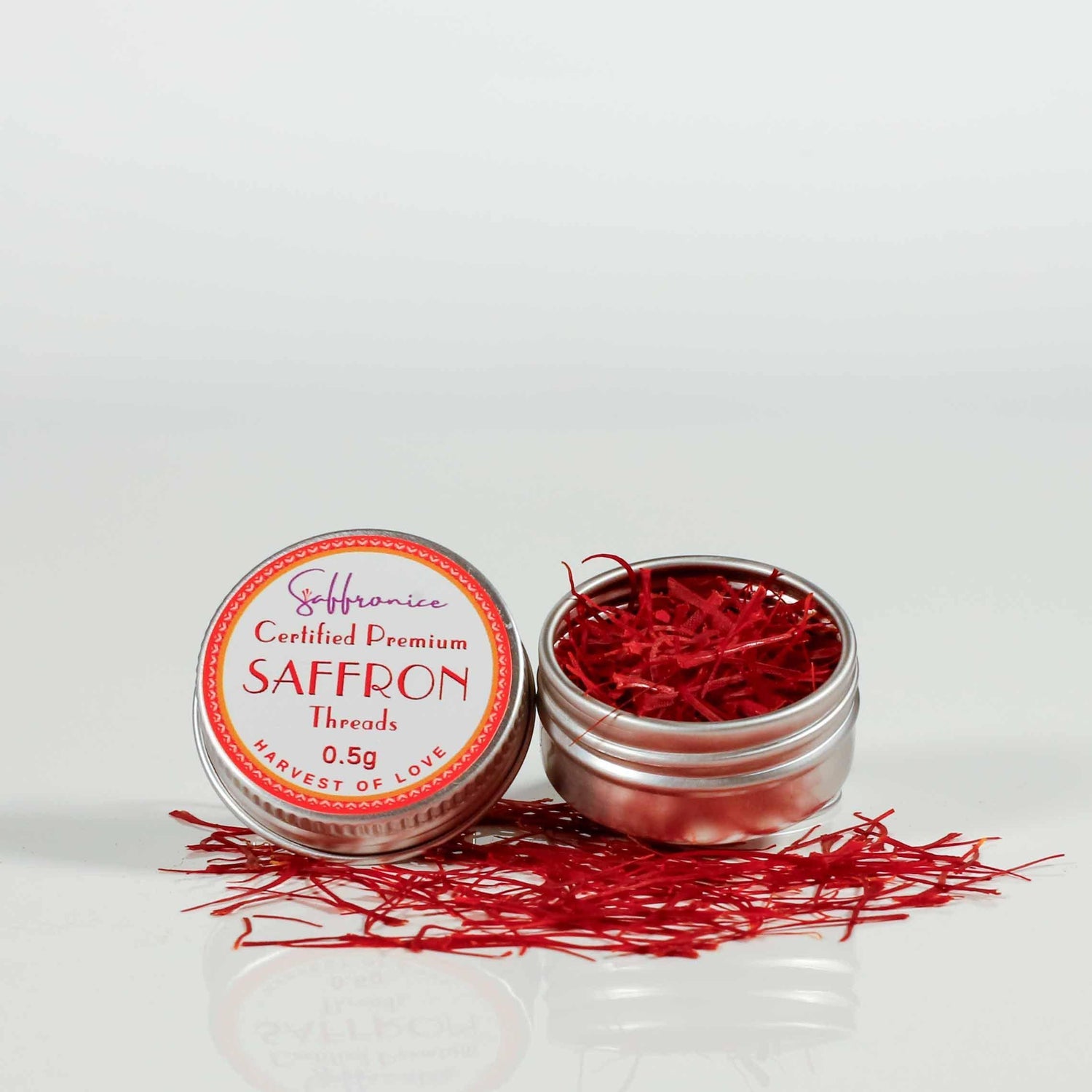
Saffron powder adds a delicate aromatic element to the curry and mixes easily into the spices. Serve it on its own or pair it with fluffy rice or warm naan for a heartier meal.
Why You'll Love This Recipe

This chickpea curry is ideal when you want a comforting meal without spending hours in the kitchen. Everything cooks in one pot, and the combination of chickpeas, vegetables, tomatoes, and coconut milk creates a rich and satisfying sauce.
It's also flexible enough for everyday cooking. You can serve it as a complete vegetable-based meal or add rice or naan on the side. The mix of carrots, mushrooms, capsicum, and broccoli adds plenty of texture, while saffron gives the curry another aromatic layer.
Why Chickpeas Work So Well in Curry
Chickpeas have a mild, nutty flavour and firm texture that work particularly well in rich curry sauces. They absorb the surrounding spices while still holding their shape during simmering.
Canned chickpeas also make this recipe especially convenient. Simply drain and rinse them before adding them to the curry; there's no overnight soaking or lengthy cooking required.
Combined with coconut milk and tomatoes, they create a substantial one-pot dish without requiring meat.
Recipe Snapshot
|
Prep Time |
15 minutes |
|
Cook Time |
25–30 minutes |
|
Total Time |
40–45 minutes |
|
Servings |
4–6 |
|
Course |
Main Course |
|
Difficulty |
Easy |
|
Cooking Method |
Stovetop / One Pot |
Ingredients

- 2 tablespoons (30 ml) cooking oil, coconut oil or your preferred cooking oil
- 1 white onion (about 150 g), diced
- 4 garlic cloves (about 12 g), finely chopped
- 2 tablespoons curry powder
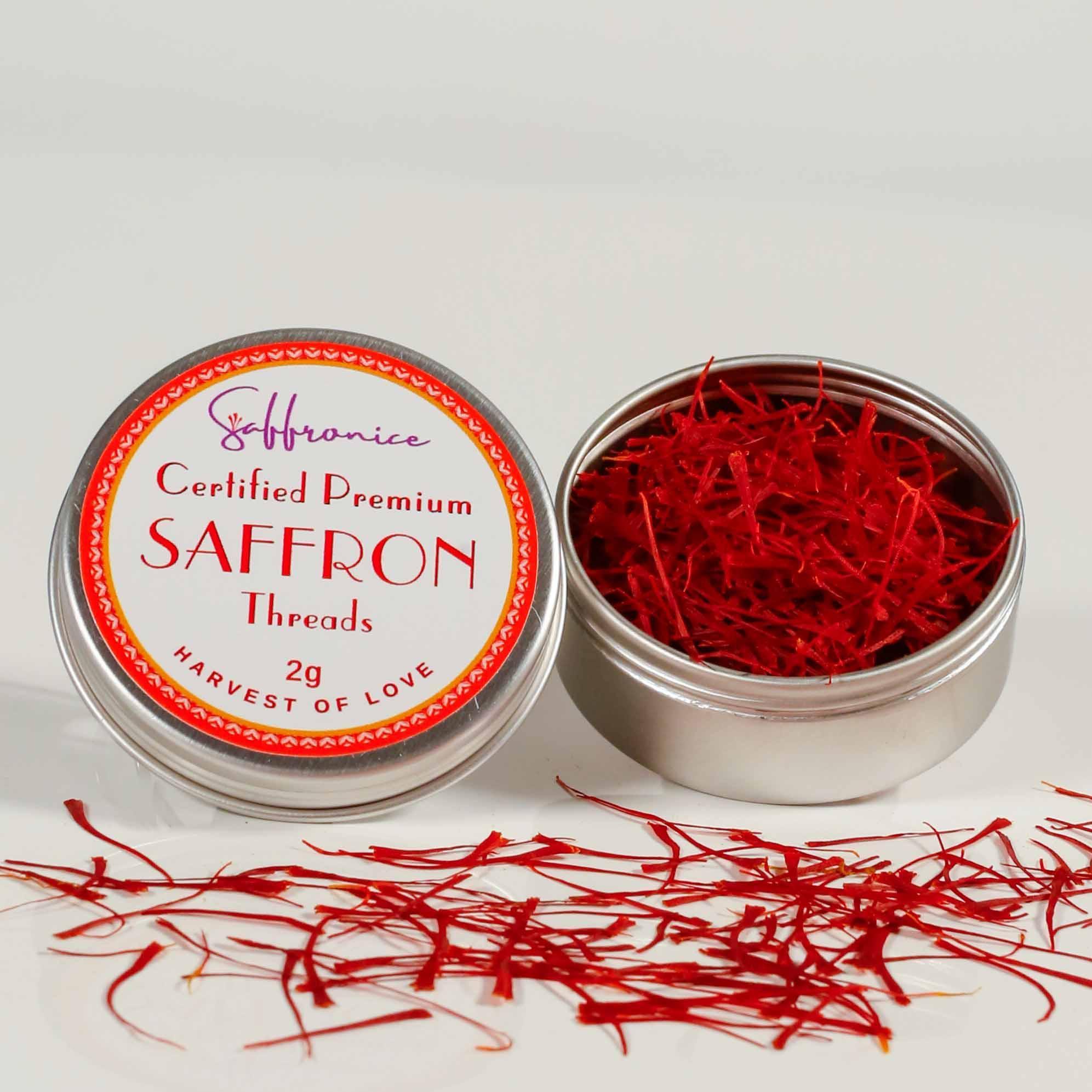
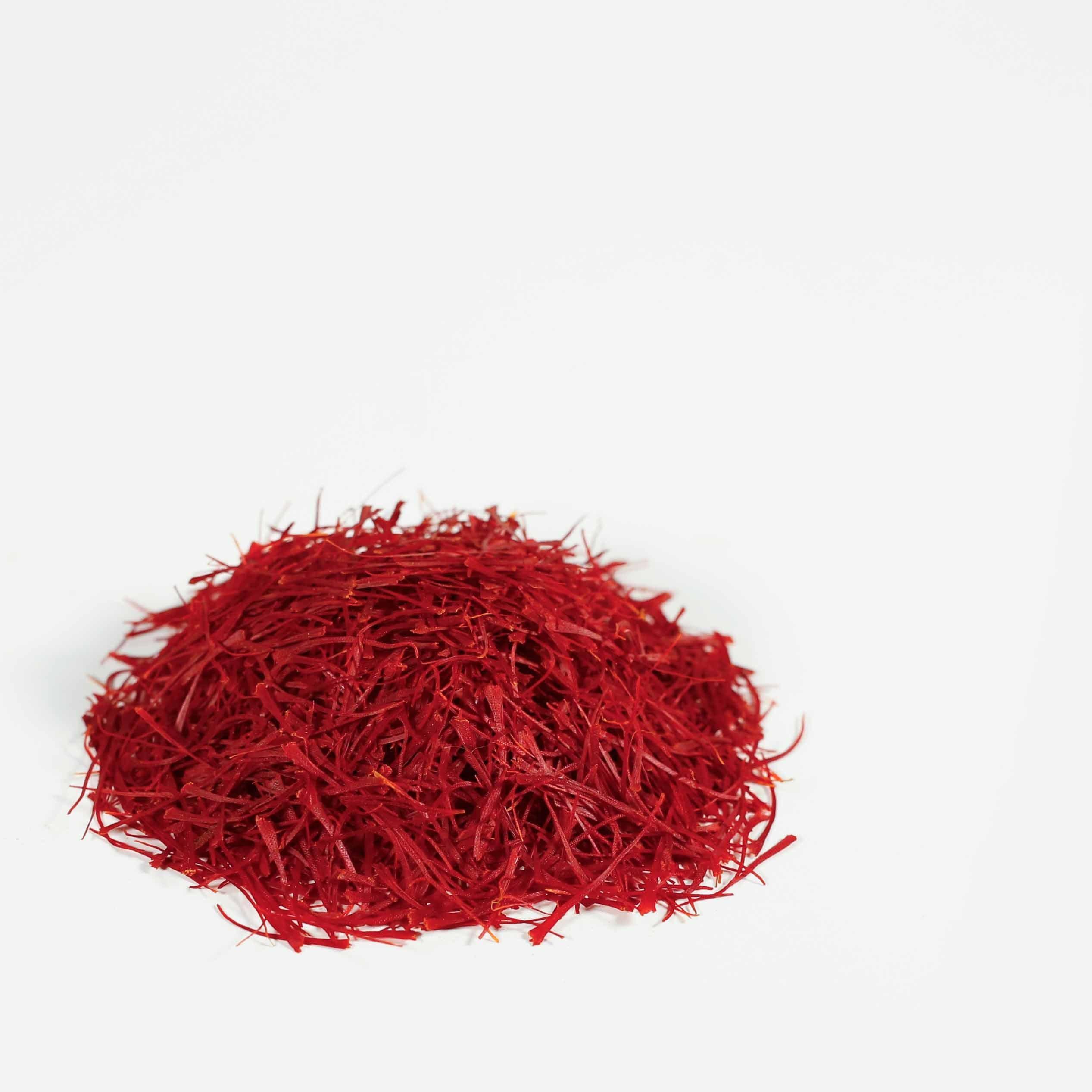
- ¼ teaspoon Saffronice Saffron Powder
- 1 large carrot (about 150 g), diced
- ½ cup (about 50 g) mushrooms, diced
- 1 red capsicum (bell pepper, about 150 g), diced
- ½ head broccoli (about 200 g), cut into small florets
- 1 can chickpeas (about 400 g / 14 oz), drained and rinsed
- 1 can diced tomatoes (about 400 g / 14 oz)
- 1 can coconut milk (about 400 ml / 13.5 fl oz)
- 1 cup (250 ml) water
- Sea salt and black pepper, to taste
- A handful (about 10 g) fresh coriander (cilantro), for serving
Equipment
- Large casserole dish or Dutch oven
- Cutting board
- Sharp knife
- Wooden spoon
Let's Start Cooking
Step 1 – Prepare the Ingredients

Drain and rinse the chickpeas.
Dice the onion, carrot, mushrooms, and red capsicum. Chop the garlic and cut the broccoli into small florets so everything is ready before you begin cooking.
Step 2 – Cook the Onion & Garlic
Heat 2 tablespoons cooking oil in a large casserole dish or Dutch oven over medium heat.
Add the diced onion and cook gently until softened and lightly golden.
Add the chopped garlic and cook briefly until fragrant, taking care not to let it burn.
Step 3 – Add the Curry Powder & Saffron

Add 2 tablespoons curry powder and ¼ teaspoon Saffronice Saffron Powder to the onion and garlic.
Stir continuously for about 30 seconds so the spices combine with the oil and become fragrant.
Step 4 – Add the Vegetables
Reduce the heat slightly, then add the carrot, mushrooms, red capsicum, and broccoli.
Stir everything together so the vegetables are lightly coated in the curry and saffron mixture.
Step 5 – Add the Chickpeas & Liquids
Add the drained chickpeas, diced tomatoes, coconut milk, and 1 cup water.
Stir thoroughly until everything is evenly combined.
Season with sea salt and black pepper to taste.
Step 6 – Simmer the Curry
Bring the curry to a gentle simmer, then reduce the heat to low.
Cook uncovered for approximately 20–25 minutes, stirring occasionally, until the vegetables are tender and the sauce has thickened slightly.
If the curry becomes thicker than you prefer, add a small splash of water. If it's too thin, allow it to simmer for a little longer.
Step 7 – Garnish & Serve

Taste and adjust the salt and pepper if necessary.
Spoon the hot chickpea curry into serving bowls and finish with fresh coriander (cilantro).
Serve on its own or alongside steamed jasmine or basmati rice, warm naan, or flatbread.
Tips for a Better Chickpea Curry

A good curry doesn't need to be complicated, but a few small techniques can improve the final result.
Cook the onion first. Give the onion enough time to soften before adding the garlic and spices. This creates a better flavour base for the curry.
Briefly cook the spices in oil. Stirring the curry powder and Saffron Powder into the onion mixture before adding the liquids helps distribute their flavour throughout the curry.
Cut the vegetables evenly. Similar-sized pieces will cook more consistently, so you don't end up with very soft broccoli and undercooked carrots.
Simmer uncovered. Leaving the pot uncovered allows some of the excess liquid to evaporate and helps the coconut and tomato sauce thicken naturally.
Adjust the consistency at the end. Curry thickness is largely personal preference. Add a little water for a looser sauce or simmer for longer if you prefer it thicker.
Easy Ways to Make It Your Own
One of the advantages of a vegetable curry is that you can adapt it according to what you have available.
If you don't have broccoli, try cauliflower or green beans. Zucchini (courgette), spinach, peas, pumpkin, or sweet potato can also work well, although cooking times may need to be adjusted.
For a spicier curry, choose a hotter curry powder or add a small amount of chilli. If you prefer mild flavours, use a mild curry powder and let the coconut milk keep the sauce creamy.
You can also adjust the ratio of chickpeas to vegetables depending on whether you want a more substantial legume-based curry or a vegetable-heavy meal.
What to Serve with Chickpea Curry

This curry can be enjoyed on its own, but adding a simple side makes it even more satisfying.
Steamed jasmine or basmati rice is an easy choice because it absorbs the coconut and tomato sauce. Warm naan or flatbread is another good option for scooping up the chickpeas and vegetables.
For something fresh, serve cucumber, tomato, or a simple green salad alongside the curry. A spoonful of plain yoghurt can also provide a cool contrast if you're using a hotter curry powder.
Fresh coriander and a squeeze of lemon or lime can be added just before serving for a brighter finish.
Storage & Reheating
Allow leftover curry to cool slightly, then transfer it to an airtight container and refrigerate within 2 hours.
Store in the refrigerator for up to 3 days.
Reheat gently on the stovetop over medium-low heat, stirring occasionally until steaming hot throughout. Add a small splash of water if the sauce has thickened considerably in the refrigerator.
You can also reheat individual portions in the microwave, stirring partway through so the curry heats evenly.
More Indian-Inspired & Saffron Recipes
Enjoy the warm spices in this chickpea curry? Here are a few more Indian-inspired dishes and saffron recipes to explore.

- Chicken Biryani - For another Indian-inspired dish, try this fragrant chicken biryani featuring seasoned chicken, aromatic rice, spices, and saffron. Its aromatic spices and saffron make it a natural next recipe for anyone looking for a hearty rice-based main.
- Rice Kheer - Finish your meal with Rice Kheer, a traditional Indian-style rice pudding flavoured with saffron. Its creamy sweetness makes it a much more natural dessert link from a chickpea curry article.
- Prawn Biriyani - If you enjoy aromatic Indian spices but prefer seafood, this prawn biriyani combines prawns, fragrant spices, rice, and saffron in a hearty main dish.
An Easy One-Pot Curry
This chickpea curry with saffron brings together tender chickpeas, colourful vegetables, coconut milk, warm spices, and saffron powder in one comforting dish.
Serve it on its own or with fluffy rice and warm naan for an easy, satisfying meal.
Frequently Asked Questions
Can I use canned chickpeas for curry?
Yes. Canned chickpeas make this recipe quick and convenient. Drain and rinse them thoroughly before adding them to the pot.
Can I use different vegetables?
Yes. This curry is easy to adapt. Cauliflower, zucchini (courgette), peas, spinach, pumpkin, sweet potato, or green beans can all be used depending on what you have available.
Keep in mind that harder vegetables need longer to cook than leafy greens or peas.
Can I make chickpea curry without coconut milk?
You can make chickpea curry without coconut milk, but it will change the flavour and consistency of this particular recipe. The coconut milk provides much of the creamy texture of the sauce.
Is chickpea curry good with rice?
Yes. Jasmine or basmati rice works particularly well because the grains absorb the coconut and tomato-based curry sauce.
Can I make this curry ahead?
Yes. The curry can be cooked ahead, refrigerated, and gently reheated before serving. Add the fresh coriander after reheating for the freshest flavour.