
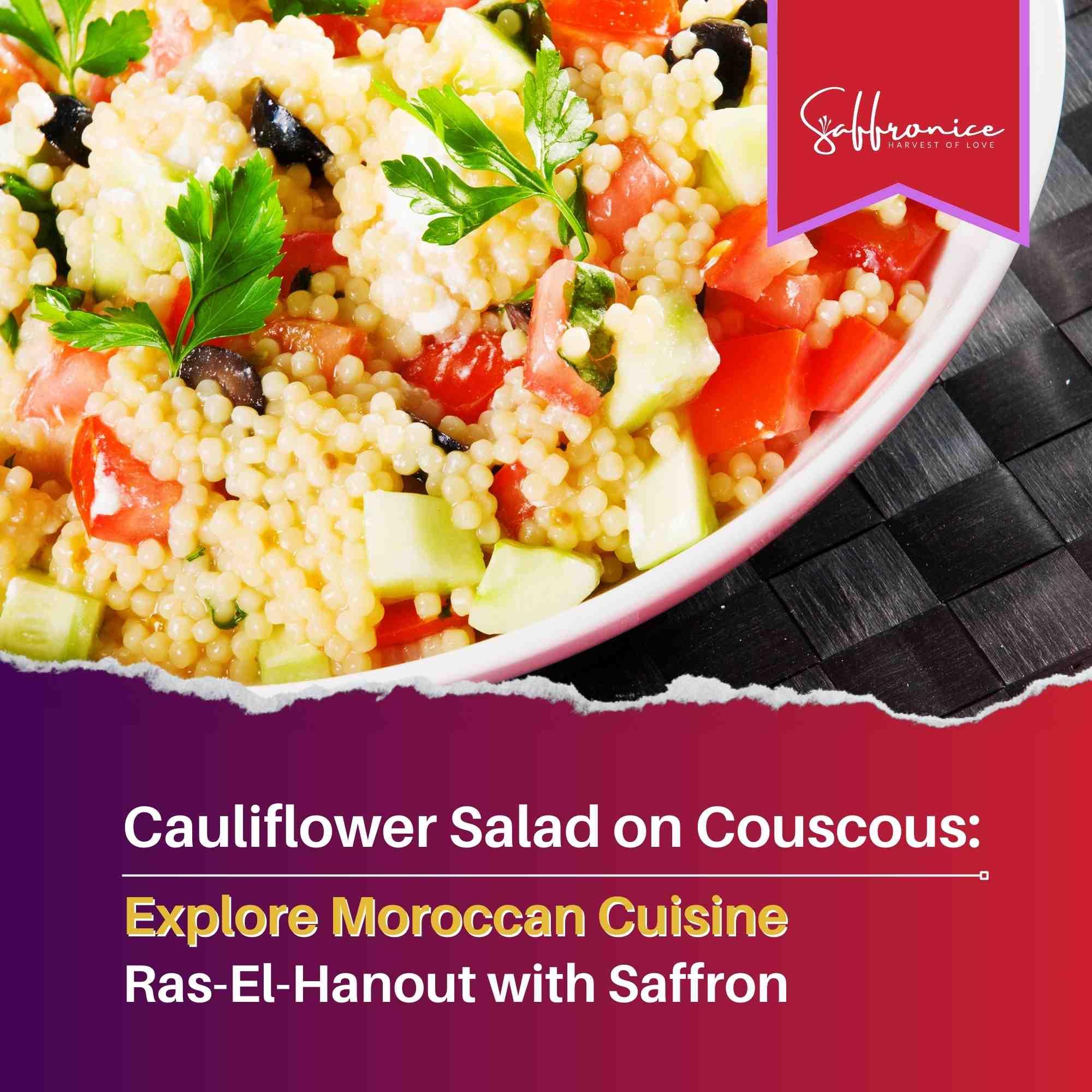
Moroccan cuisine is known for its warm spices, vibrant flavours, and comforting dishes. At the heart of many recipes is Ras El Hanout, a traditional Moroccan spice blend that adds depth to everything from tagines and couscous to roasted vegetables and grilled meats.
When paired with premium saffron, it creates an even richer flavour and beautiful golden colour. In this guide, you'll learn how to use Ras El Hanout, discover why it pairs so well with saffron, and try an easy Moroccan-inspired cauliflower couscous salad.
Why You'll Enjoy This Guide
Whether you're discovering Ras El Hanout for the first time or looking for new ways to enjoy Moroccan cooking, this guide will help you get started with confidence.
You'll learn what makes this traditional spice blend so unique, which foods it pairs best with, and how a small amount of saffron can elevate everyday meals. You'll also find a simple Moroccan-inspired recipe that's easy to prepare and full of flavour.
What Is Ras El Hanout?

Ras El Hanout is one of Morocco's most iconic spice blends. Its name translates to "head of the shop," referring to the finest blend a spice merchant can offer. Rather than following one fixed recipe, each family, region, or spice merchant often creates their own version, making every blend slightly different.
Most Moroccan spice blends contain warming spices such as cumin, coriander, cinnamon, ginger, paprika, turmeric, cardamom, cloves, and black pepper. Some also include nutmeg, allspice, or dried rose petals, creating a rich balance of earthy, sweet, and aromatic flavours.
Its versatility makes Ras El Hanout a pantry staple, pairing beautifully with vegetables, grains, seafood, poultry, and slow-cooked meats.
Why Cook with Ras El Hanout?
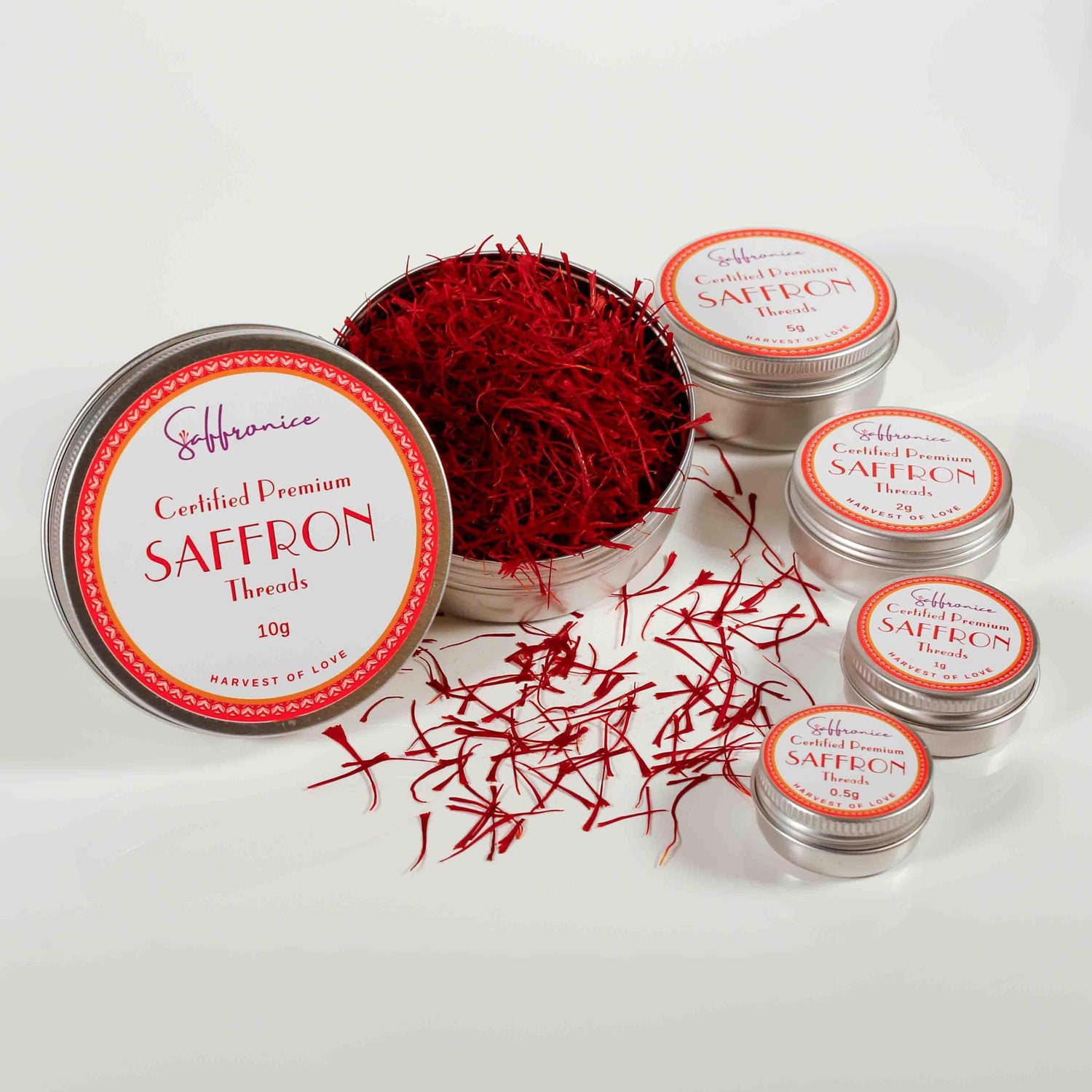
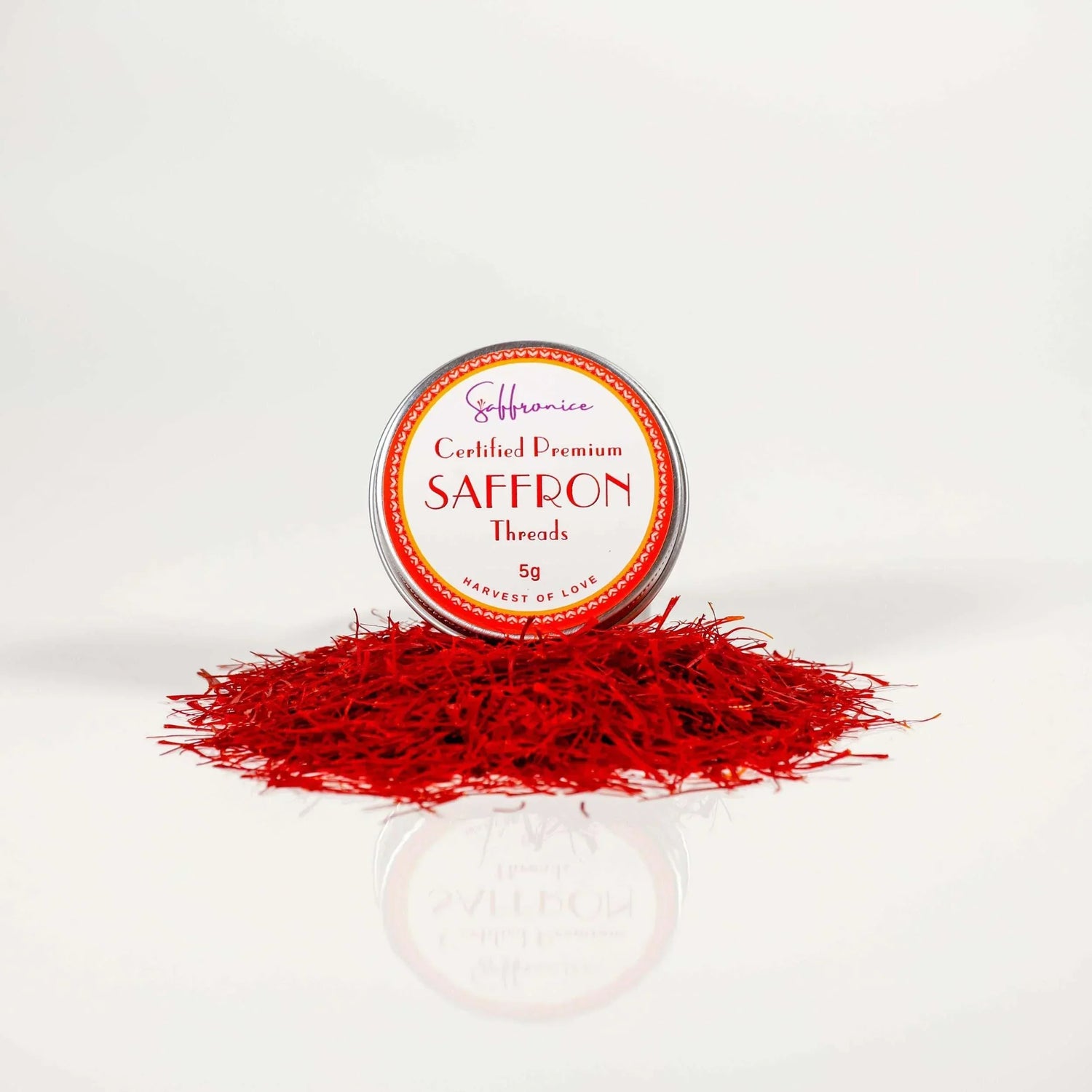
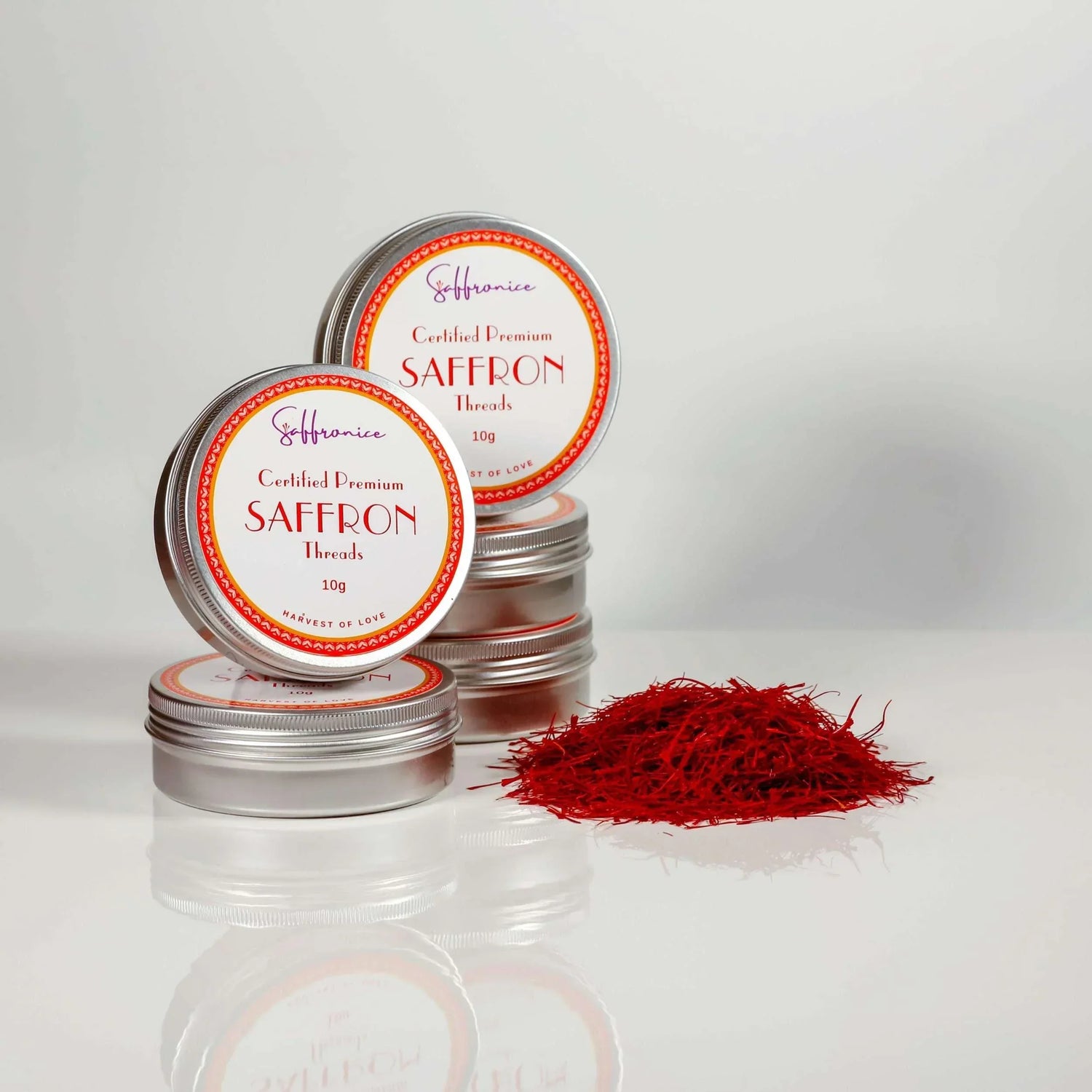
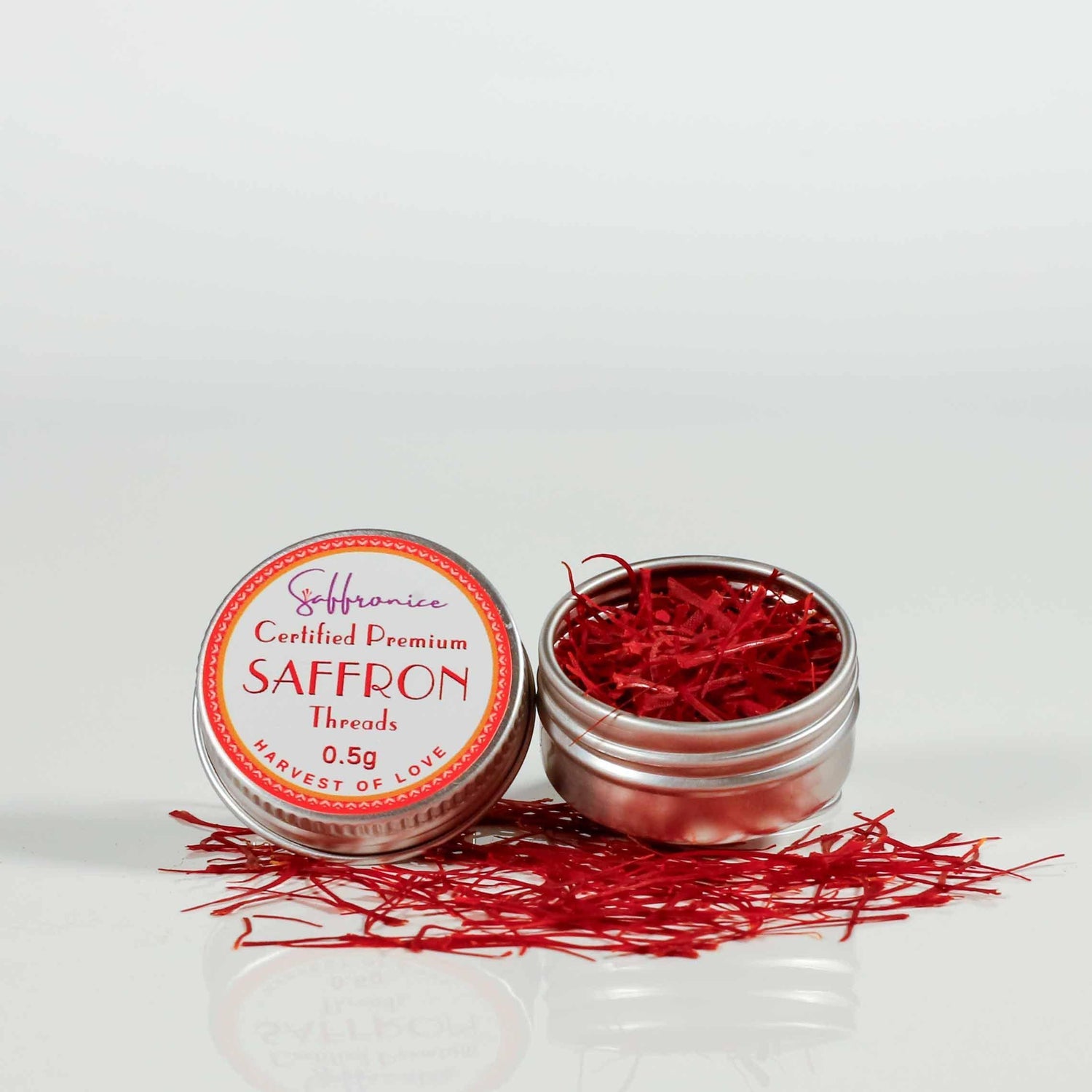
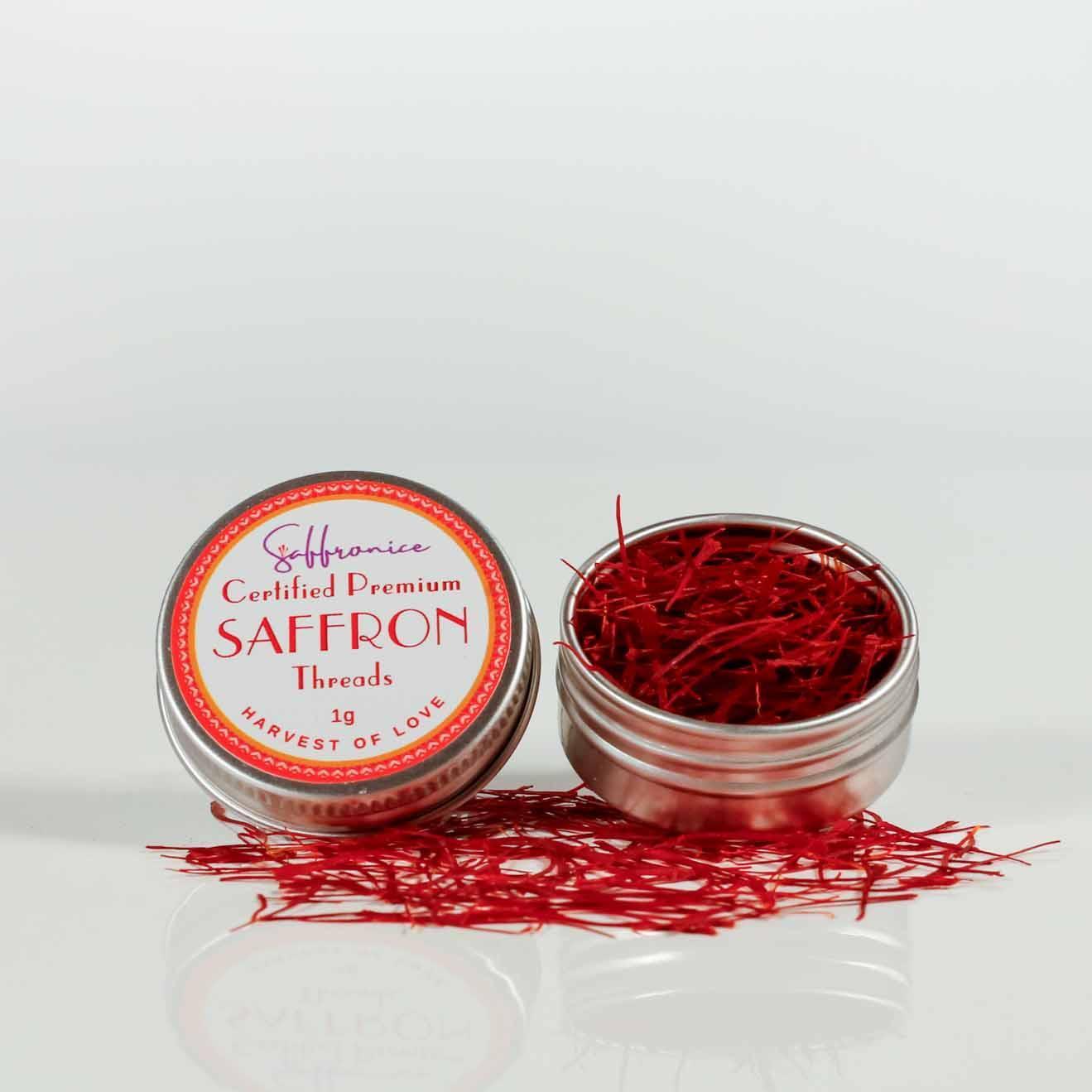
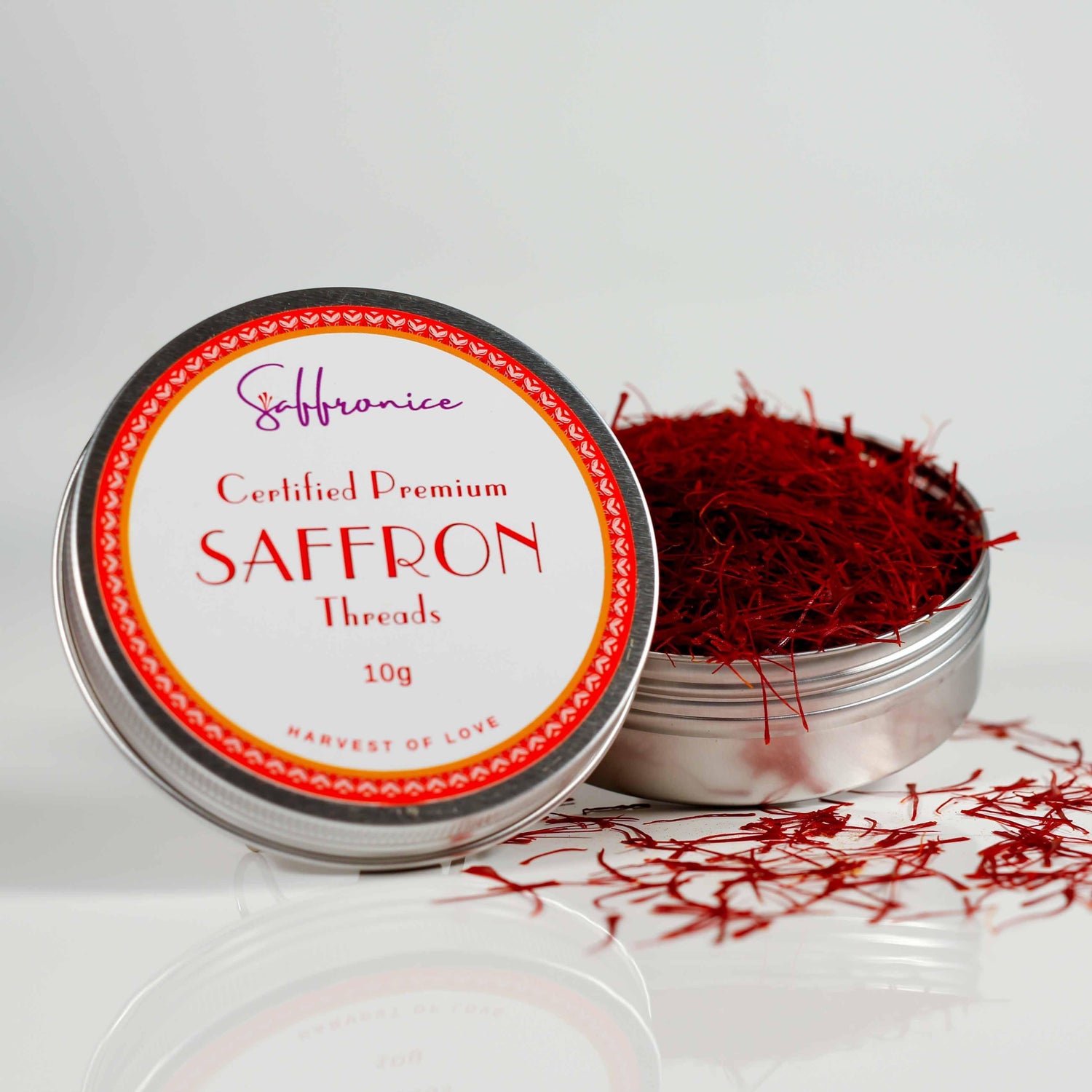
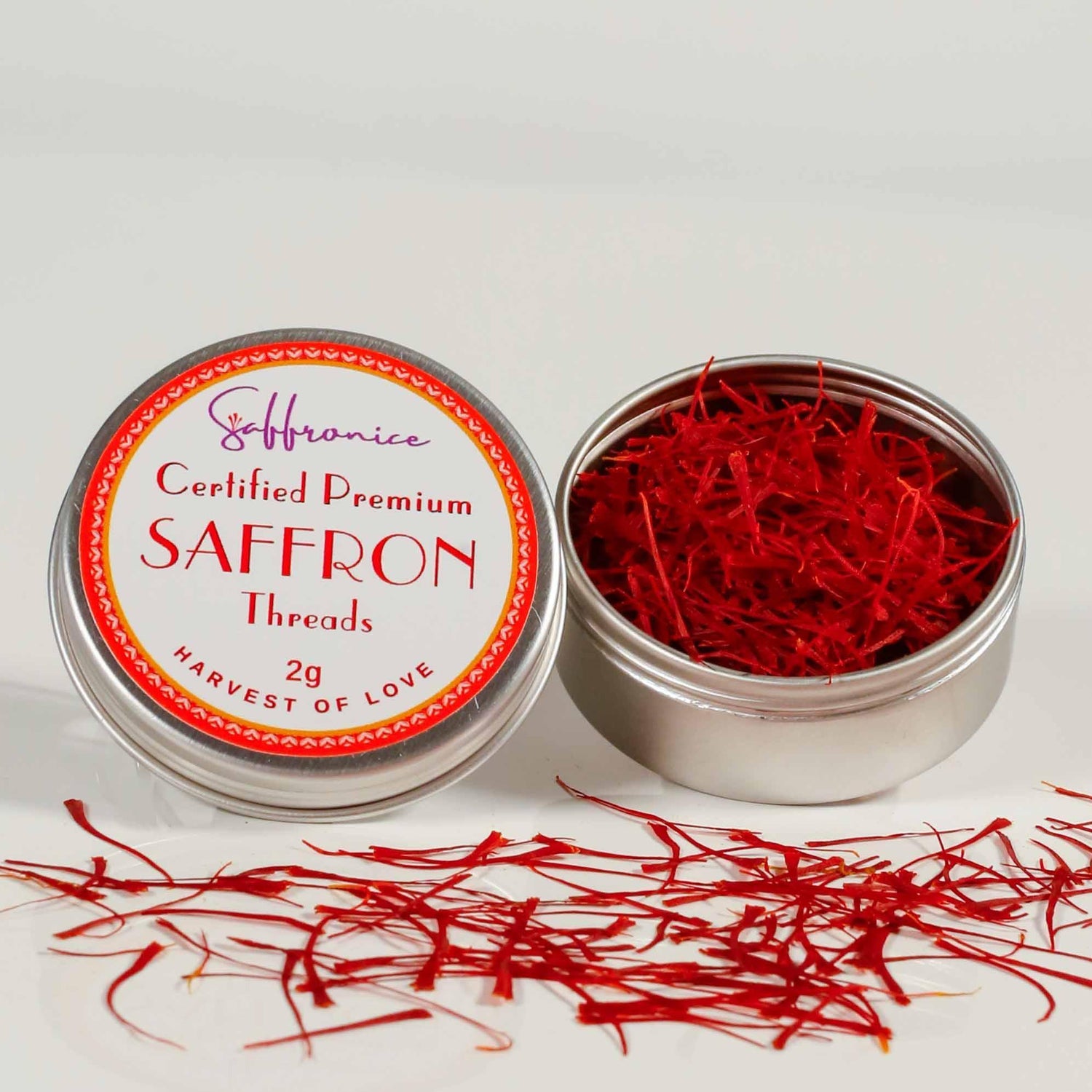
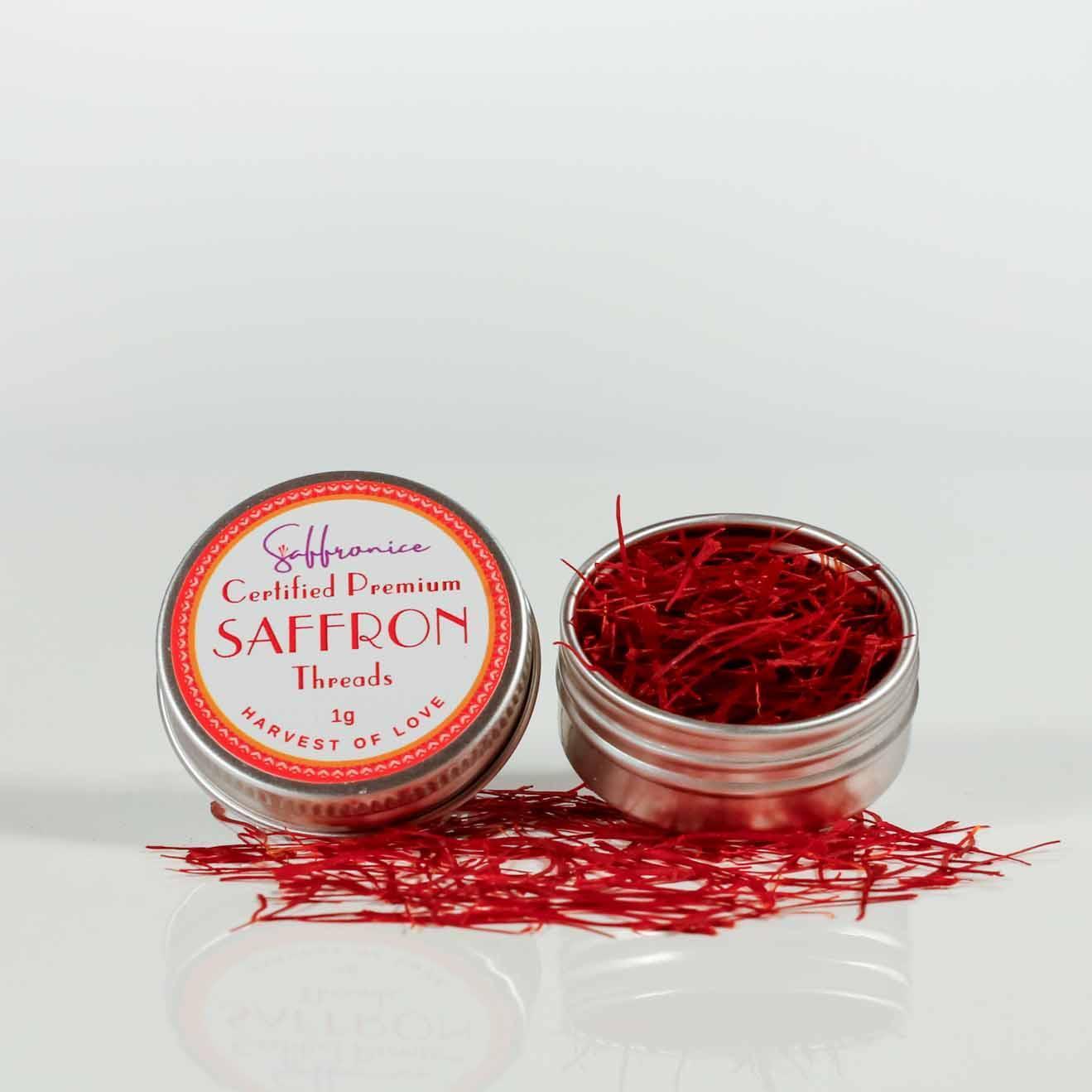
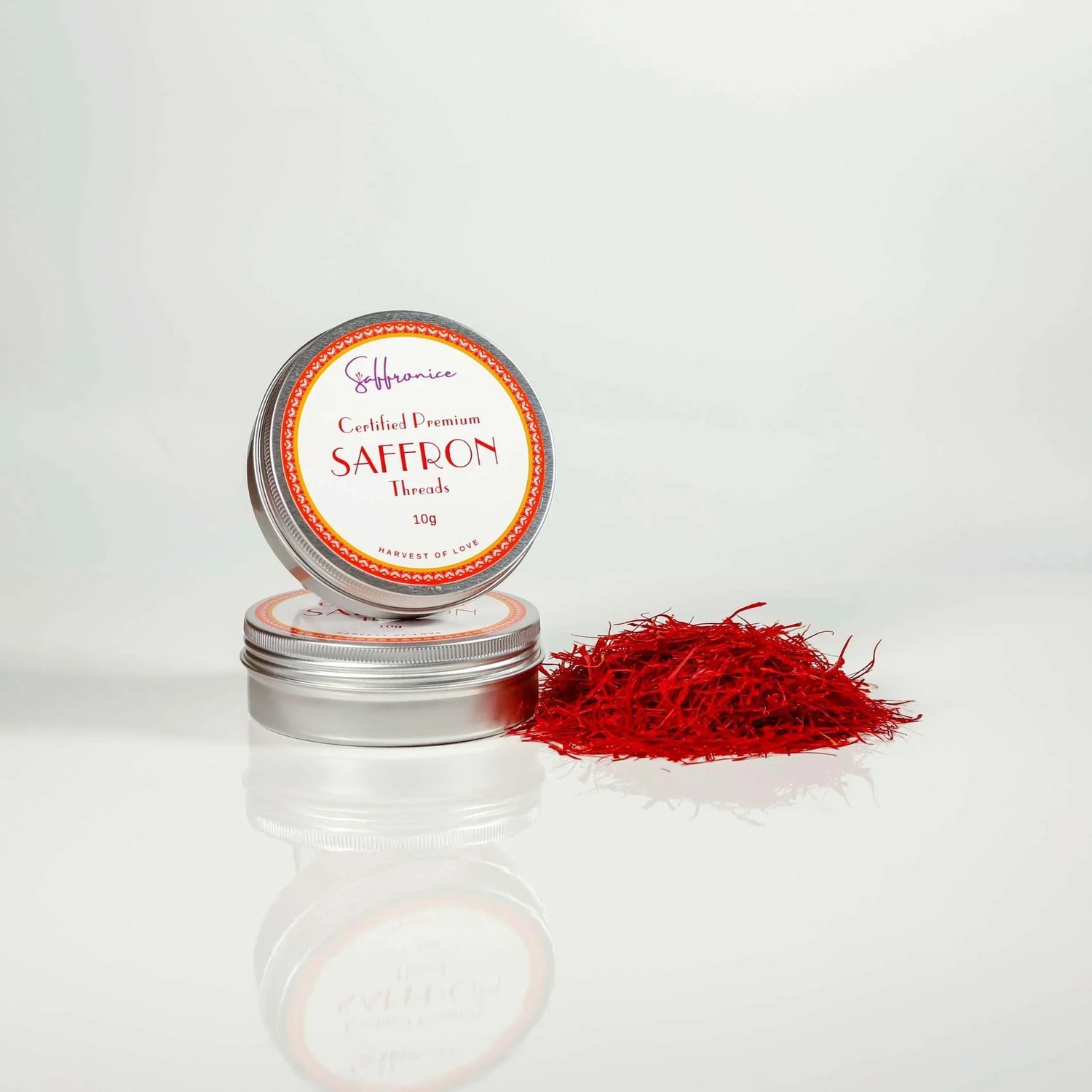
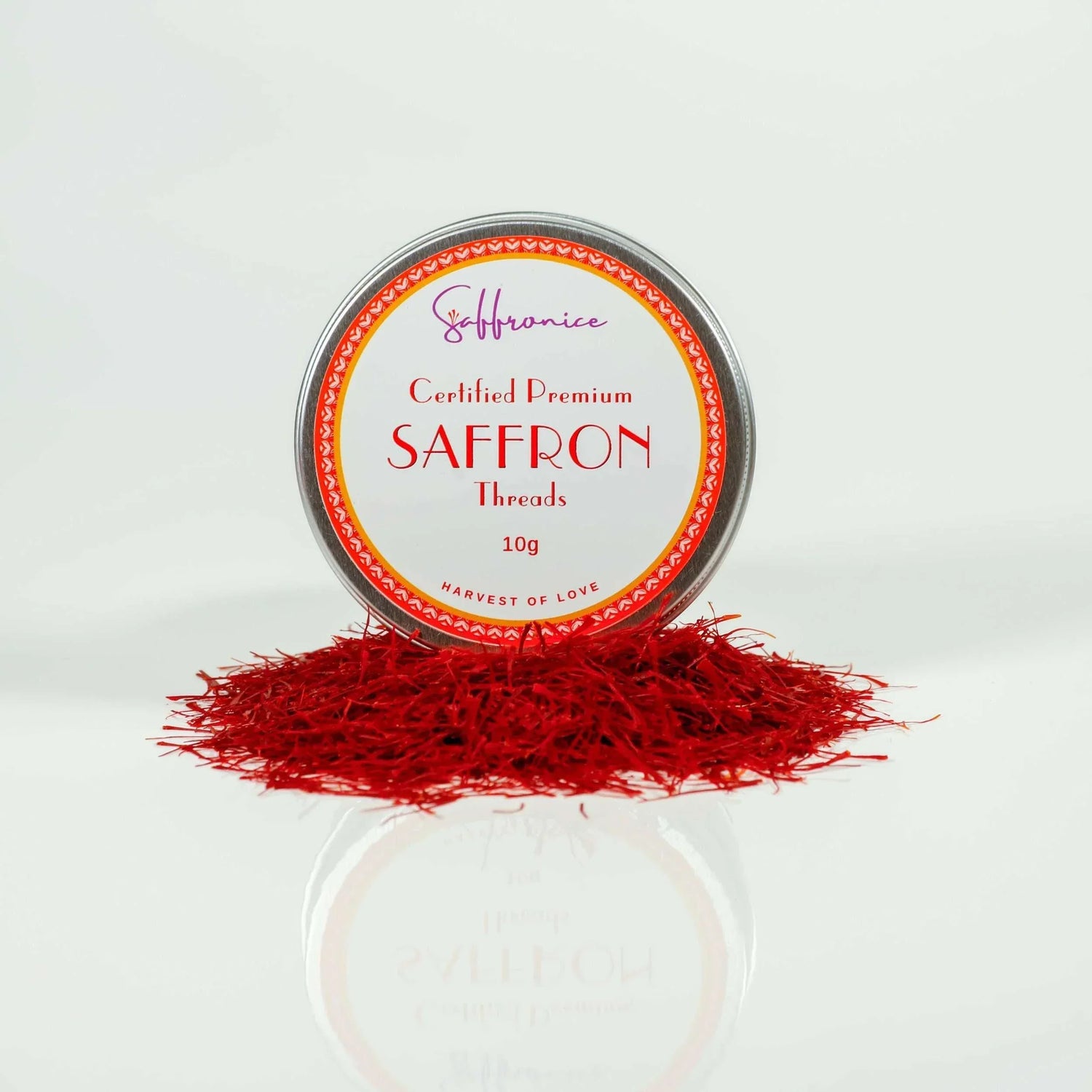
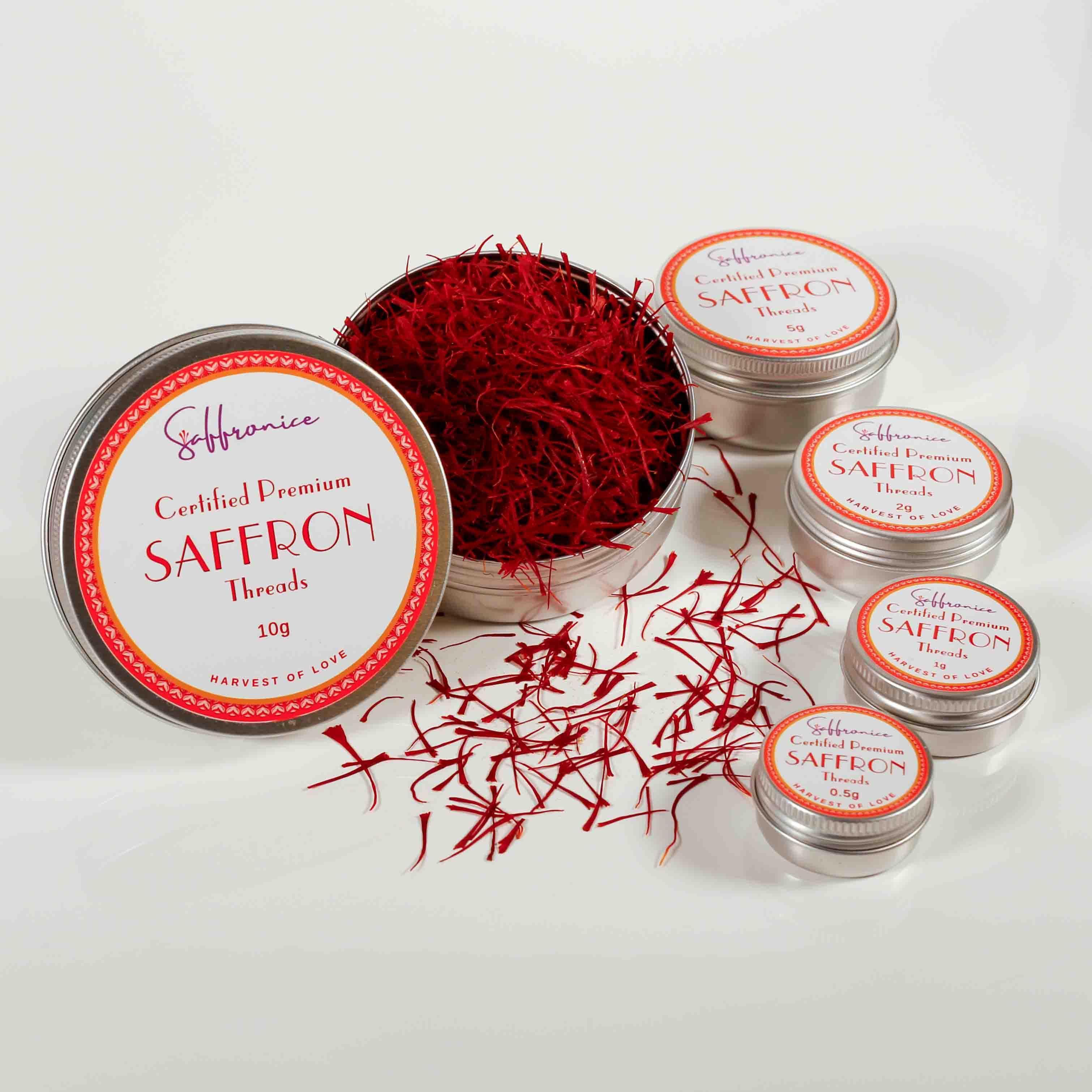
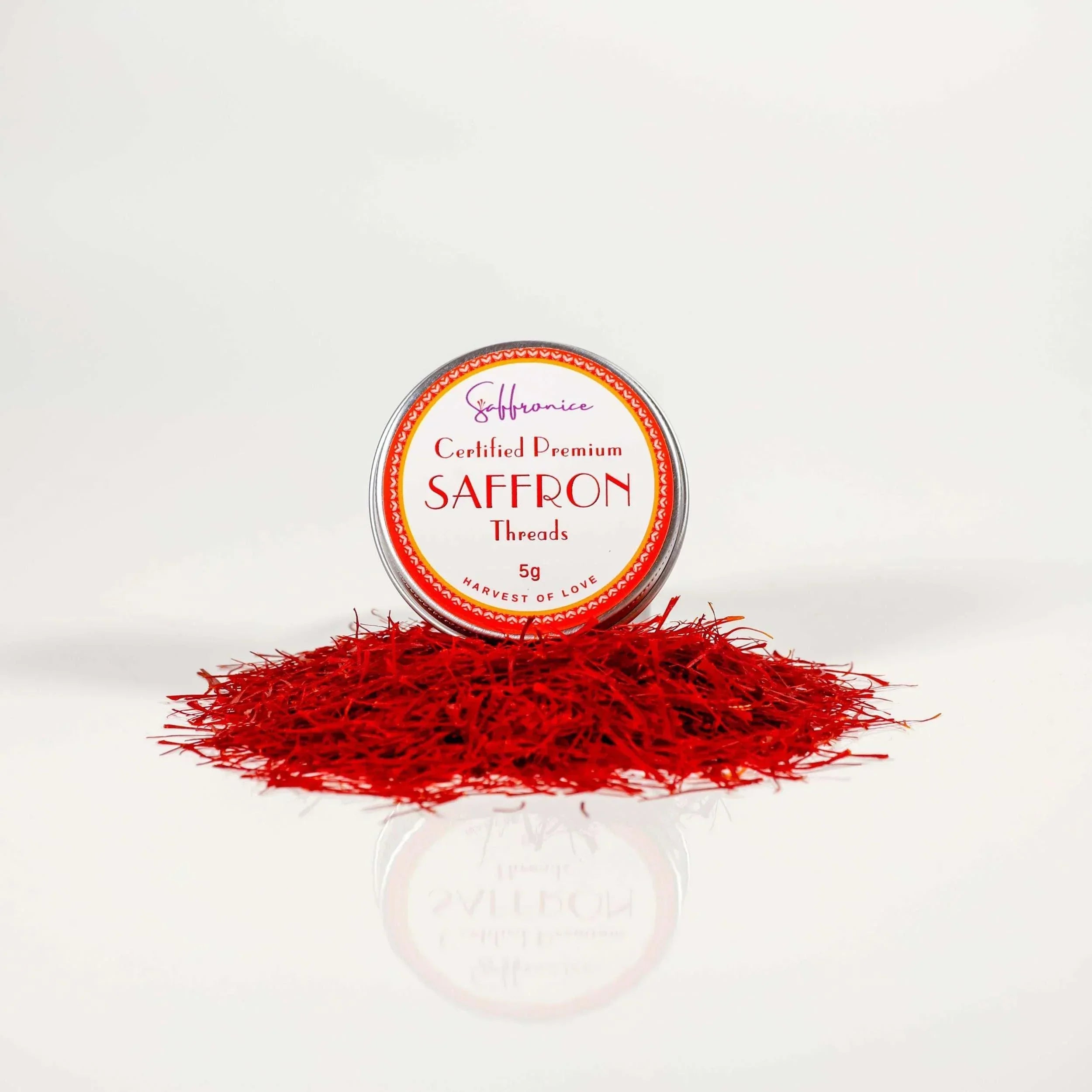
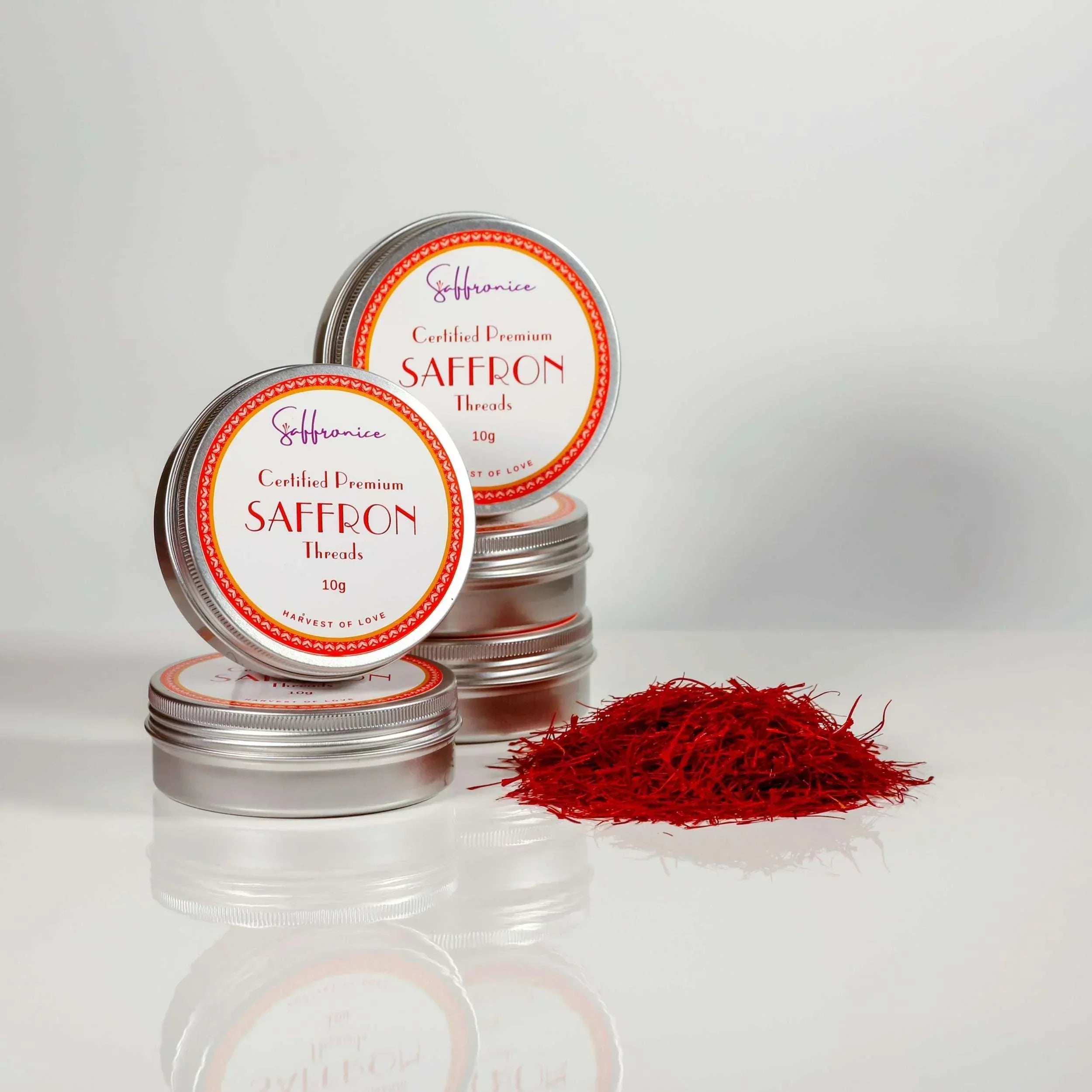
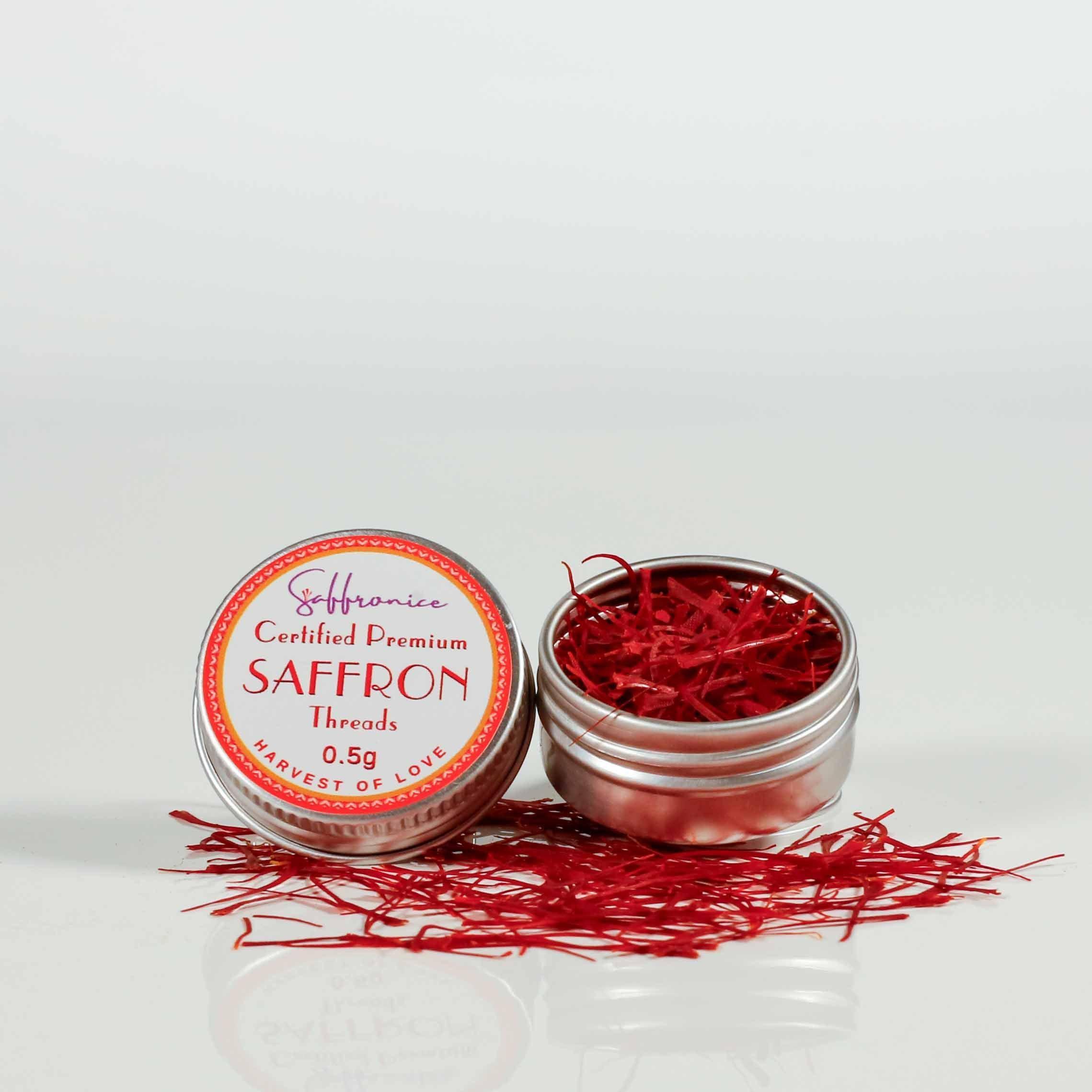
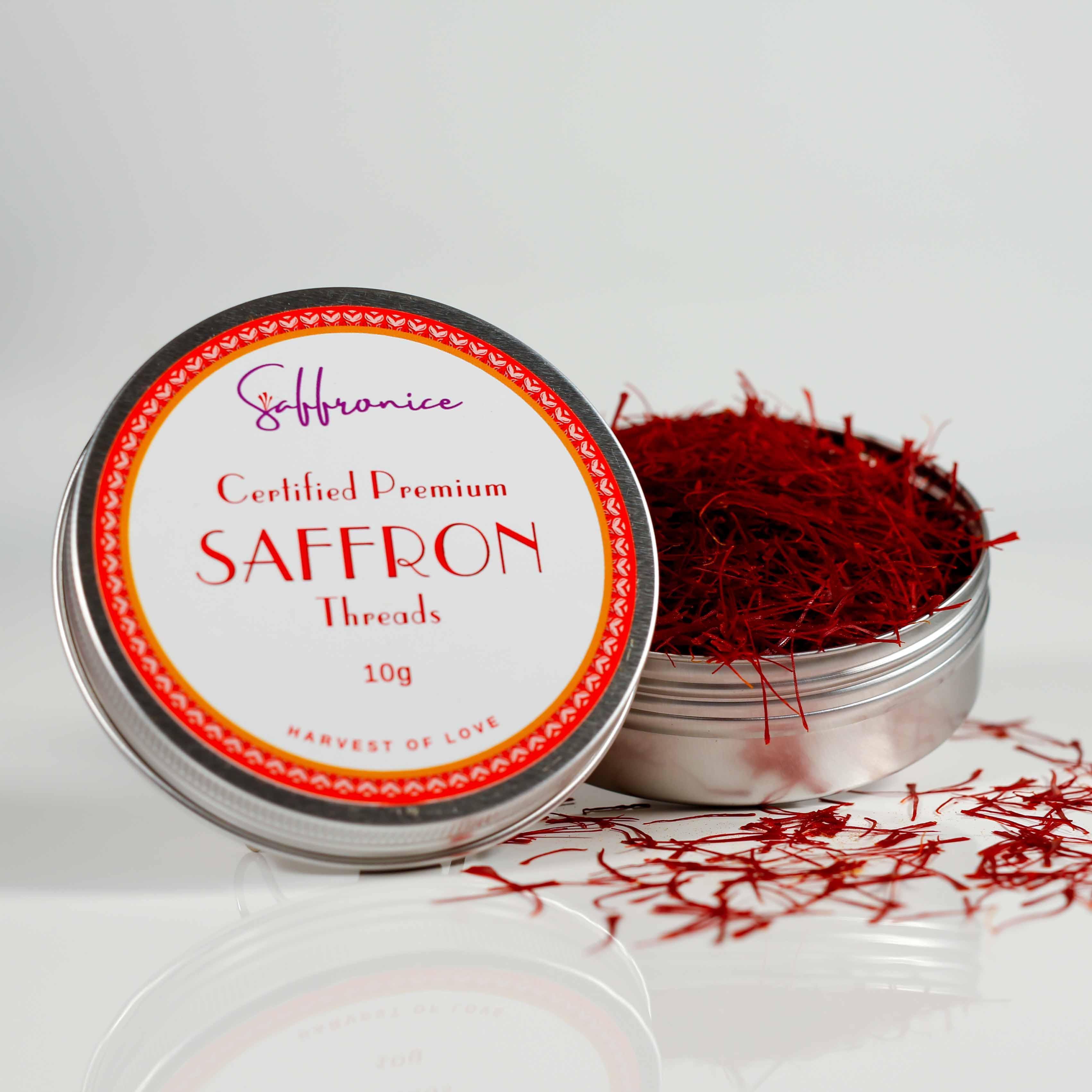
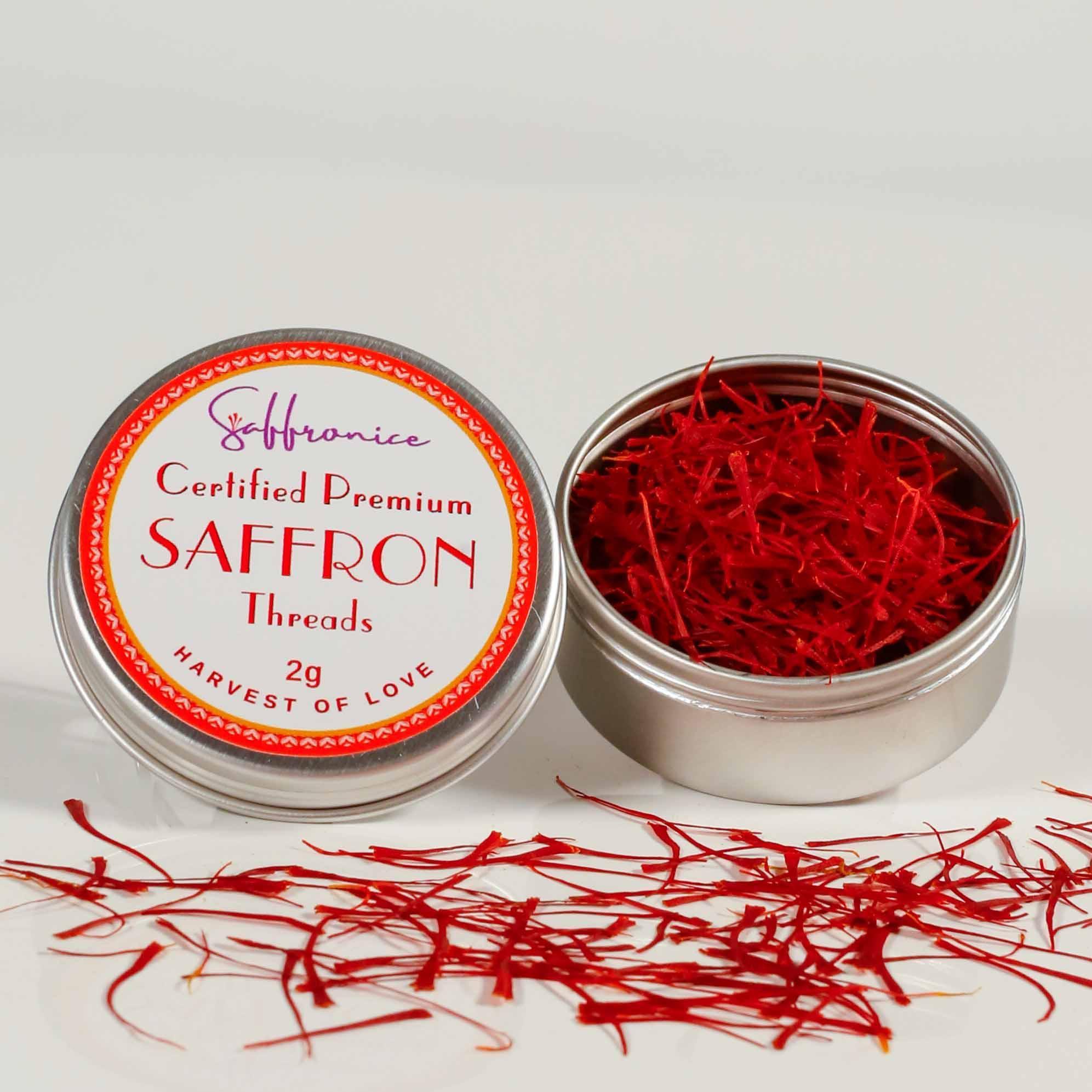
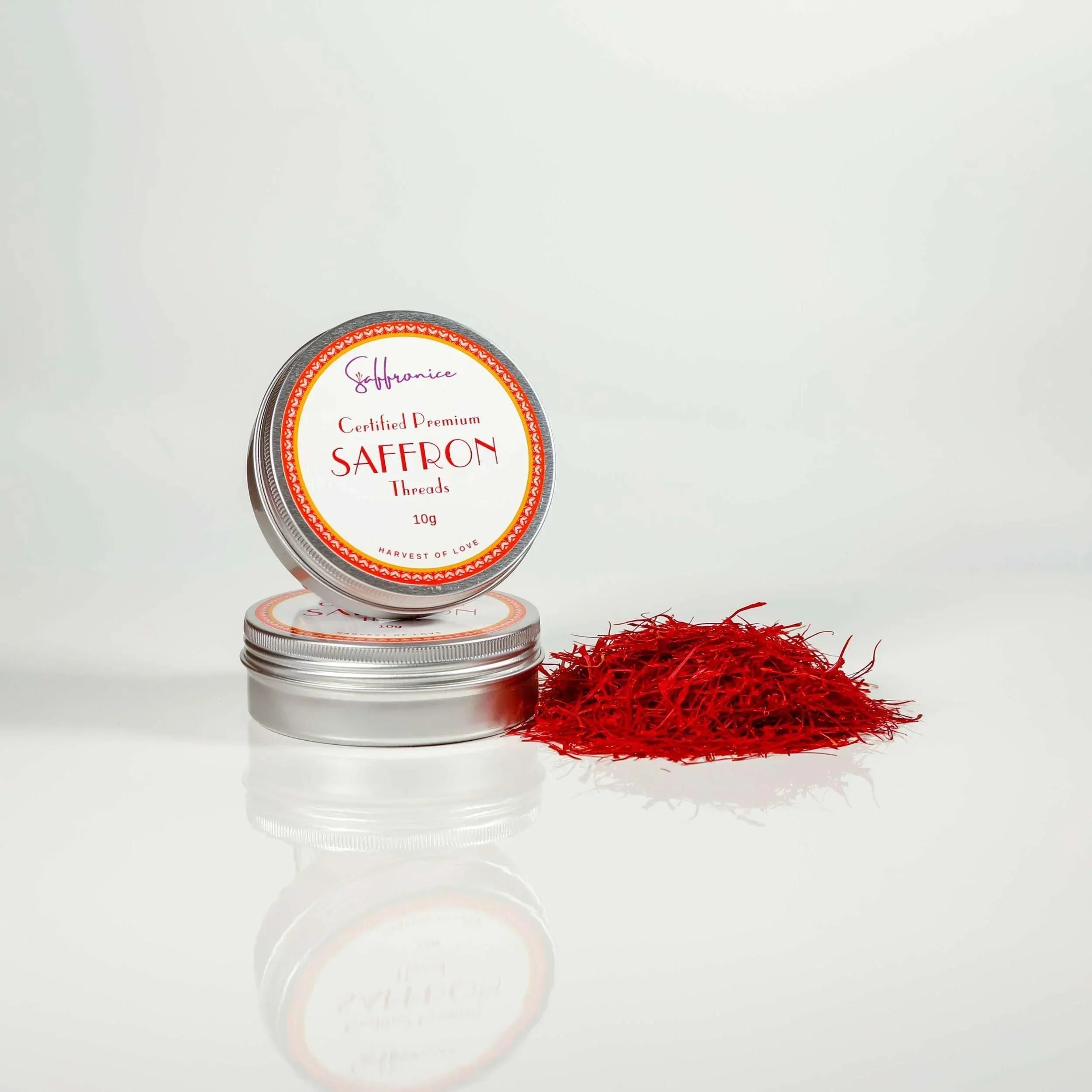
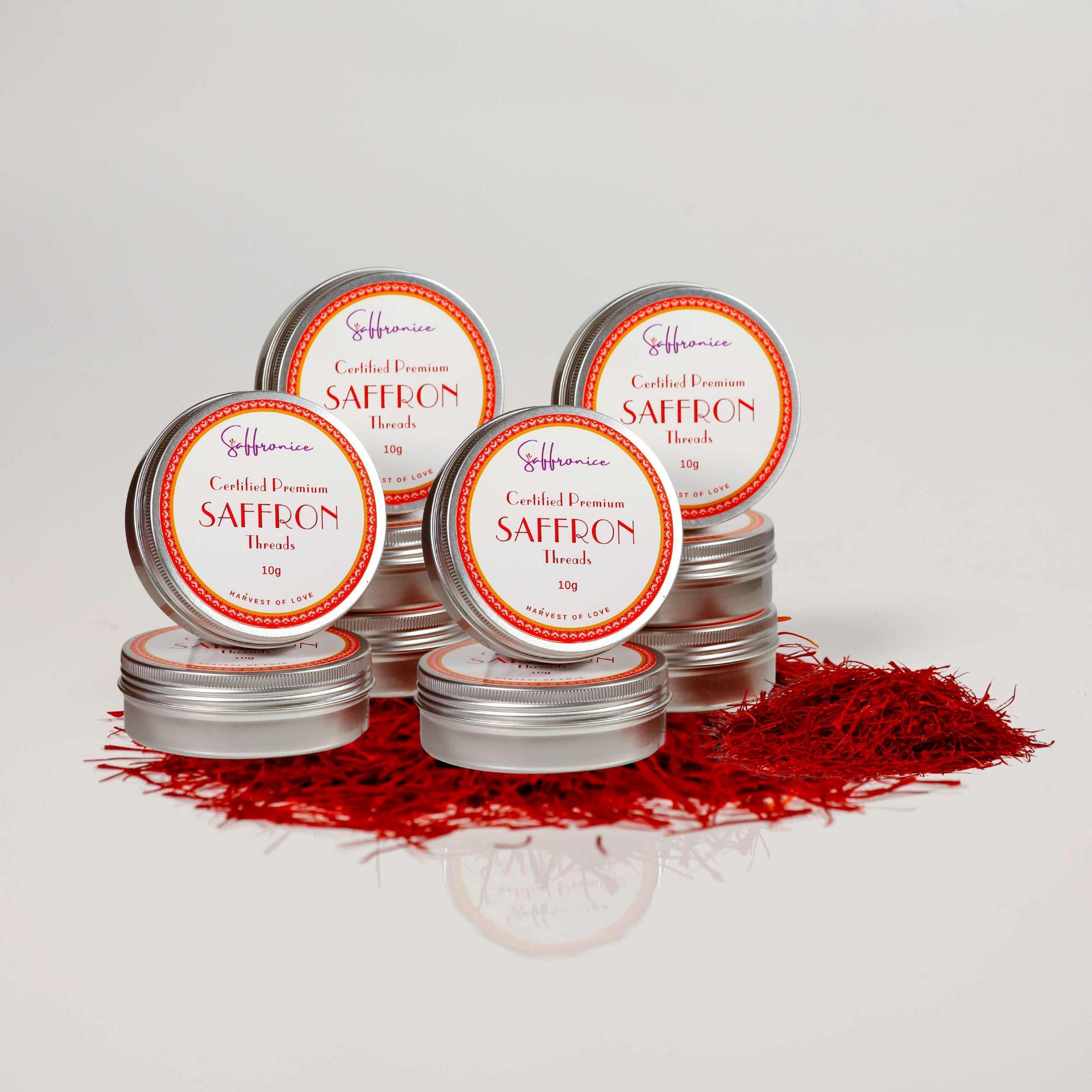
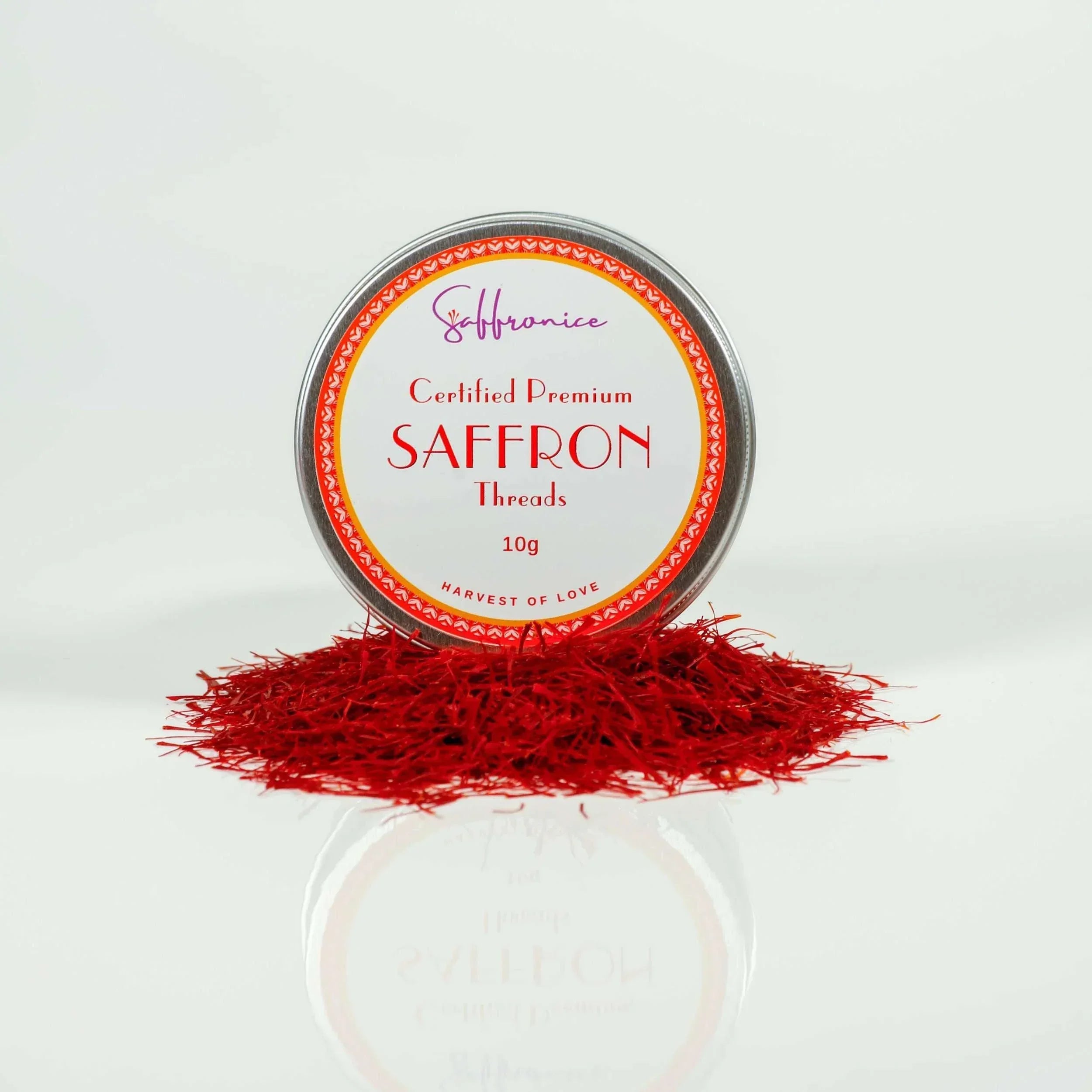
Ras El Hanout is a versatile Moroccan spice blend that adds warmth, depth, and aromatic flavour to vegetables, grains, meats, and seafood. When paired with Saffronice Saffron Powder or Premium Saffron Threads, it creates beautifully fragrant dishes with vibrant colour and balanced flavour.
Everyday Ways to Use Ras El Hanout
One of the best things about Ras El Hanout is its versatility. Here are a few simple ways to use it in everyday cooking:

Chicken and Tagines
A classic choice for slow-cooked chicken and lamb tagines, where the warm spices develop rich flavour. Pair it with saffron for an even more aromatic dish.
Couscous
Stir it into couscous for a fragrant side dish that pairs well with roasted vegetables, grilled chicken, or lamb.
Roasted Vegetables
Toss cauliflower, carrots, pumpkin, or sweet potato with Ras El Hanout before roasting. Finish with Greek yoghurt and fresh coriander (cilantro).
Seafood
Ras El Hanout also pairs beautifully with grilled prawns, baked fish, and seafood stews.
Recipe Snapshot
|
Prep Time |
15 minutes |
|
Cook Time |
30 minutes |
|
Total Time |
45 minutes |
|
Servings |
4 |
|
Cuisine |
Moroccan-Inspired |
|
Course |
Main or Side Dish |
|
Difficulty |
Easy |
Ingredients

For the Roasted Cauliflower
- ½ medium cauliflower (about 500 g / 1.1 lb), cut into thick florets
- 2 teaspoons (6 g) Ras El Hanout spice blend
- ¼ teaspoon (0.5 g) Saffronice Saffron Powder
- 2 tablespoons (30 ml) olive oil
- 4 garlic cloves, unpeeled
For the Couscous
- 100 g (about ½ cup) couscous
- 150 ml (⅔ cup) boiling water or vegetable stock
To Serve
- ½ cup (120 g) Greek yoghurt
- 2 tablespoons toasted sunflower seeds
- Fresh mint leaves
- Extra olive oil for drizzling (optional)
Let's Start Cooking

Step 1 – Roast the Cauliflower
Preheat your oven to 180°C (350°F).
Place the cauliflower florets and garlic cloves on a lined baking tray. Drizzle with the olive oil, then sprinkle over the Ras El Hanout spice blend and Saffronice Saffron Powder. Toss until everything is evenly coated.
Roast for 25–30 minutes, turning halfway through, until the cauliflower is tender with lightly caramelised edges.
Step 2 – Prepare the Couscous
While the cauliflower is roasting, place the couscous into a heatproof bowl. Pour over the boiling water or vegetable stock, cover, and leave it to stand for 5–10 minutes.
Once all the liquid has been absorbed, fluff the couscous gently with a fork.
Step 3 – Assemble the Salad
Spread the couscous onto a serving platter or large bowl. Arrange the roasted cauliflower and garlic over the top, then scatter with toasted sunflower seeds and fresh mint.
Finish with dollops of Greek yoghurt and, if you like, a light drizzle of olive oil before serving.
A Few Tips Before You Start
- Roast the cauliflower until the edges are golden for the best flavour.
- Vegetable stock adds extra depth to the couscous, but water works just as well.
- Toast the sunflower seeds in a dry pan for a few minutes to enhance their nutty flavour.
- Allow the roasted vegetables to cool slightly before adding the yoghurt to prevent it from becoming runny.
Make It Your Own
This recipe is easy to customise depending on what you have on hand.

- Add roasted chickpeas for extra protein and texture.
- Replace the cauliflower with roasted pumpkin, carrots, or sweet potato.
- Serve alongside grilled chicken or lamb for a more substantial meal.
- Swap couscous for quinoa or freekeh if you'd like a different grain.
- Sprinkle with toasted almonds or pistachios for added crunch.
How to Store Leftovers
Transfer any leftovers to an airtight container and refrigerate within 2 hours of cooking. Store for up to 3 days.
For the best texture, store the yoghurt separately and add it just before serving. The salad can be enjoyed cold or gently reheated, although the roasted cauliflower is at its best when freshly cooked.
What to Serve It With
This Moroccan-inspired salad works beautifully as both a light meal and a side dish. Try serving it with:
- Grilled chicken - for an easy weeknight dinner.
- Lamb kebabs - for a classic Moroccan-inspired combination.
- A side of warm flatbread, fresh herbs, and extra Greek yoghurt.
Related Recipes
If you enjoyed learning how to use Ras El Hanout, here are a few more recipes that showcase the rich flavours of saffron and Moroccan-inspired cooking. These dishes are perfect for expanding your menu while making the most of your favourite spices.

- Moroccan Chicken Tagine – A comforting Moroccan classic featuring tender chicken, vegetables, and fragrant saffron.
- BBQ Prawns with Baharat Moroccan Spice Blend & Saffron – Juicy BBQ prawns seasoned with Baharat spices and saffron for a quick, flavourful dish.
- Crispy Barramundi with Baharat Moroccan Spice Blend – Crispy barramundi coated in aromatic Baharat spices, perfect with couscous or roasted vegetables.
Ready to Start Cooking?
A good Ras El Hanout spice blend can transform everyday meals with very little effort. Whether you're roasting vegetables, preparing couscous, or cooking a traditional tagine, pairing it with Saffronice Saffron Powder or Premium Saffron Threads adds delicate floral notes, vibrant colour, and extra depth to everyday meals.
For the best results, pair your favourite Ras El Hanout spice blend with Saffronice Saffron Powder or Premium Saffron Threads to add authentic saffron flavour and colour to your Moroccan-inspired cooking.
Happy cooking!
Frequently Asked Questions
What is Ras El Hanout?
Ras El Hanout is a traditional Moroccan spice blend made from a combination of warming spices such as cumin, coriander, cinnamon, paprika, ginger, and cardamom. Since there is no single recipe, every blend may vary slightly.
What does Ras El Hanout taste like?
It has a warm, aromatic flavour with earthy, slightly sweet, and mildly spicy notes. The exact flavour depends on the blend, but it's known for adding depth and complexity to both meat and vegetable dishes.
What foods pair well with Ras El Hanout?
Ras El Hanout works well with chicken, lamb, beef, seafood, roasted vegetables, couscous, rice, soups, and slow-cooked stews. It's one of the most versatile spice blends used in Moroccan cooking.
Can I use saffron with Ras El Hanout?
Yes. Saffron pairs beautifully with Ras El Hanout by adding a delicate floral aroma, vibrant golden colour, and subtle earthy flavour. Together, they create a balanced seasoning that's perfect for Moroccan-inspired dishes.
Should I use saffron powder or saffron threads?
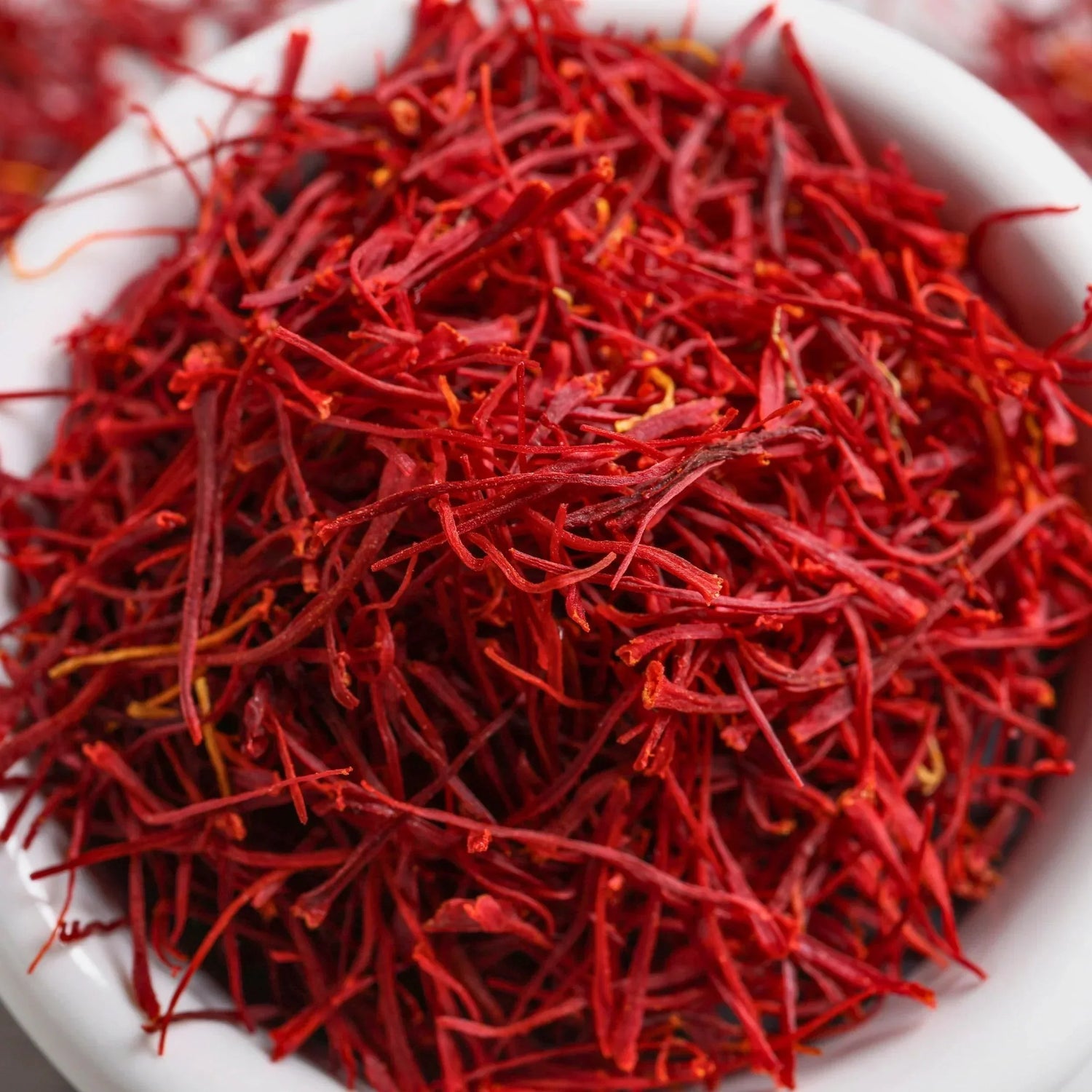
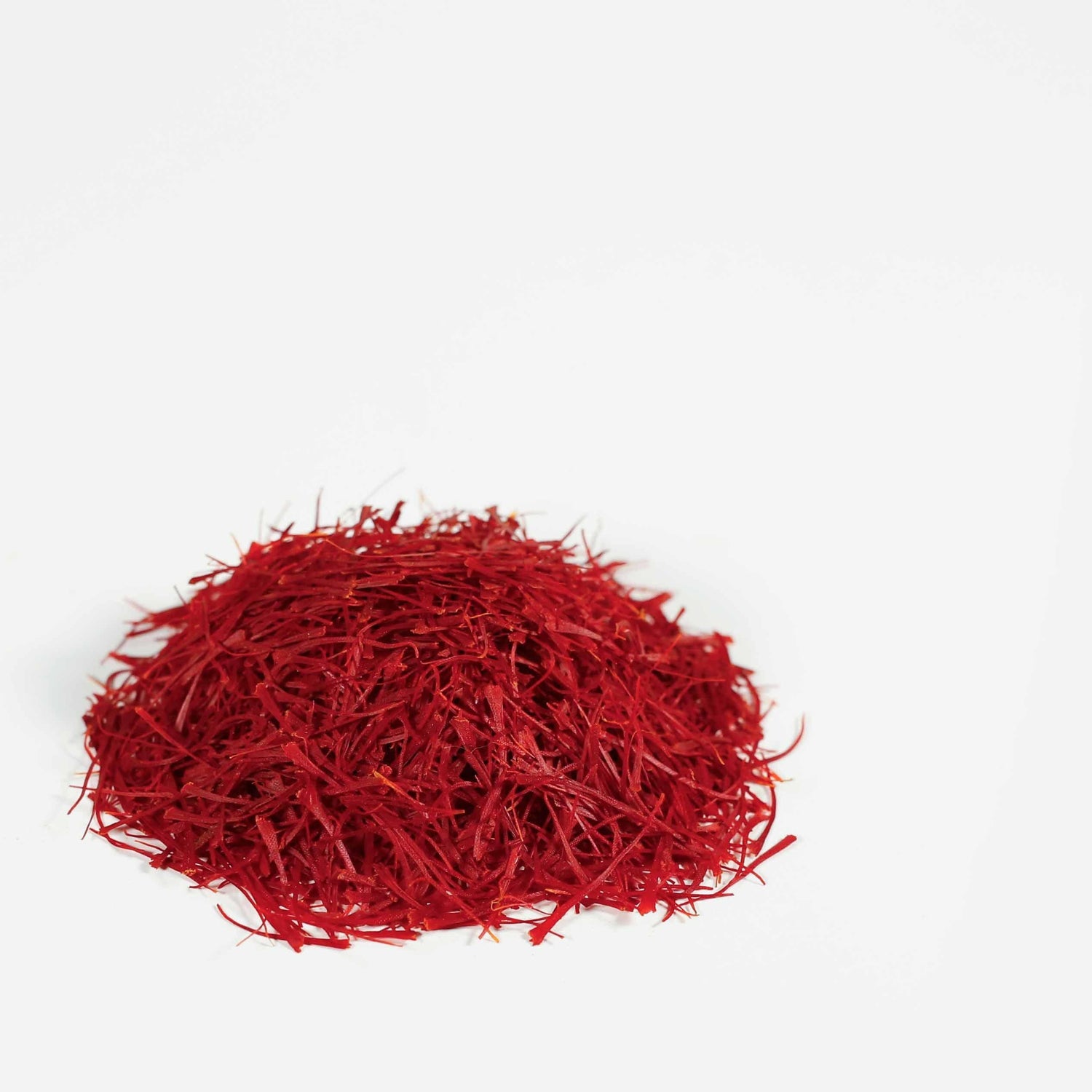
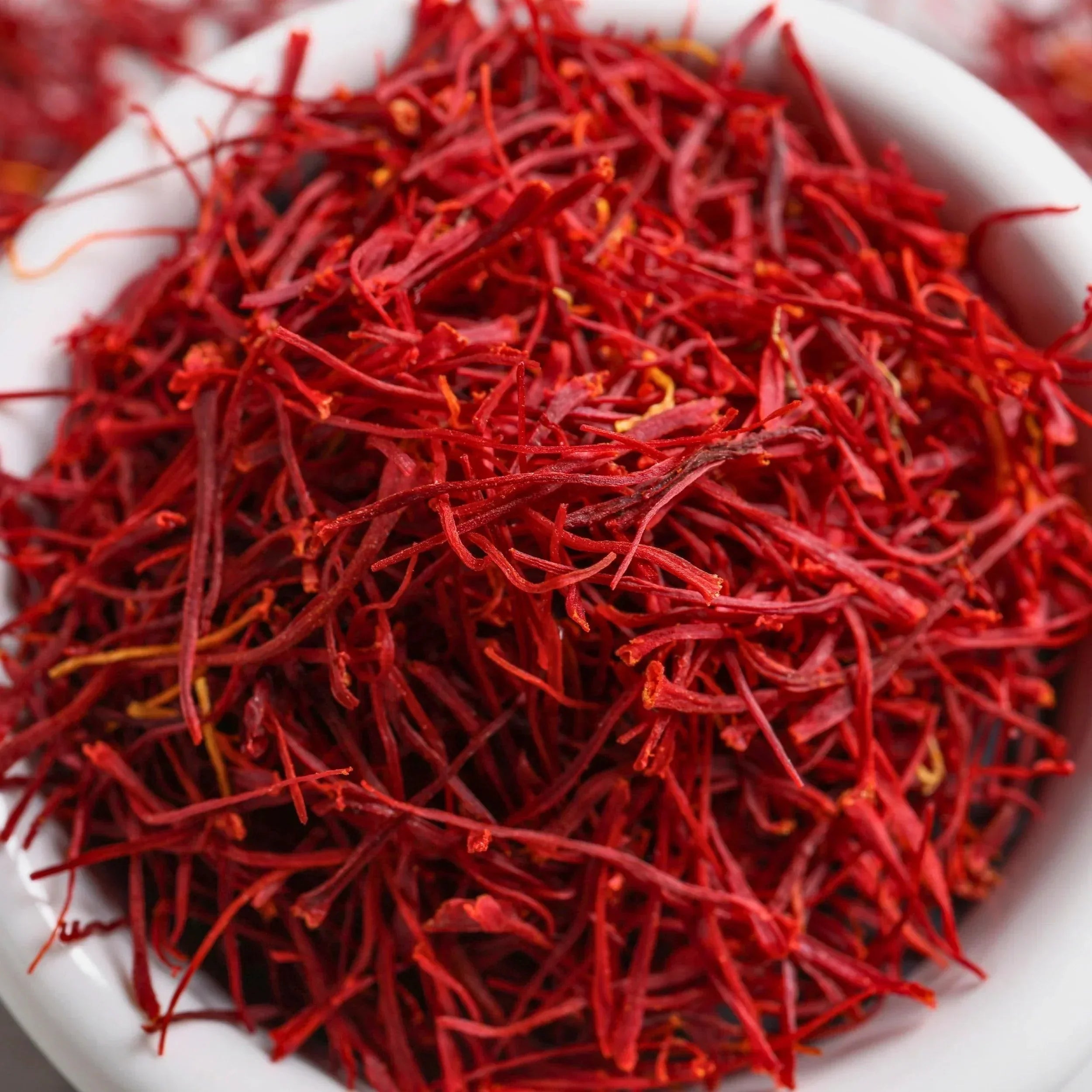
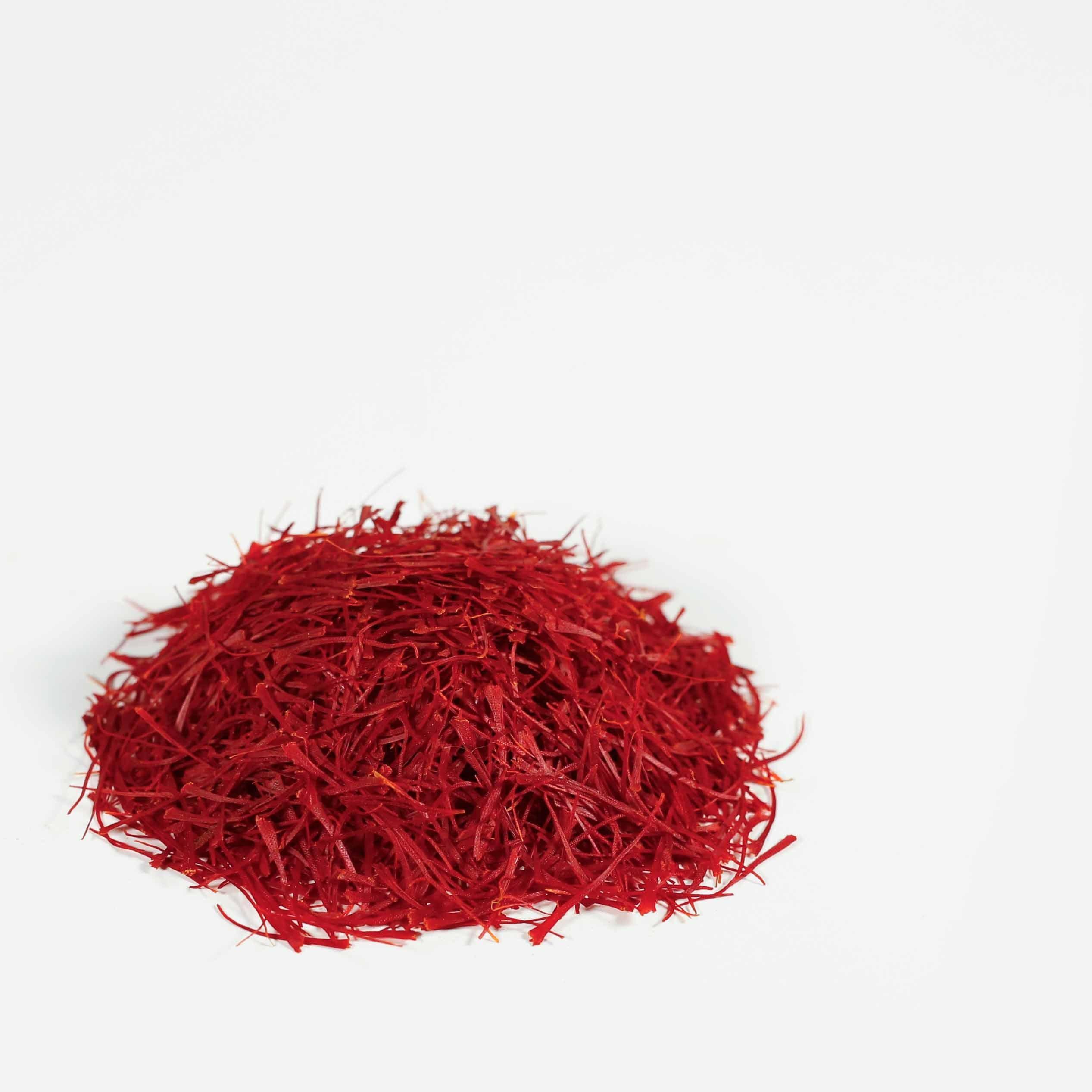
Both work well. Saffron powder can be mixed directly into the spices, while saffron threads should be bloomed in warm water for 10–15 minutes before cooking to release their colour and aroma.