
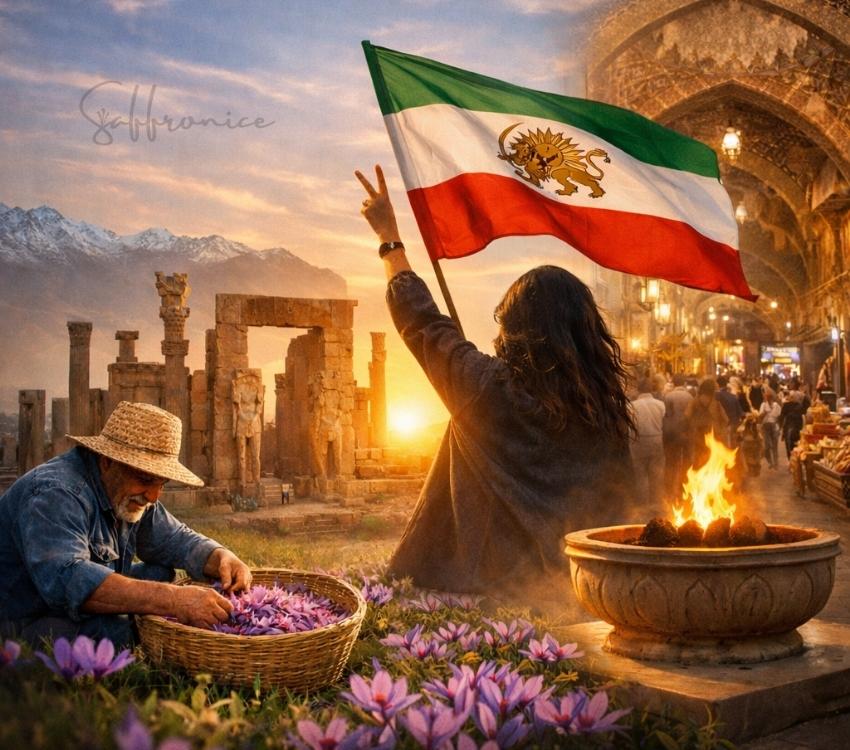
For decades, the world was taught a convenient lie: that Iran was the regime that ruled it.
I grew up knowing that wasn’t true.
It wasn’t. It never was.
Iran is a civilisation that long predates modern politics, modern borders, and modern headlines. What the world saw for 47 years was not Iran — it was an occupation imposed on a people who resisted it from the beginning. I was one of those people, even before I had the words for it. As that occupation comes to an end, something far more important than a change of government is unfolding:
Iran is re-entering the world as itself.

Persia Was Never the Regime
Persians were never born of the Islamic Republic, nor defined by it. Long before modern religions and empires, this land was shaped by Zoroastrian values — truth, balance, light, responsibility, and ethical living. These were the values I inherited culturally, even after I left.
Islam did not arrive in Iran through invitation or cultural alignment; it arrived by force. And despite centuries of pressure, Persian identity never disappeared.
Language survived.
Rituals survived.
Agriculture survived.
Craft survived.
So did resistance.
From the earliest days of Islamic occupation to the last 47 years under the Islamic Republic, the people were never the same as those who ruled over them. Farmers, poets, women, artisans, and workers carried the cost — while culture endured quietly, waiting. Many of us carried it with us when we were forced to leave.

Sanctions: A Price Paid by the People — and Understood
Sanctions did not merely weaken a government; they weakened an entire country. I watched from the outside as livelihoods were damaged, markets distorted, and families pushed into hardship. No one who lived through it — inside or outside Iran — denies that.
But many Iranians understood the cost.
Sanctions were not seen simply as punishment. They were endured as pressure necessary to bring an occupying regime down. The pain was real. The sacrifice was real. And the clarity that followed is real too: the future must belong to the people, not to power structures built on fear.
How Closed Systems Create Monopolies
When a country is cut off from the world, corruption doesn’t disappear — it concentrates.
Under sanctions, entire industries were captured by a few: monopolies, mafias, intermediaries who thrived in the shadows. Saffron, caviar, oil, metals, rugs (even Persian cats) — goods that once belonged to farmers and craftspeople were stripped from their origins and filtered through power.

The world kept buying “Iranian” products, but rarely from Iranians themselves.
Farmers lost pricing power.
Quality suffered.
Adulteration rose.
What should have been a transparent exchange between grower and global market became distorted by survival economics — something I’ve seen firsthand through years of working with Iranian supply chains from abroad.
Freedom Changes the Direction of Trade
A democratic Iran changes everything.
With sanctions lifted, banking restored, and logistics normalised, Iranian producers no longer need middlemen or workarounds. Farmers can export directly. Artisans can tell their own stories. Businesses can compete openly — on quality, not on connections.
Trade stops being about survival and becomes what it always should have been: exchange, partnership, dignity.
This is the Iran I want to work with. This is the Iran I want to return to.

Saffron Returns to Its True Keepers
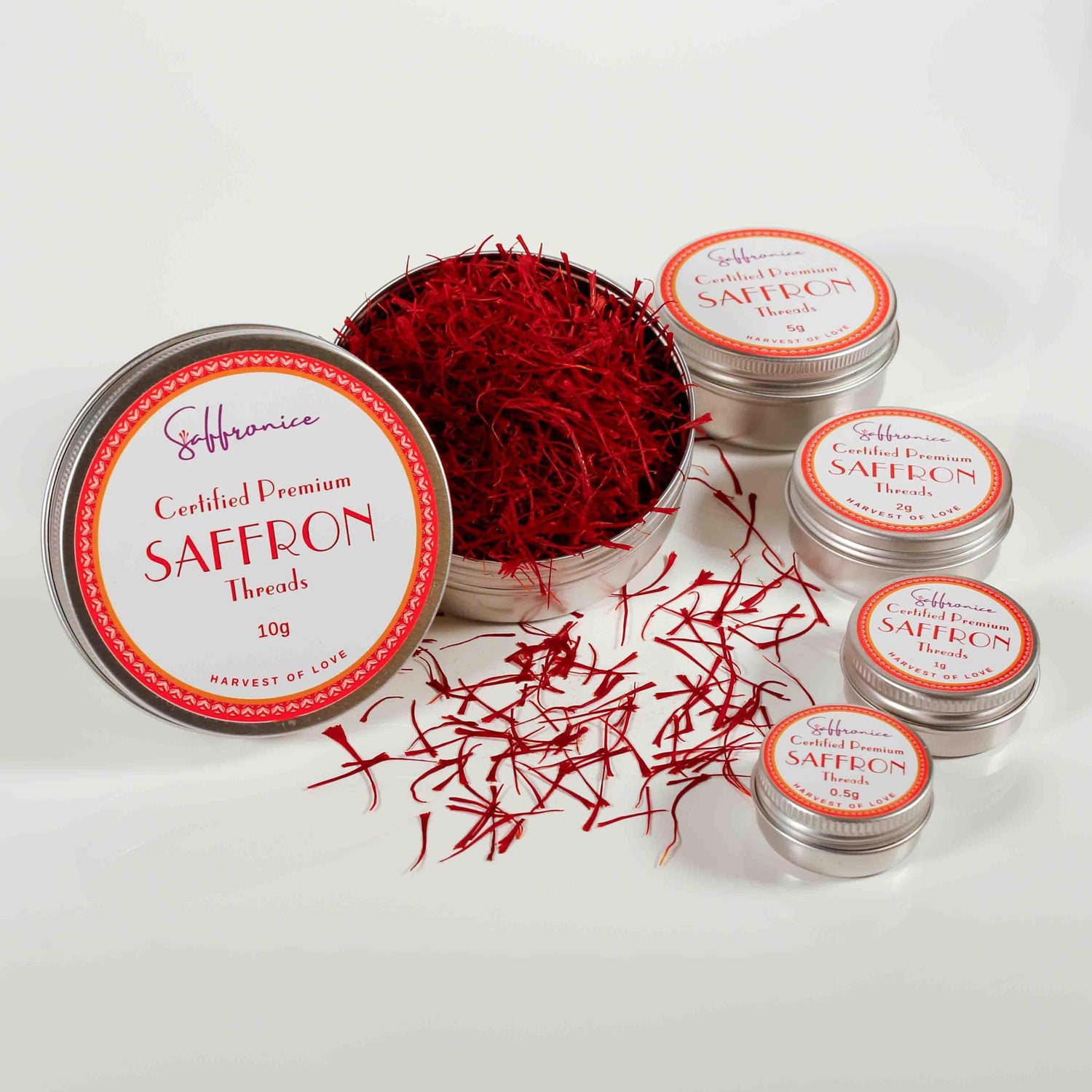
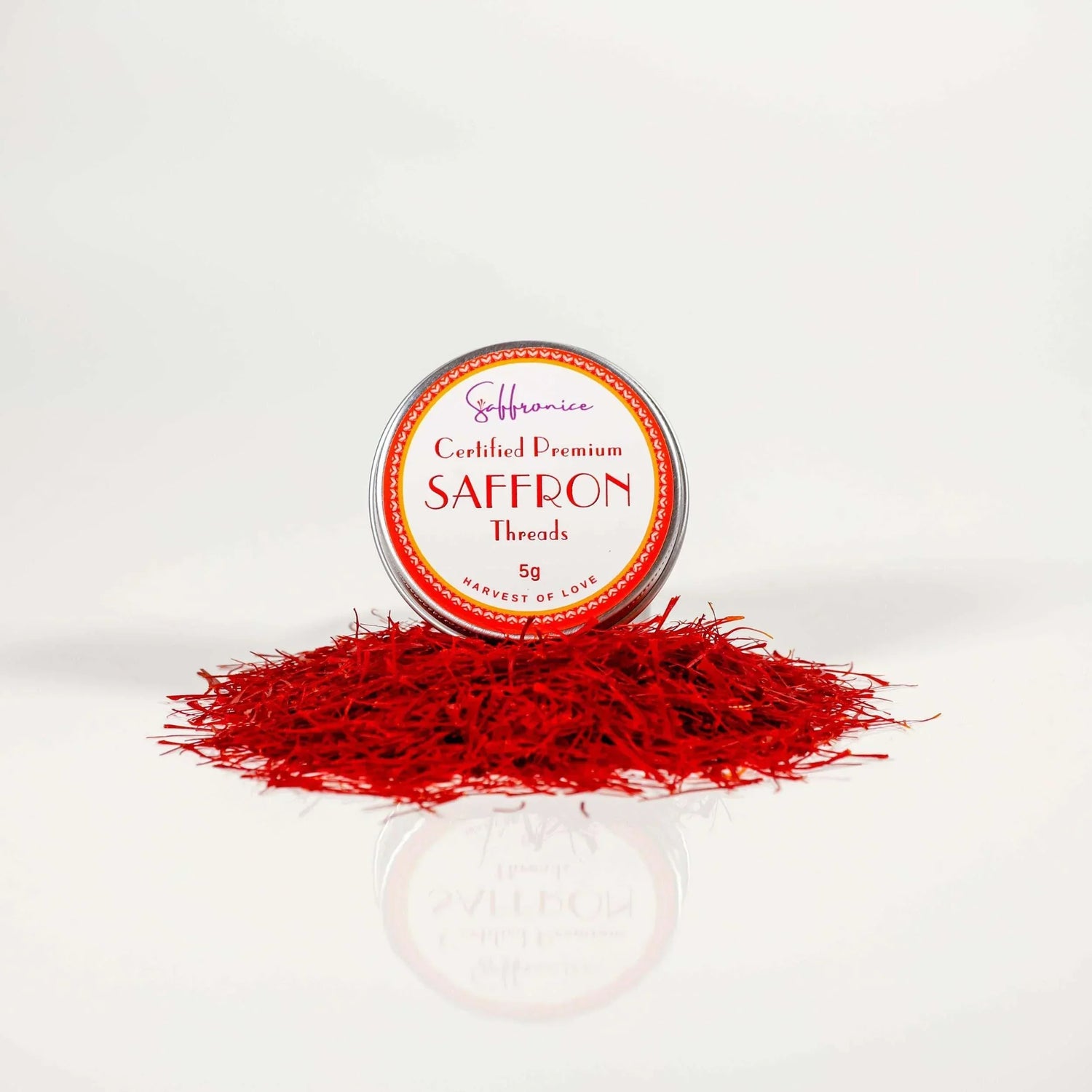
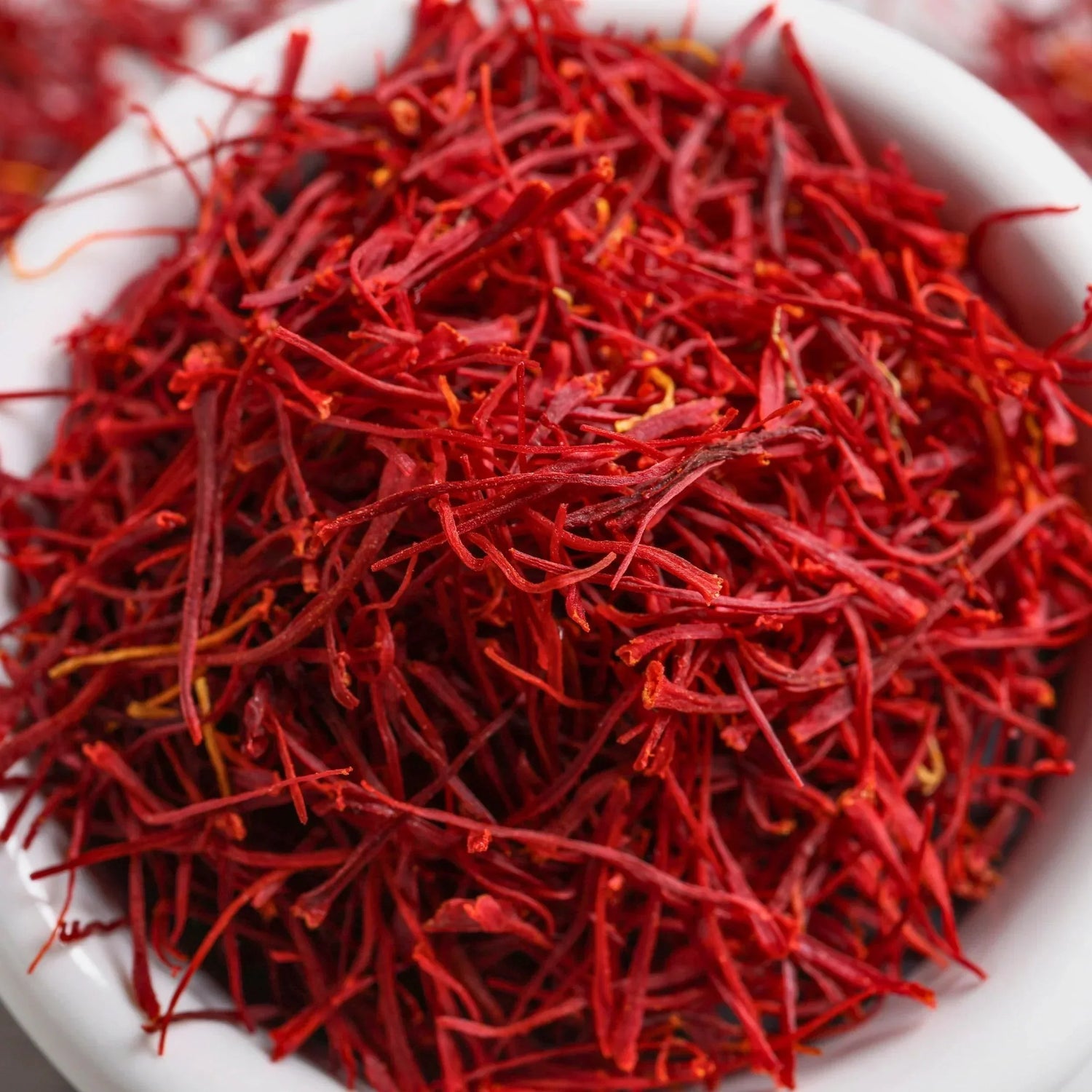
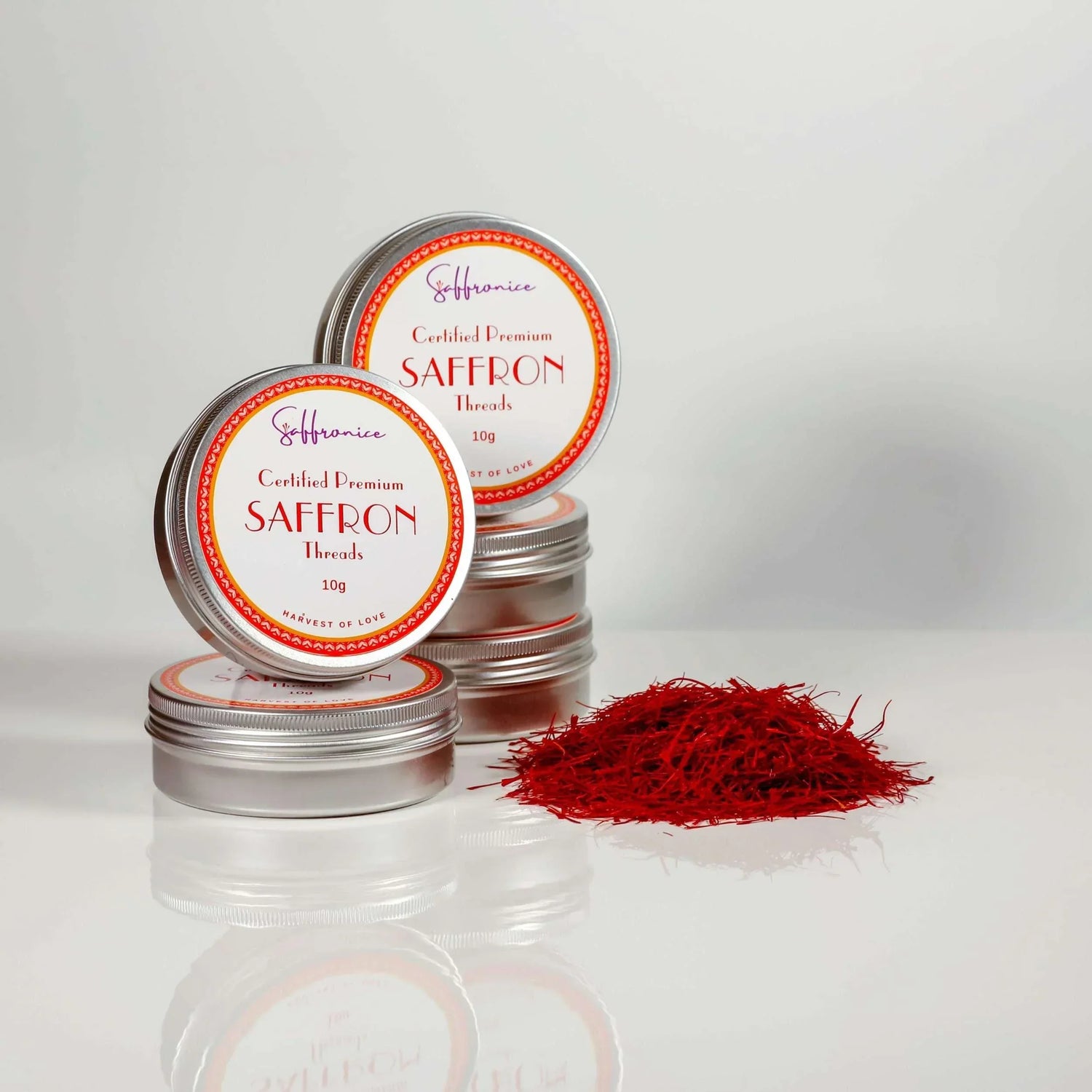
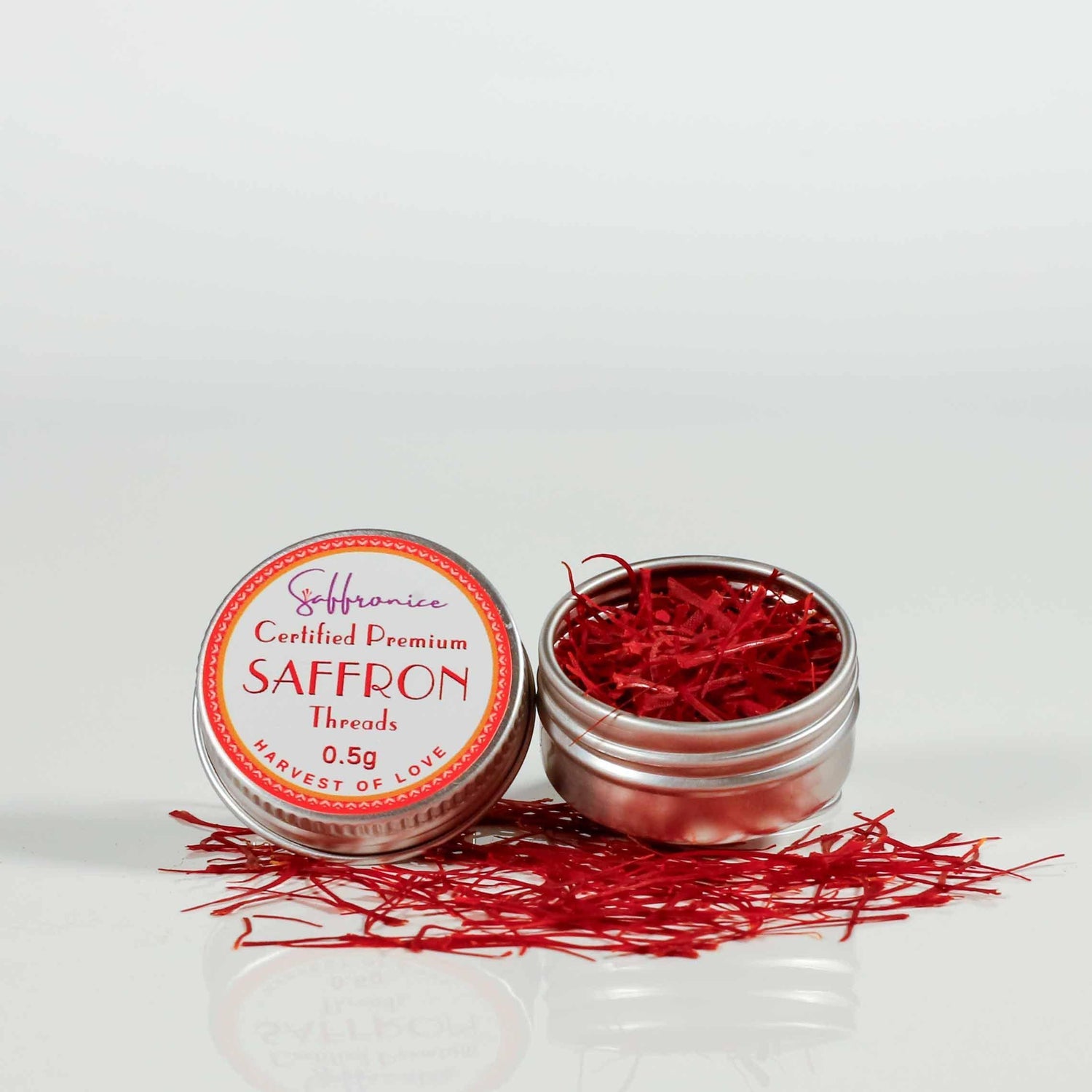
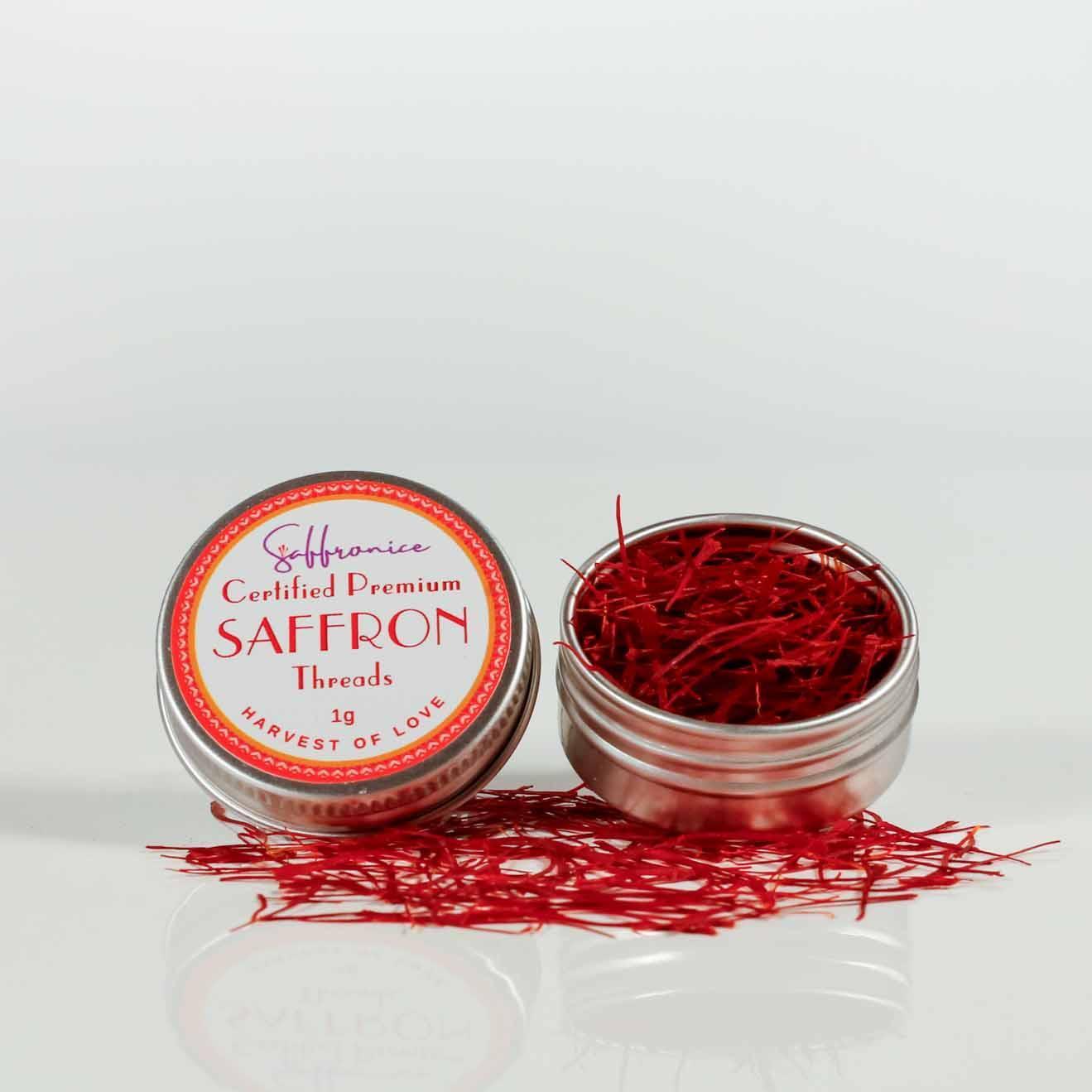
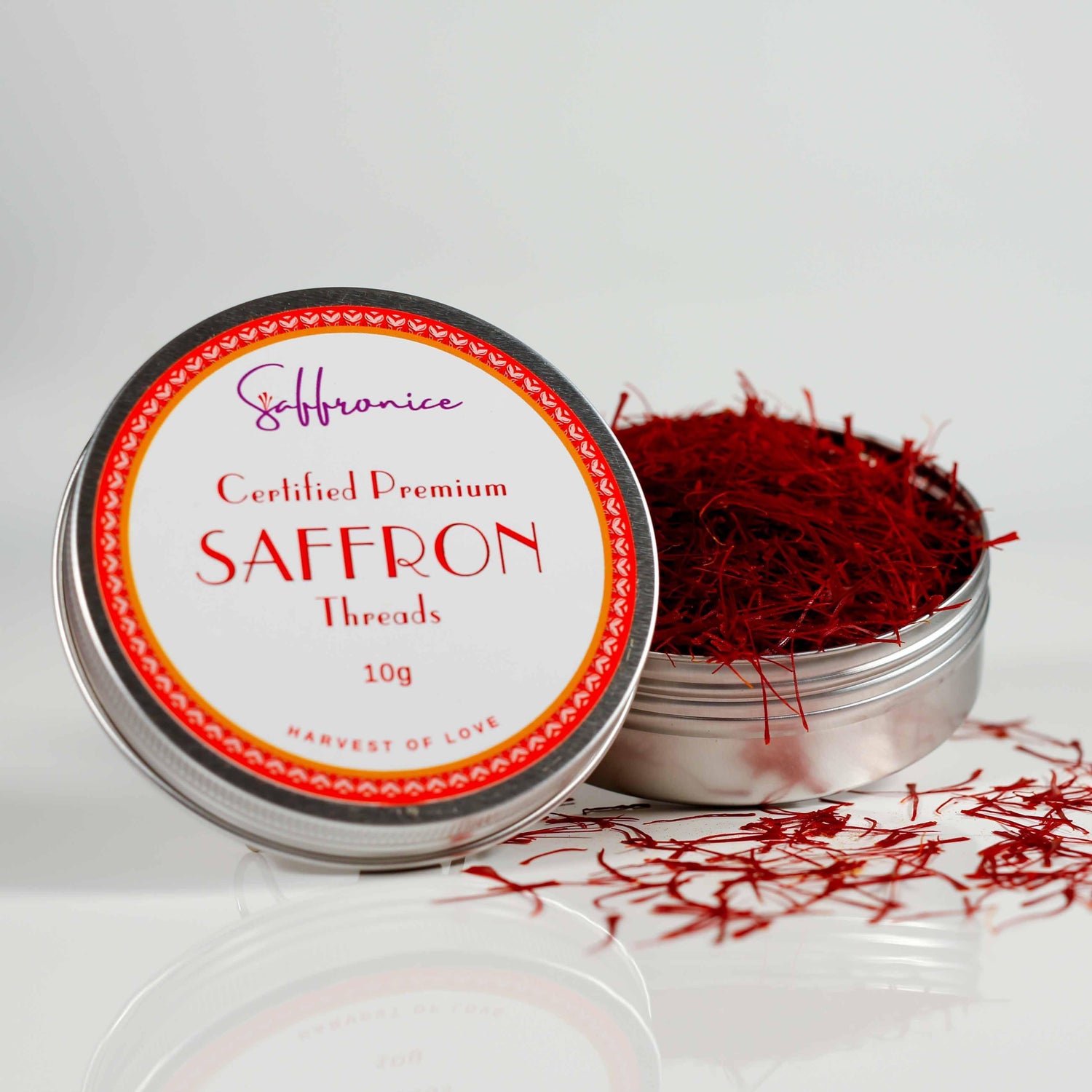
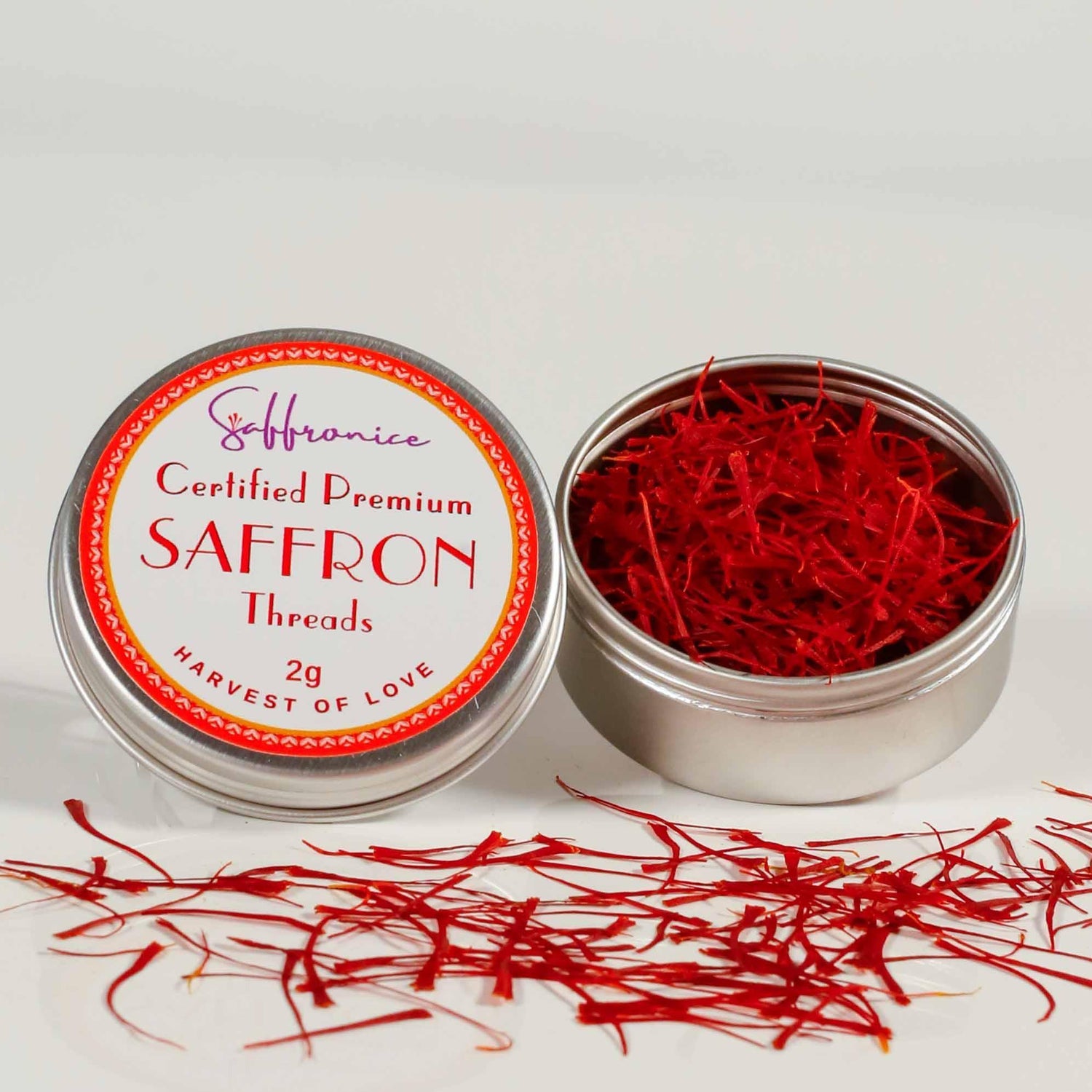
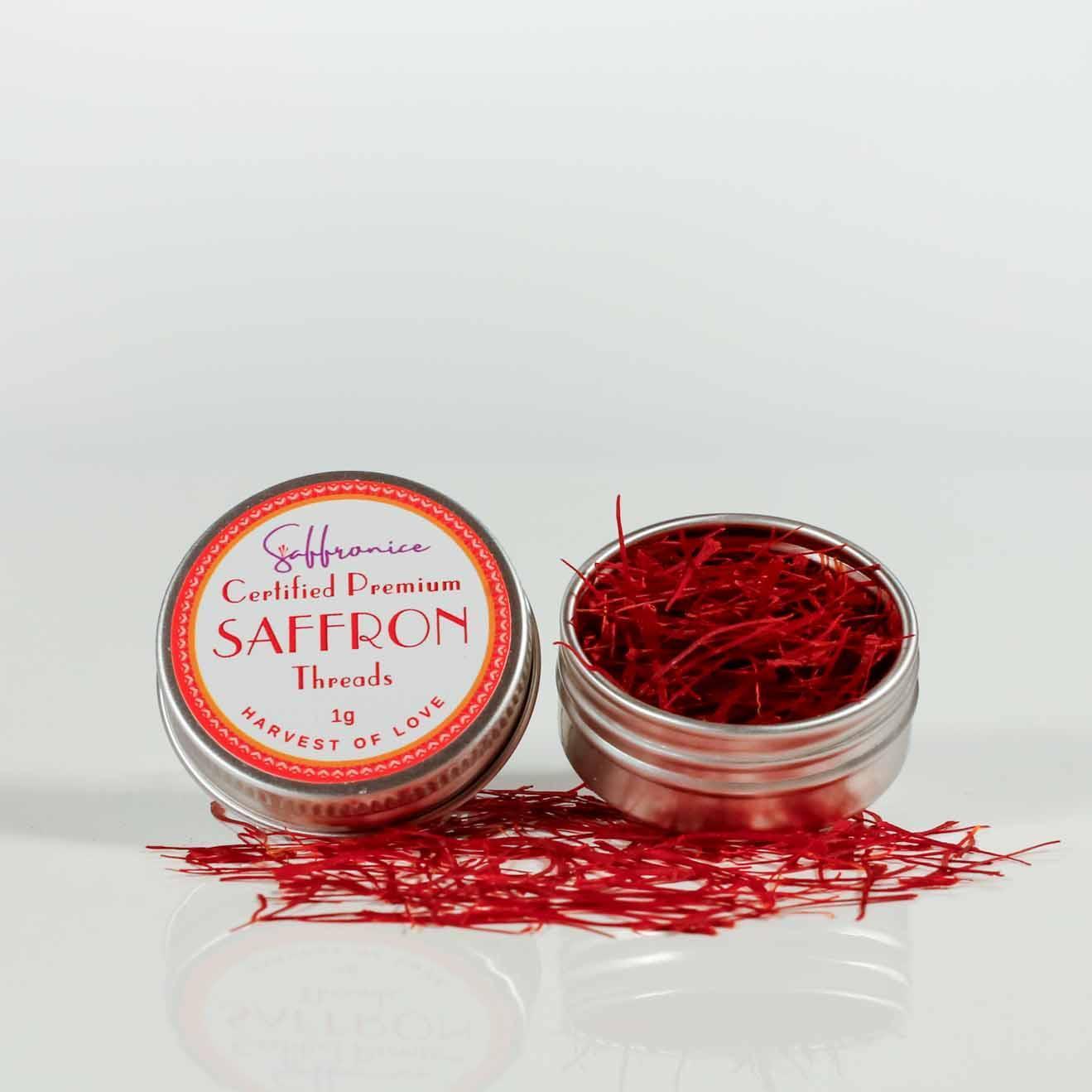
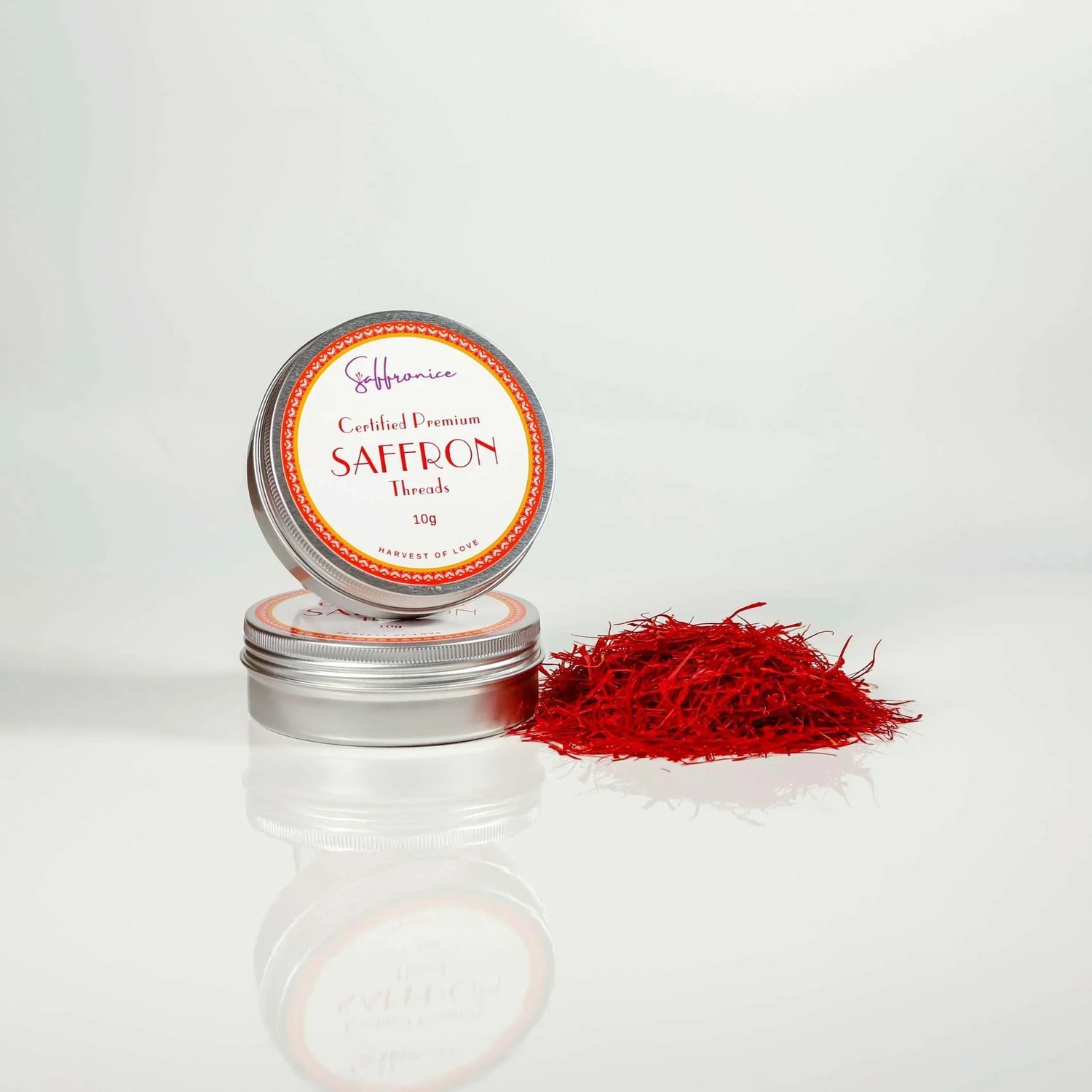
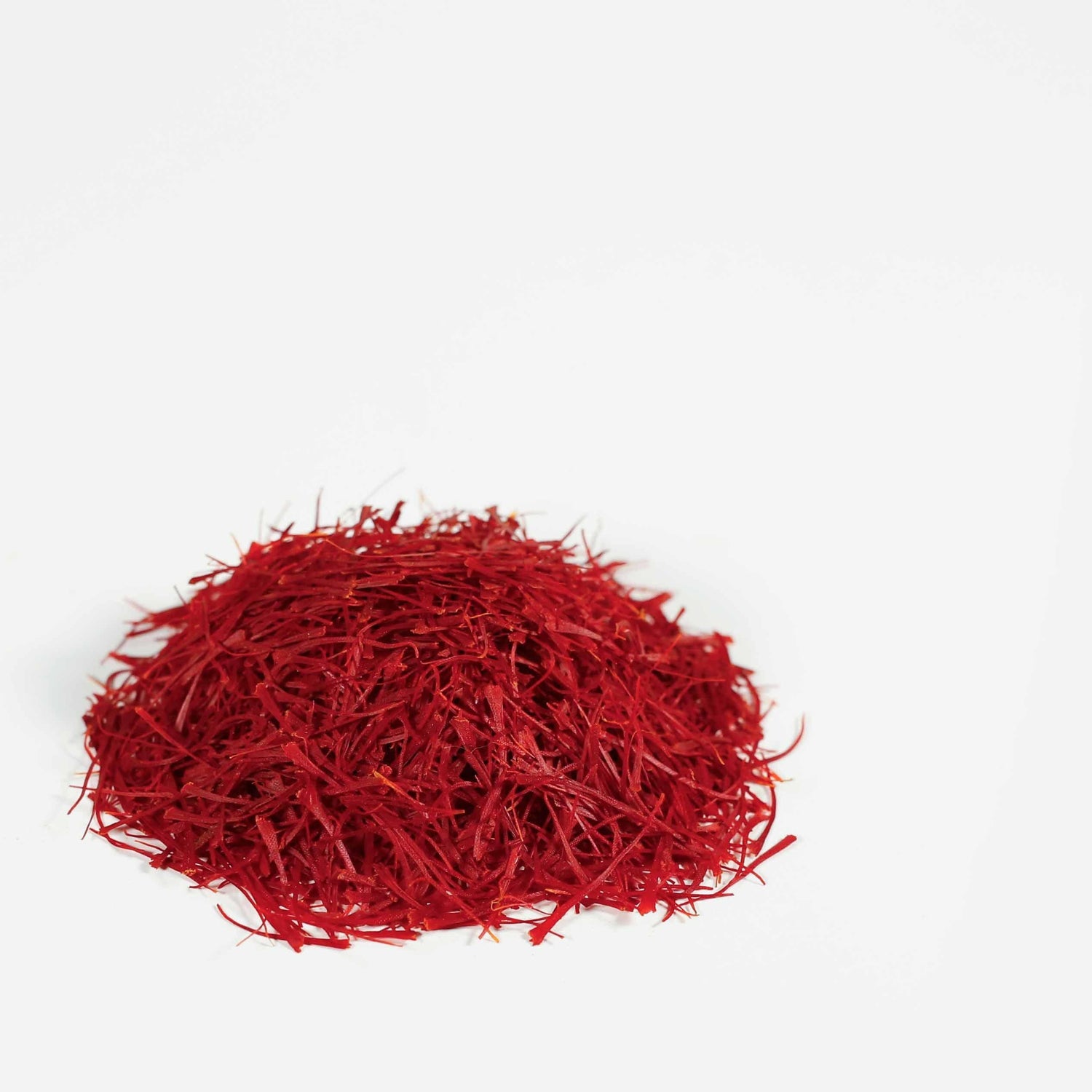
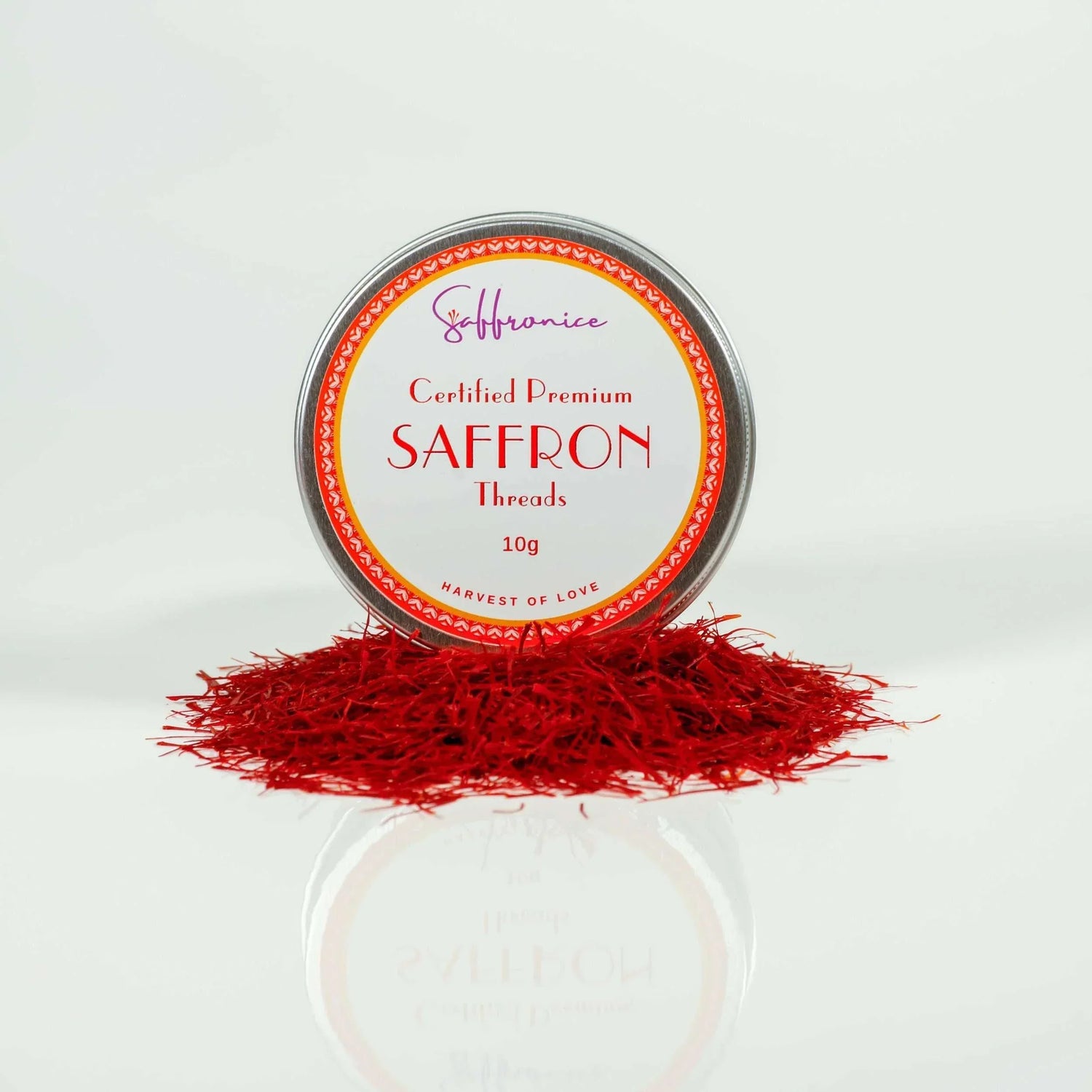
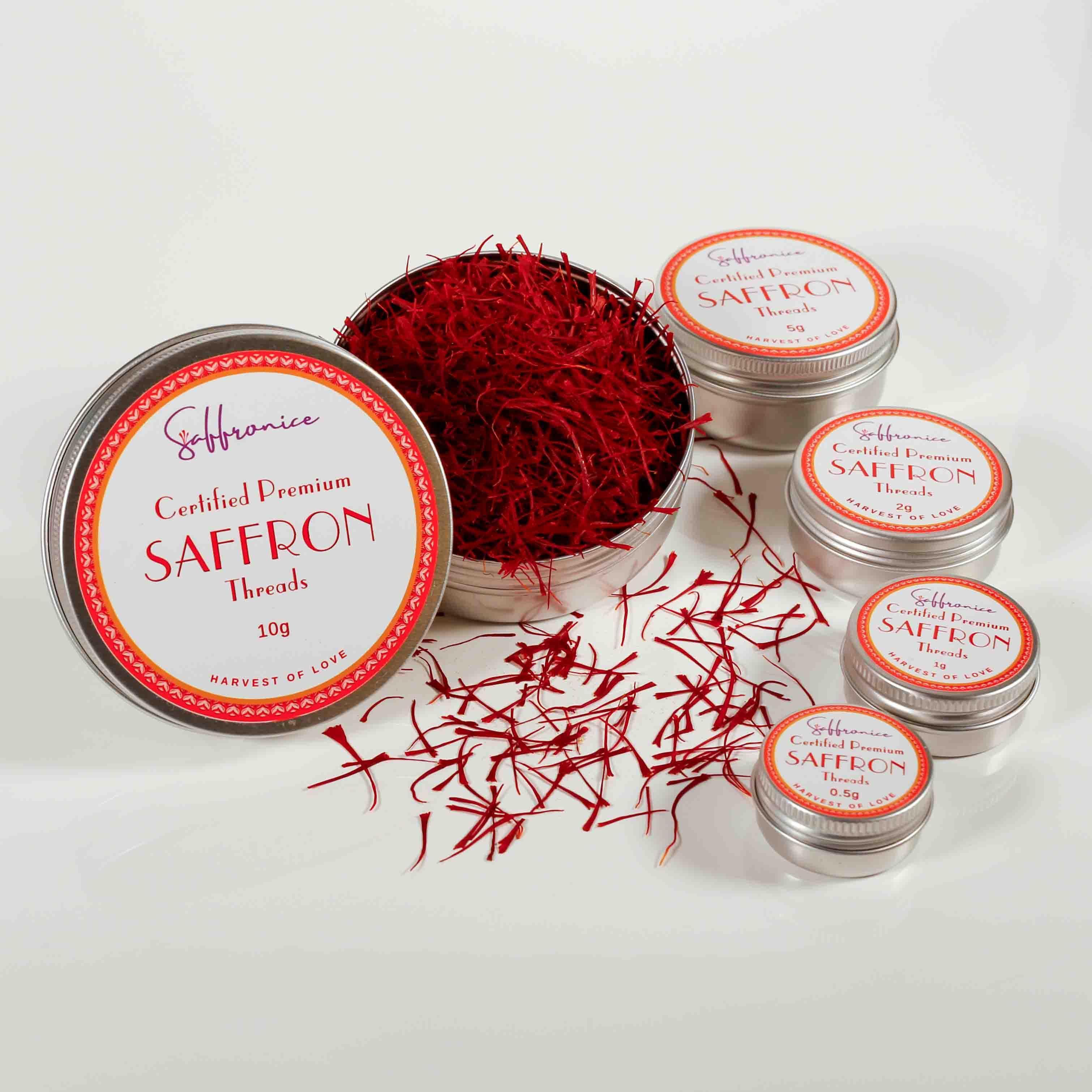
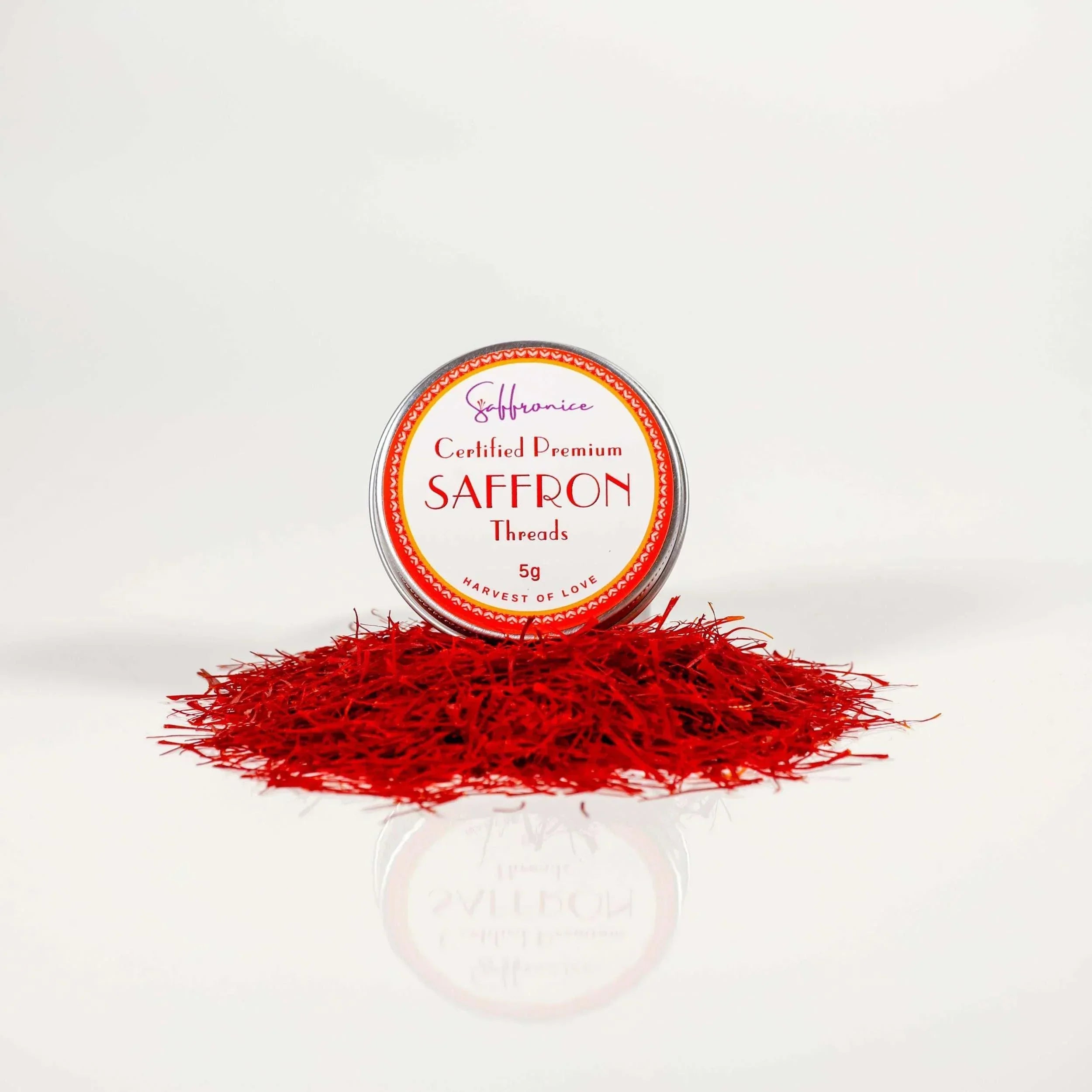
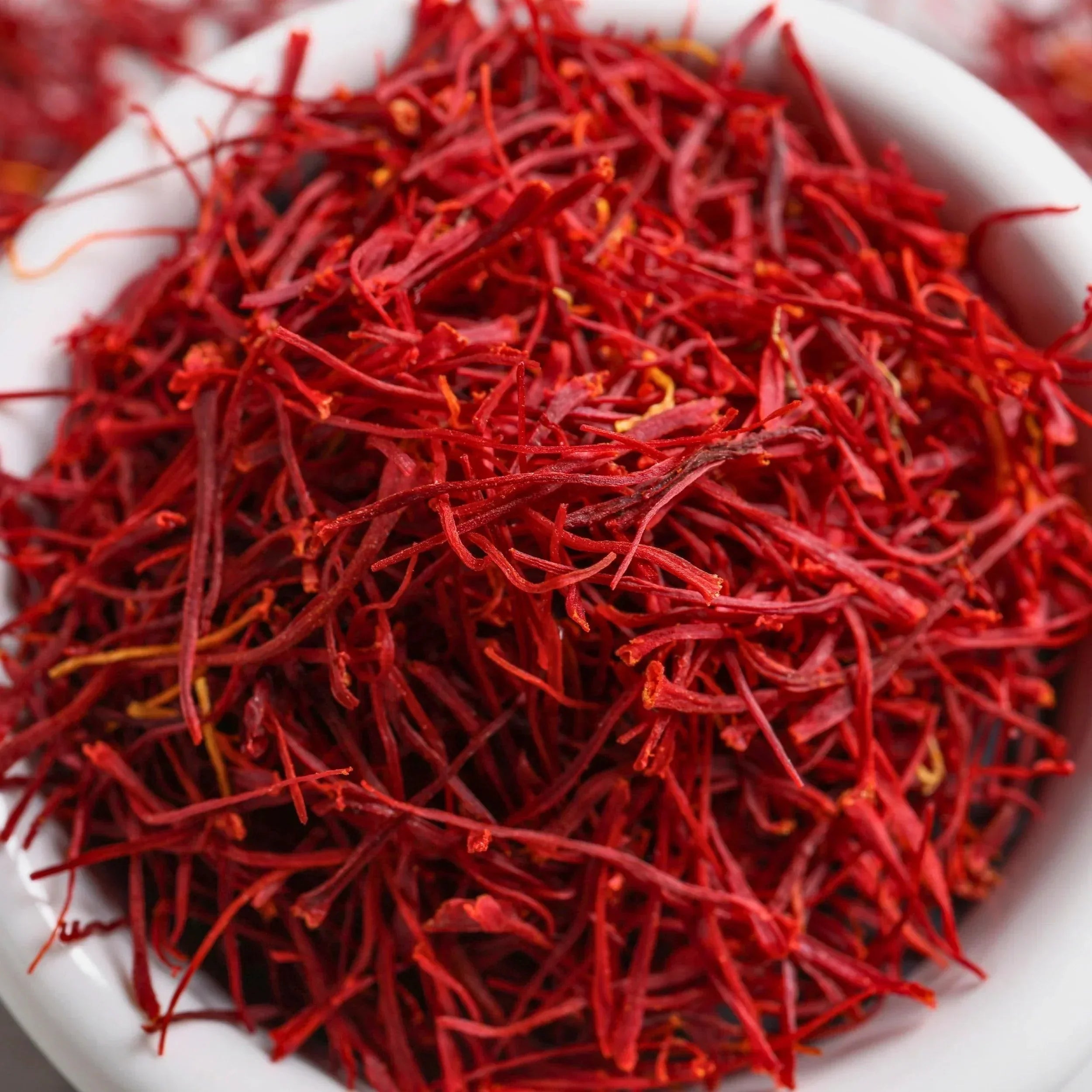
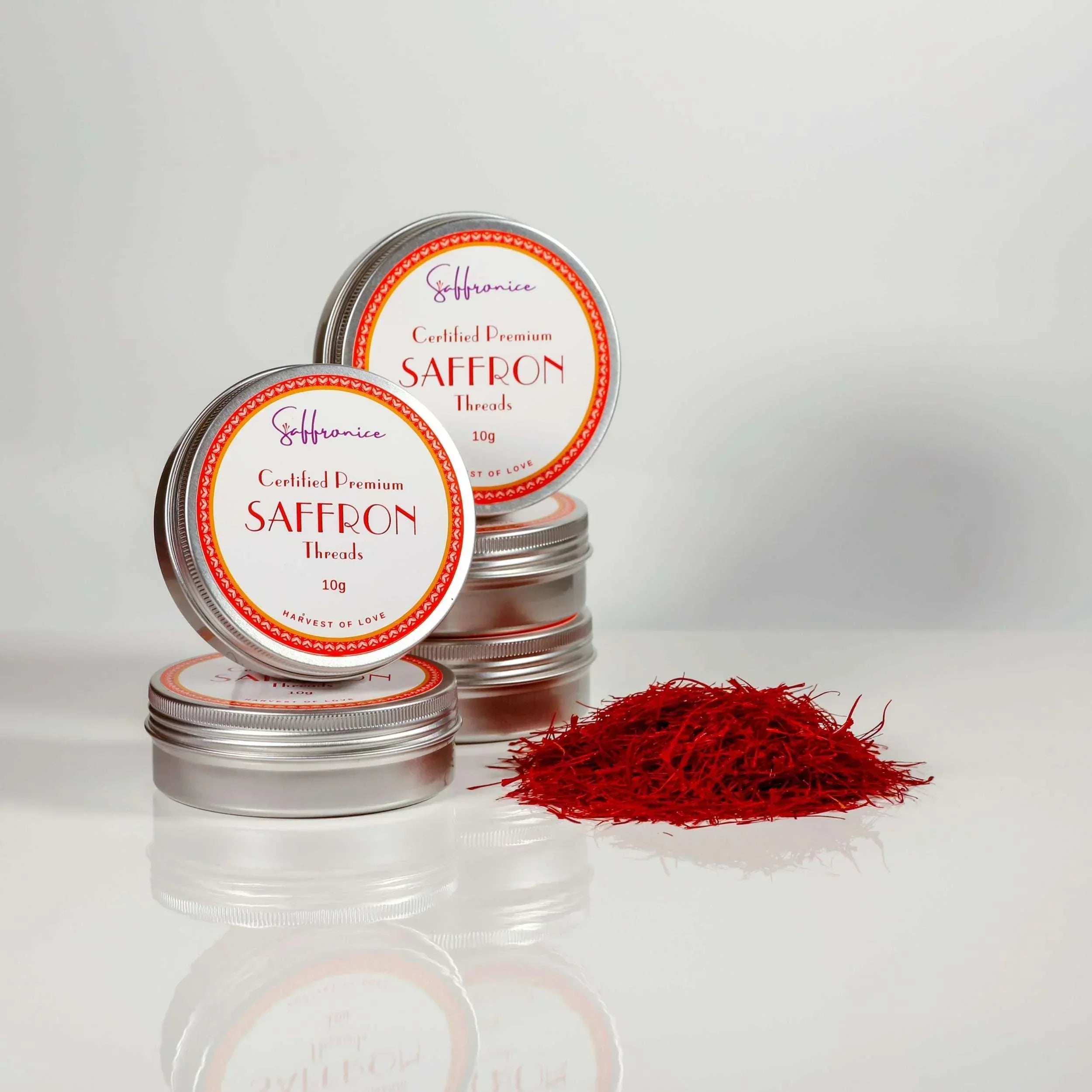
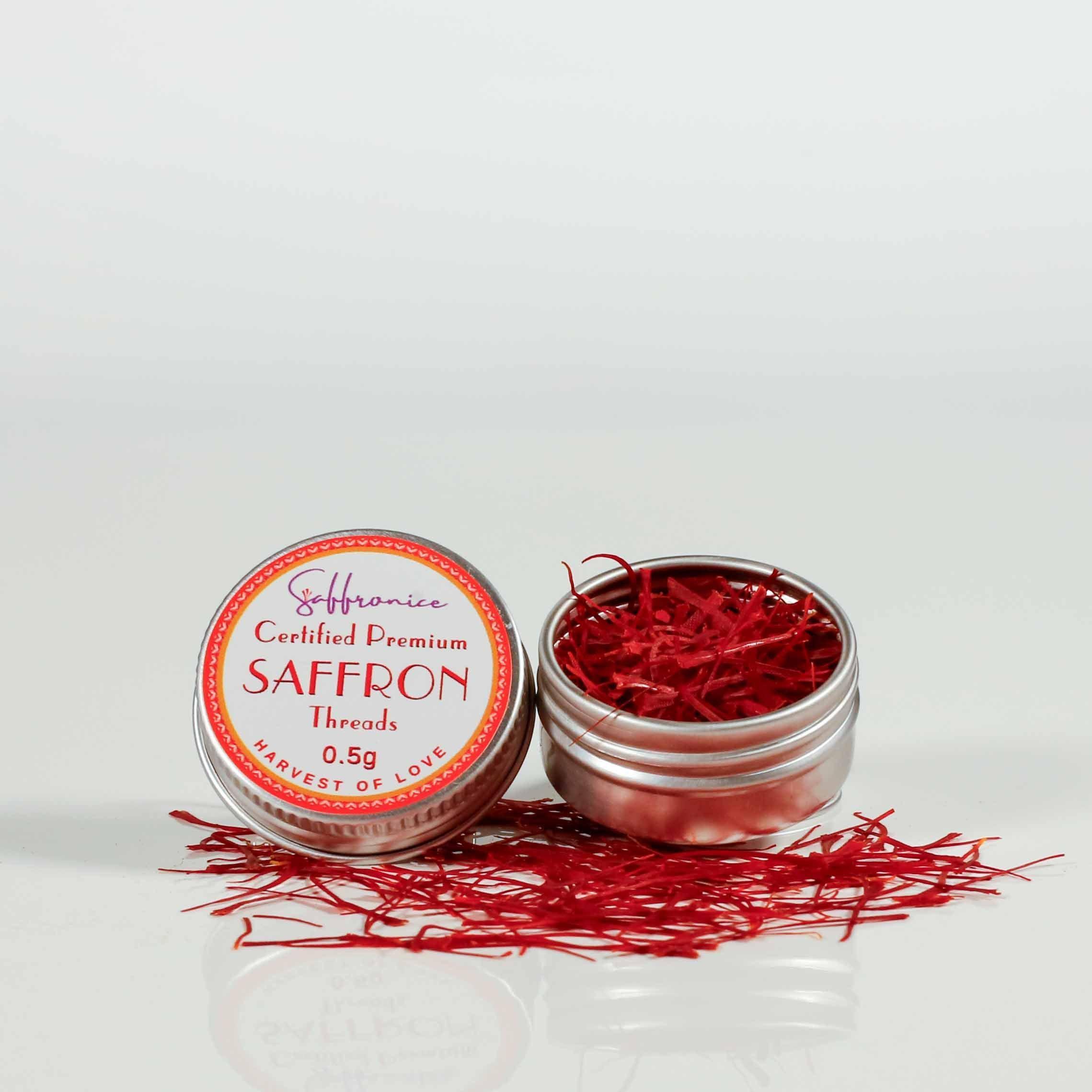
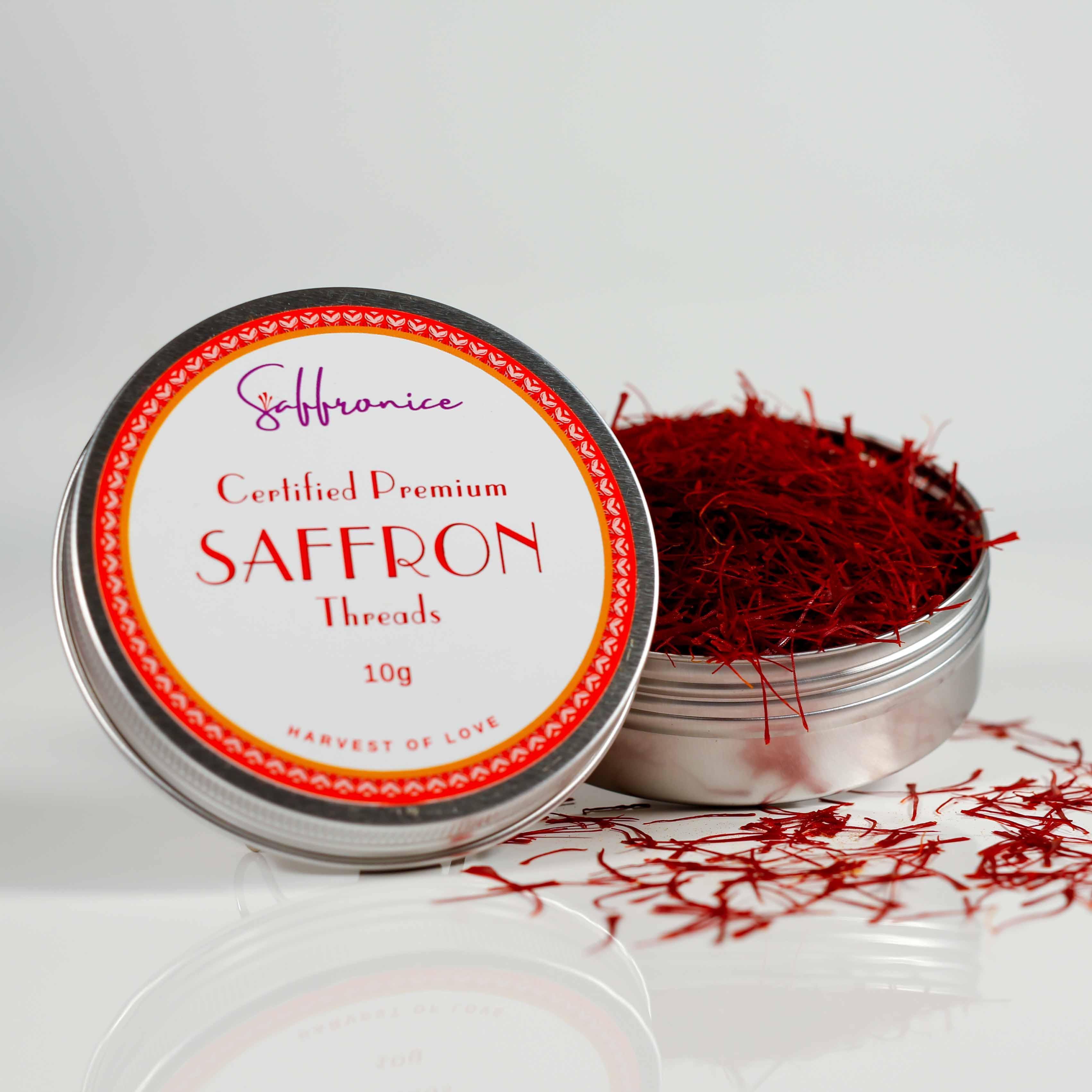
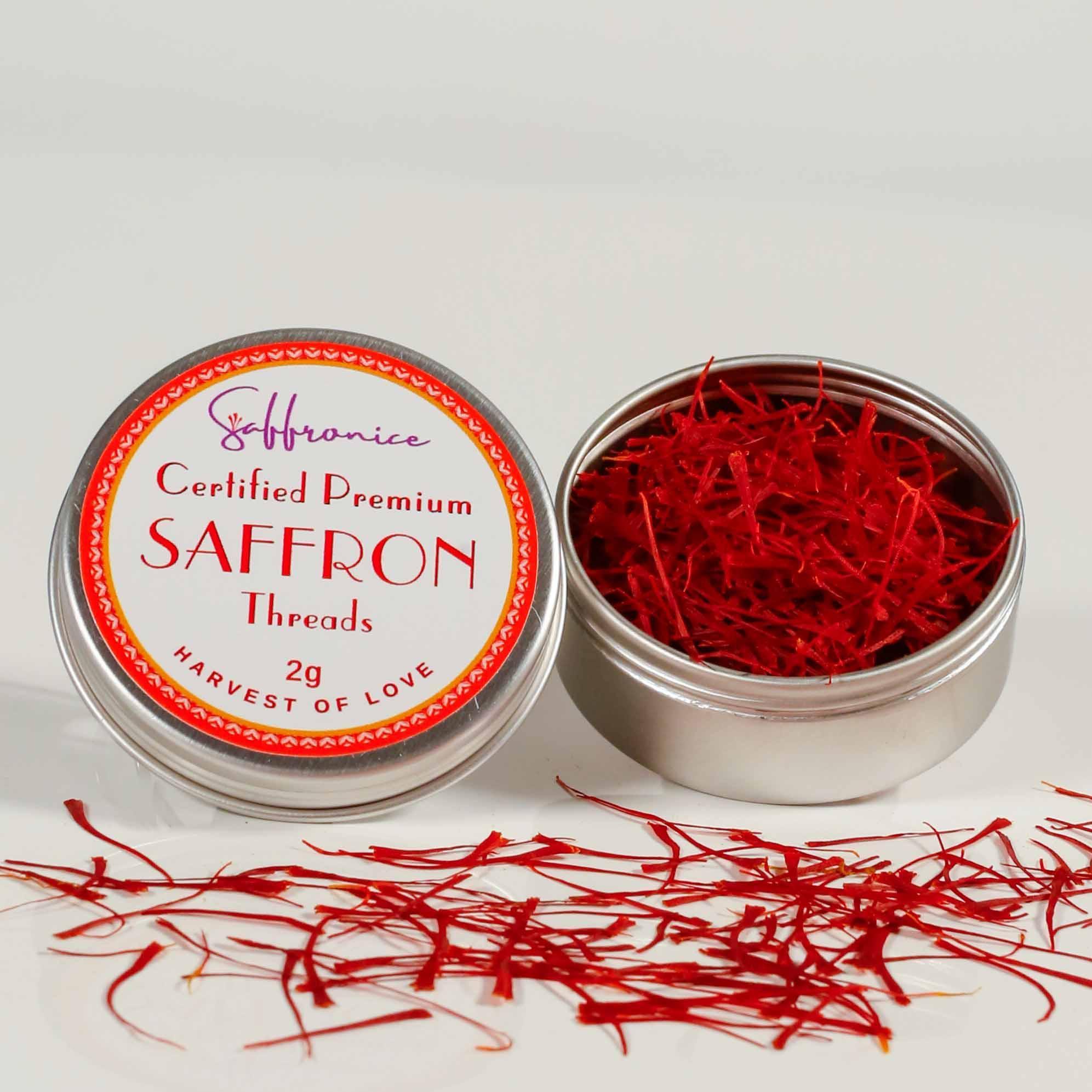
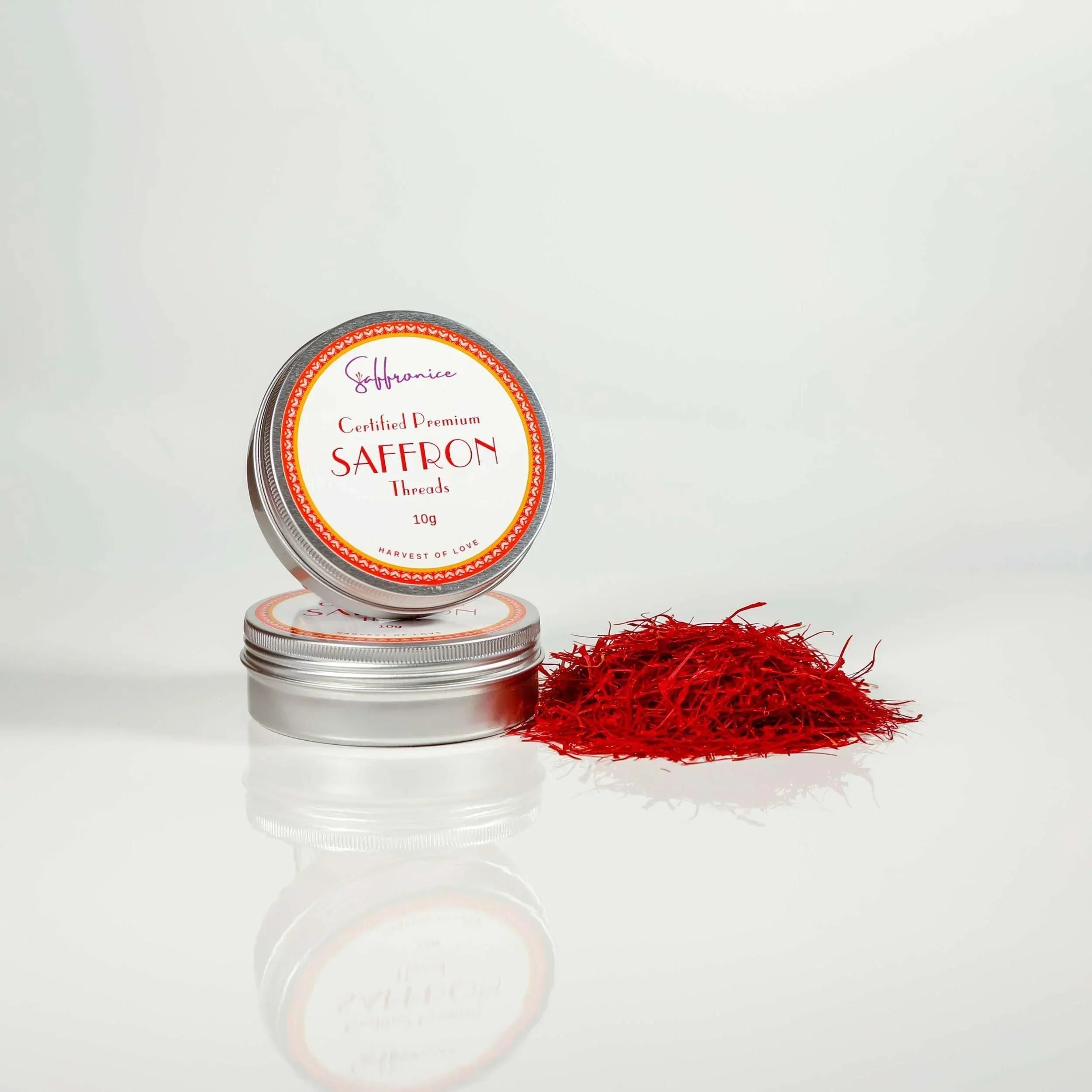
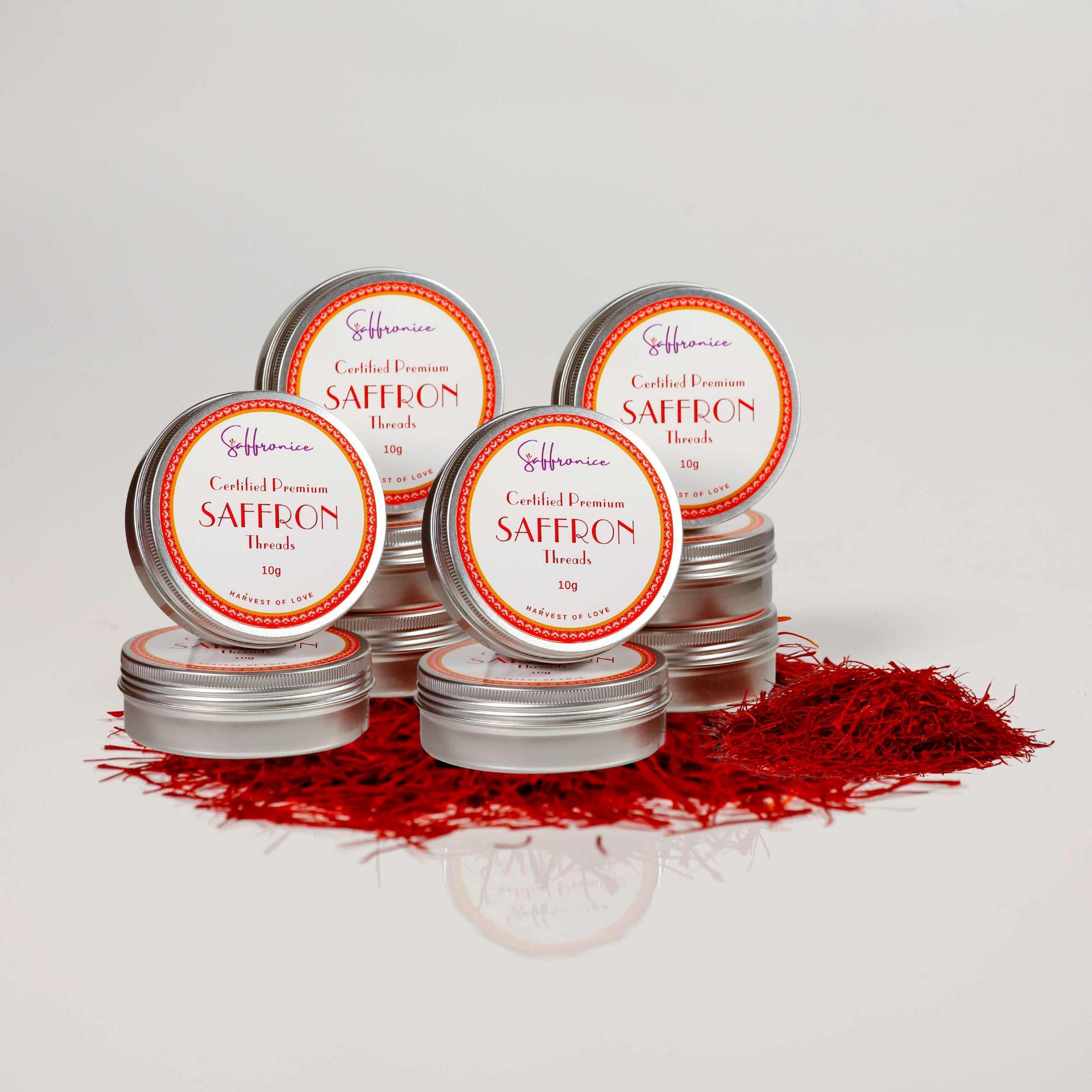
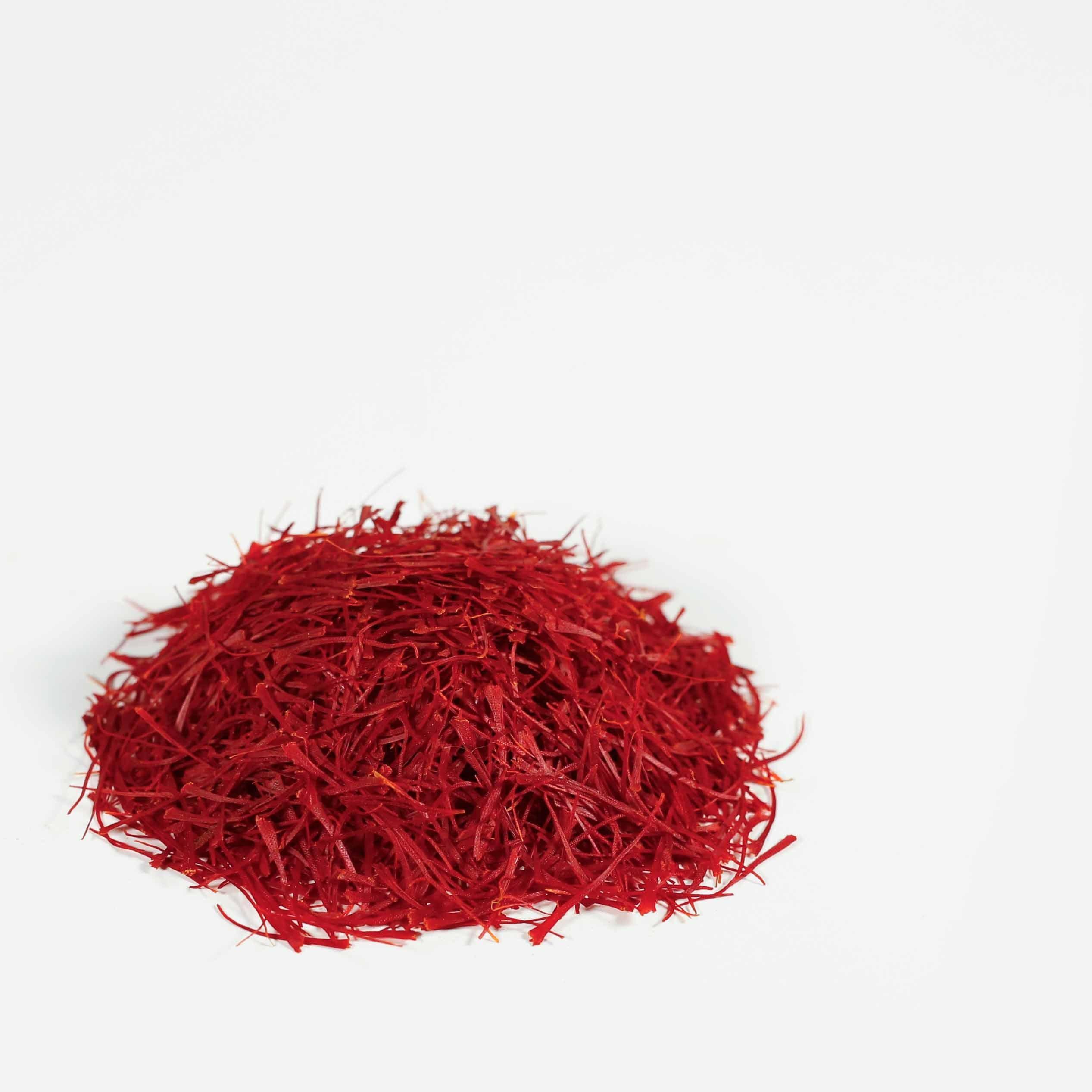
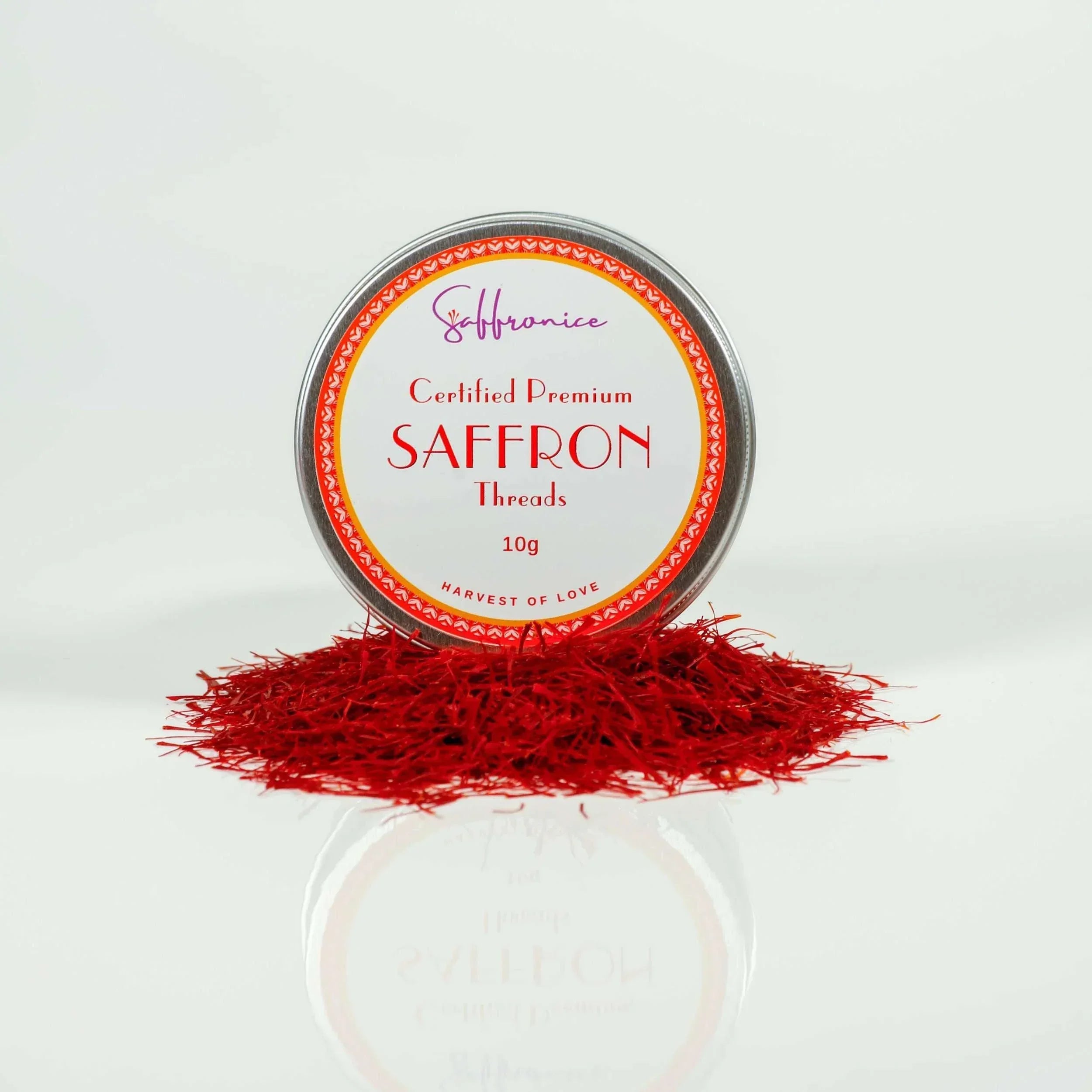
No product tells this story more clearly than saffron.
For thousands of years, Iranian families have grown saffron by hand — before sunrise, season after season, generation after generation. It is not an industrial crop. It is a cultural practice. I’ve seen what happens when that practice is respected — and what happens when it’s taken away from the people who safeguard it.
When farmers are free:
-
Saffron Adulteration fades
-
Pricing becomes fair
-
Transparency replaces doubt
Saffron ceases to be a commodity under pressure and returns to being what it always was: a gift of land, labour, and time.

Beyond Saffron: A Cultural Reawakening
This moment is not only about exports. It’s about reconnection.
Many Iranians abroad, myself included, are planning to return — not just to rebuild businesses, but to rebuild bridges. Trade. Education. Tourism. Cultural exchange. Storytelling.
Iran is not a place the world should only read about.
It is a place the world needs to walk through.
From Persepolis to Isfahan, from Shiraz to ancient caravan routes, Iran holds layers of history that cannot be captured by headlines. Tourism in a free Iran is not spectacle — it is education. It is context. It is truth. It is something I want others to experience the way it was meant to be experienced.
What This Means for the World
A free Iran doesn’t destabilise global markets — it stabilises them.
-
Real access to Iranian goods replaces diluted substitutes
-
Ethical trade replaces shadow supply chains
-
Cultural understanding replaces fear
-
Quality replaces uncertainty
This is not charity.
It is mutual benefit.
Iran Was Never Lost — Only Blocked
Iran does not need reinvention.
It needs reconnection.
When occupation ends, culture flows again. When people regain agency, their work speaks for itself. And when farmers, artisans, and families are free, the world finally meets the Iran that always existed — patient, ancient, resilient, and generous.
This is not a comeback.
It is a continuation.