
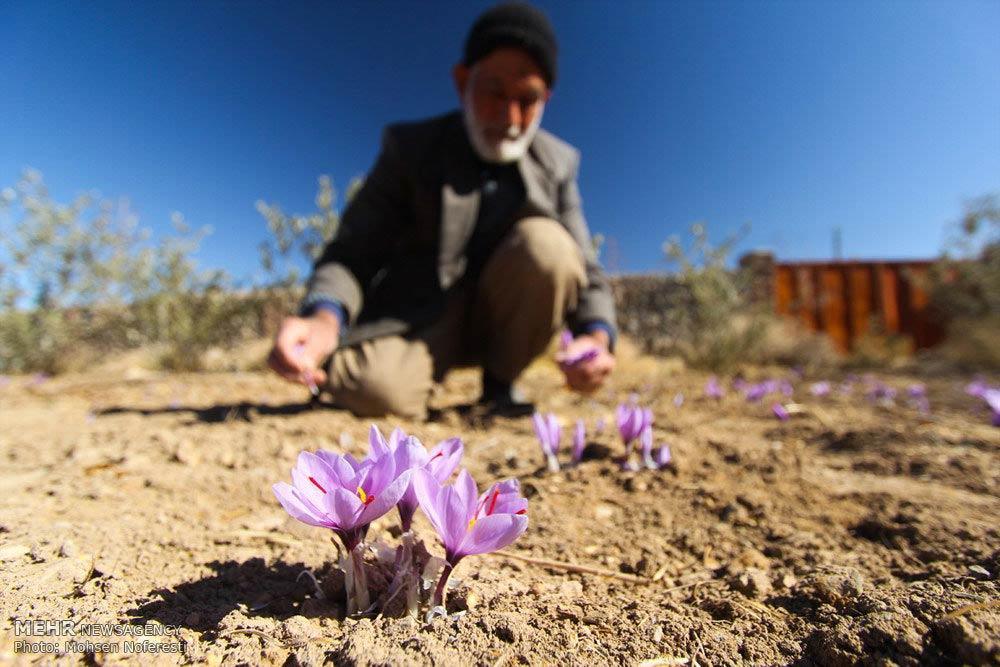
From 1 to 4 November 2026, the historic Turkish town of Safranbolu held its 10th International Saffron Festival, with a programme featuring traditional harvesting, regional cuisine, cultural activities and international culinary expertise.
The 2026 edition marked an important milestone as the festival adopted an international format for the first time. It also highlighted something easily overlooked when buying saffron: behind the delicate red threads are generations of agricultural knowledge, regional traditions and skilled growers.
At a Glance
- Event: 10th International Saffron Festival
- Location: Safranbolu, Karabük, Türkiye
- Dates: 1–4 November 2026
- Organiser: Safranbolu Municipality
- Focus: Saffron heritage, traditional harvesting, gastronomy and cultural exchange
A Festival Celebrating Safranbolu's Saffron Heritage
Safranbolu is widely recognised for its historic architecture and cultural heritage. The town is listed as a UNESCO World Heritage Site, but its connection to saffron is another important part of its identity.
Saffron cultivation has long been associated with the region, where the spice is valued not only as an agricultural product but also as part of local culinary traditions.
The region's celebrations form part of the wider history of saffron and its cultural significance, which spans thousands of years and several civilisations.
Safranbolu saffron also has a recognised geographical indication, linking the product's identity to its place of origin. Such recognition helps distinguish regional agricultural products and highlights the importance of preserving their origins and production traditions.

What Was on the Programme at the 2026 Festival?
The four-day festival programme featured saffron harvesting activities, culinary demonstrations, competitions and cultural events.
Traditional Saffron Harvesting
Traditional saffron harvesting was a central part of the festival's programme, allowing visitors to see the careful work involved in producing the spice.
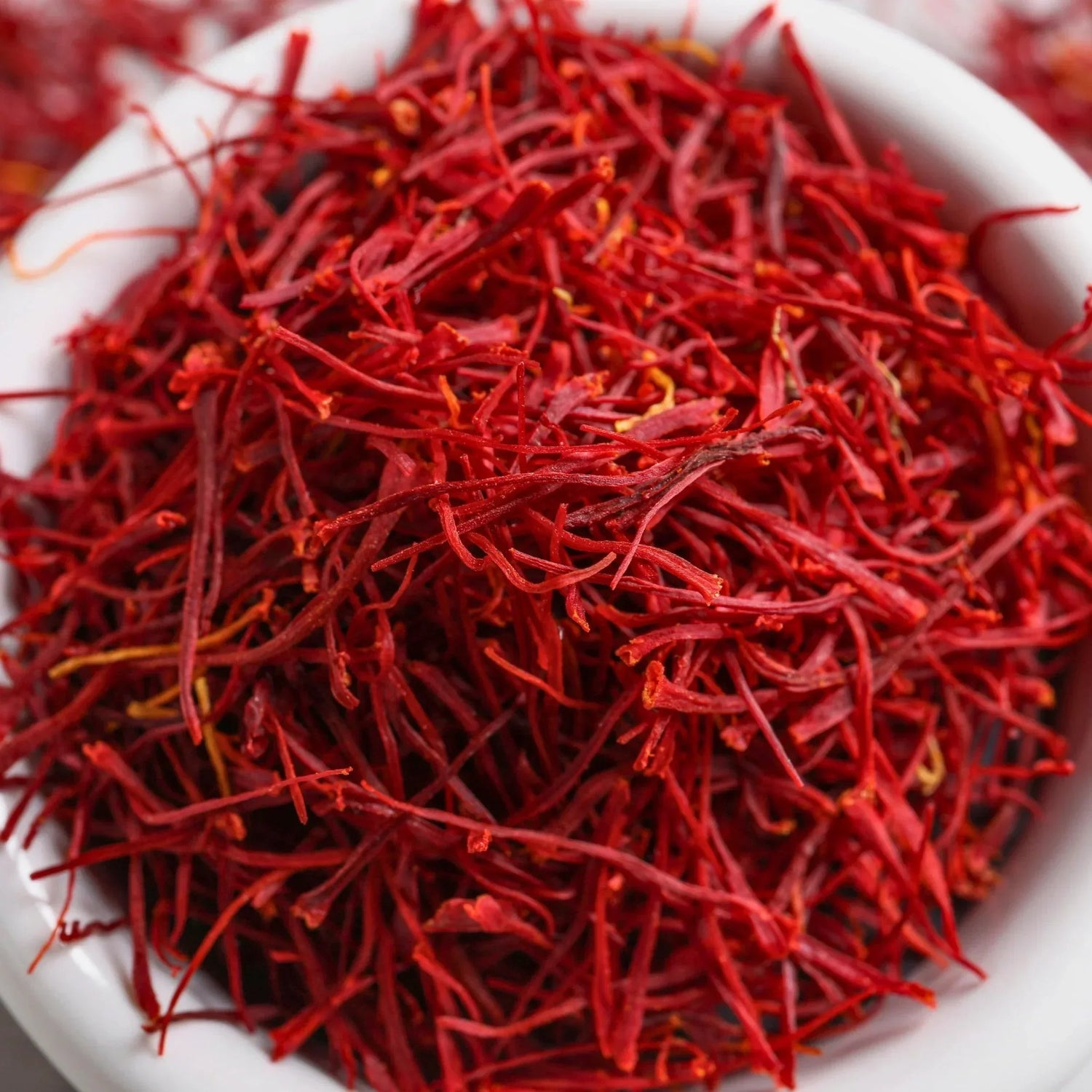
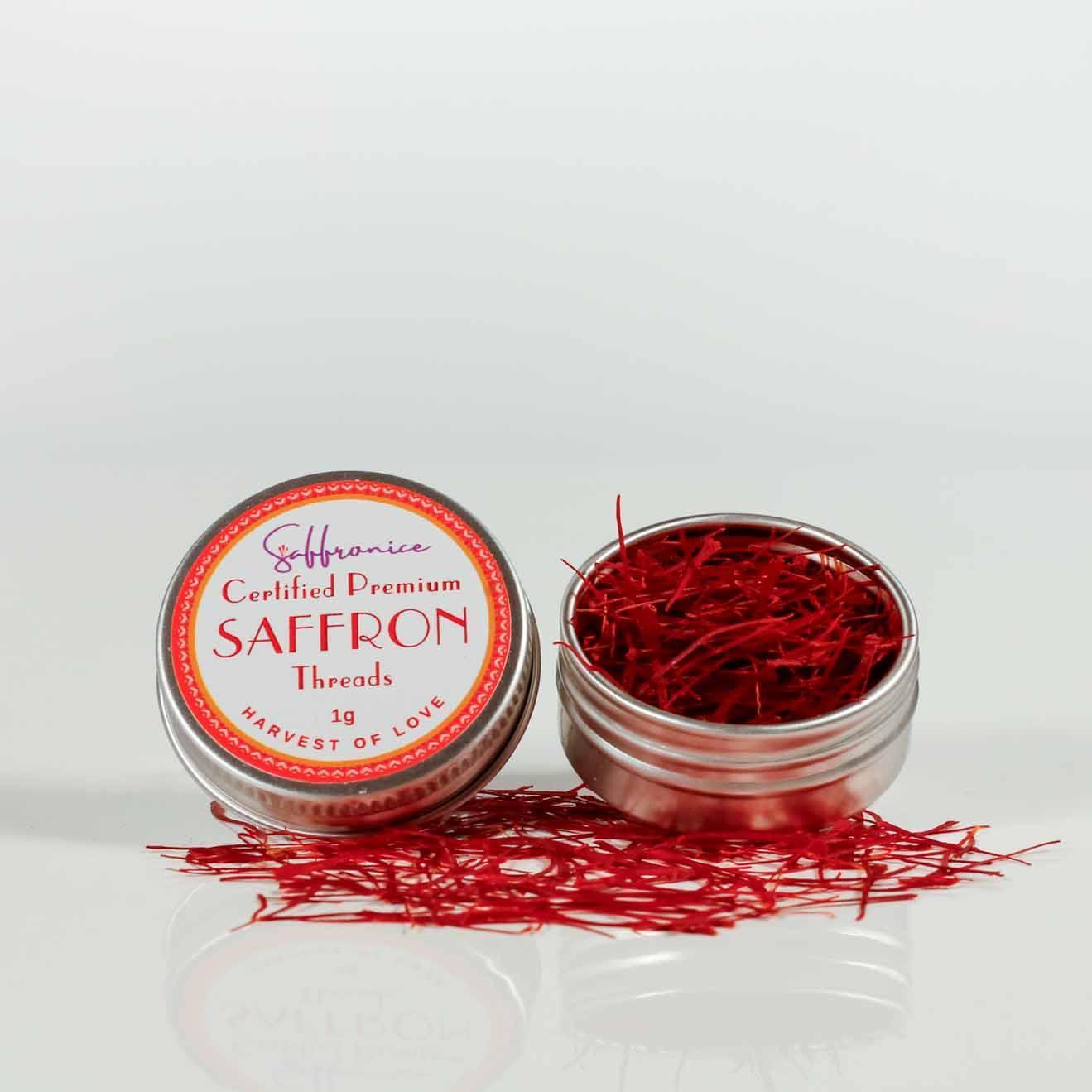
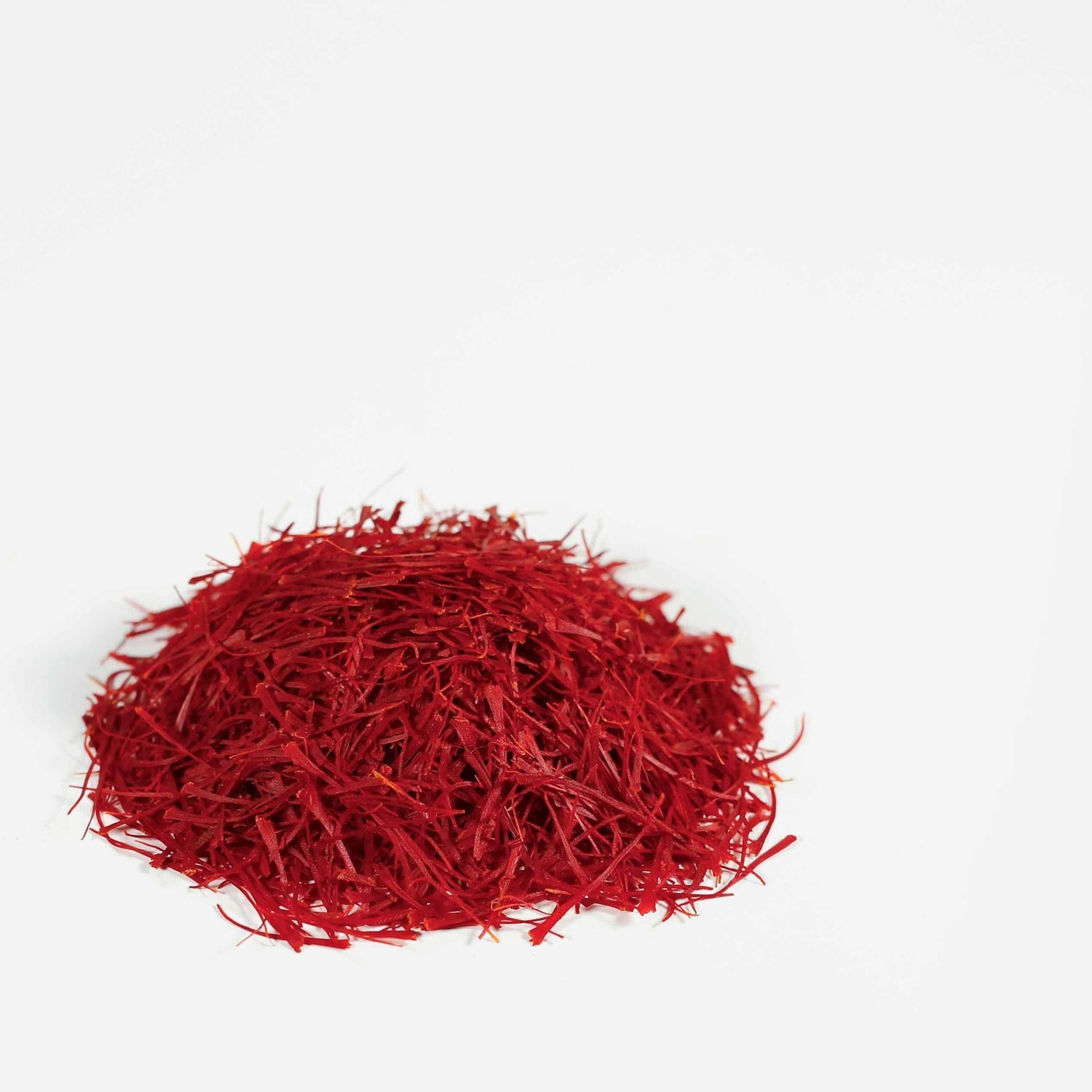
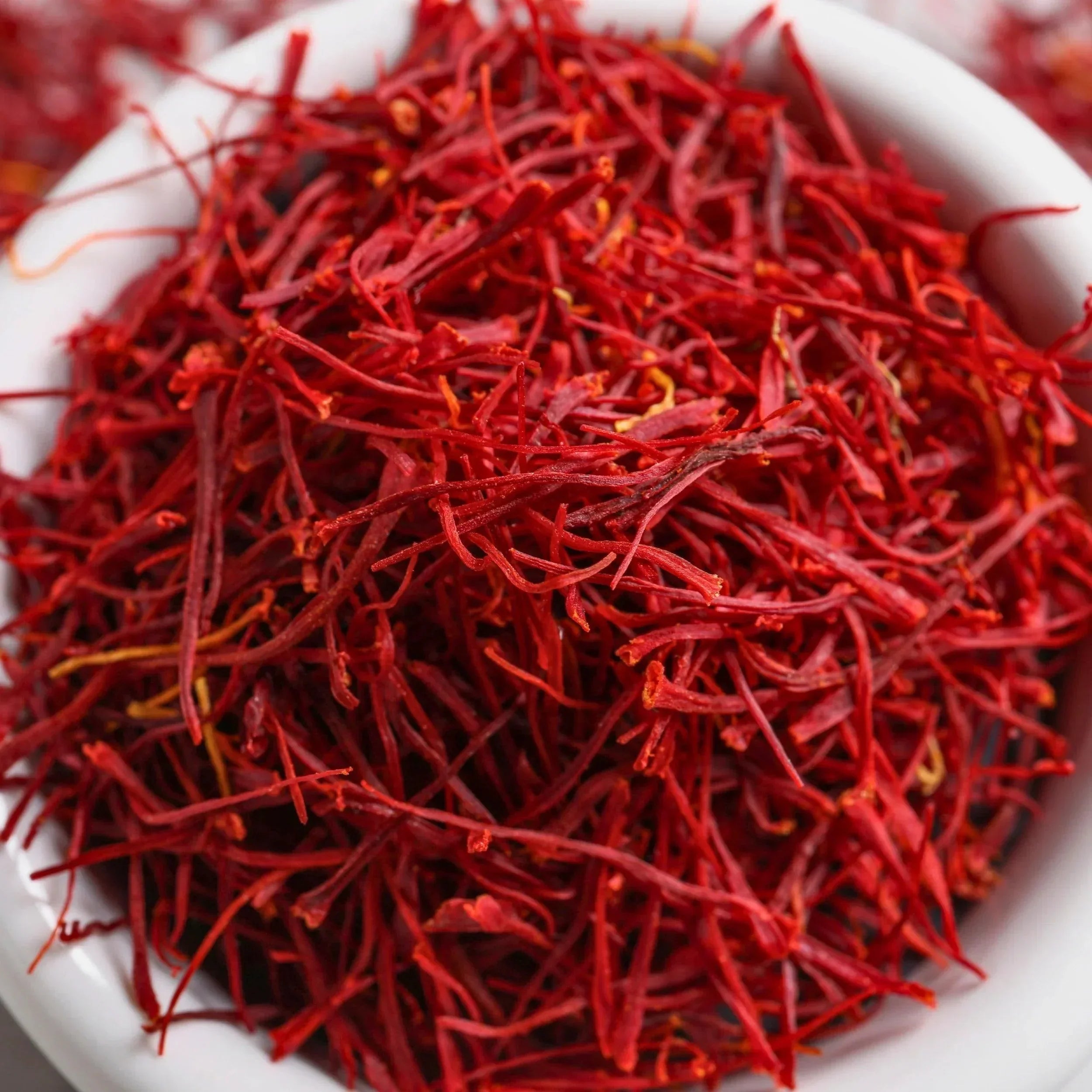
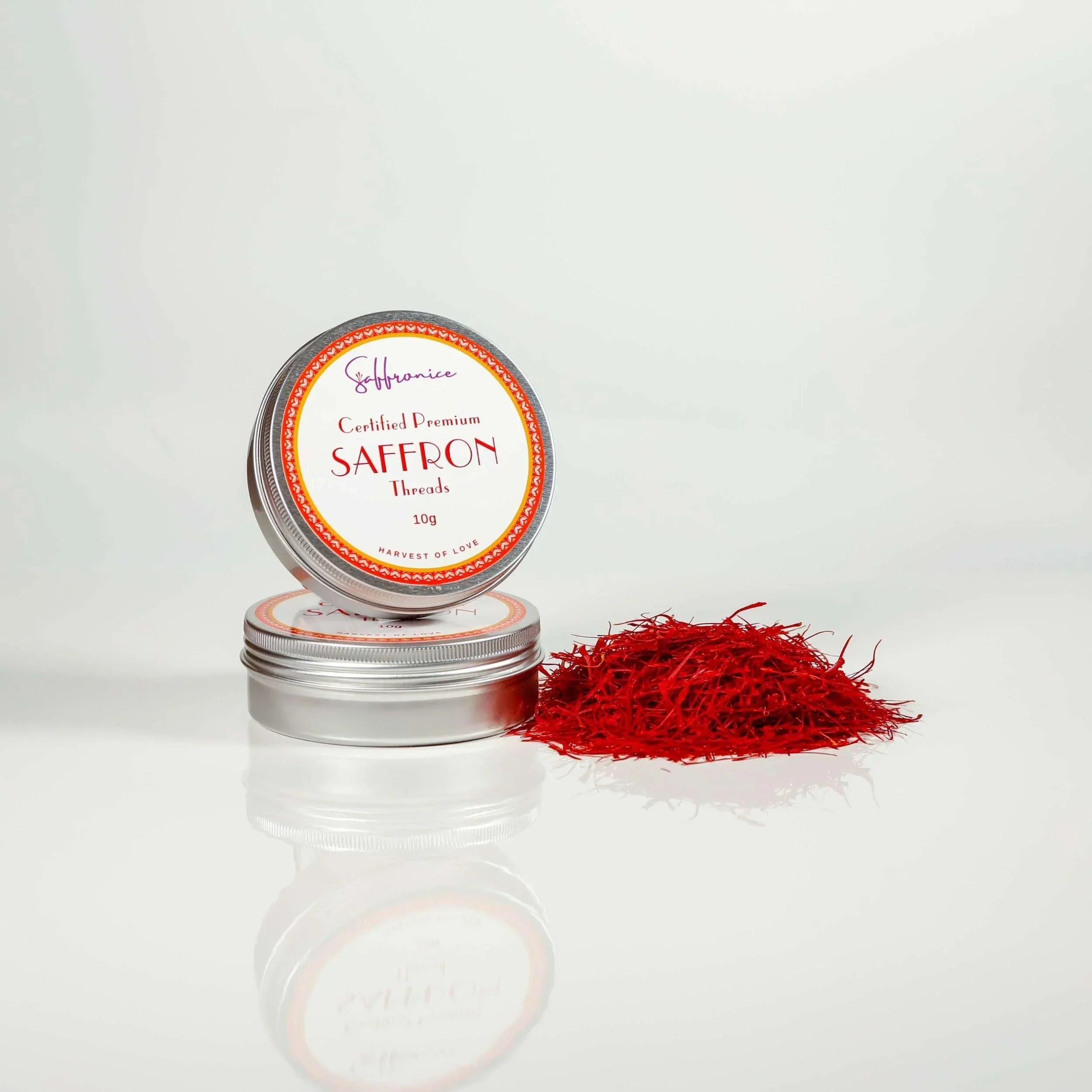
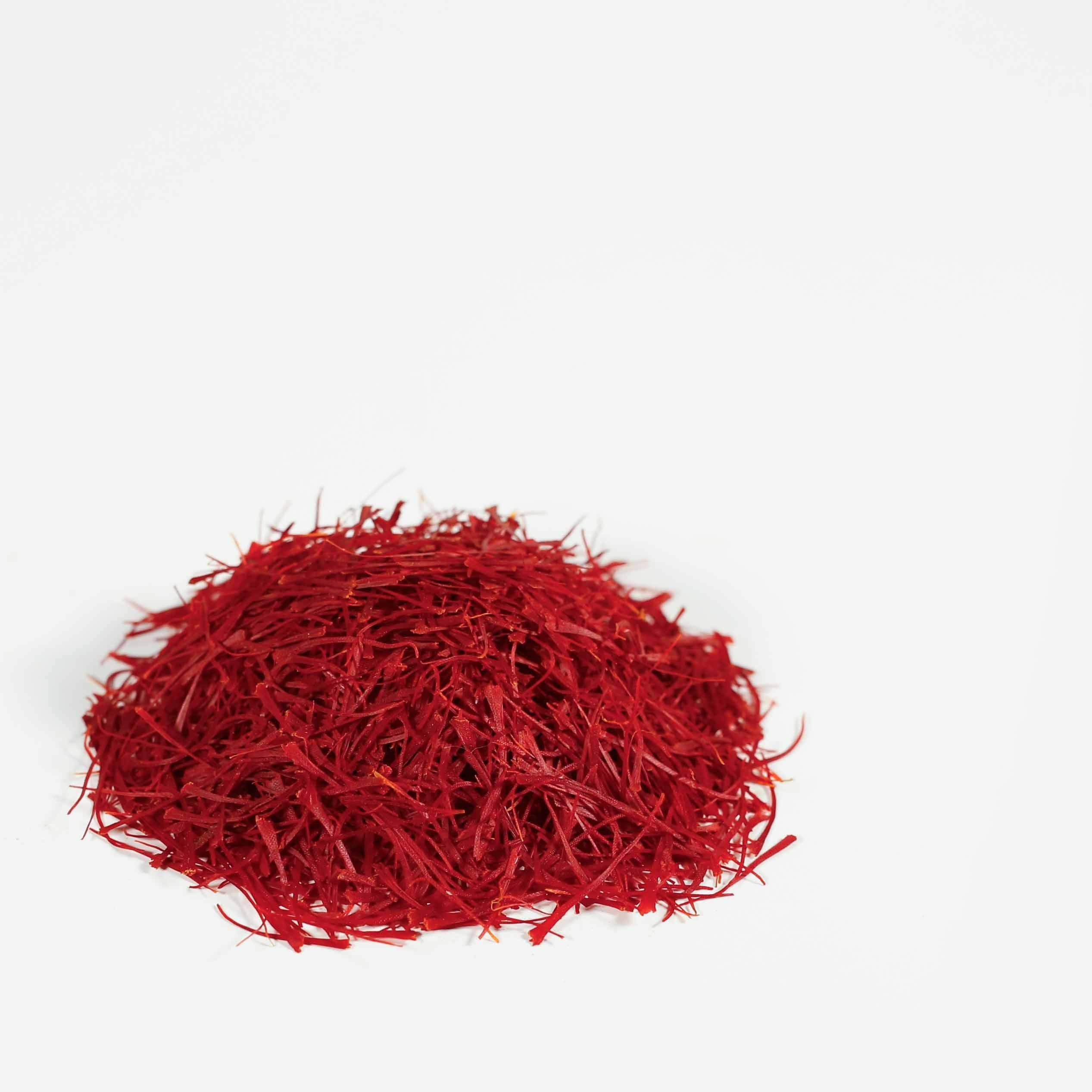
Unlike many spices that come from seeds, bark or leaves, saffron comes from the delicate red stigmas inside the Crocus sativus flower.
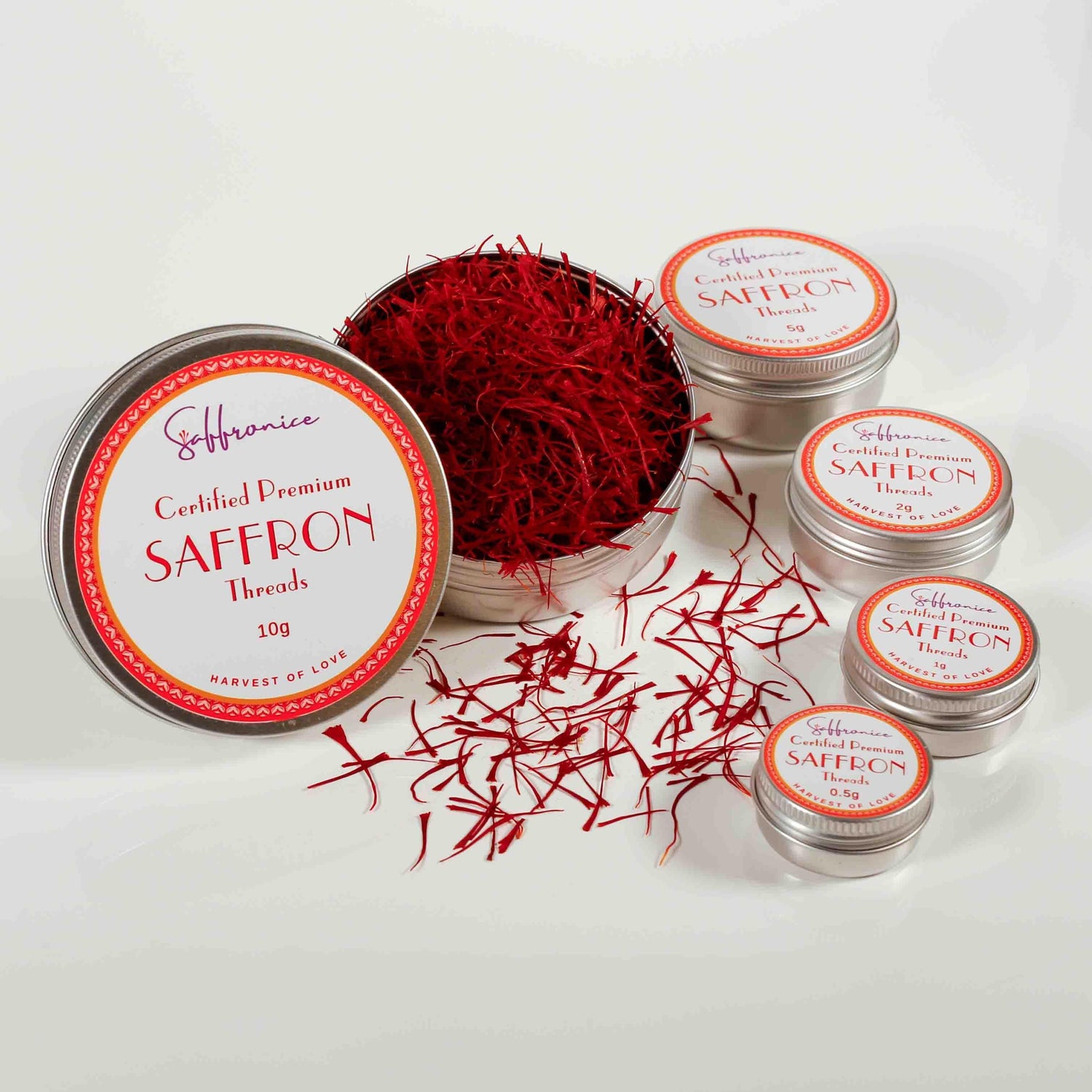
Each flower produces only three red stigmas, which must be carefully separated and dried to produce the familiar saffron threads.
On 1 November, participants took part in saffron harvesting at Safranova in Gayza Village. The festival programme also scheduled a final harvesting and sorting gathering at a saffron farm in Yukarı Çiftlik Village on 4 November.
These activities illustrate the painstaking manual work involved in producing even a small quantity of saffron.
Saffron in Traditional and Modern Cooking
Food played a prominent role in the celebrations, with the festival programme featuring cooking demonstrations, chef discussions and competitions involving saffron-based bread and beverages.
One of the opening day's highlights was the preparation of one tonne of saffron pilaf, served to approximately 6,000 people taking part in the celebrations. This impressive dish demonstrated saffron's culinary importance and the festival's spirit of hospitality.
Traditional specialities were also part of the opening celebrations, including zerde, a golden Turkish dessert made with saffron, and saffron-flavoured macun, a traditional sweet paste.
International Culinary and Cultural Exchange
The festival's expanded international programme was designed to introduce Safranbolu's saffron heritage to a wider audience.
Through culinary demonstrations, discussions and cultural activities, organisers sought to bring together different perspectives on saffron cultivation, preparation and culinary traditions.
These activities offer visitors a closer look at how saffron is harvested and processed, from collecting the flowers to separating and drying the stigmas.
Why Is Safranbolu's Saffron Heritage Important?
In Safranbolu, saffron represents more than a culinary ingredient. Its cultivation is connected to regional identity, agricultural knowledge and skills passed between generations.
The International Saffron Festival helps introduce these traditions to new audiences while allowing local growers to share their expertise.
Although international recognition may increase interest in the region, it does not necessarily translate into greater saffron production or changes in global supply. The festival's significance lies primarily in preserving cultural heritage, supporting local growers and promoting traditional agricultural knowledge.
Why Does This Matter to Saffron Buyers?
For saffron buyers, festivals like this offer a better understanding of what goes into producing the spice.
Seeing growers harvest the delicate stigmas by hand helps explain why saffron production is so labour-intensive. Regional dishes also introduce consumers to different ways of using saffron, from traditional desserts to savoury dishes.
For buyers interested in saffron's origins, understanding where saffron comes from provides useful context for the different regions that cultivate and use the spice.
At Saffronice, we recognise that the knowledge, traditions and craftsmanship behind saffron are as much a part of its story as the colour, aroma and flavour of the finished spice.

Keeping Saffron Traditions Alive
The 2026 International Saffron Festival put a spotlight on Safranbolu's connection with one of the world's most distinctive spices.
Beyond the celebrations, the event illustrated the importance of traditional harvesting, regional cuisine and the agricultural knowledge behind saffron production.
For saffron enthusiasts around the world, Safranbolu offers a reminder that this remarkable spice carries a story of people, place and craftsmanship far beyond the kitchen.
References
Safranbolu Municipality. (2026, July 20). 10th International Saffron Harvest Festival to Be Held on 1–4 November.
Safranbolu Municipality. (2026, October 23). This Heritage Belongs to All of Us: Safranbolu Saffron Should Become a Global Brand.
Cittaslow International. (n.d.). Safranbolu Celebrates Its 10th International Saffron Festival.
UNESCO World Heritage Centre. (n.d.). City of Safranbolu.
Demirören News Agency. (2026, November 1). Saffron Harvest Takes Place at International Saffron Festival.
Safranbolu Municipality. (2026, October 22). The Future of Saffron Discussed at A Saffron Story Gathering.