
What Does Research Say About Saffron and Mood?
A 2026 human trial explored the effects of a standardised saffron extract on mood and sleep in women aged 50–70. Here’s what the researchers found, what the study did not...



This page explores why saffron appears in PMS-related contexts, drawing a clear line between traditional use, modern research interest, and responsible interpretation — without making medical claims or recommendations.

Educational content

Evidence-aware

No medical claims
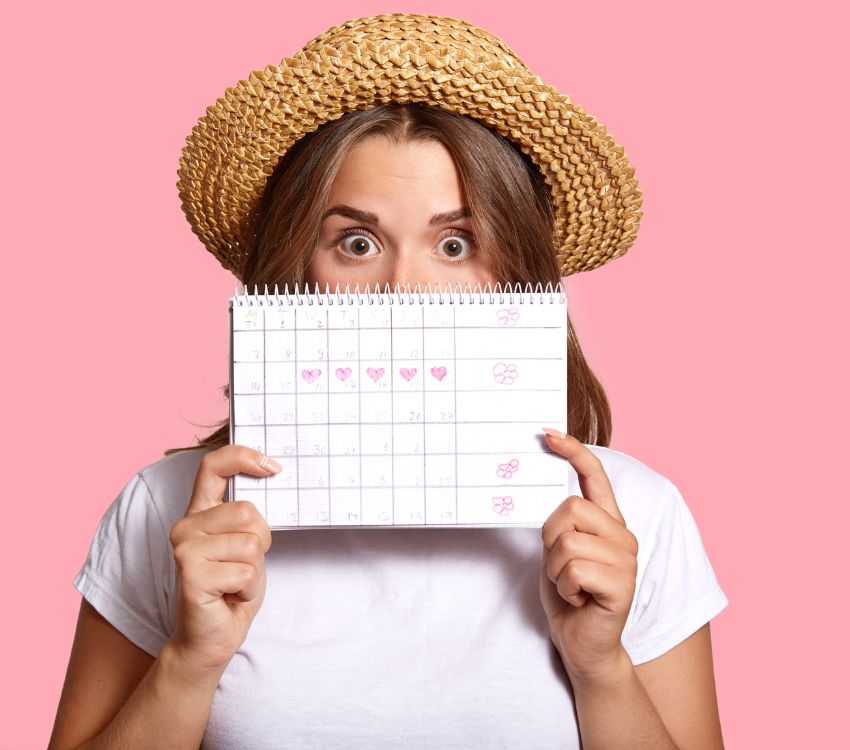
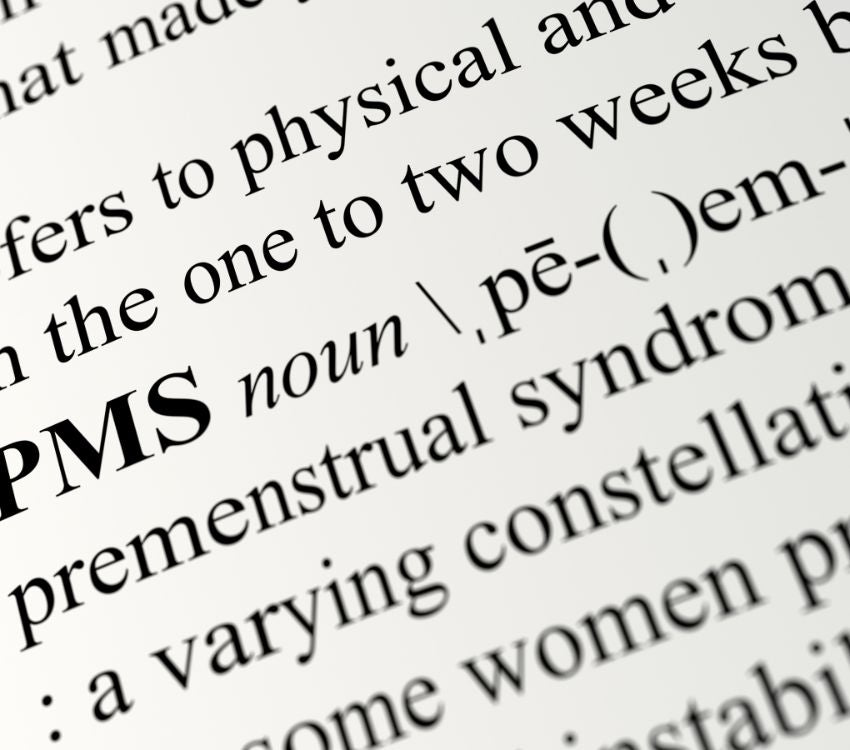
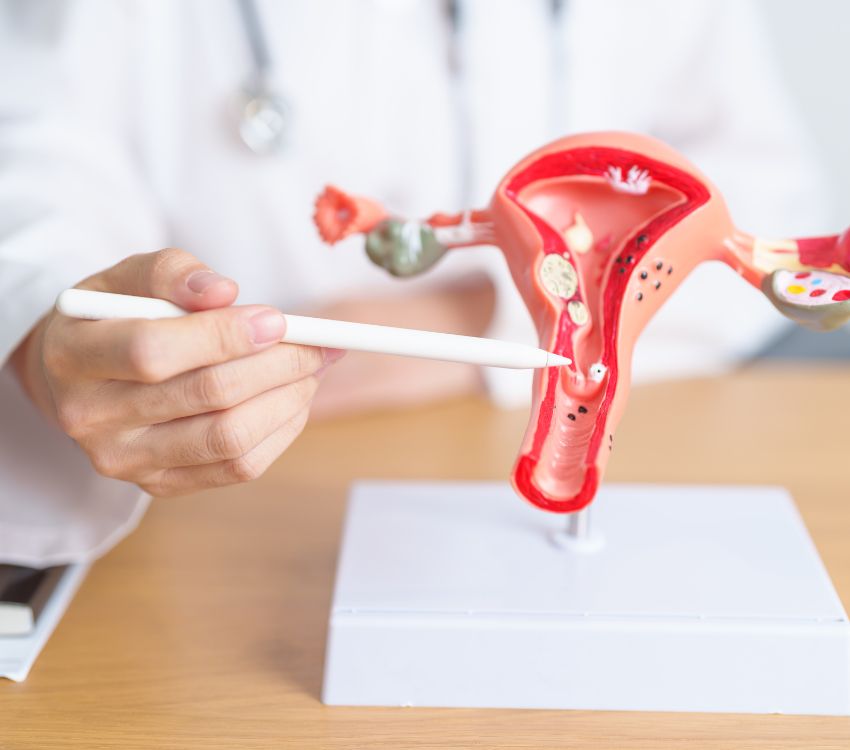
Premenstrual Syndrome (PMS) is a term commonly used to describe a collection of physical and emotional changes that may occur in the days leading up to menstruation. These experiences vary widely between individuals and can include changes in mood, energy levels, appetite, and physical comfort.
It’s important to recognise that:
For these reasons, discussions around PMS increasingly focus on lifestyle context, emotional awareness, and holistic support rather than isolated solutions.
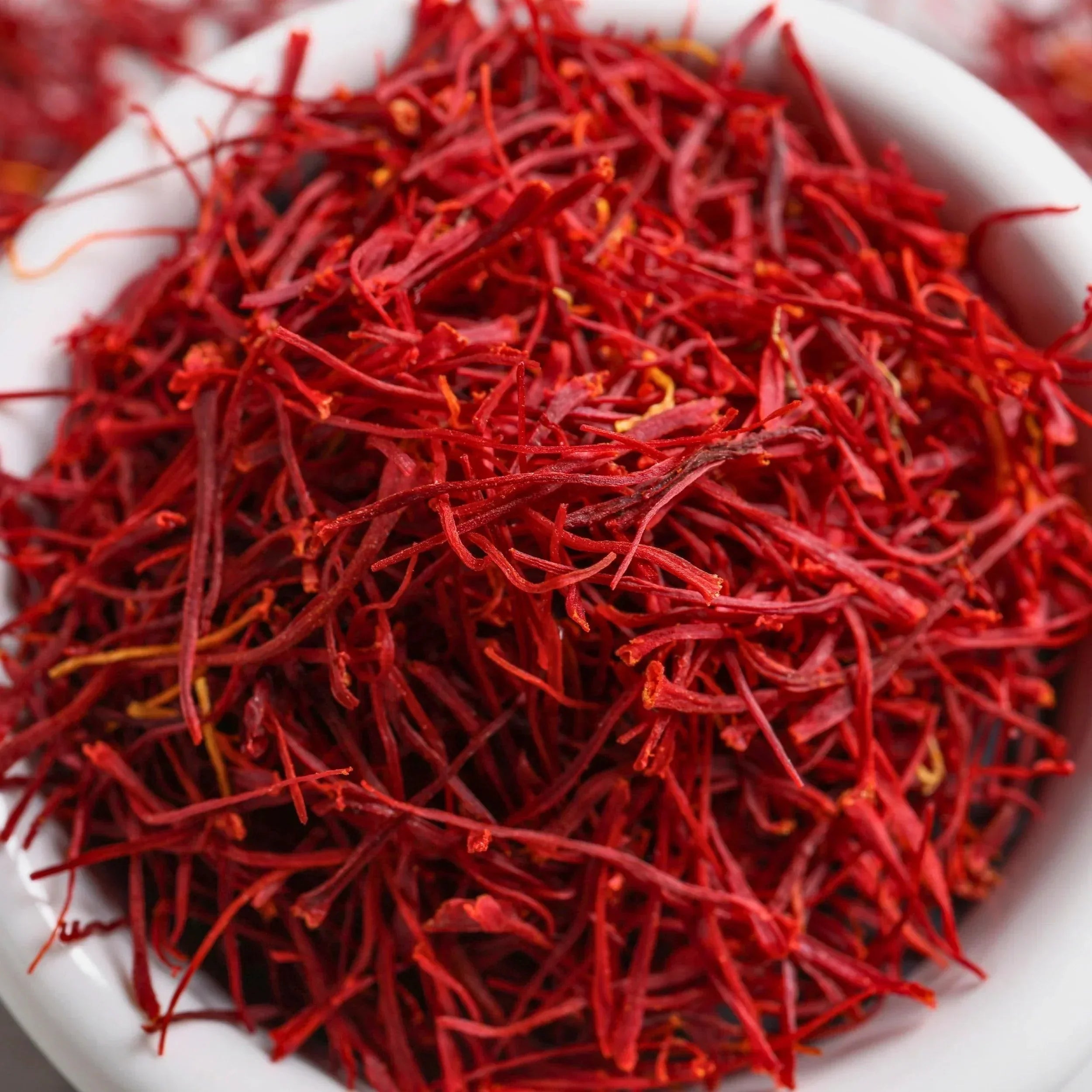
Historically, saffron has appeared in traditional Persian, Mediterranean, and South
Asian cultures as part of food, ritual, and seasonal practices.
In these contexts, saffron was associated with:
Traditional use did not frame saffron as a treatment for specific conditions, but rather as part of a wider cultural approach to nourishment and rhythm.

It’s essential to distinguish discussion from outcome. While saffron is frequently mentioned in PMS-related wellness conversations:
Responsible education means understanding where interest exists without overstating conclusions.
If you’re interested in learning more about how saffron is discussed in relation to cyclical wellbeing, the following pages provide additional context:
Each page offers topic-specific education while maintaining clear boundaries around claims and use.

Some people choose to consume saffron in capsule or supplement form for convenience. A saffron supplement is simply one method of consuming saffron — not a fundamentally different substance.
The form in which saffron is consumed does not change the nature of the plant itself, and research findings are not interchangeable across formats.
If you wish to explore our saffron products, full information is available on the product pages.
A 2026 human trial explored the effects of a standardised saffron extract on mood and sleep in women aged 50–70. Here’s what the researchers found, what the study did not...

Explore our Ultimate Guide to Saffron Dosage and Its Versatile Uses, where we reveal the science behind saffron’s potent bioactives and offer expert dosage guidelines. Discover creative ways to incorporate...

1. Celebrating Saffron’s Timeless Role in Childhood Nutrition A Rich Cultural Heritage in Eastern Countries Saffron has been cherished for millennia, not merely as a spice but as a vital...
Educational information about saffron and wellbeing should always be interpreted
responsibly.
This page is for educational purposes only and does not constitute medical advice.