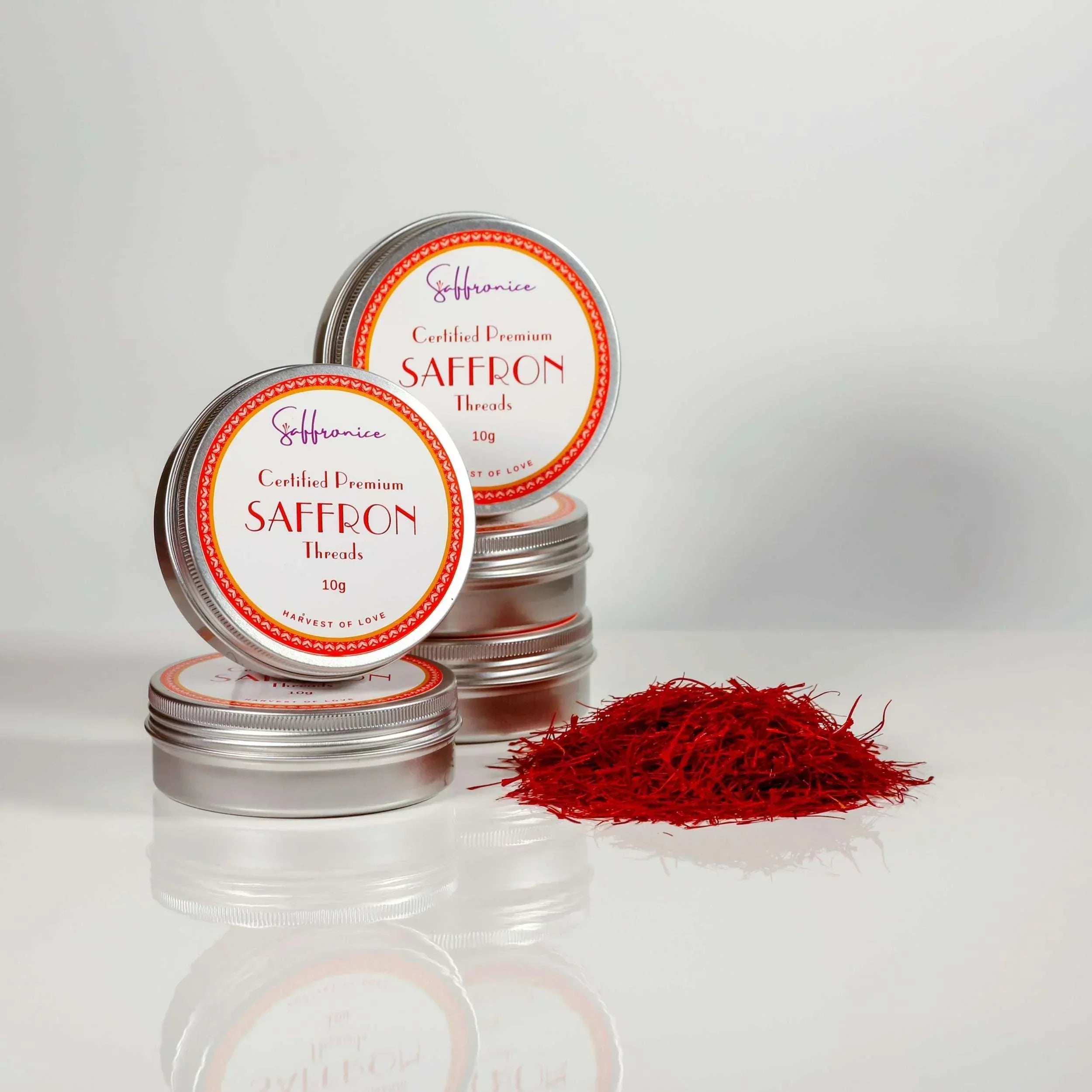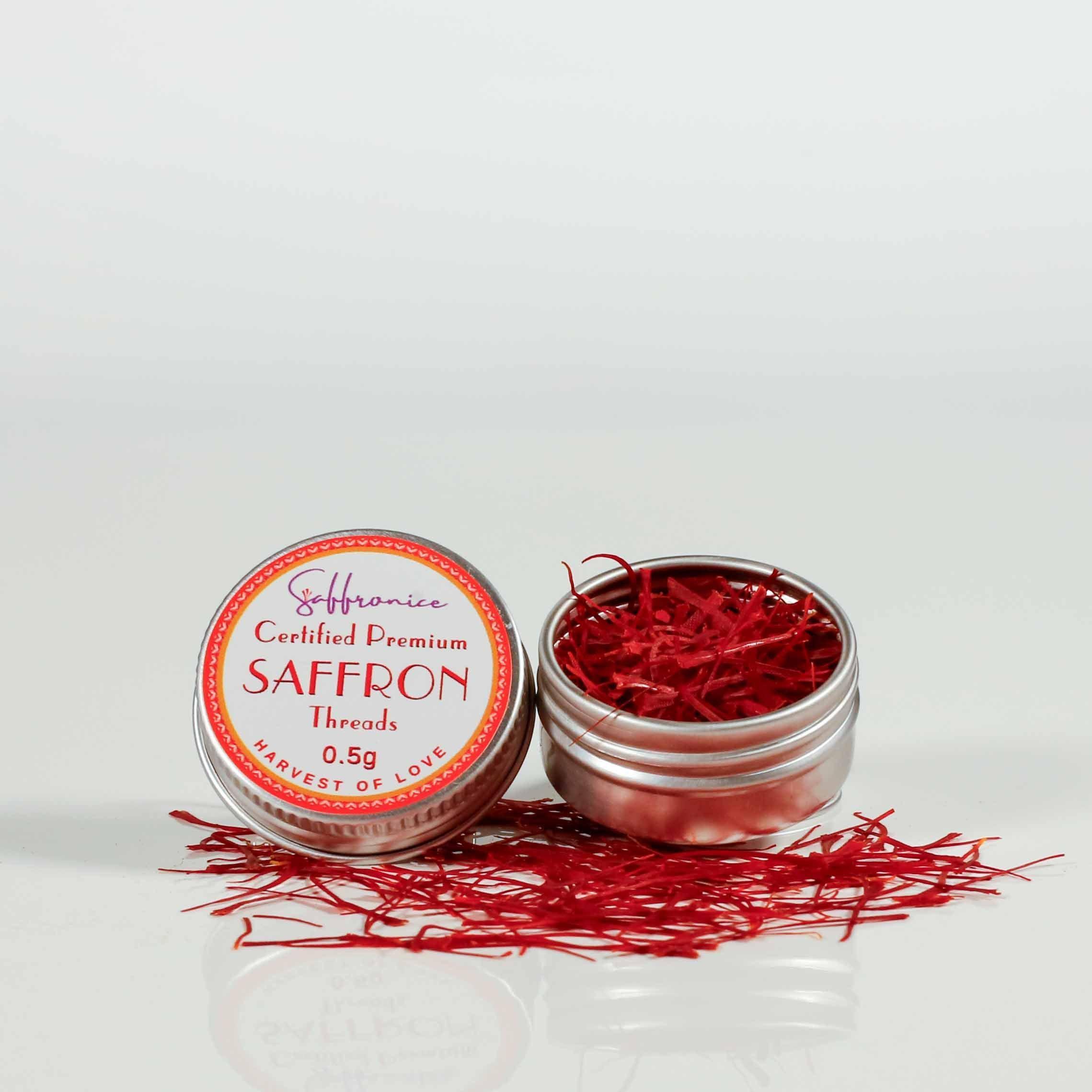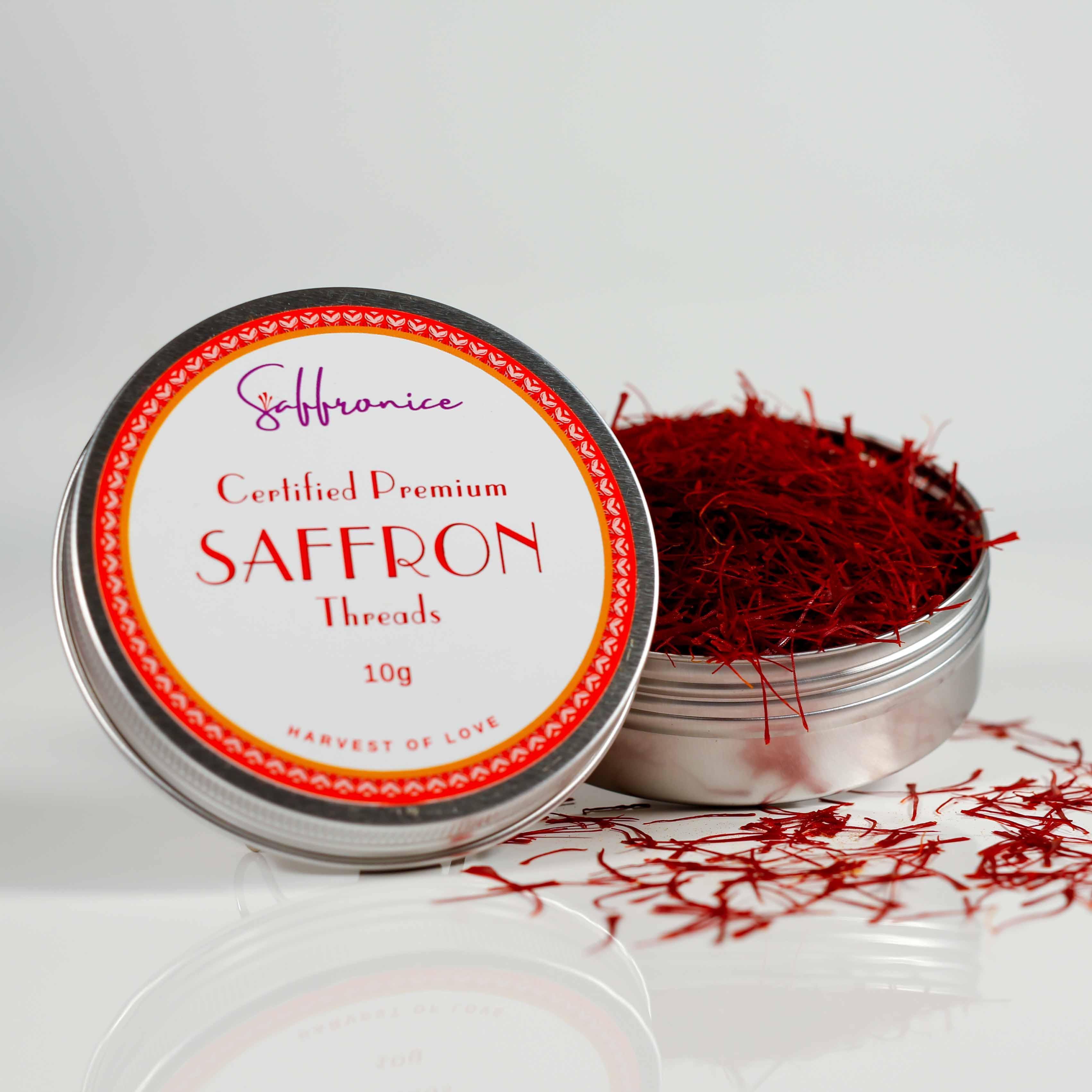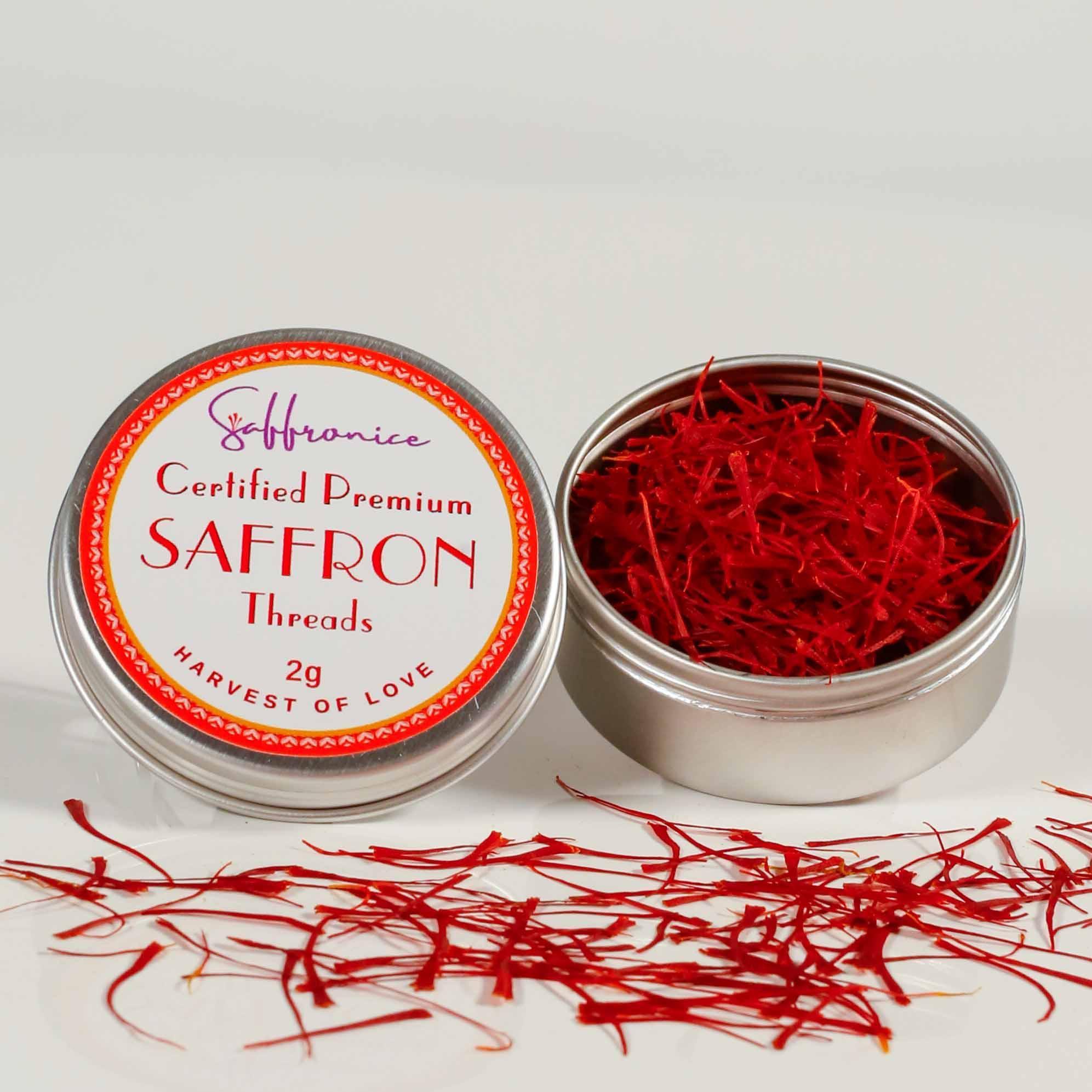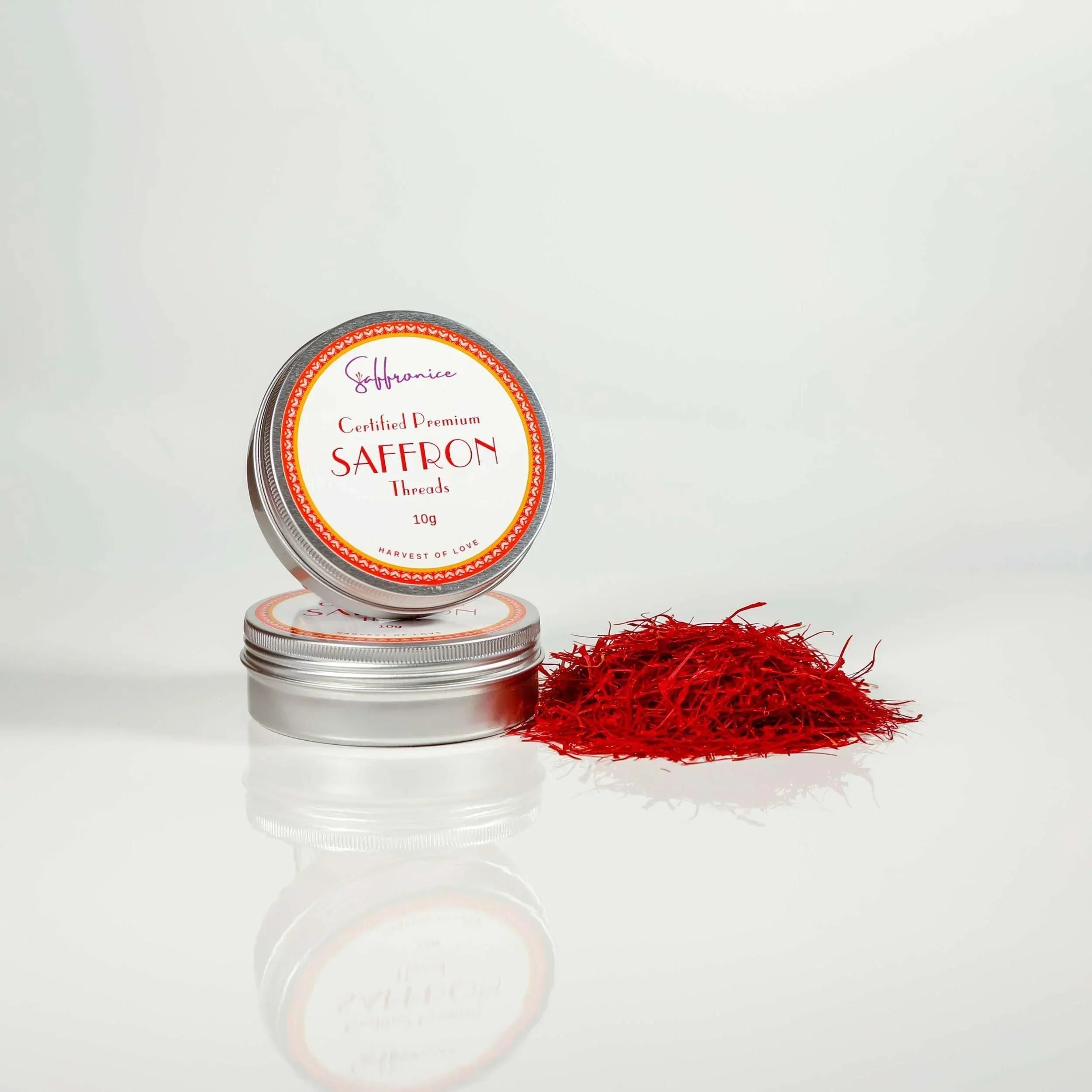

Saffron's high value makes authenticity an important issue for buyers. Because only a small amount of dried stigma is produced from each Crocus sativus flower, genuine saffron can be vulnerable to adulteration with cheaper materials.
But detecting those additions is not always straightforward.
A 2026 study published in Food Control investigated whether several forms of non-destructive spectroscopy could identify and measure small amounts of turmeric and paprika mixed with saffron.
The results suggest that spectroscopy combined with statistical modelling could provide a useful approach to rapid saffron authenticity screening. However, the study tested specific adulterants under controlled conditions, so the findings should not be interpreted as a universal test for fake saffron.
Study at a Glance
Study type: Laboratory food-authenticity study
Published: 2026, Food Control
Researchers: Oier Jurado Martin, Jordi Cruz Sanchez and Jose Manuel Amigo
What was tested: Saffron mixed with turmeric or paprika
Saffron purity tested: 90–100%
Methods: Fourier-transform infrared spectroscopy with attenuated total reflectance (FTIR-ATR), visible spectroscopy and near-infrared spectroscopy (NIR), combined with chemometric modelling
Main finding: All three spectroscopic approaches were investigated for quantifying adulteration, with FTIR-ATR producing the strongest predictive performance among the individual sensor methods tested.
Key limitation: The experiment focused on turmeric and paprika in the prepared samples. It does not establish that the same models can identify every substance that might be used to adulterate saffron.
Why Is Saffron Authenticity Difficult?

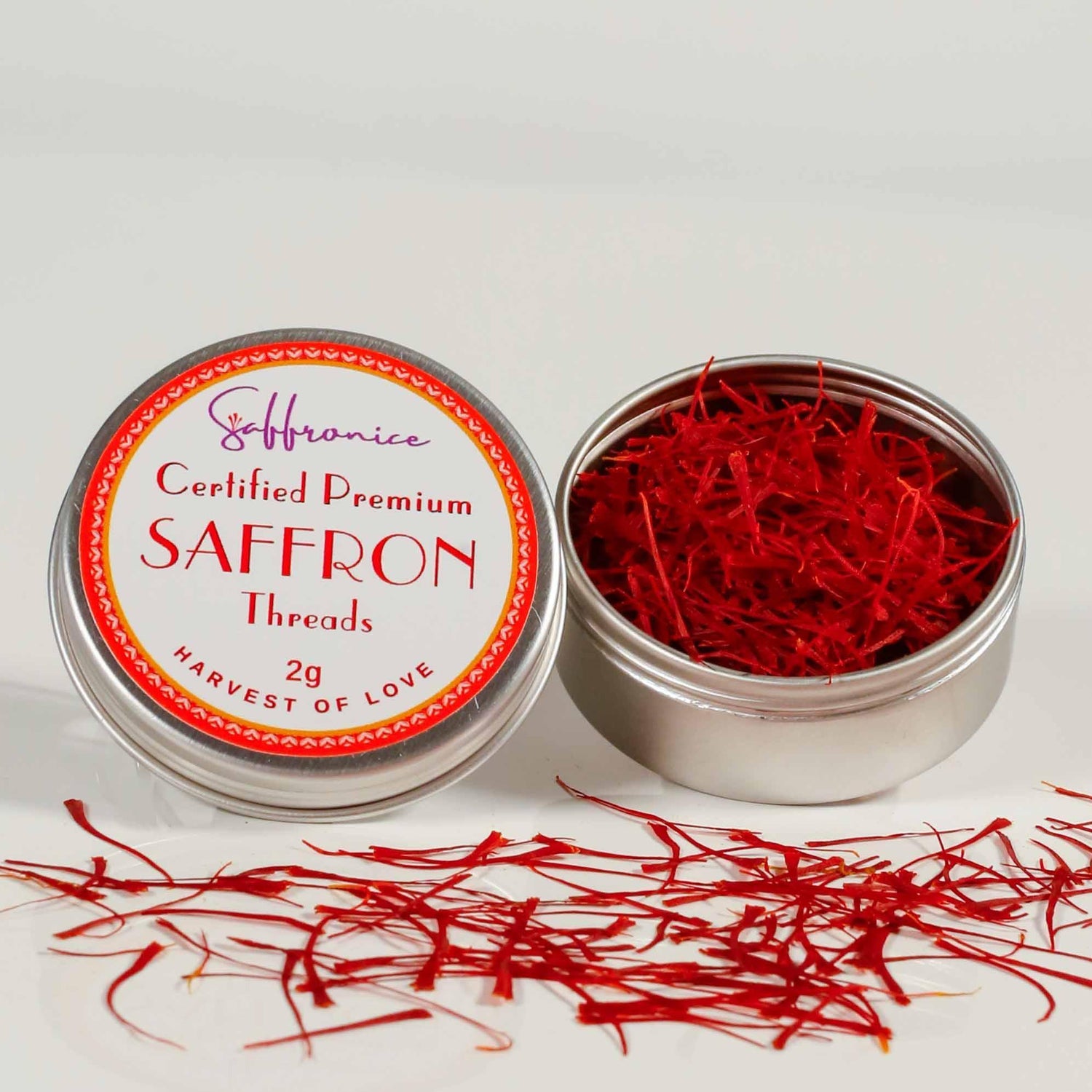
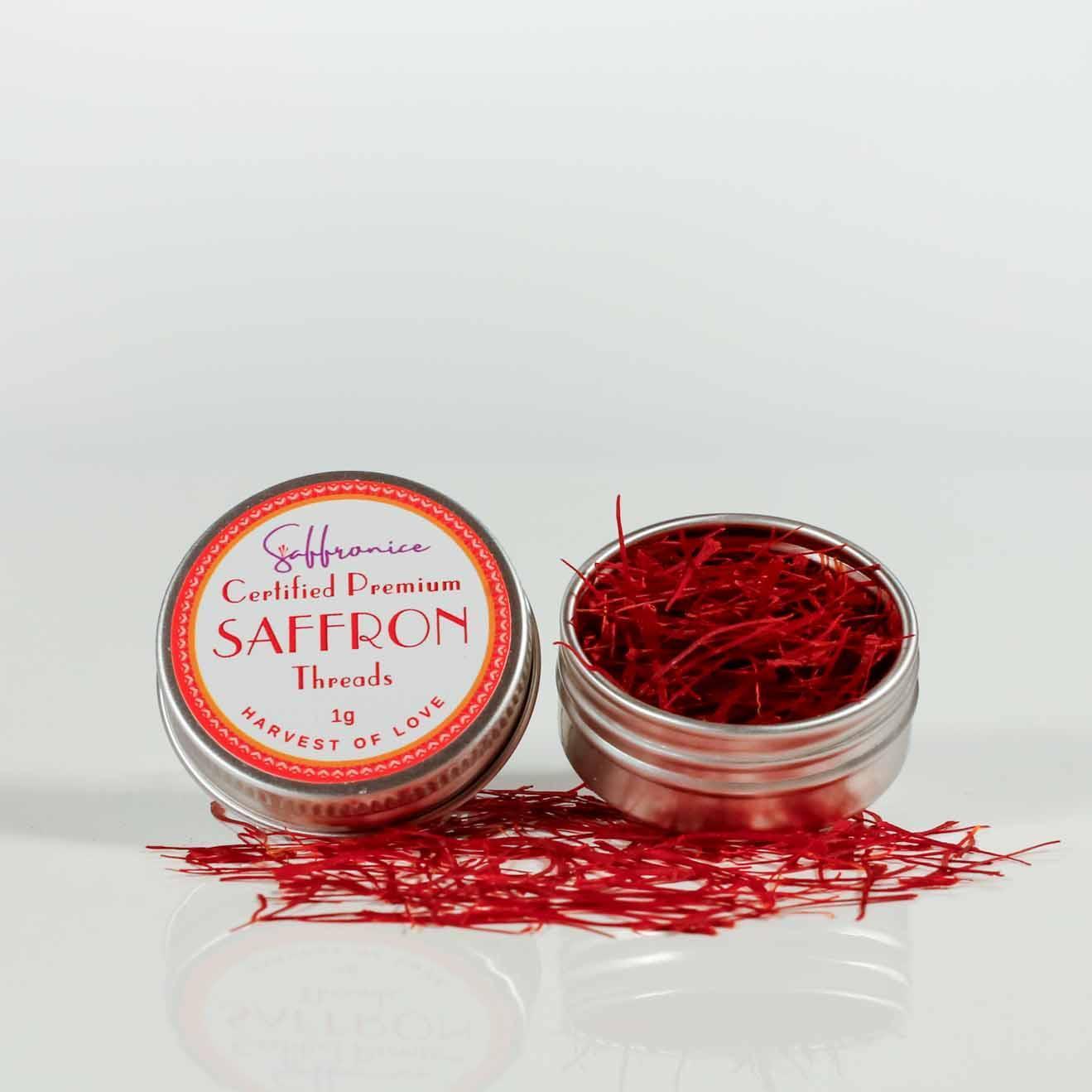
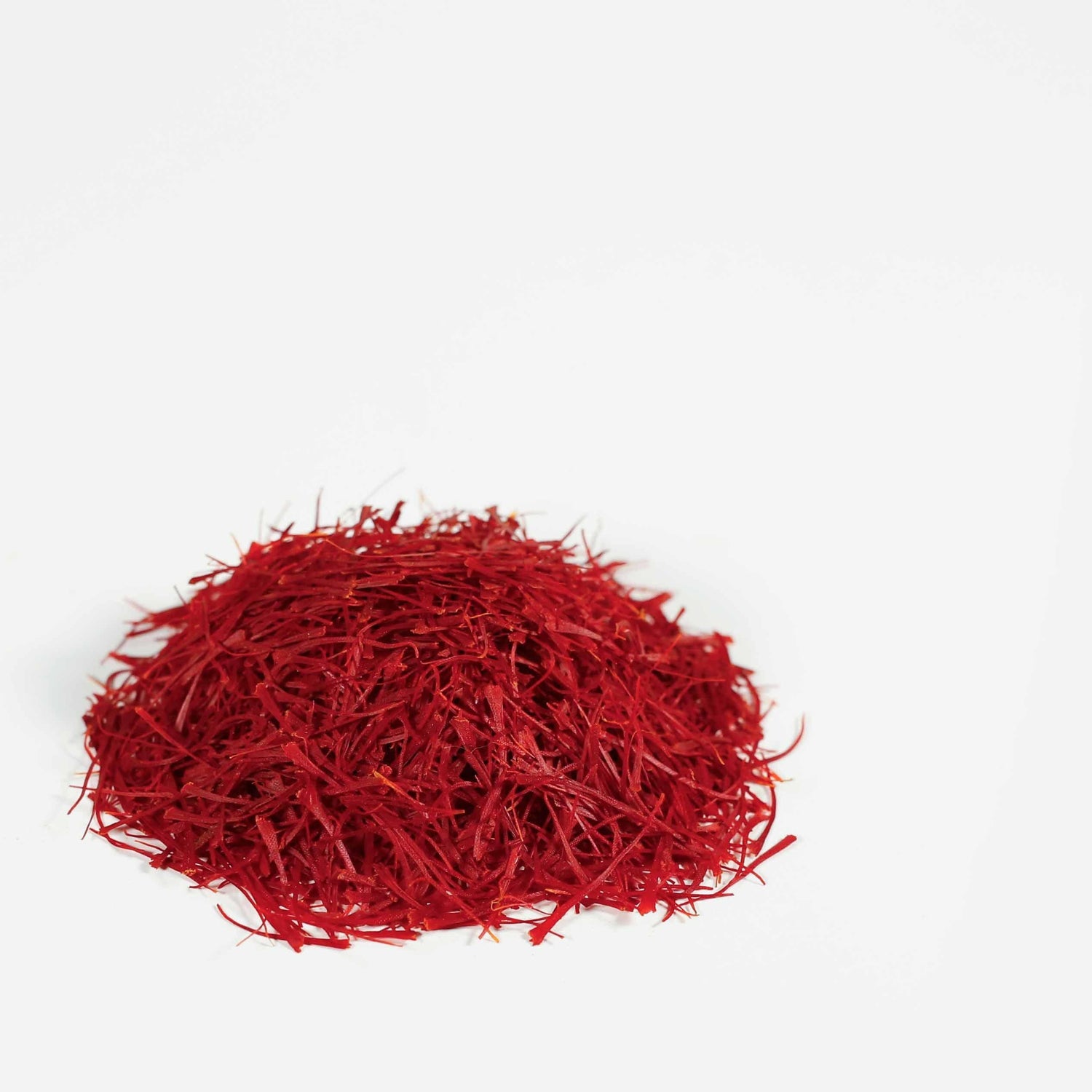
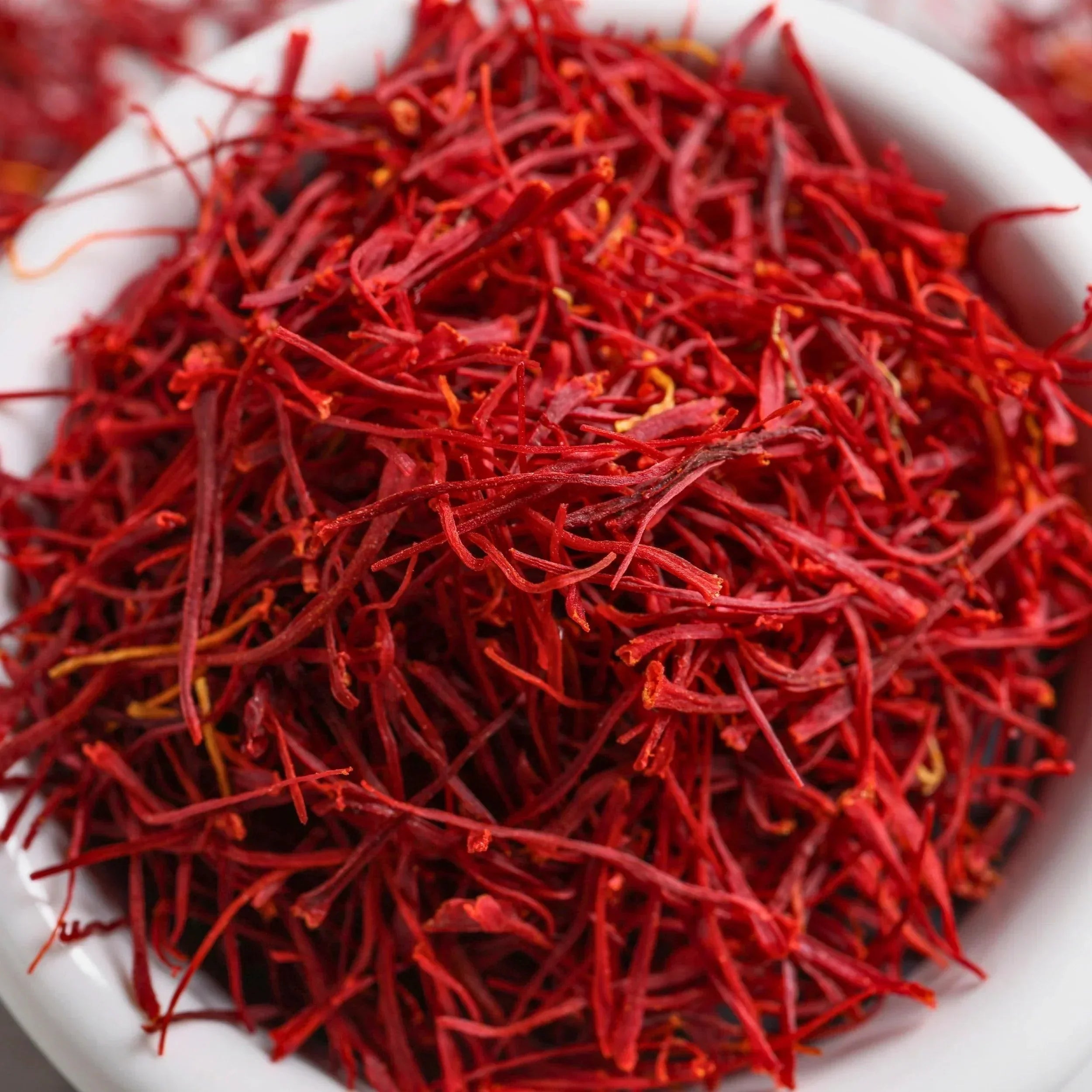
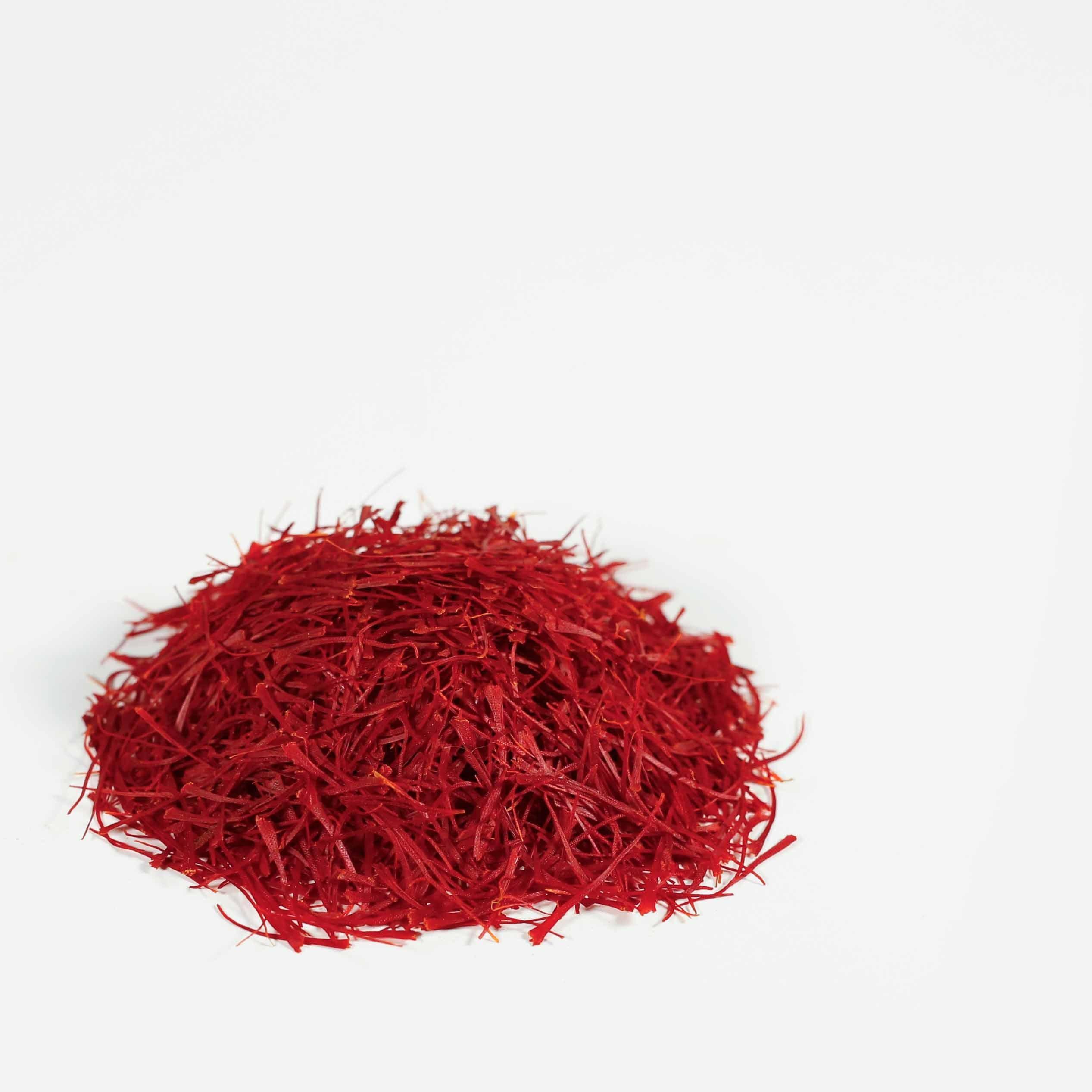
Authentic saffron consists of the dried stigmas of Crocus sativus.
Its value creates an economic incentive for adulteration, which can involve mixing genuine saffron with less expensive plant material or other substances.
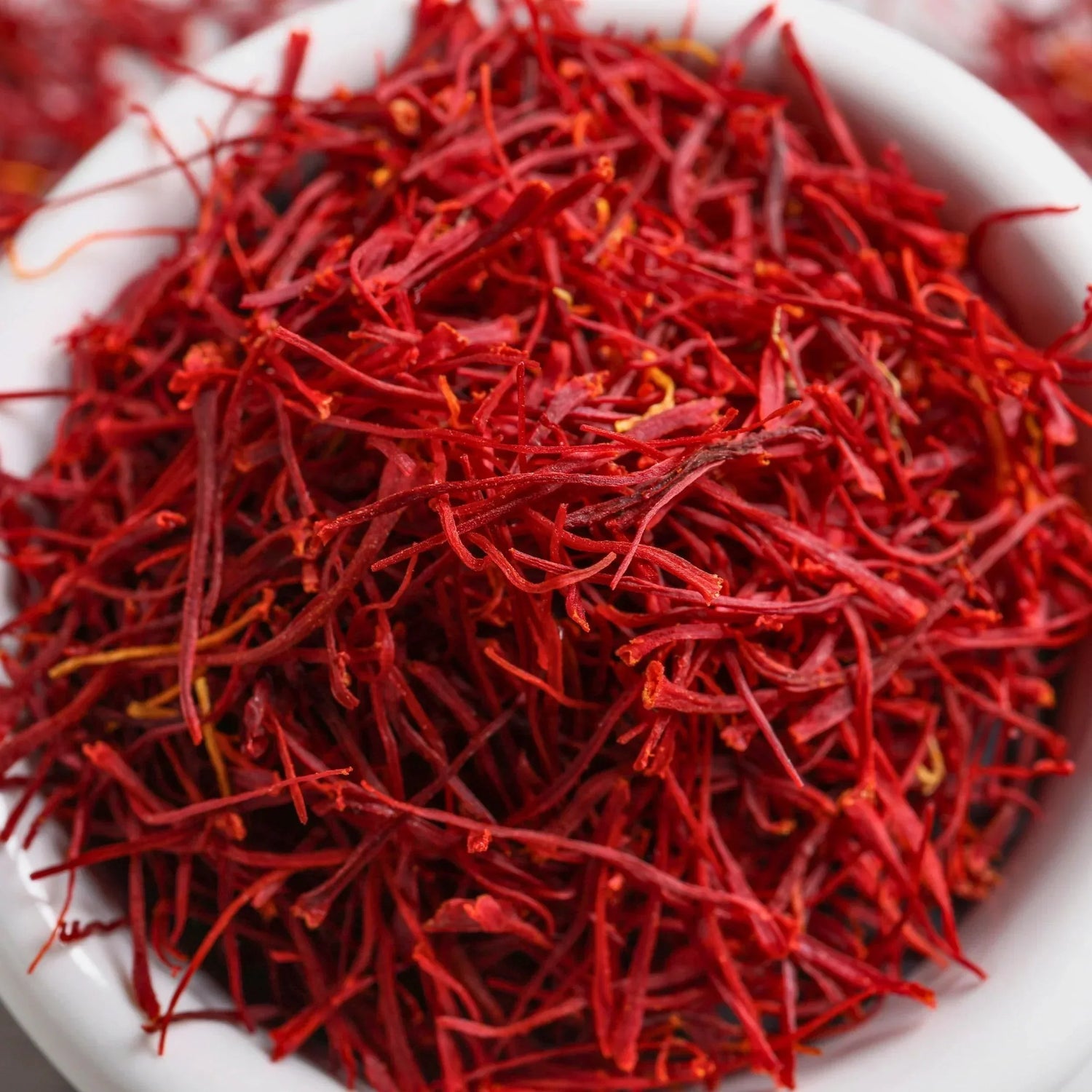
For whole threads, characteristics such as shape, aroma and colour can provide useful clues when comparing real and fake saffron. But visual inspection becomes more difficult when adulteration is subtle or when saffron has been ground.
Laboratory analysis can provide much more detailed information, although established analytical techniques may require specialised equipment, sample preparation, chemical reagents or destruction of the sample.
This is where spectroscopy becomes interesting.
What Did the Researchers Test?
The researchers investigated several rapid, non-destructive spectroscopic approaches:
- FTIR-ATR — Fourier-transform infrared spectroscopy with attenuated total reflectance
- Visible spectroscopy
- Near-infrared spectroscopy (NIR)
Rather than chemically separating individual compounds, these instruments measure how a sample interacts with different regions of electromagnetic radiation.
The resulting spectrum provides a pattern that can contain information about the sample's chemical composition.
The researchers then used chemometrics — mathematical and statistical techniques for analysing complex chemical data — to determine whether patterns in those spectra could reveal the extent of adulteration.
The saffron samples contained 90–100% saffron, with turmeric or paprika making up the remaining proportion.
This meant the experiment specifically examined relatively low levels of adulteration rather than samples in which another material had largely replaced saffron.
What Did the Study Find?
The researchers found that spectroscopic measurements combined with partial least squares regression could be used to quantify the turmeric and paprika added to the tested saffron samples.
Among the individual sensor approaches, FTIR-ATR produced the strongest predictive performance, with reported relative standard errors of prediction reaching as low as 0.56% in the study's models.
The researchers also investigated whether combining information from different sensors could improve performance.
Data fusion and variable-selection approaches improved some of the models based on visible and near-infrared spectroscopy. However, they did not outperform FTIR-ATR as the strongest individual method.
In practical terms, the study demonstrates that differences in the spectral characteristics of saffron, turmeric and paprika can be analysed mathematically to estimate adulteration in prepared samples.
Why Does “Non-Destructive” Matter?
Some established laboratory methods for food authentication require samples to be extracted, chemically treated or otherwise altered during analysis.
A non-destructive approach allows a sample to be analysed without consuming or substantially altering it during testing.
Spectroscopy can also generate measurements relatively quickly and with minimal sample preparation, which is one reason these technologies are being investigated for routine food-authenticity screening.
That does not mean spectroscopy replaces all established laboratory methods.
Instead, the study suggests that it may provide another screening tool for identifying samples that warrant closer investigation.
Could This Detect Fake Saffron?
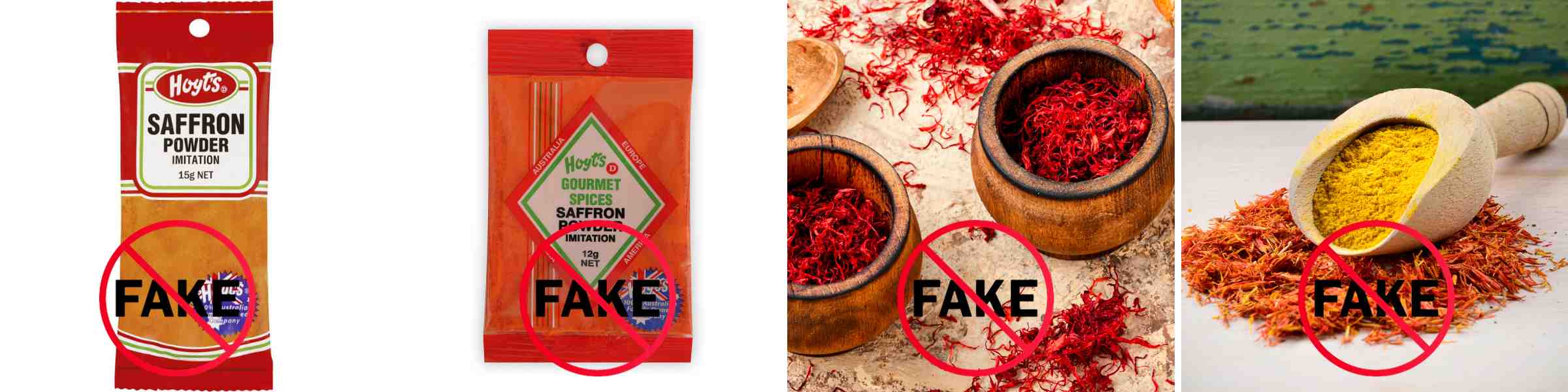
Within the conditions of this experiment, the techniques could detect and quantify the turmeric and paprika mixtures the researchers prepared.
That is narrower than saying the technology can simply “detect fake saffron”.
Saffron adulteration can take different forms, and this study did not test every possible substitute, dye or manipulation.
It also developed predictive models from known samples. Performance in a controlled research dataset does not automatically mean identical performance across saffron from different origins, harvests, processing conditions or commercial supply chains.
The results therefore demonstrate the performance of these methods under the conditions tested rather than establishing a universal authentication model for all commercial saffron.
For buyers, this distinction is important. Understanding how saffron quality is assessed involves more than relying on a single characteristic or test.
Why Turmeric and Paprika?
The study focused specifically on turmeric and paprika, two strongly coloured plant-derived materials that can be investigated as potential saffron adulterants.
Because genuine saffron is intensely coloured and used in relatively small quantities, visually identifying small amounts of another coloured plant material can be difficult — particularly once the material has been processed.
This challenge becomes even greater with saffron powder, where the characteristic shape of genuine saffron stigmas can no longer be examined.
Spectroscopic analysis approaches the problem differently. Rather than relying on what a person can see, it looks for measurable differences in how the sample interacts with light.
What the Study Does — and Doesn't — Tell Us
The study provides useful evidence that spectroscopy and chemometric modelling can distinguish relatively small amounts of turmeric and paprika in saffron under the tested conditions.
It also provides a direct comparison between several spectroscopic approaches, with FTIR-ATR performing particularly well.
However, the research does not establish that:
- every type of saffron adulteration can be detected using these models
- spectroscopy alone can guarantee that a commercial saffron product is authentic
- the same performance would automatically be achieved with every saffron origin, harvest or processing method
- consumer tests at home can reproduce laboratory spectroscopy
- FTIR-ATR should replace established saffron quality-control procedures
Those questions would require broader validation across more adulterants and more diverse real-world saffron samples.
Traditional characteristics such as thread shape, aroma and colour can still provide useful clues when examining the quality of saffron threads, while laboratory techniques can investigate authenticity at a deeper analytical level.
This study is particularly interesting because it explores whether that laboratory analysis could become faster and less destructive. The results are promising for the specific turmeric and paprika mixtures tested, particularly with FTIR-ATR, but the technology is best understood as a potential screening approach rather than a universal guarantee of saffron authenticity.
References
Jurado Martin, O., Cruz Sanchez, J. & Amigo, J.M. (2026). Detecting saffron adulteration with non-destructive approaches: Fourier-transform infrared and visible near-infrared spectroscopy, data fusion, and chemometrics. Food Control, 188, 112289.
DOI: 10.1016/j.foodcont.2026.112289
Primary study: https://www.sciencedirect.com/science/article/pii/S0956713526003348