
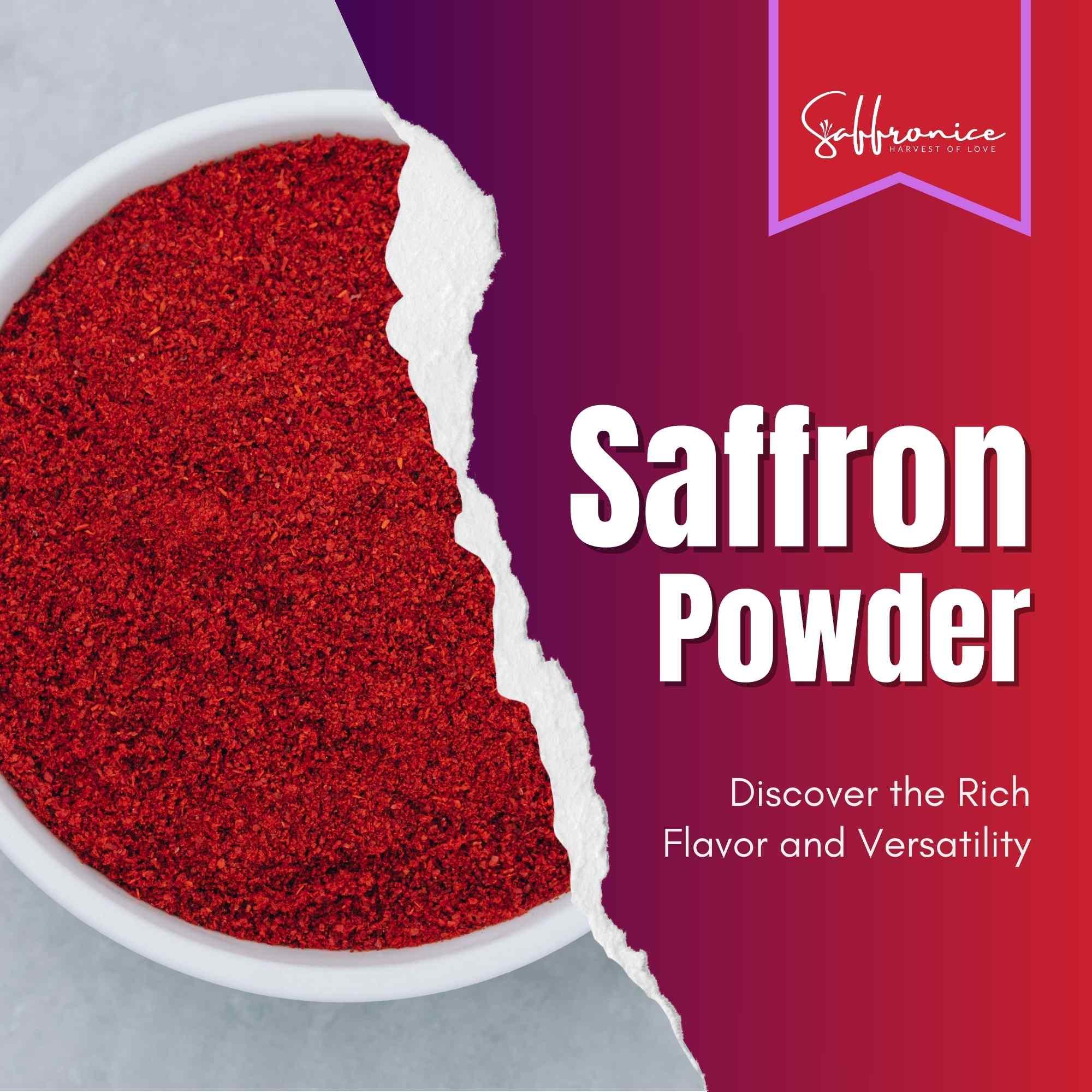
Saffron Powder Guide: Benefits, Uses, Buying Tips & How It Compares to Saffron Threads
Saffron powder is one of the most practical ways to use saffron in cooking and baking. It dissolves quickly, delivers strong colour and flavour, and removes the need to soak saffron threads. But because the market is full of imitations, it’s important to understand what real saffron powder is, how to use it, and how to choose a trustworthy supplier.
This guide explains everything you need to know — in clear, simple language.
What Is Saffron Powder?
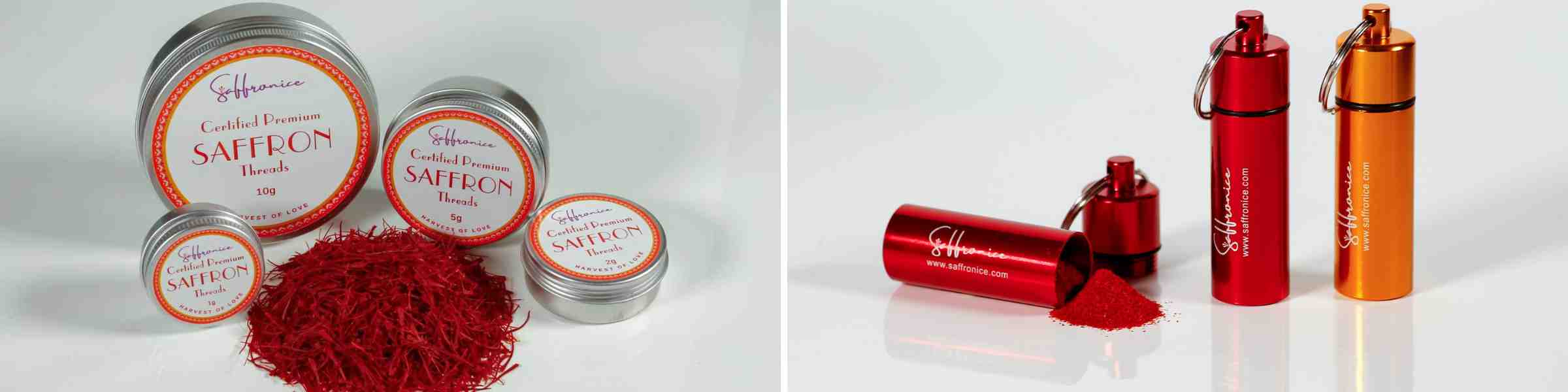
Saffron powder is simply real saffron threads ground into a fine powder.
Unlike threads, saffron powder blends instantly and is ideal for recipes that need fast and even colour release.
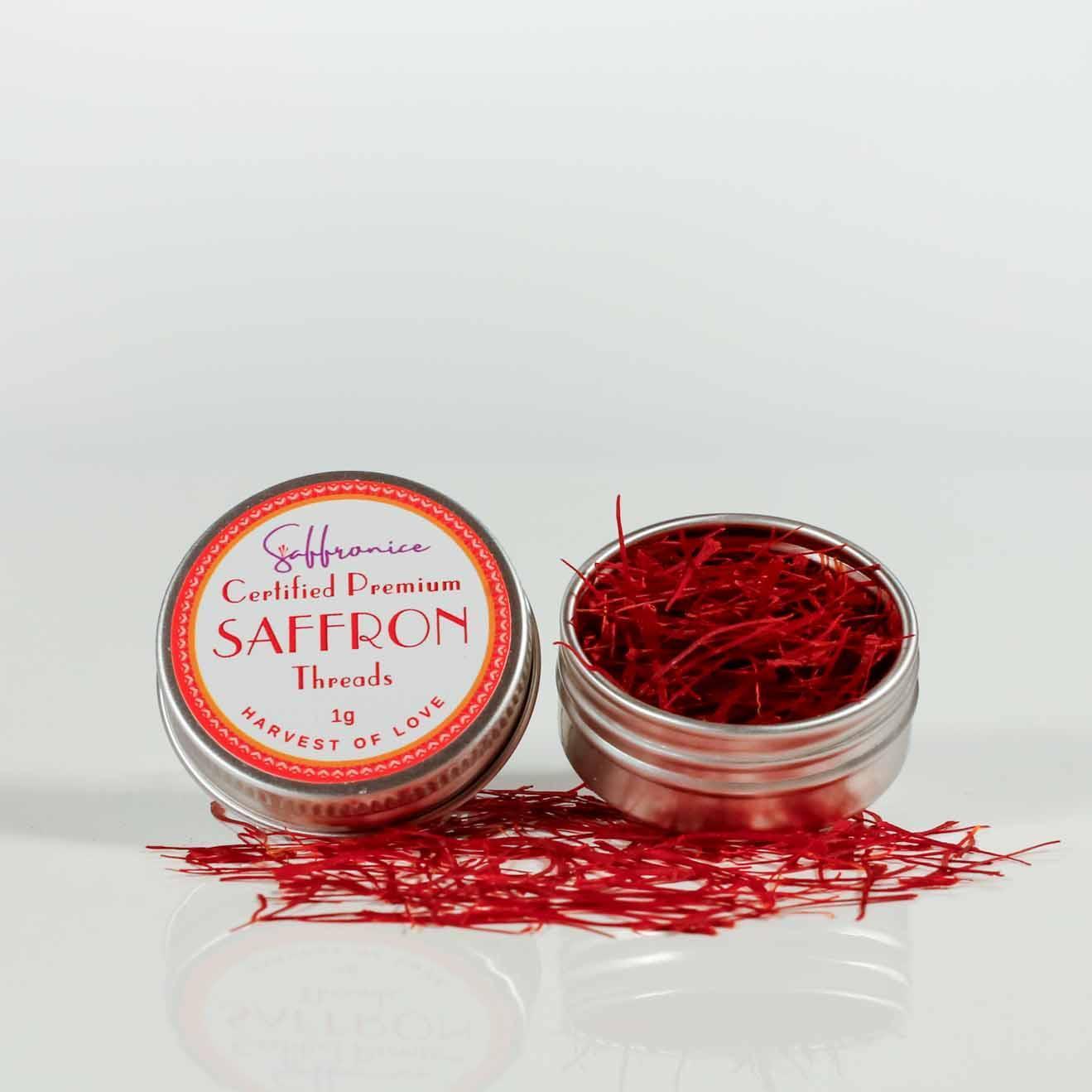
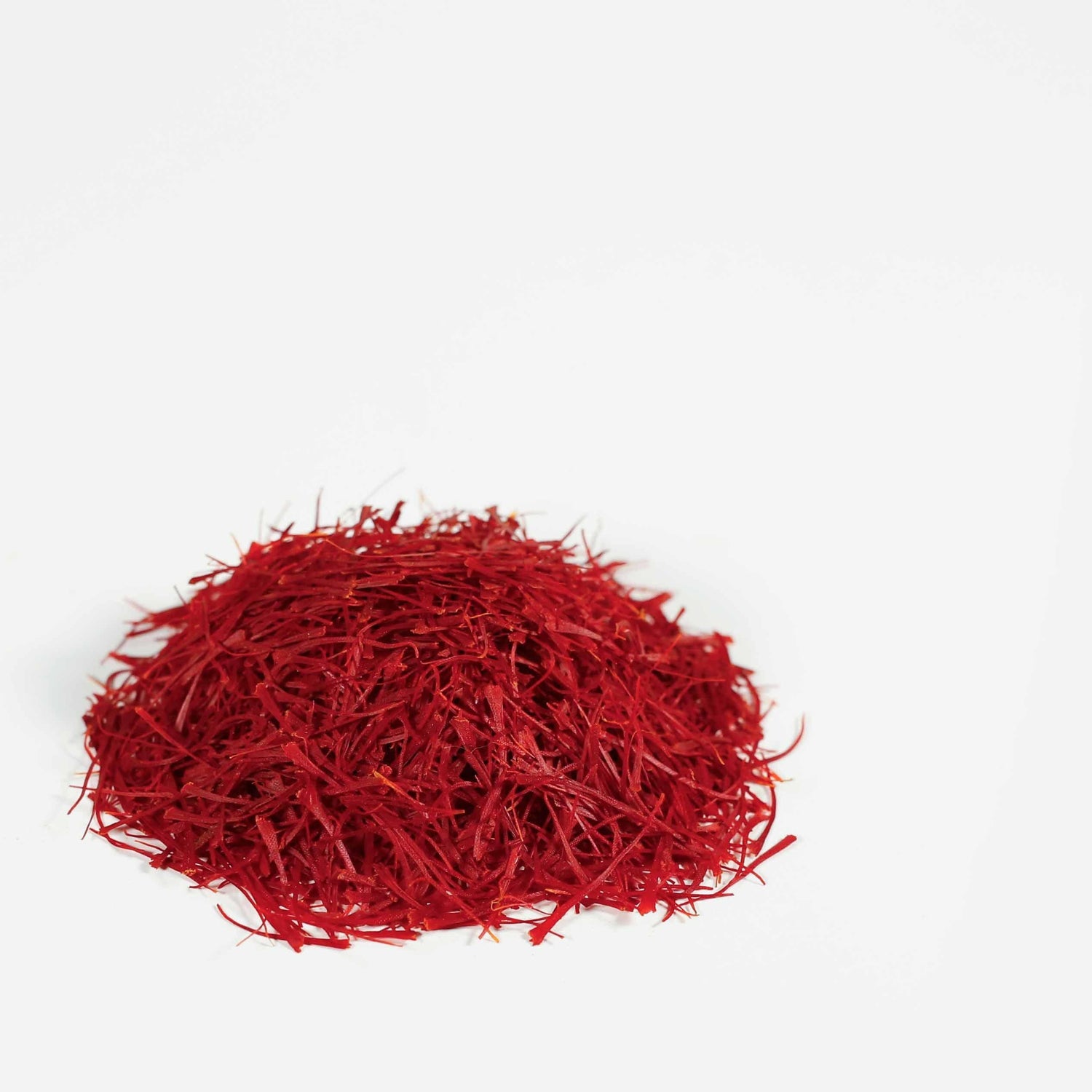
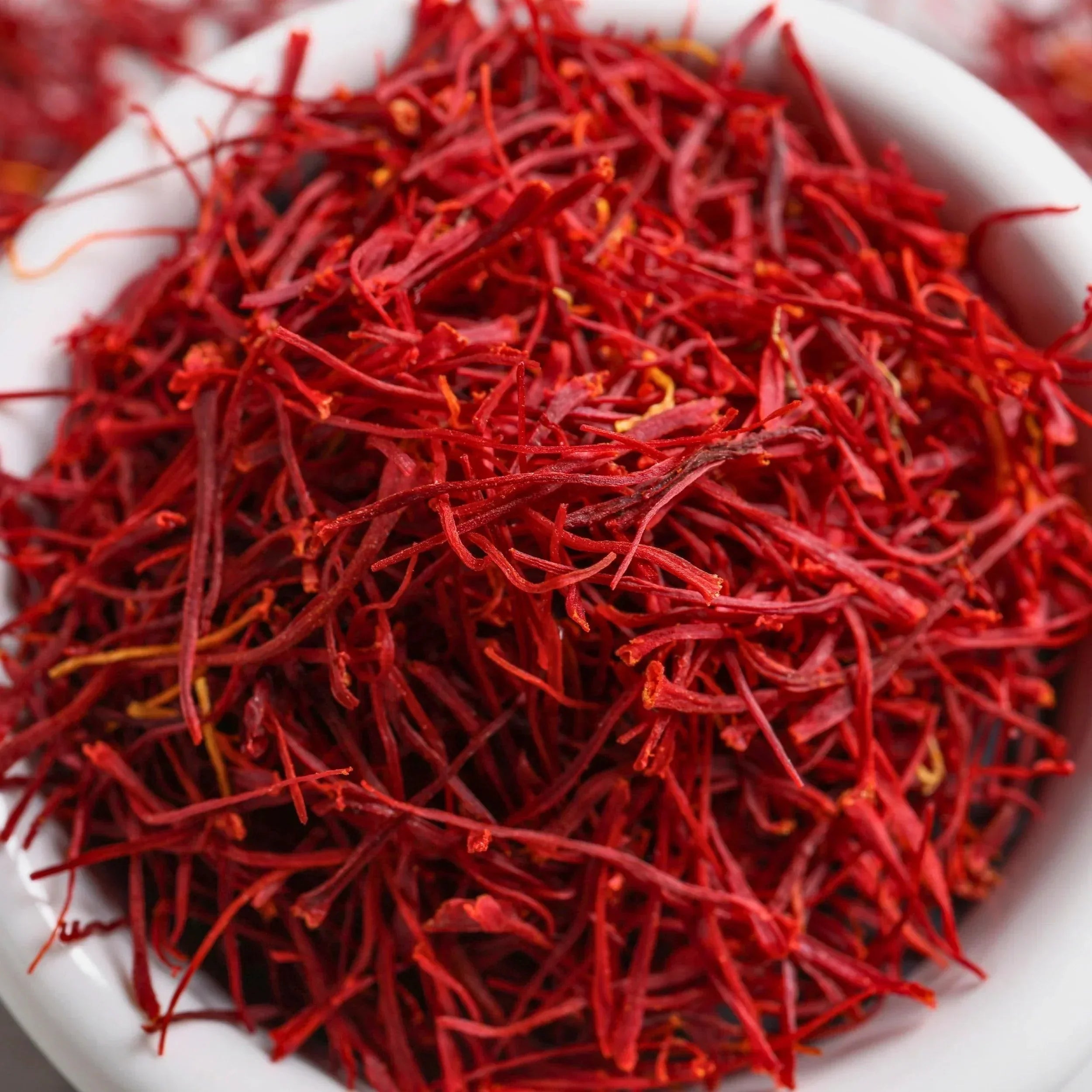
- Example: Traditional preparation of saffron threads
Saffron Powder vs. Saffron Threads
Both forms come from Crocus sativus, but they behave differently in the kitchen.
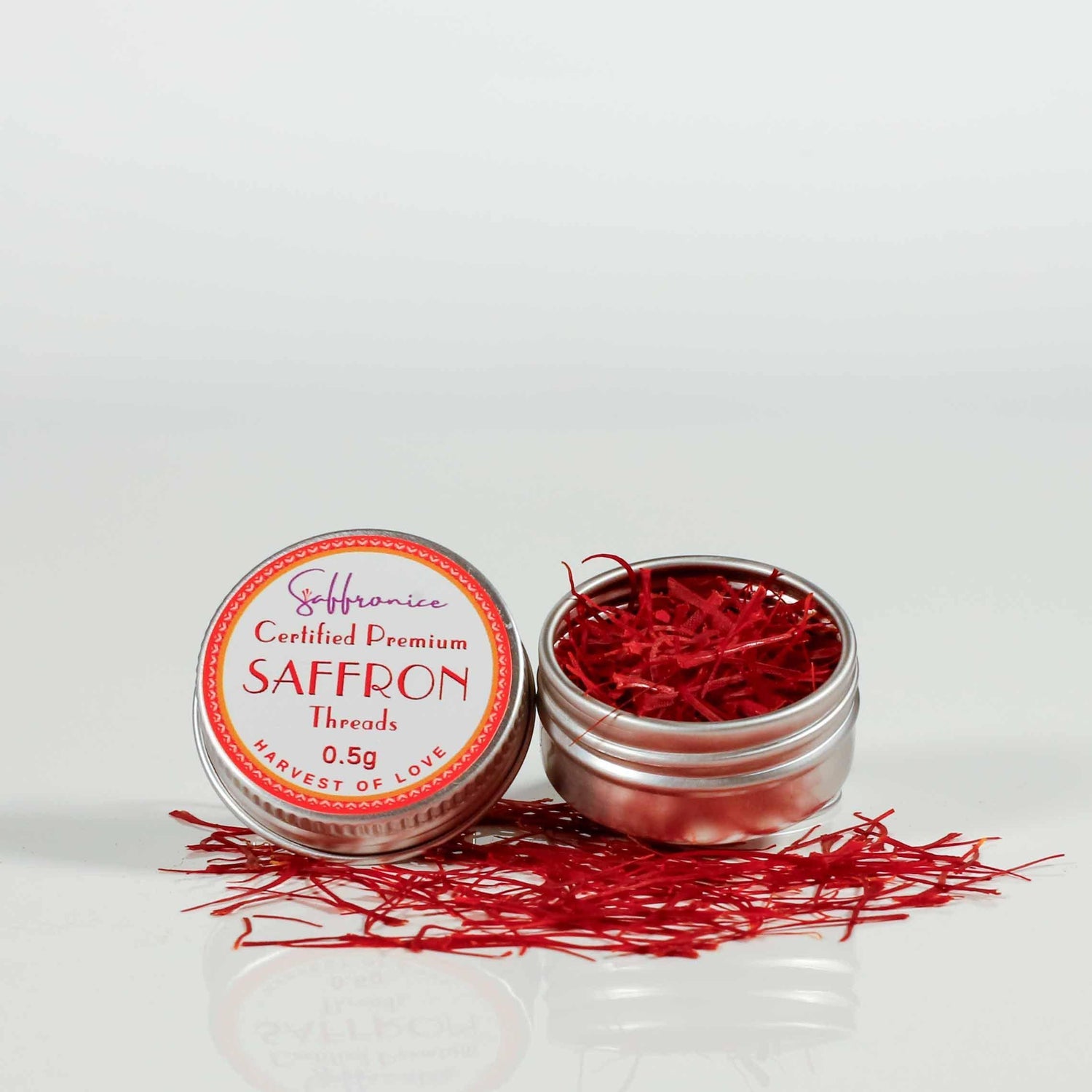
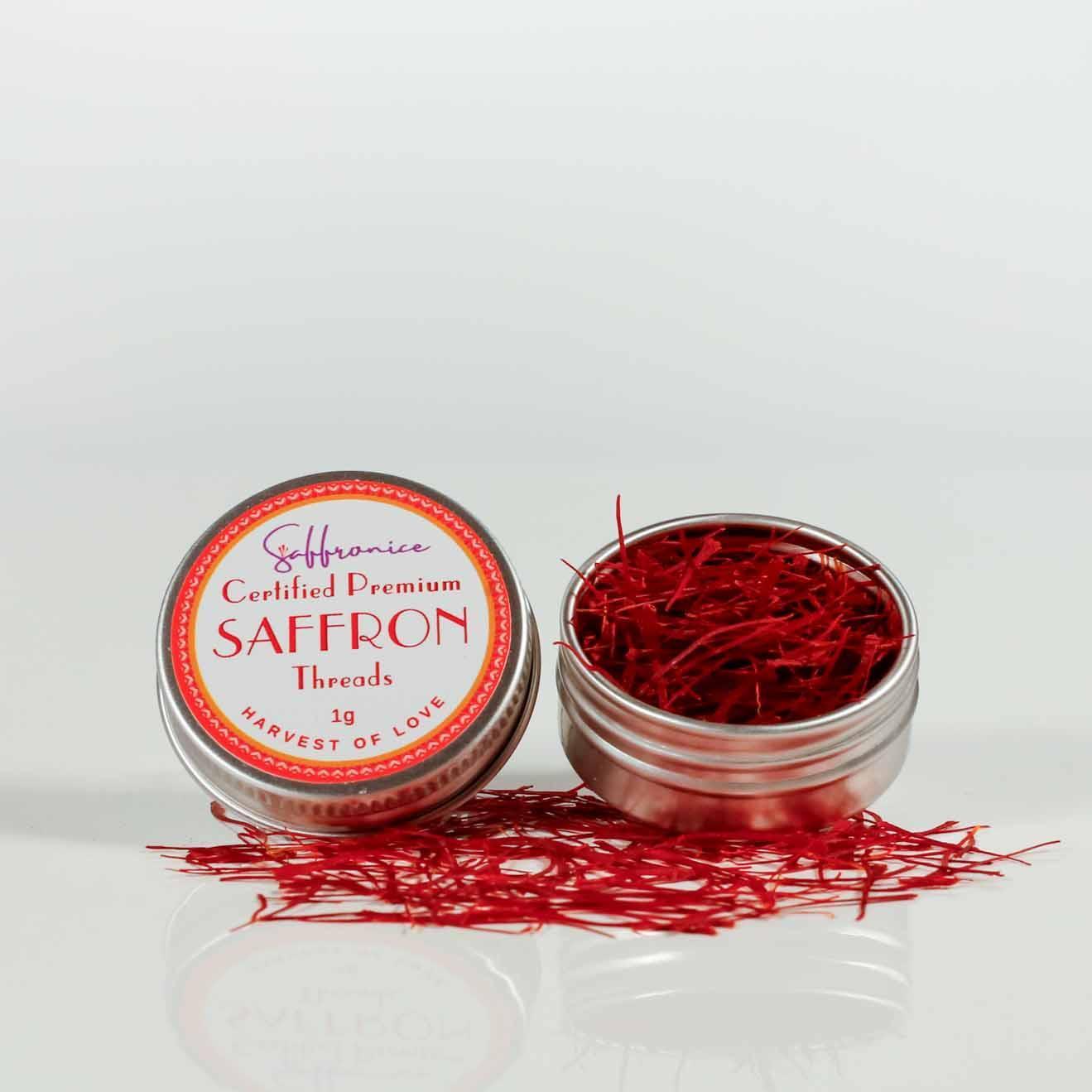
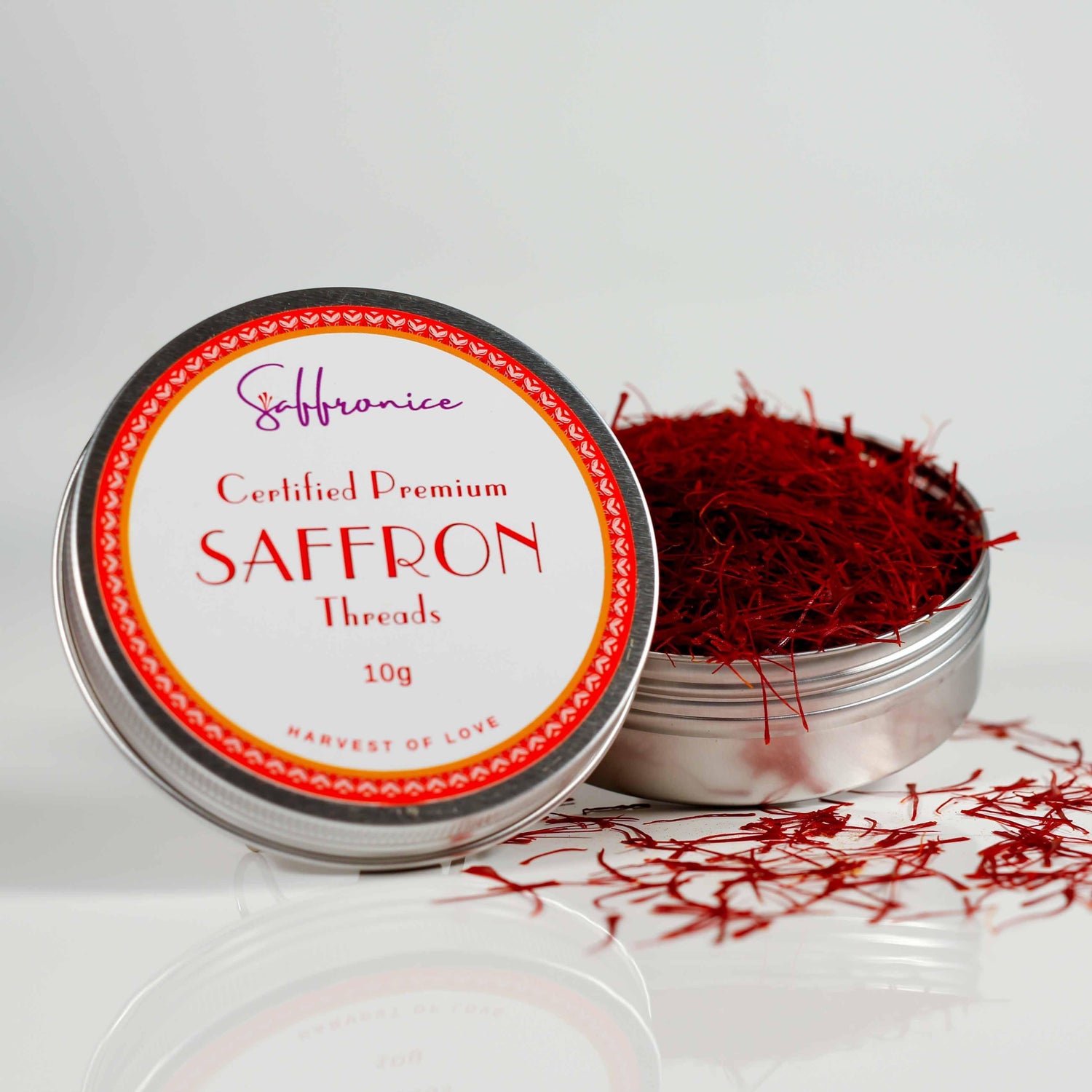
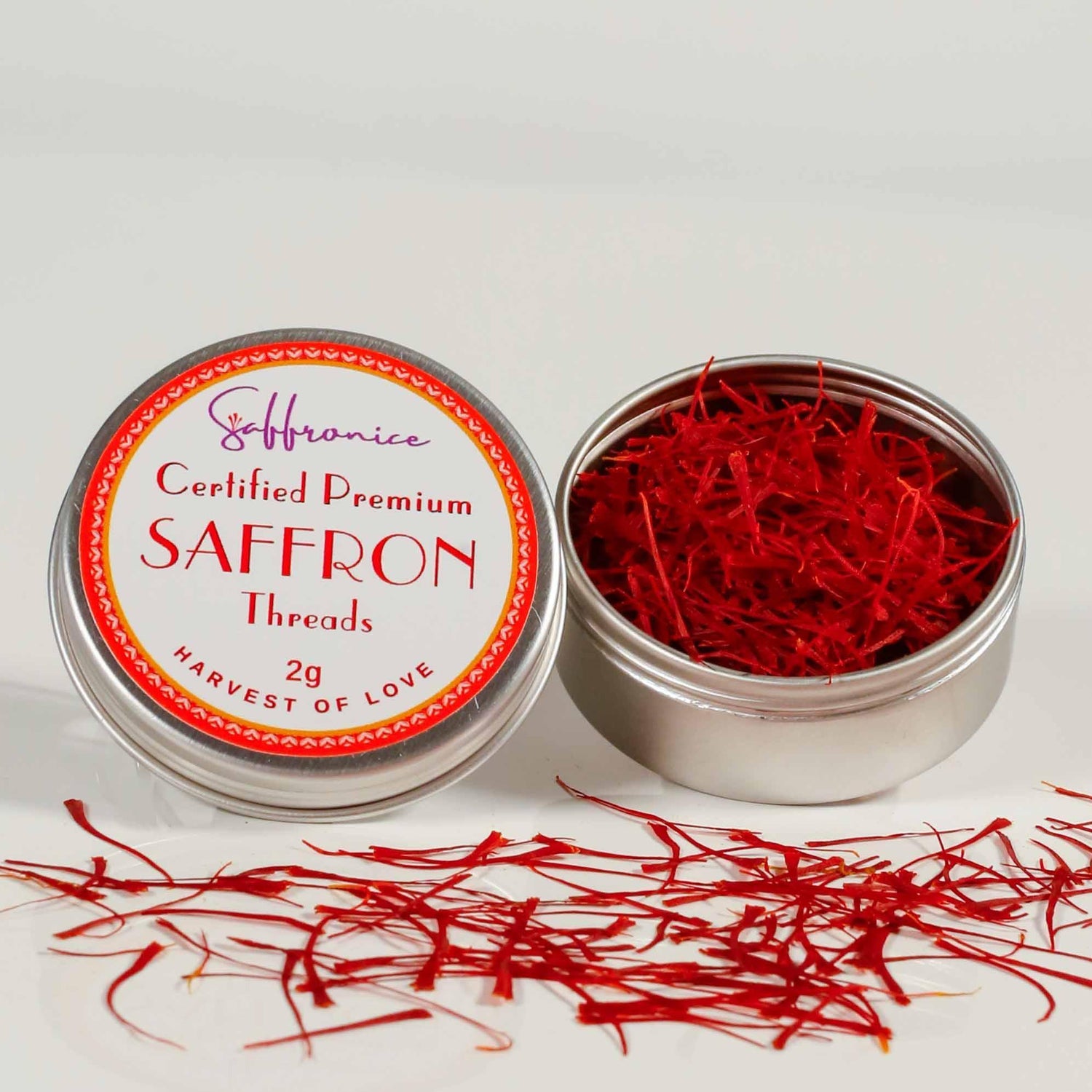
Saffron Threads
-
Need soaking or blooming
-
Release flavour slowly
-
Best for traditional dishes (paella, biryani, Persian stews)
Saffron Powder
-
No soaking required
-
Blends instantly
-
Ideal for sauces, baking, custards, drinks, and quick cooking
-
Provides fast, even colour
-
Very potent — a little goes a long way
If you’re cooking daily meals or baking, saffron powder is often the easier choice.
Why Choose Saffron Powder? (Practical Benefits)
1. Faster, easier flavour release
Saffron powder dissolves quickly in warm water, milk, broths, or doughs.
This is helpful when you're making:
-
sauces
-
marinades
-
soups
-
cakes and pastries
-
drinks like saffron latte
2. Even colour distribution
Because there are no visible threads, saffron powder gives:
-
uniform golden colour
-
smooth texture
-
consistent flavour in every bite
This is why professional bakers and chefs often prefer powder.
3. More efficient and economical
Saffron powder releases colour and aroma more quickly than threads.
You can use smaller amounts while achieving the same intensity.
4. Ideal for precision cooking
Some recipes — especially pastries, delicate sauces, and confections — require precise measurement. Powder helps maintain accuracy.
Beware: Most Saffron Powder on the Market Is Fake
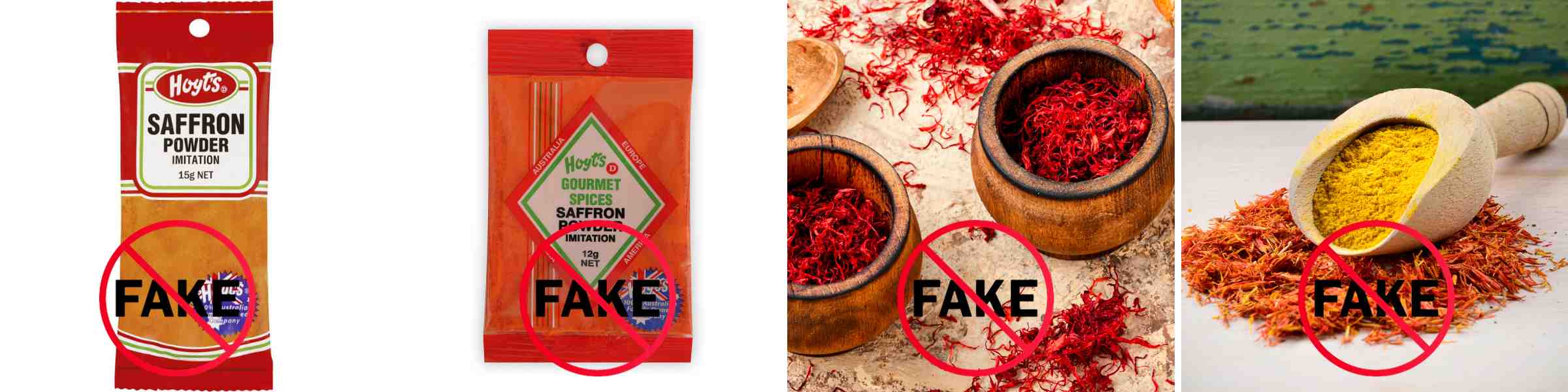
Fake saffron is extremely common, and fake saffron powder is even more common because it’s easy for vendors to mix:
-
turmeric
-
safflower
-
food dyes
-
ground calendula
-
brick dust (!)
Supermarkets often sell imitation saffron powder with zero real saffron.
In Australia, brands like Hoyts openly label it as “Saffron Powder Imitation.”
How to tell if saffron powder is real
-
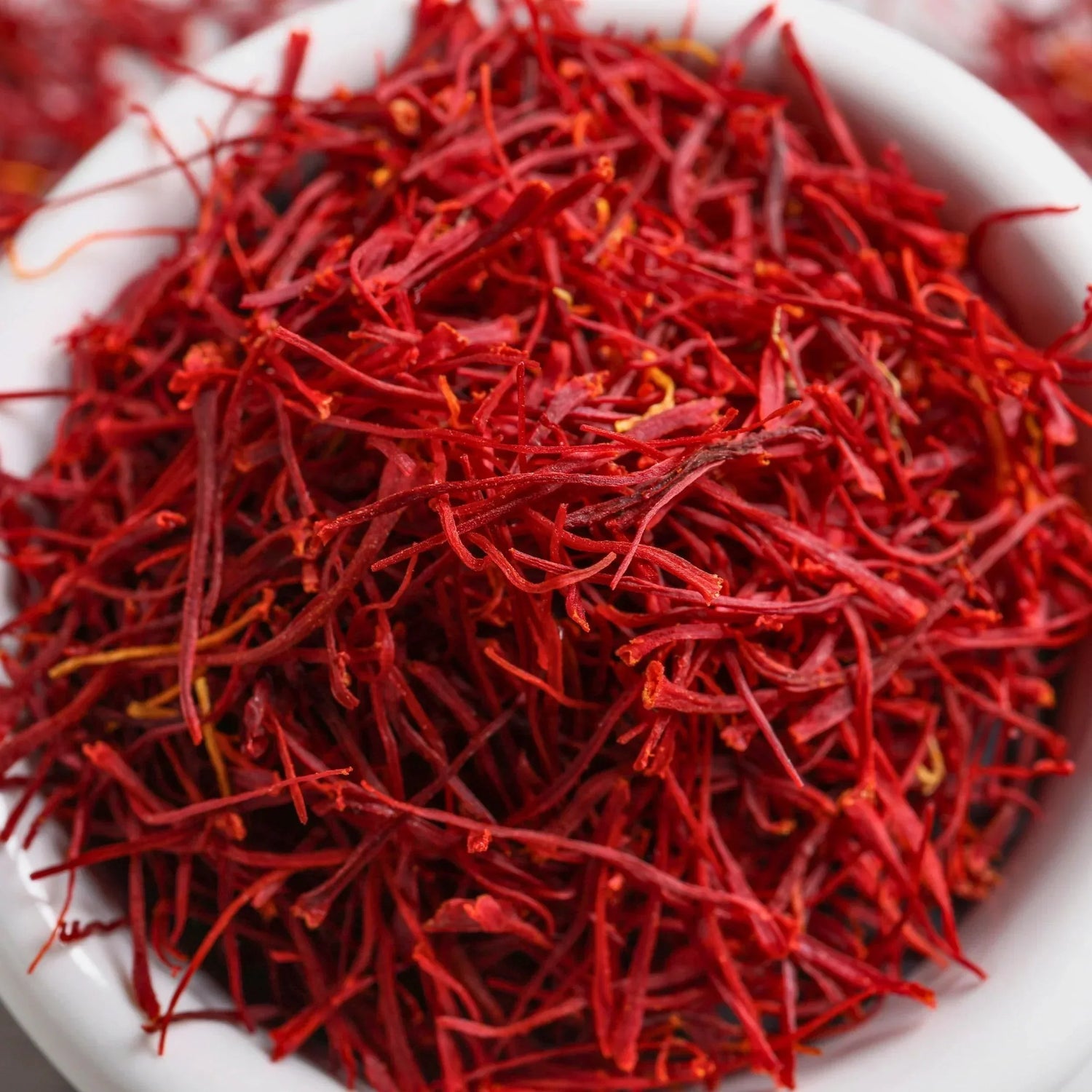
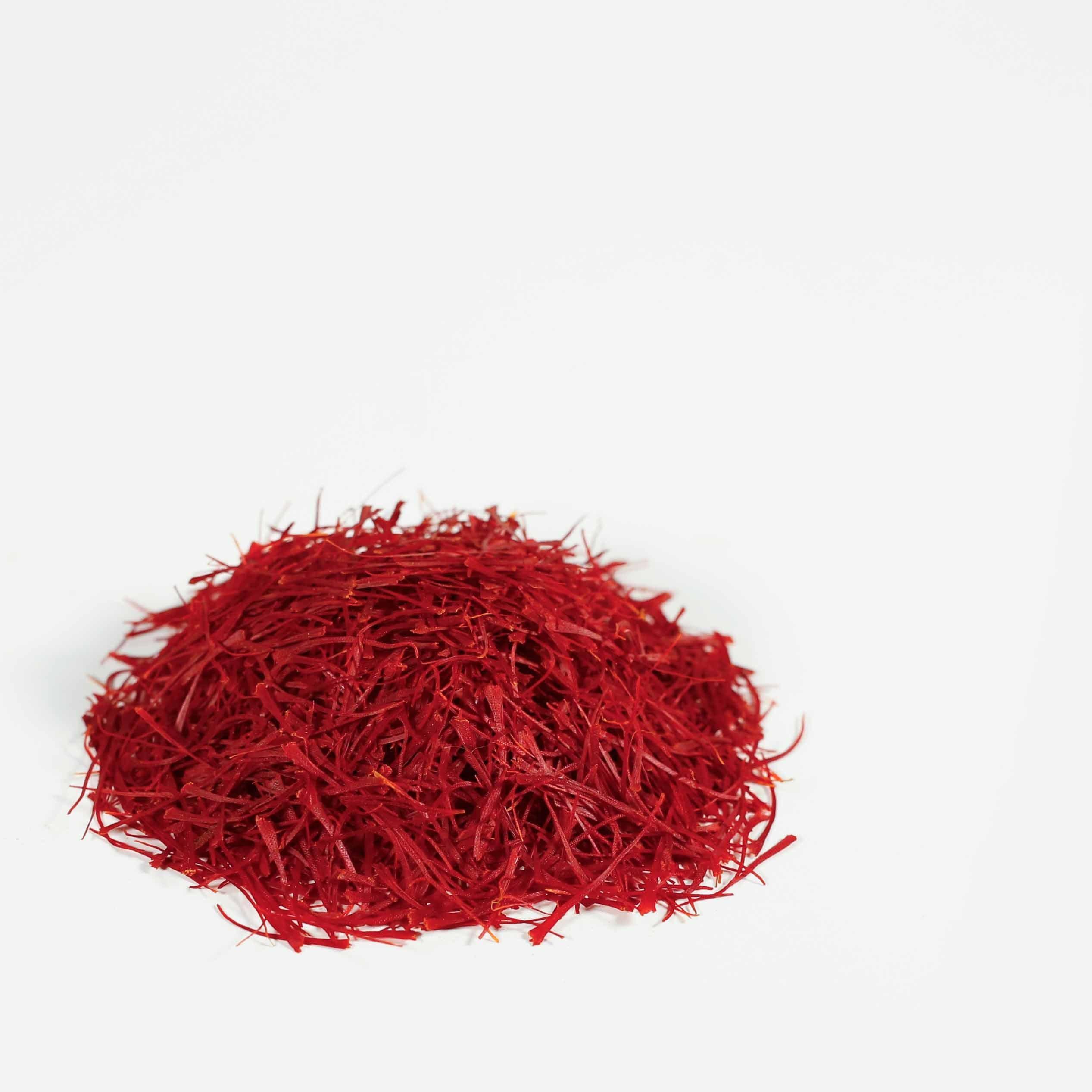
Real saffron powder is deep red — never yellow.
-
It should smell warm, slightly sweet, and floral.
-
It should NOT smell like turmeric or paprika.
-
Packaging should protect from light and moisture.
If the price is too cheap, the product is too cheap for a reason.
How Much Should Real Saffron Powder Cost?
Real saffron powder usually costs $10–$15 per gram.
Anything below that is almost guaranteed to be fake or heavily diluted.
Where to Buy Genuine Saffron Powder in Australia
When buying saffron powder, trust matters more than anything else.
Look for brands that:
-
offer a money-back guarantee
-
provide transparency about origin
-
avoid plastic or see-through packaging
-
sell saffron in airtight, light-safe containers
-
clearly state the saffron is 100% pure
-
do not use fillers
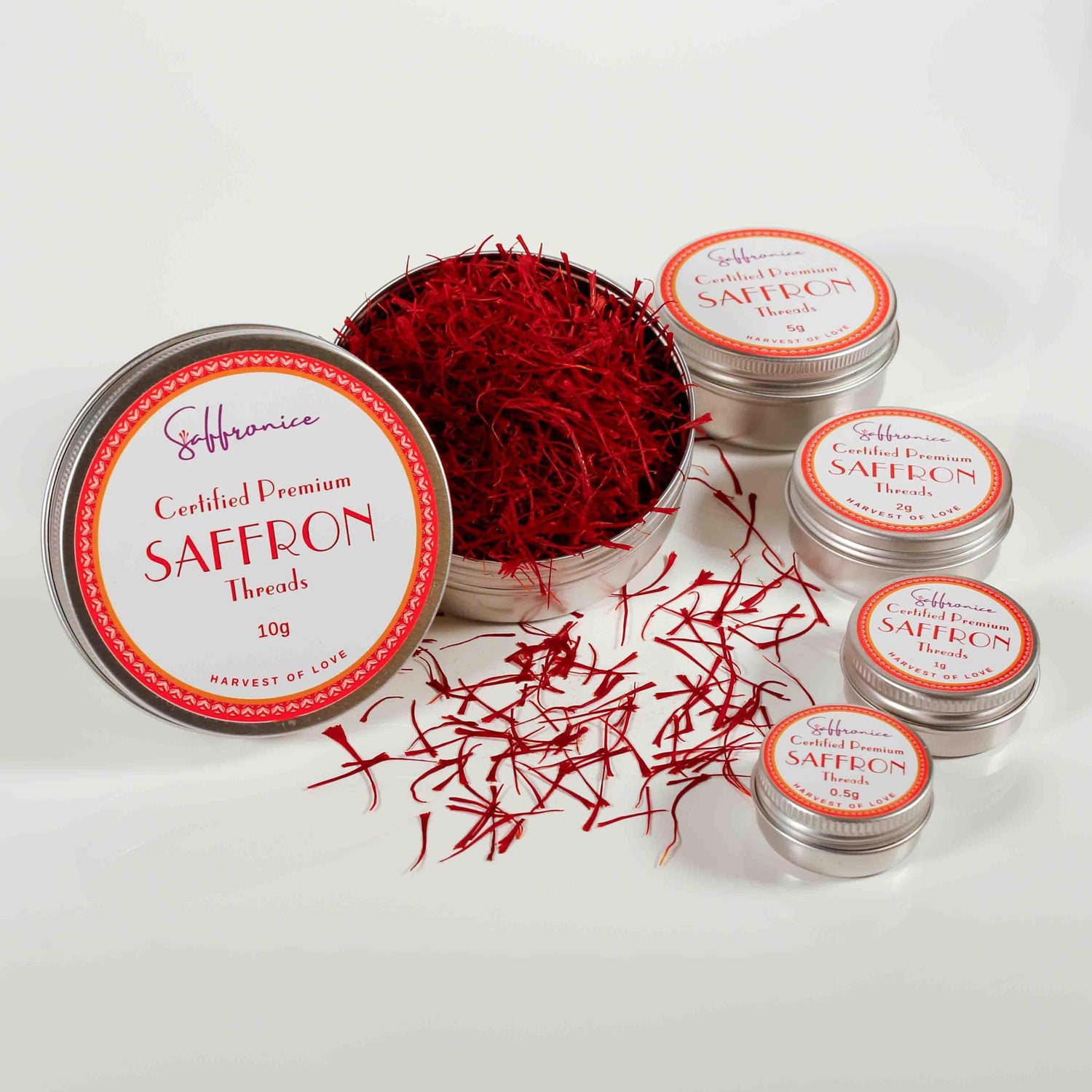
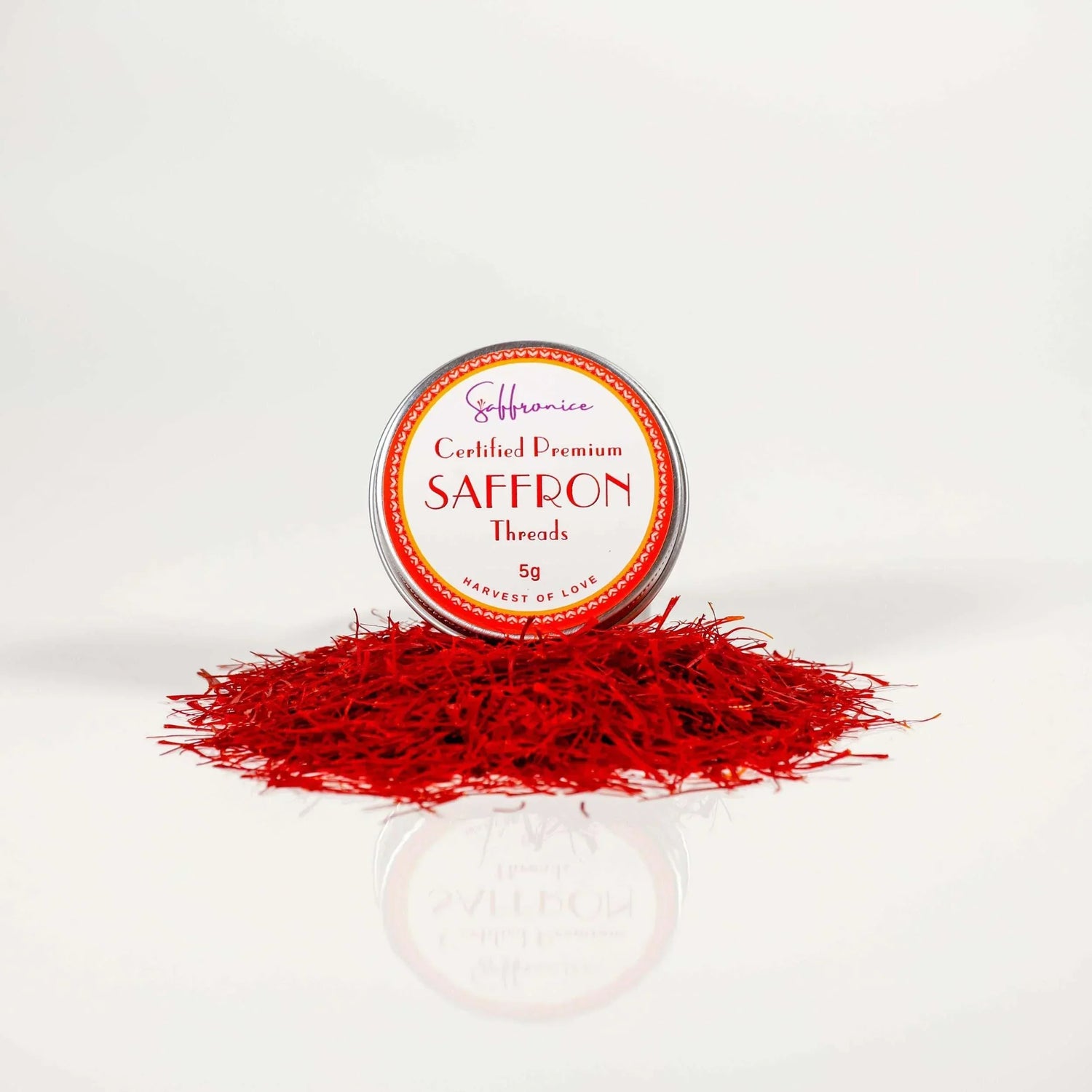
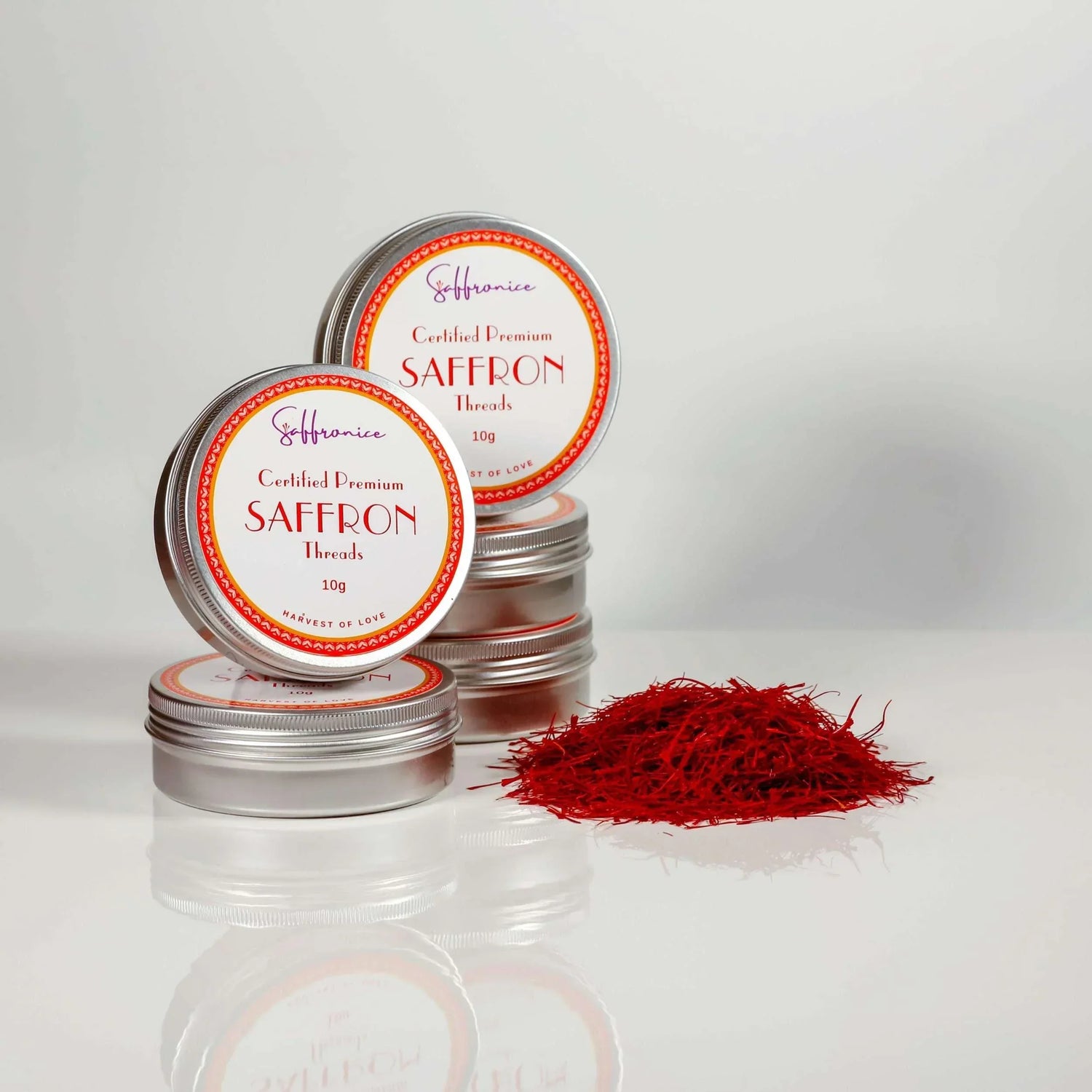
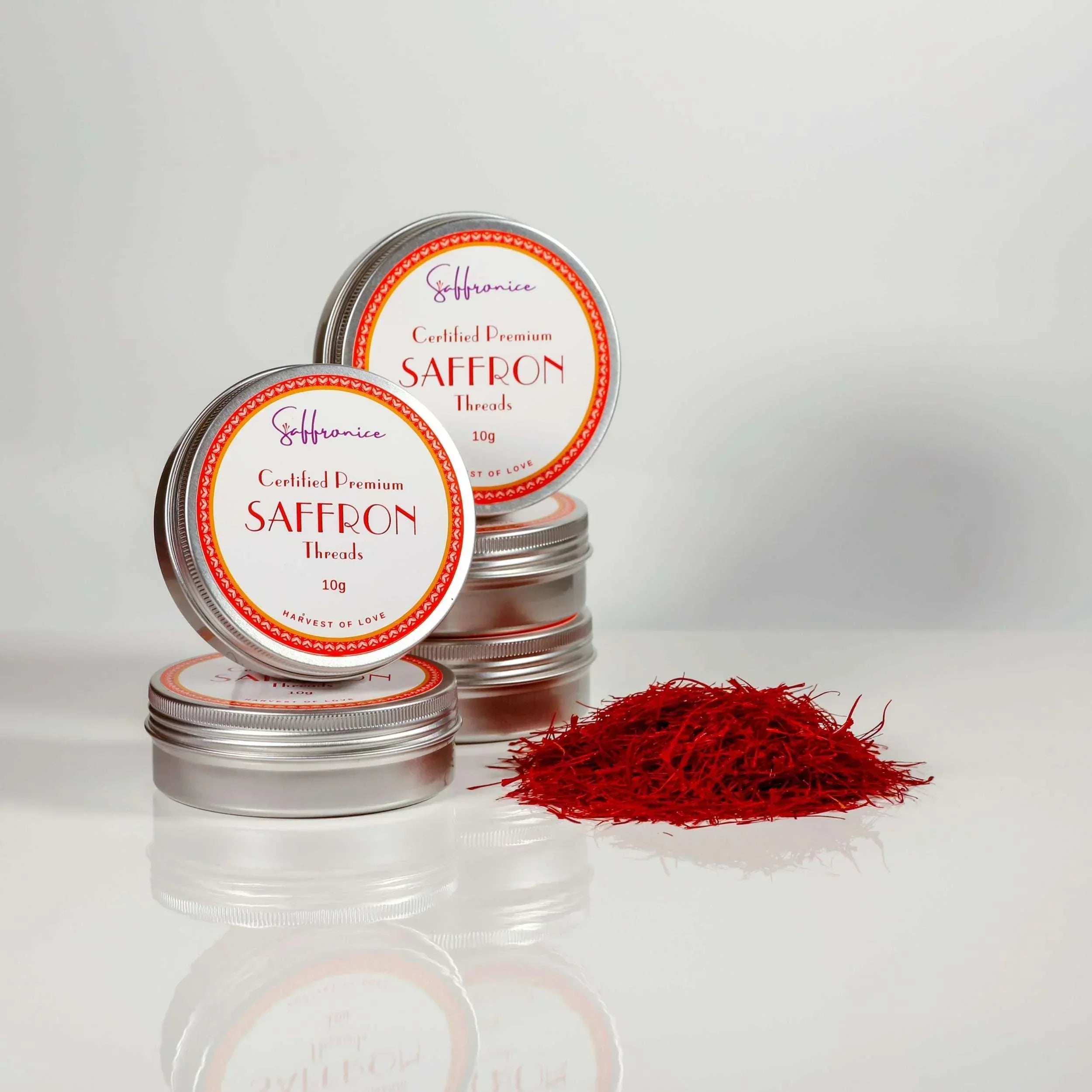
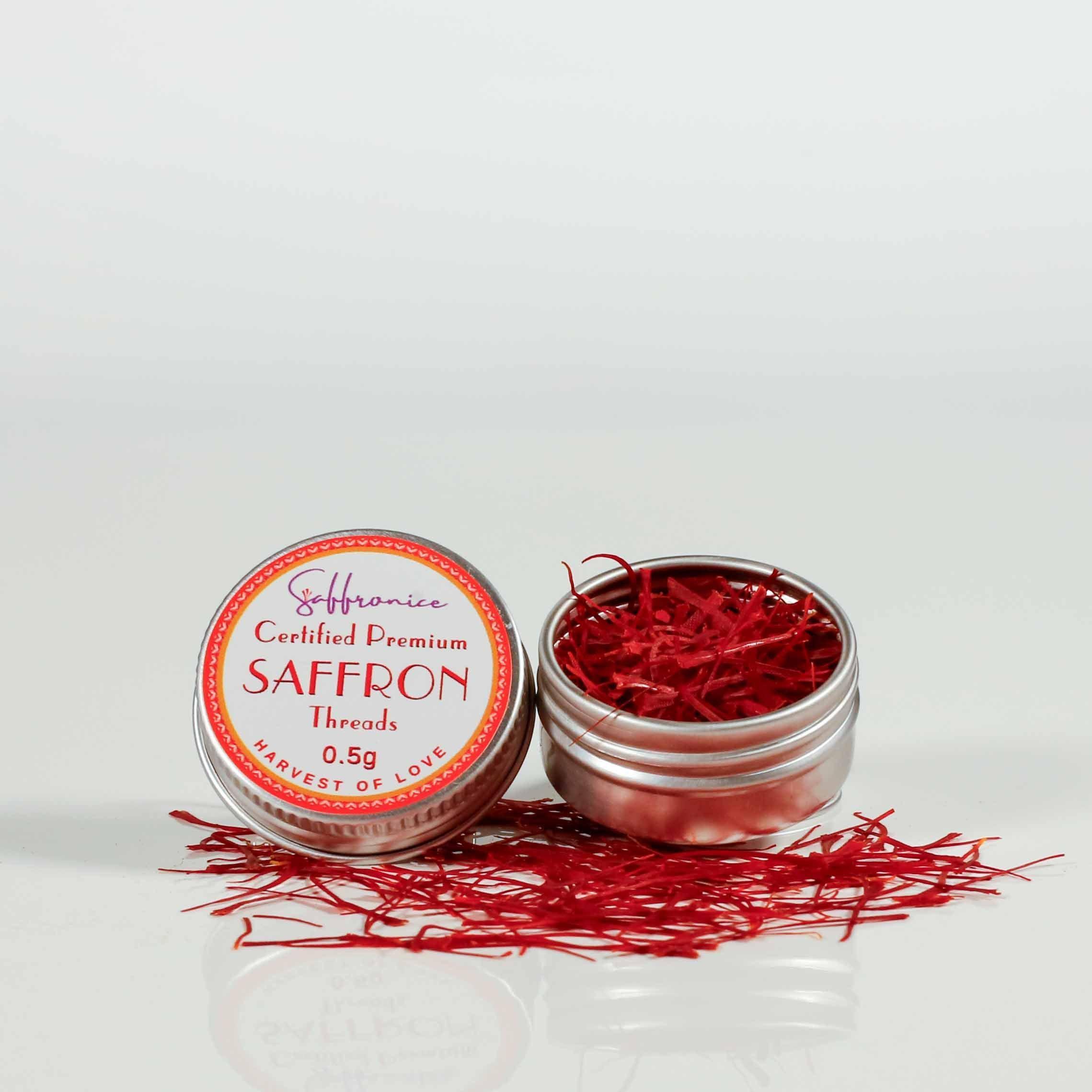
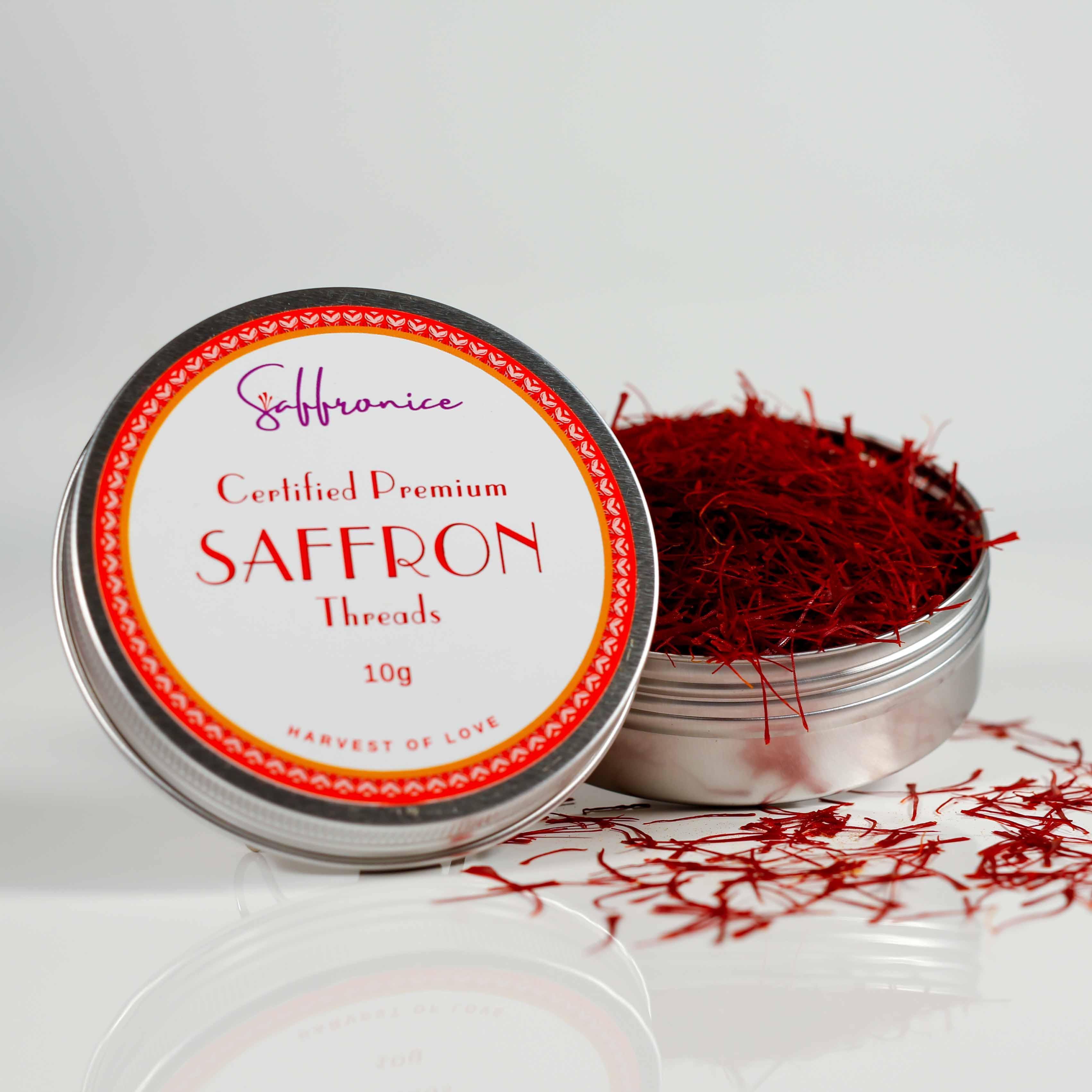
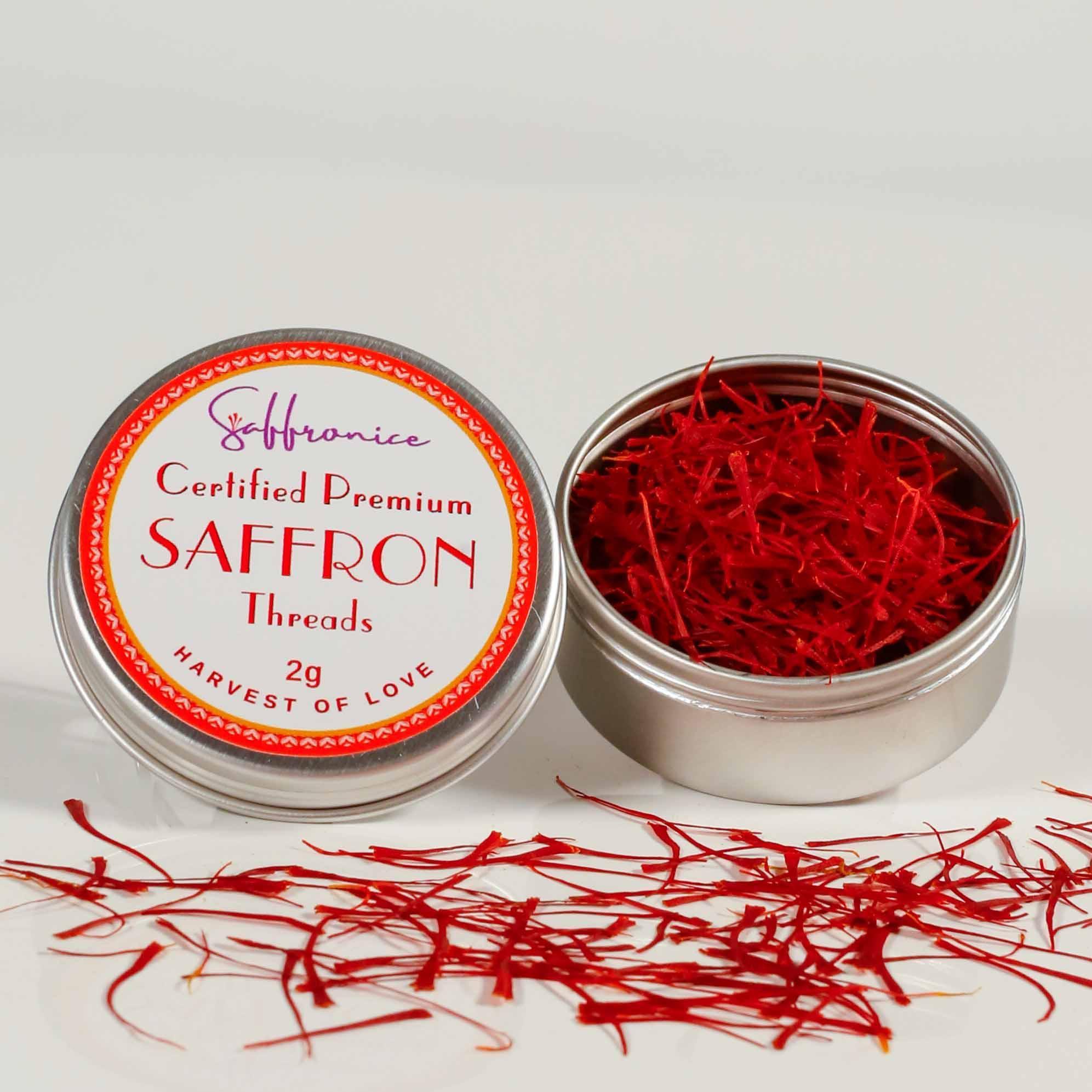
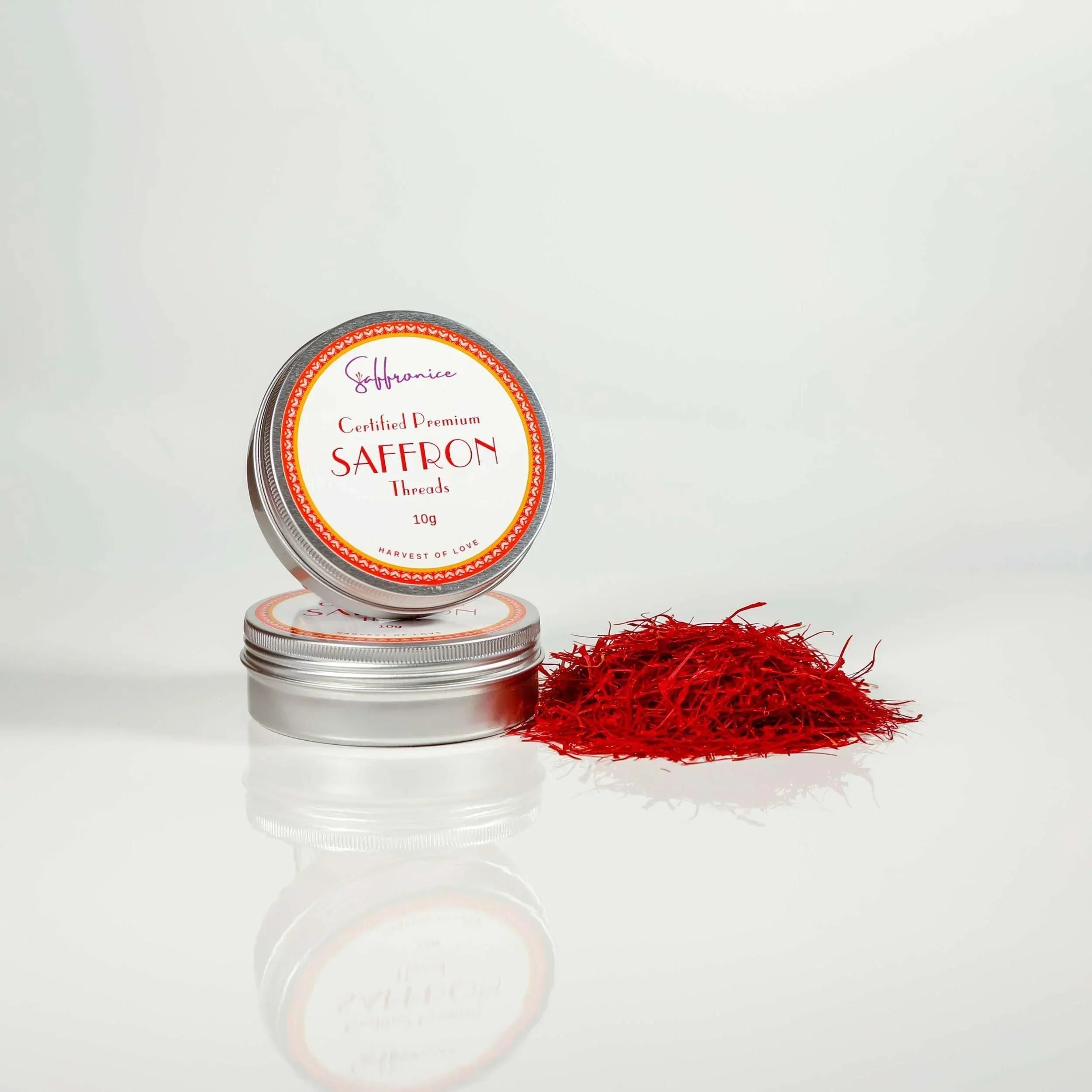
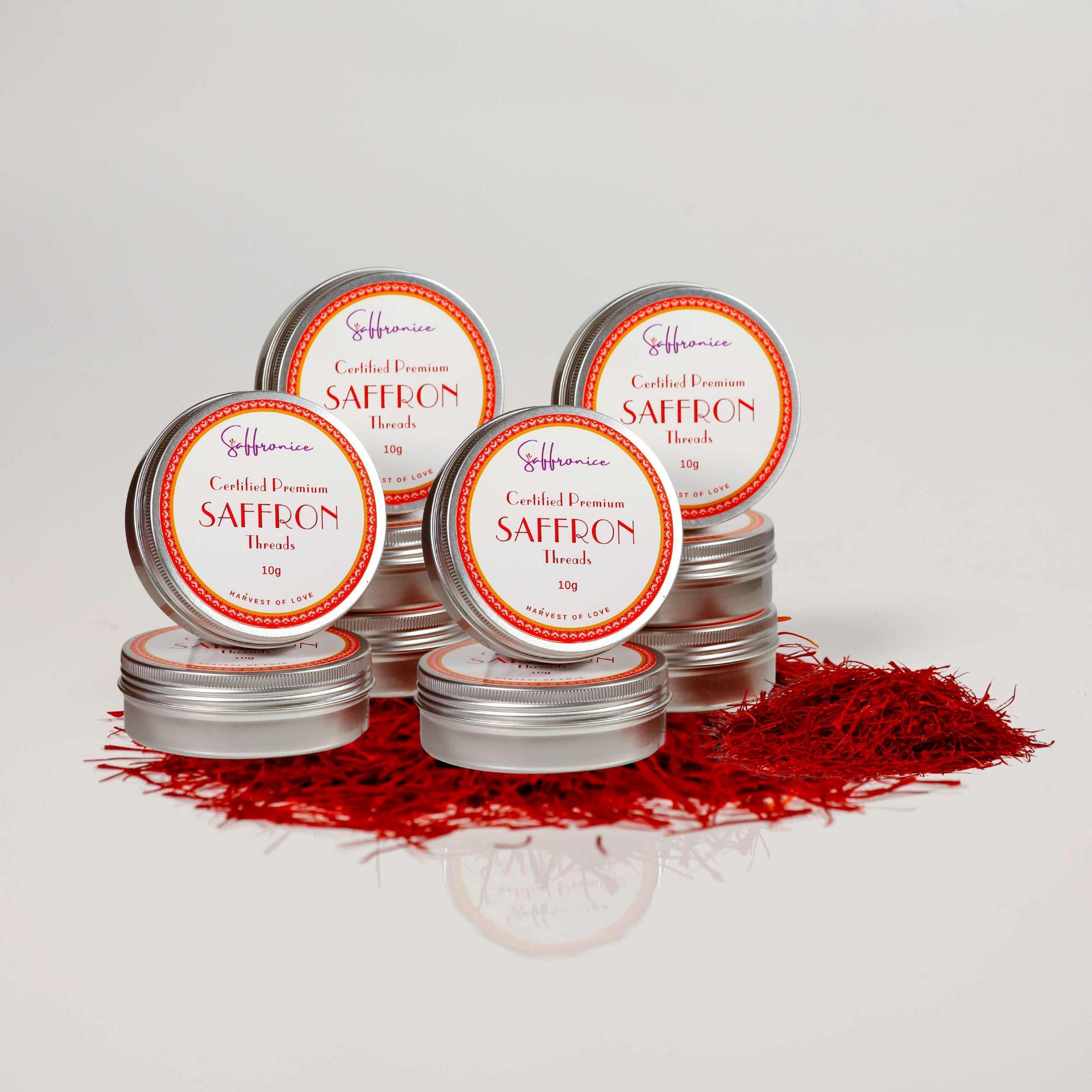
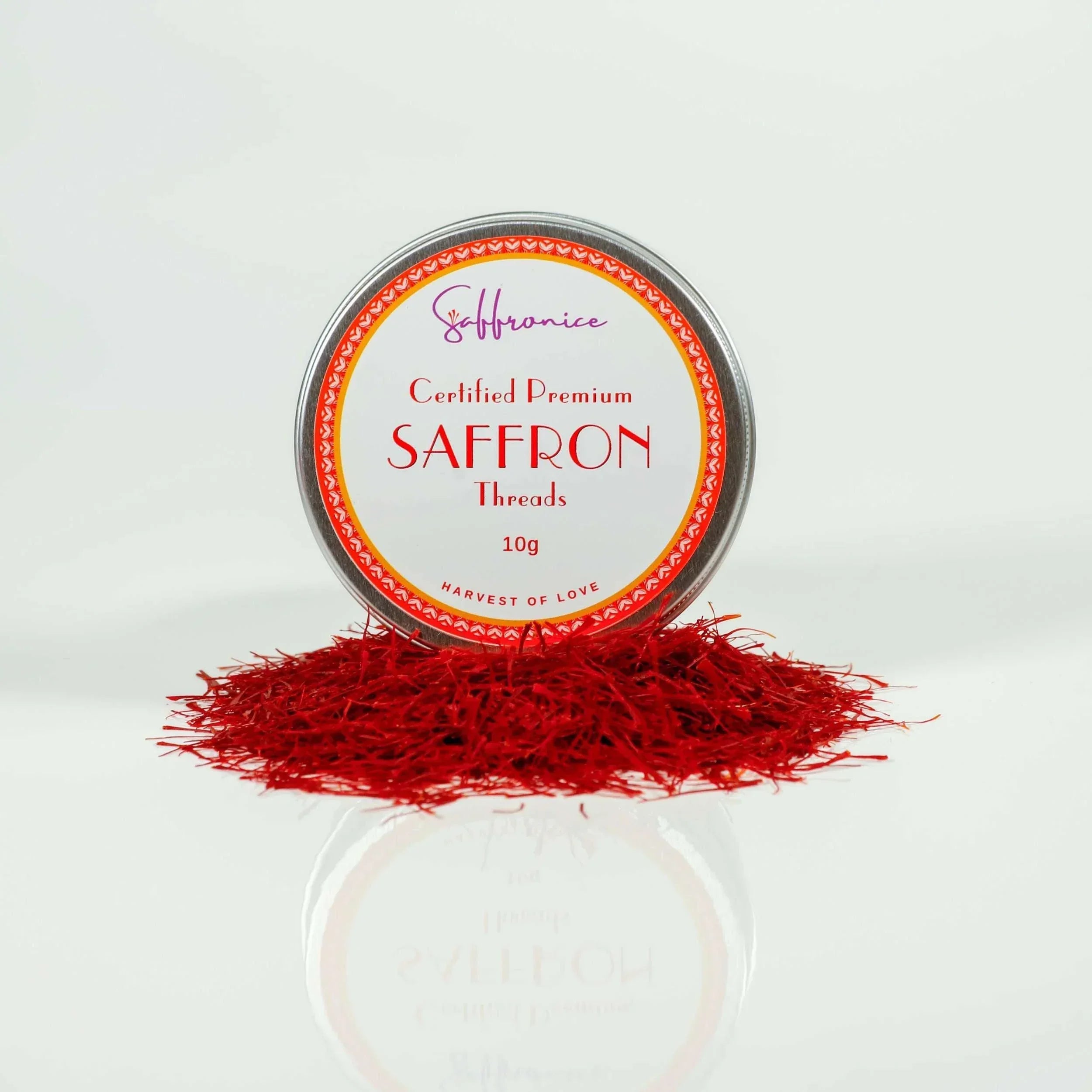
At Saffronice, every product is backed by a 30-day money-back guarantee, which is one of the rarest guarantees in the spice industry — because genuine saffron sellers know their quality.
Other reliable sources
Local Persian, Indian, Afghan, Middle Eastern, and Turkish grocers often stock real saffron, but always check:
-
colour
-
aroma
-
packaging
-
price
-
store reputation
How to Make Saffron Powder at Home (DIY Guide)
If you already use saffron threads, turning them into powder is easy.
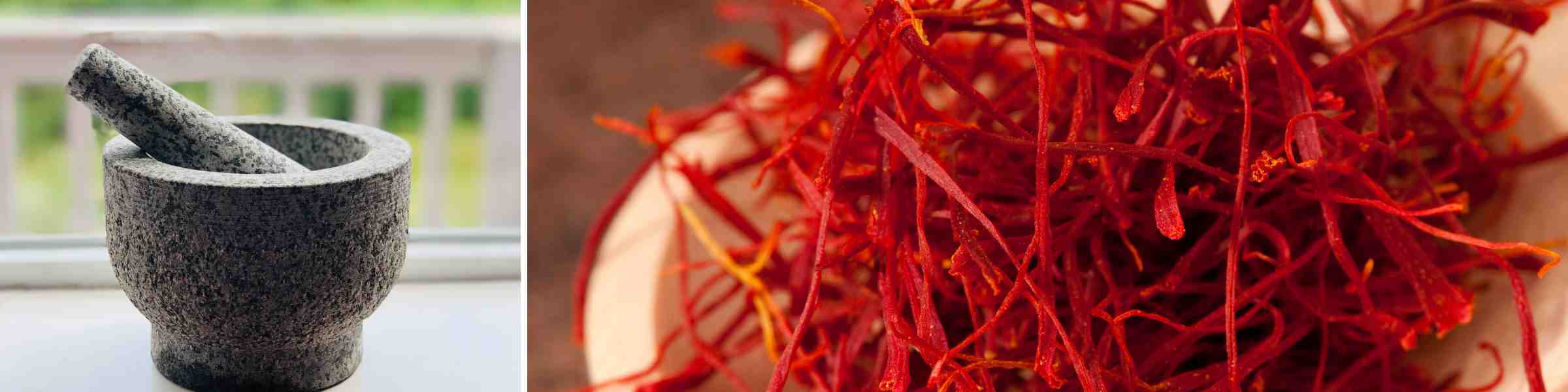
Traditional Method: Mortar and Pestle
-
Place a small pinch of saffron threads into the mortar.
-
If threads feel soft, add a pinch of sugar for sweet dishes
or a pinch of salt for savoury dishes — it absorbs moisture. -
Grind gently until you get a fine powder.
Modern Method: Electric Grinder
-
Use a spice grinder with a pulse function.
-
Pulse gently (do not hold the button; saffron burns easily).
-
Let the powder settle for 1–2 minutes before opening the lid.
-
Store in an airtight, opaque container.
Storage Tips
-
Keep saffron powder away from light, heat, and moisture
-
Dark glass or metal containers work best
-
Store in a pantry or cupboard, not on an open shelf
How to Use Saffron Powder in Cooking
Common searches this section answers:
-
How to use saffron powder?
-
How much saffron powder to use?
General rule
Start with ⅛ teaspoon (or a pinch) per recipe.
You can dissolve it in warm water or add it directly, depending on the dish.
Best uses for saffron powder:
-
baking (cakes, cookies, breads)
-
custards, pastries, ice cream
-
milk drinks and saffron latte
-
rice dishes
-
soups, broths, stews
-
marinades for meat or seafood
-
salad dressings
-
Persian and Mediterranean recipes
Saffron powder is fast, convenient, and powerful — but only when it’s real.
Fake saffron powder dominates the market, so buying from reputable suppliers is essential.
Whether you’re cooking a biryani, baking a cake, or making a saffron latte, genuine saffron powder adds a deep aroma, rich colour, and unmistakable flavour that no imitation can match.
FAQ — Saffron Powder
1. What is saffron powder and how is it different from saffron threads?
Saffron powder is simply saffron threads ground into a fine powder. It dissolves faster, blends more evenly, and doesn’t require soaking. Threads are better for slow cooking, while saffron powder is ideal for baking, sauces, drinks, and quick recipes.
2. Does saffron powder need to be soaked before using it?
No. Saffron powder does not need soaking because it releases colour and aroma instantly. You can add it directly to liquids, doughs, marinades, soups, and sauces.
3. How can I tell if saffron powder is real or fake?
Real saffron powder is deep red, aromatic, and slightly sweet-earthy. Fake saffron powder is often yellow, bright orange, or bland-smelling. Avoid powders mixed with turmeric, food dyes, or cheap fillers. Always check the packaging, aroma, price, and seller reputation.
4. How much saffron powder should I use in cooking or baking?
Start with ⅛ teaspoon (a pinch) for most recipes. Saffron powder is potent, so small amounts deliver strong colour and flavour. You can always increase gradually based on taste.
5. Where can I buy authentic saffron powder in Australia?
Look for reputable suppliers who guarantee purity, avoid plastic packaging, and offer a money-back guarantee. Saffronice provides 100% genuine saffron powder and a 30-day satisfaction guarantee. Some Persian, Indian, Turkish, and Middle Eastern grocers also carry real saffron.
6. Can I make saffron powder at home from saffron threads?
Yes. You can grind saffron threads using a mortar and pestle or a spice grinder. Add a pinch of sugar (for sweet dishes) or salt (for savoury dishes) if the threads feel soft or moist. Store your homemade saffron powder in an airtight, light-proof container.
View Other Interesting Saffron Related Articles