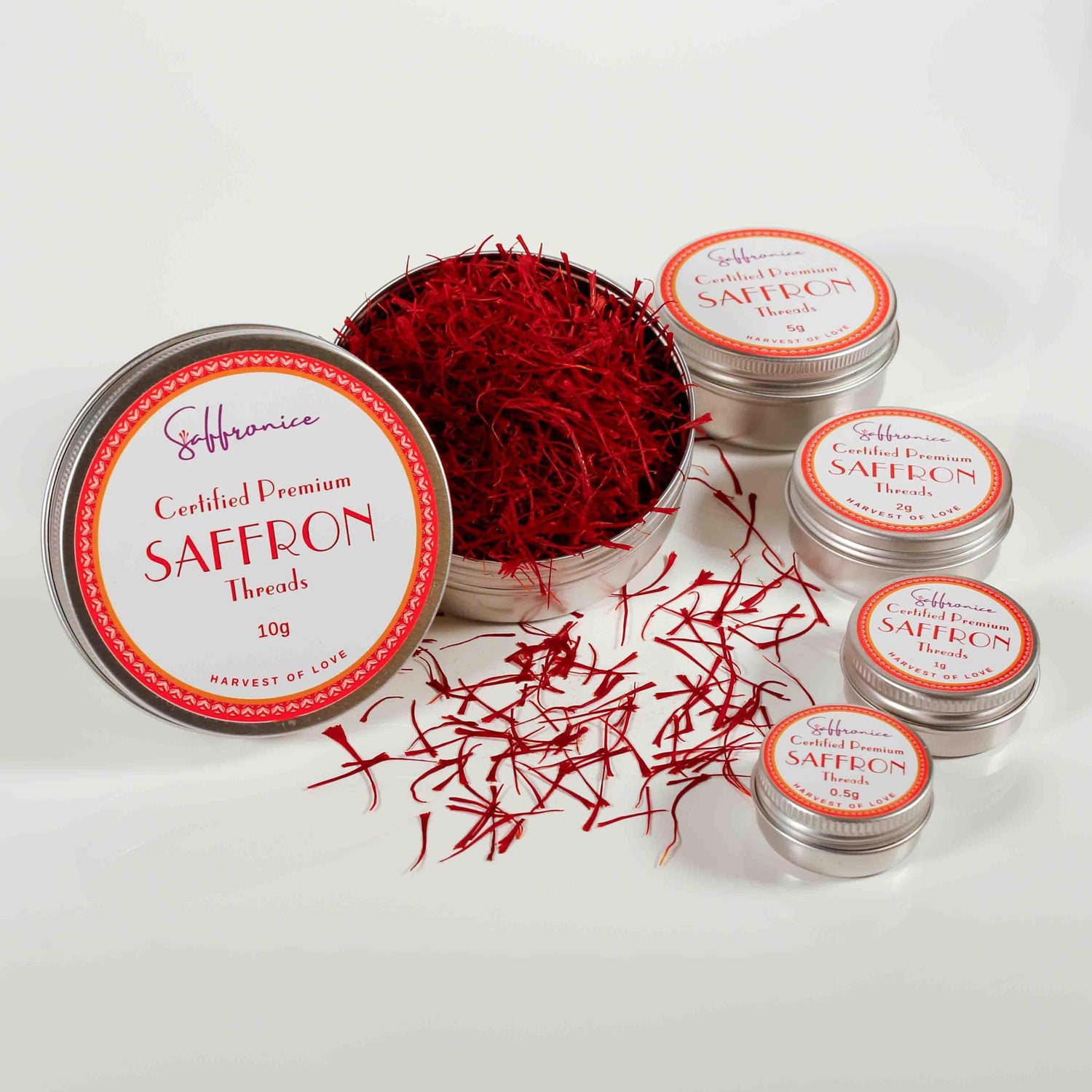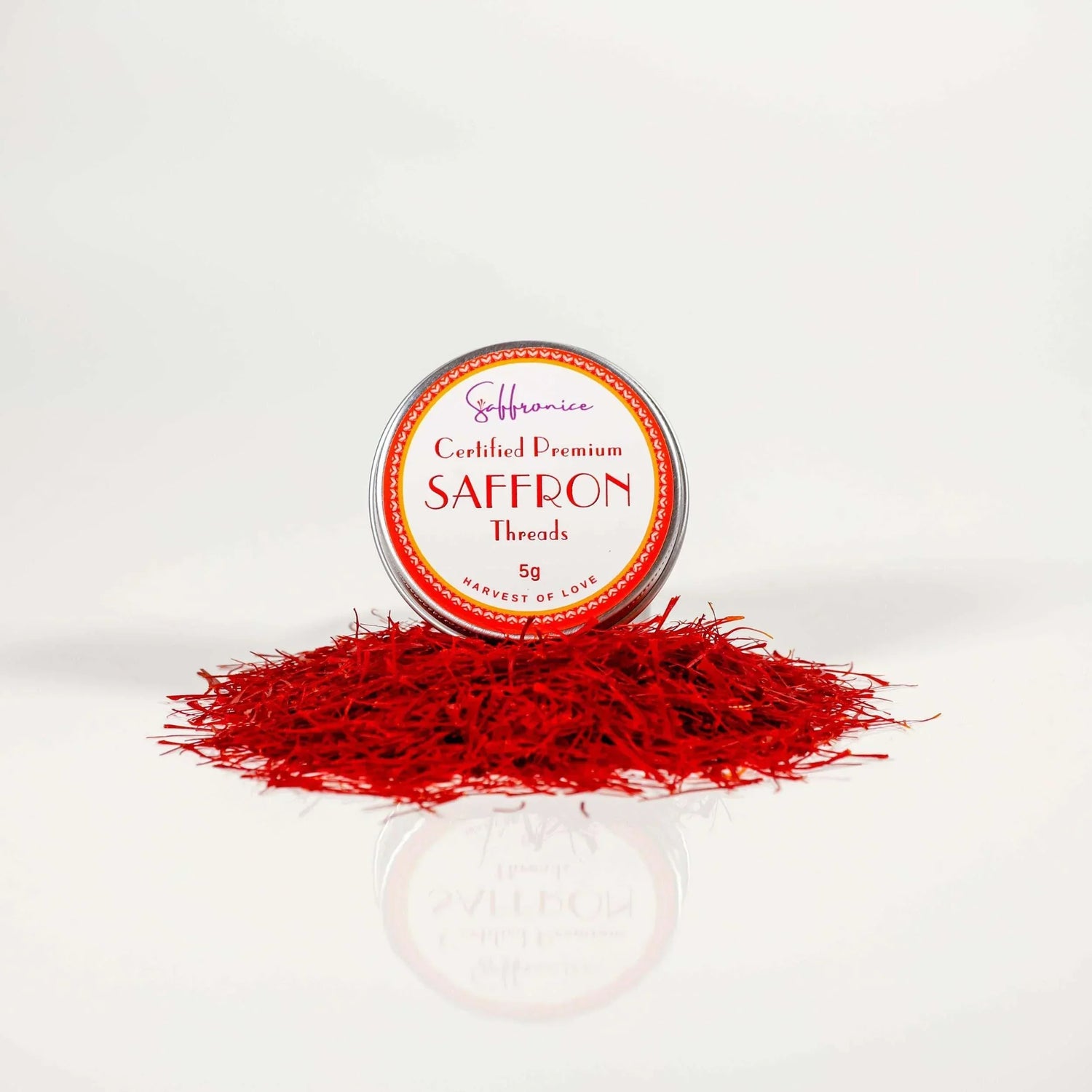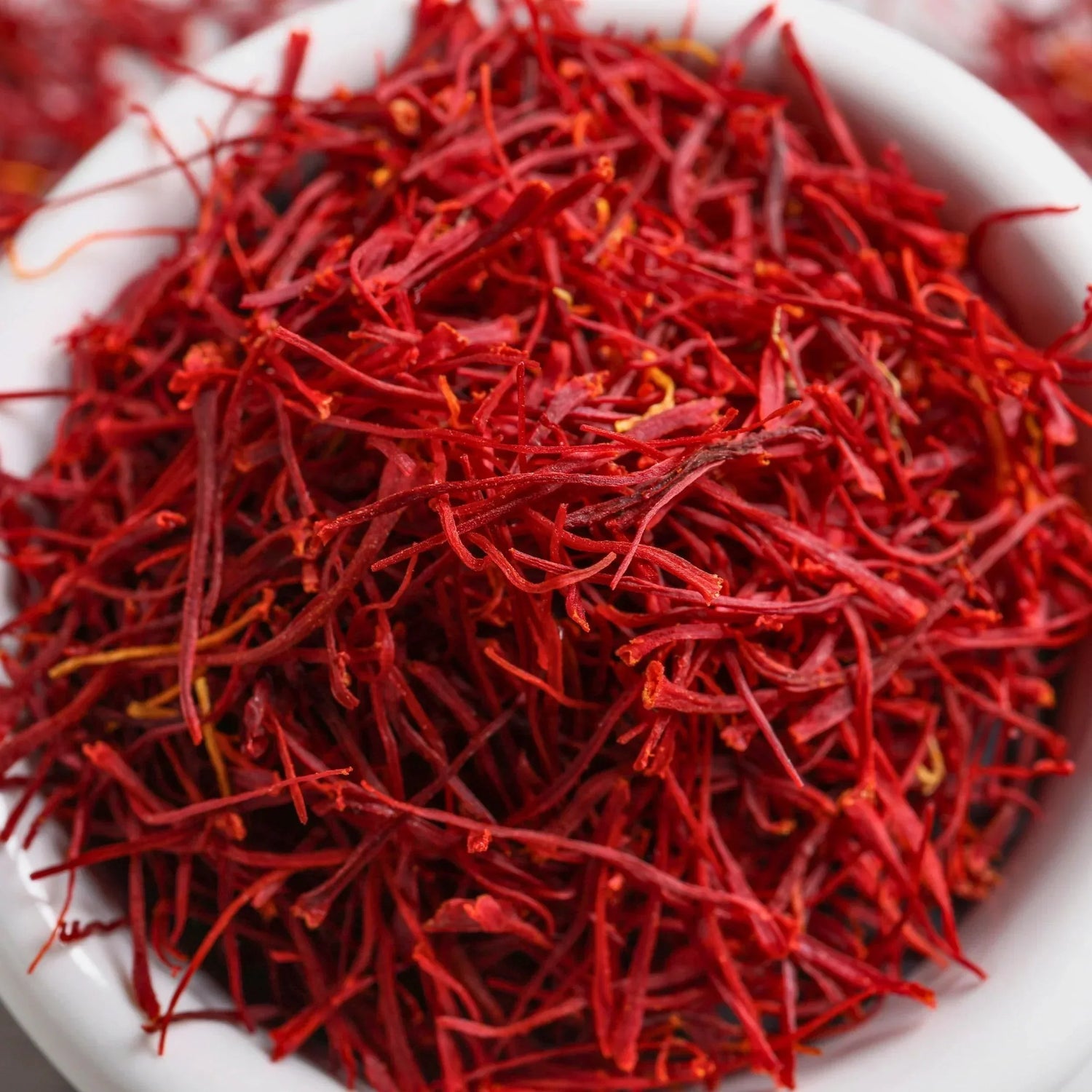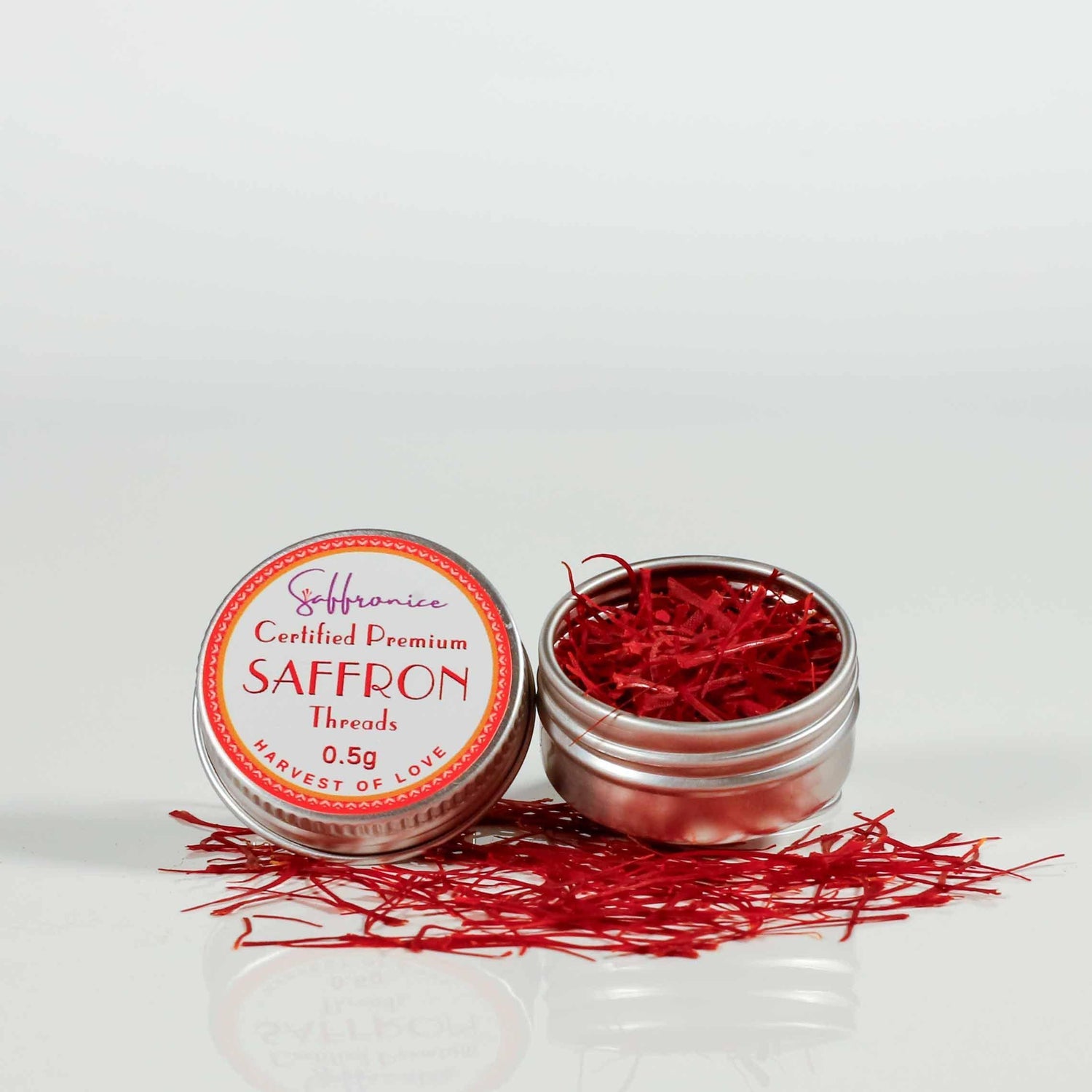


Colourful vegetables, warm spices, and aromatic saffron come together in this easy Fijian-inspired vegetable curry. Cauliflower, zucchini, carrots, capsicum, and green beans gently simmer until tender, creating a simple one-pot dish that's full of colour and flavour.
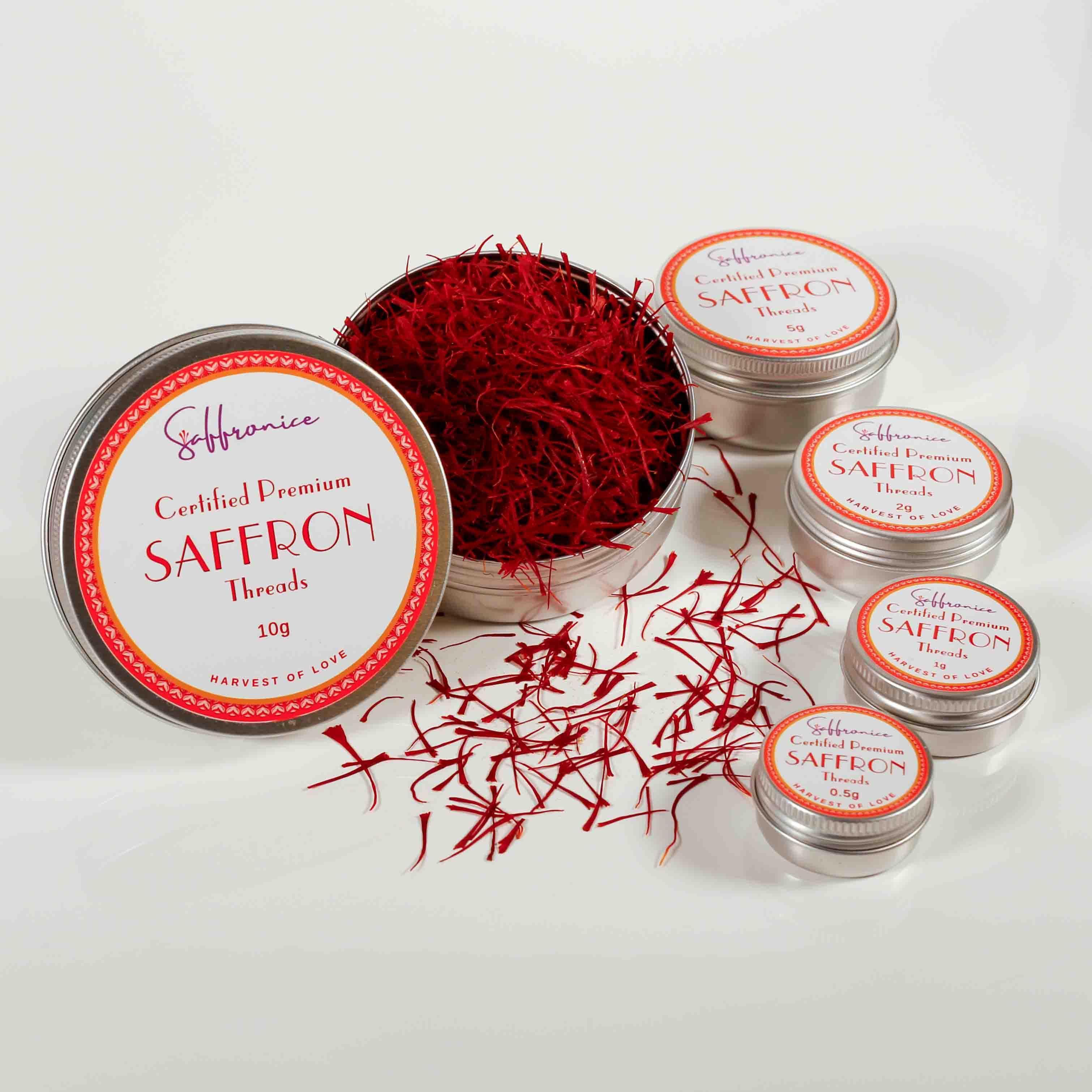
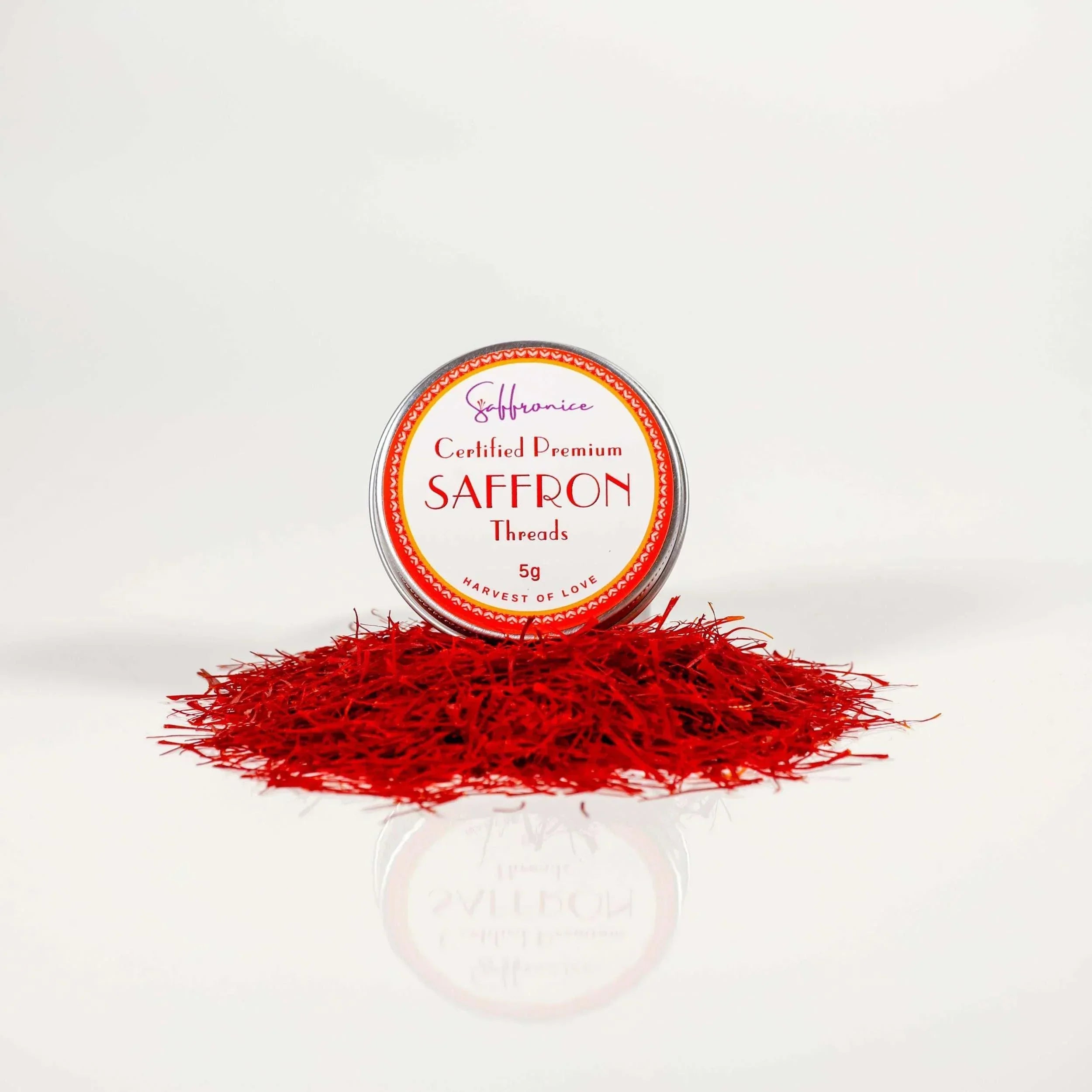
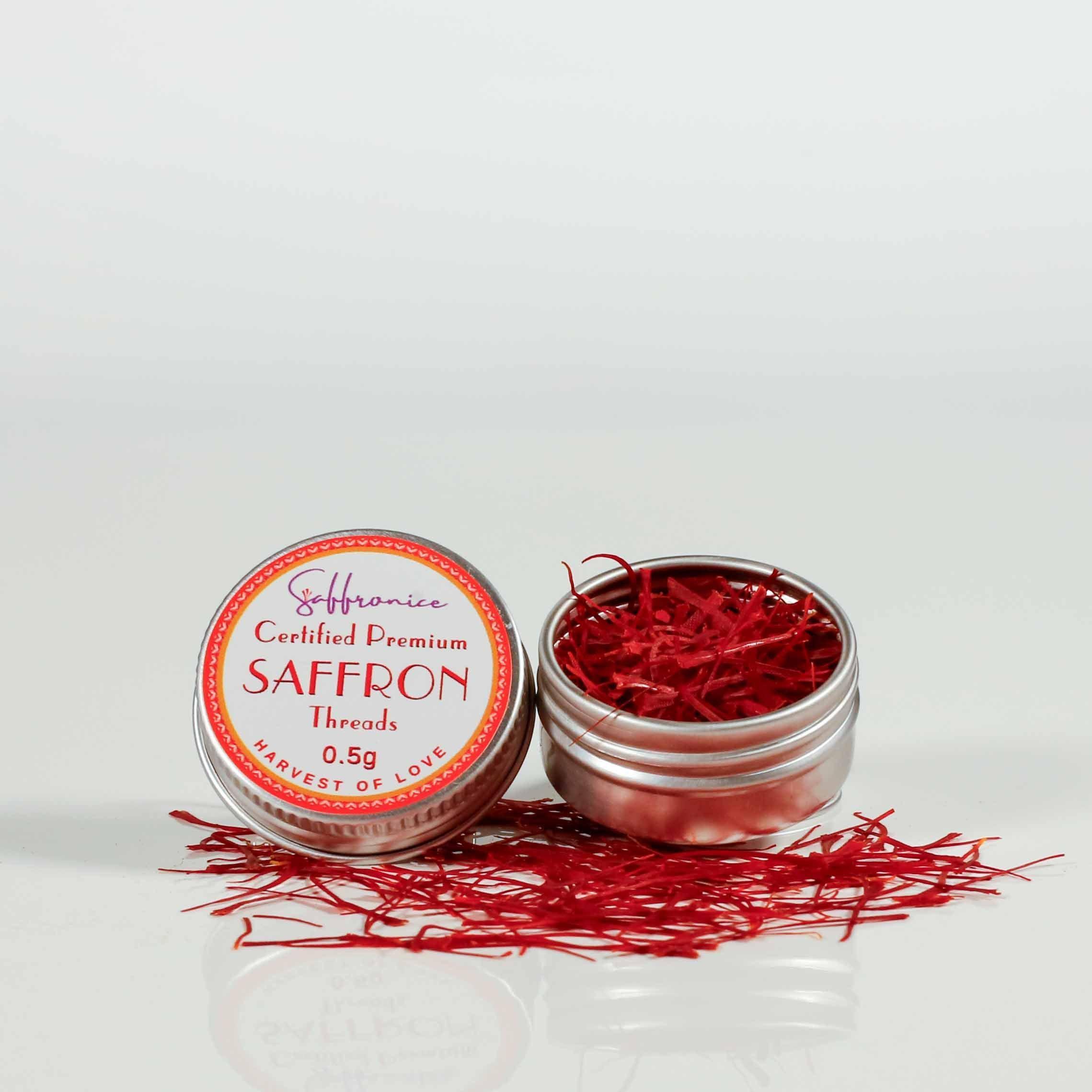
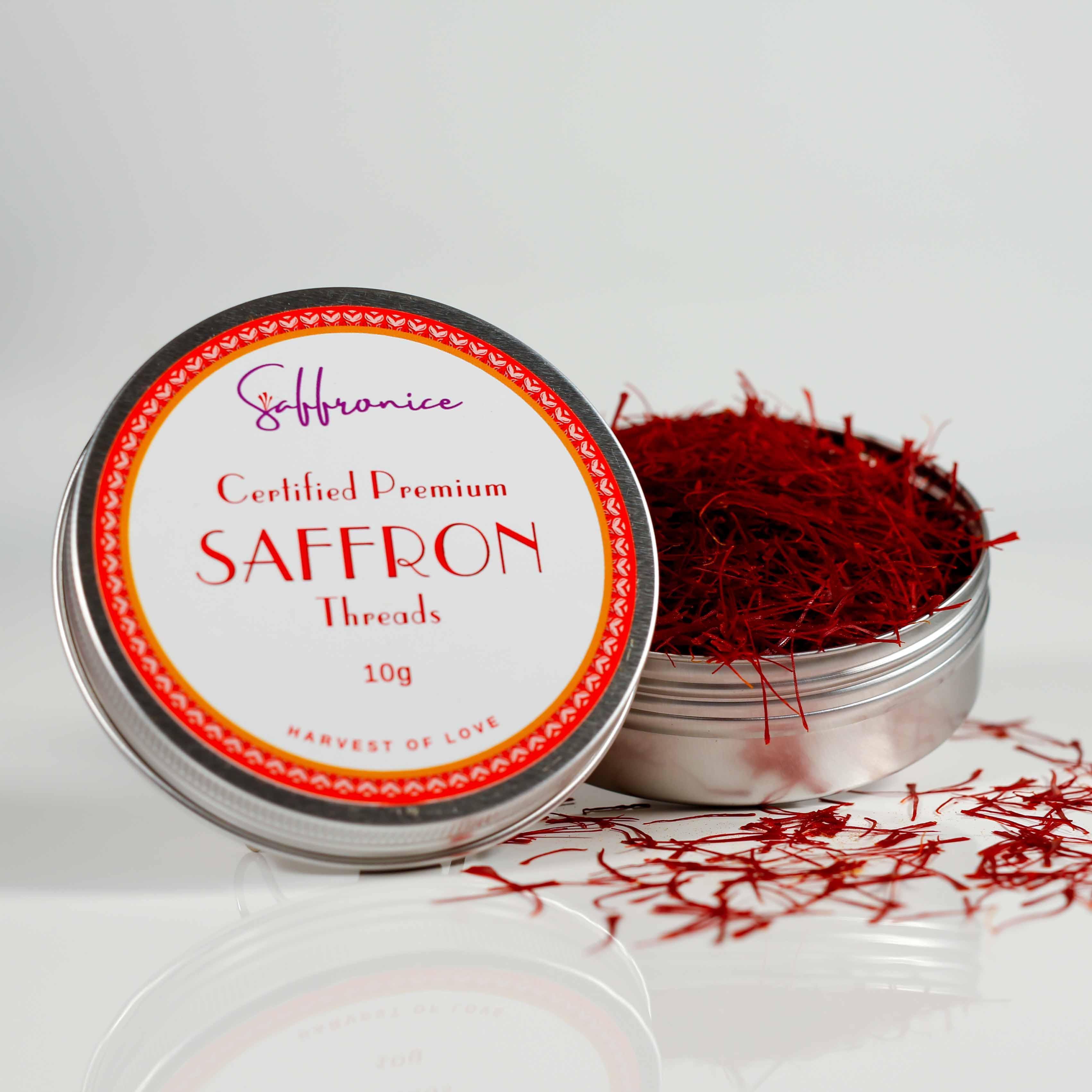
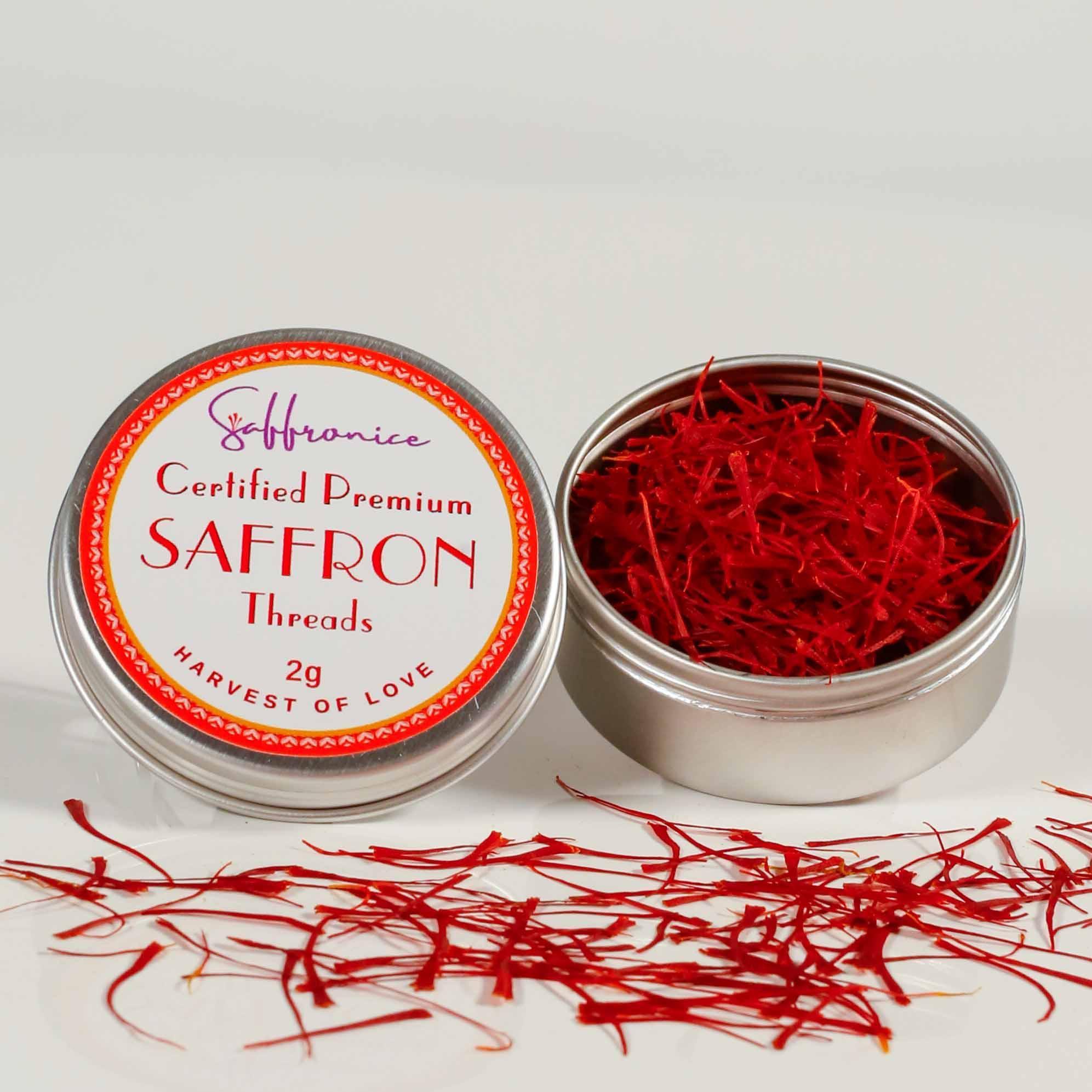
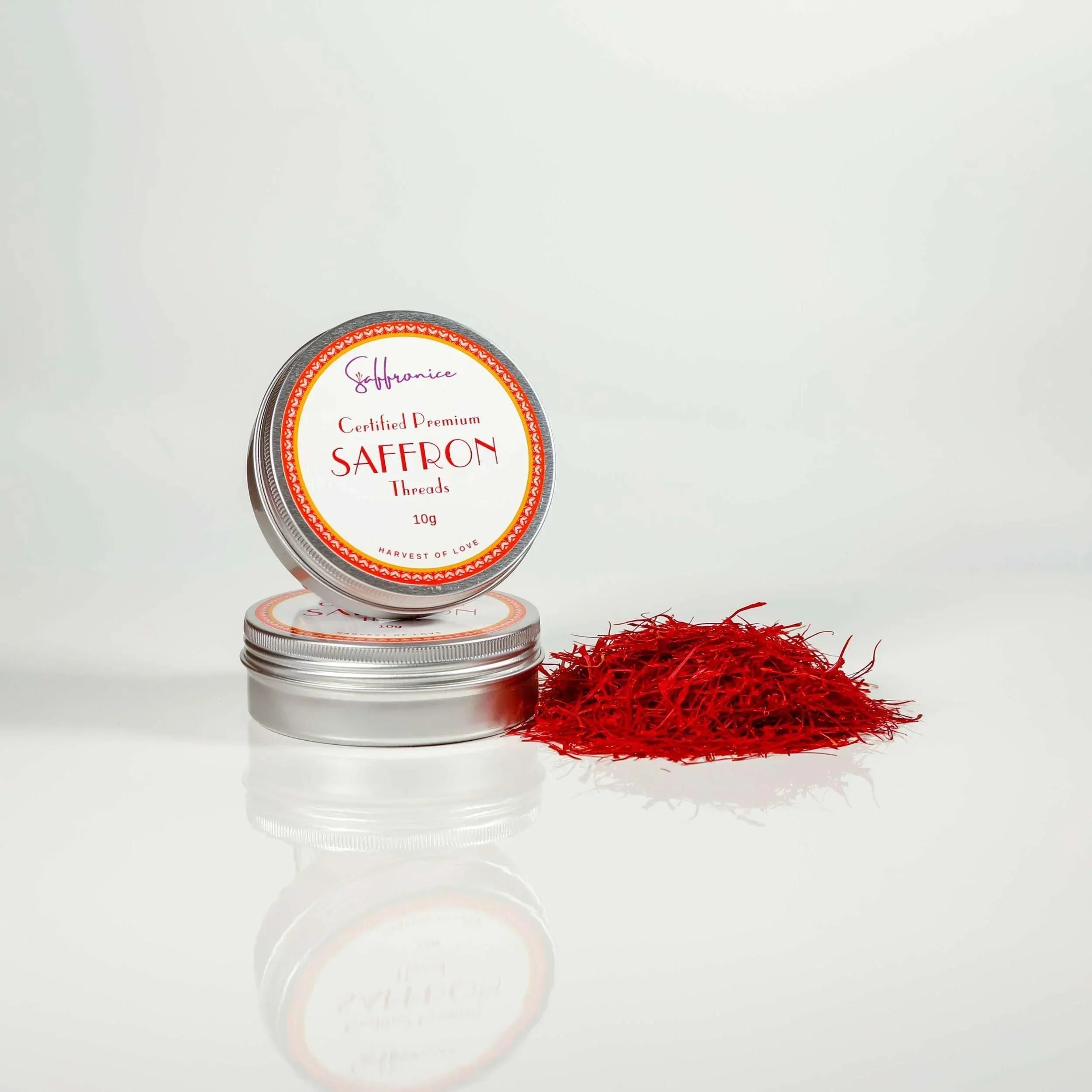
A touch of Saffron Powder adds its distinctive aroma and golden hue, while a simple homemade spice mixture brings warmth to the vegetables. Serve it alongside fluffy steamed rice for an easy lunch or dinner.
Why You'll Love This Recipe

The combination of cauliflower, zucchini, carrots, capsicum, and green beans provides plenty of texture, while saffron adds a delicate aroma and golden colour to the dish.
It's also easy to adapt according to the vegetables you have available. Serve it with steamed rice for a more substantial meal, or enjoy it alongside other vegetable dishes as part of a larger spread.
Because everything simmers together in one pan, there's also minimal washing up afterwards.
A Fijian-Inspired Vegetable Dish
Fijian cooking reflects a mix of indigenous Fijian, Indian, and other Pacific influences, with vegetables, root crops, coconut, seafood, and aromatic spices appearing across different dishes.
This recipe takes inspiration from those flavours by combining colourful vegetables with saffron in a simple, lightly seasoned sauce. Rather than making a heavily sauced curry, the vegetables remain the focus of the dish.
Recipe Snapshot
|
Prep Time |
15 minutes |
|
Cook Time |
20–25 minutes |
|
Total Time |
35–40 minutes |
|
Servings |
4 |
|
Course |
Main / Side |
|
Difficulty |
Easy |
|
Cooking Method |
Stovetop / One Pot |
Ingredients

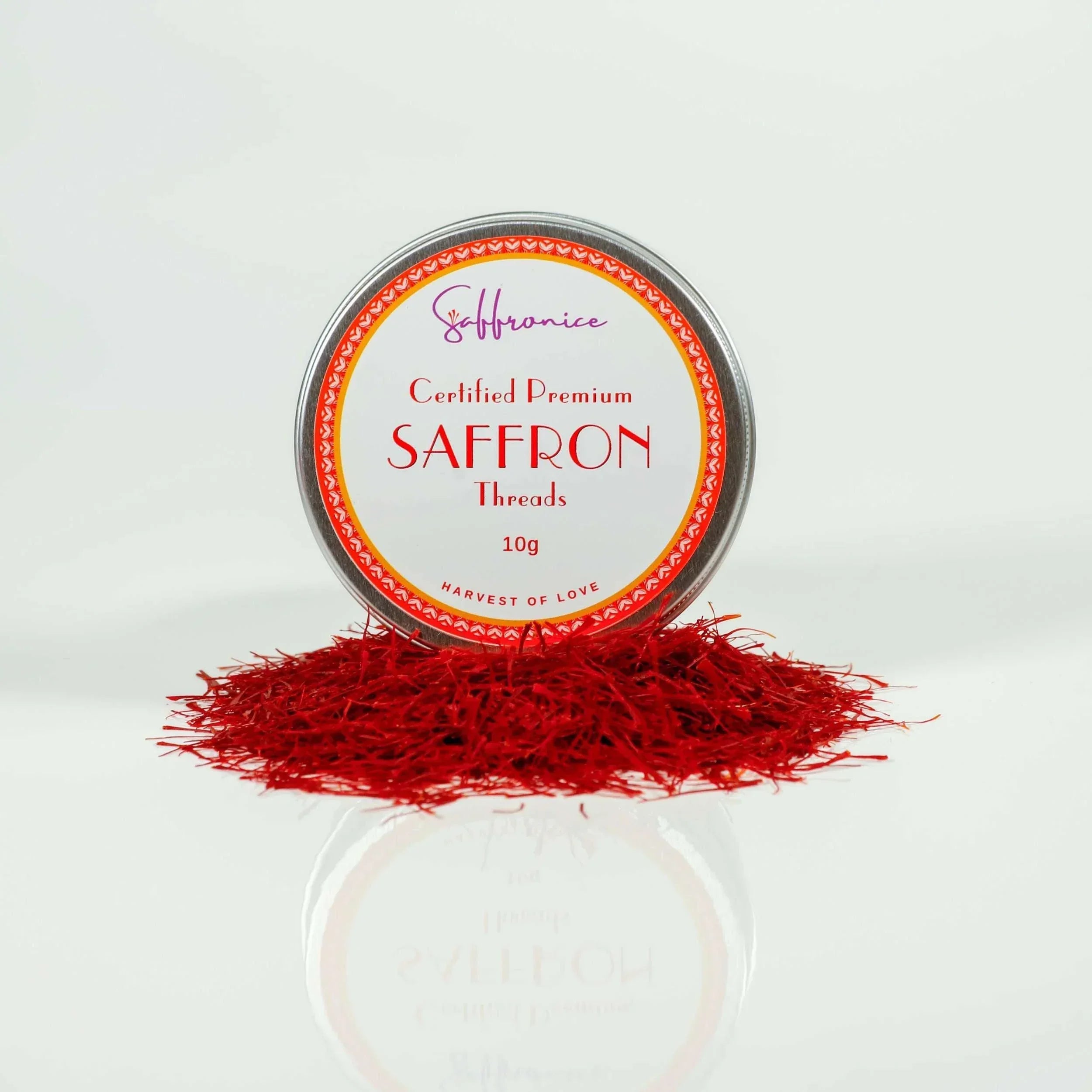
- ¼ teaspoon Saffronice Saffron Powder
- 1 small brown onion, finely diced
- ½ cup cauliflower, cut into small florets
- ½ cup zucchini (courgette), cubed
- ½ cup carrots, chopped
- ½ cup capsicum (bell pepper), chopped
- ½ cup green beans, chopped
- Cooking oil, as needed
- Sea salt and black pepper, to taste
- Steamed rice, for serving
Equipment
- Medium saucepan or deep frying pan
- Cutting board
- Sharp knife
- Wooden spoon
Let's Start Cooking
Step 1 – Prepare the Vegetables

Finely dice the onion. Cut the cauliflower and zucchini into small pieces, then chop the carrots, capsicum, and green beans.
Step 2 – Cook the Onion
Heat a little cooking oil in a medium pan over medium heat.
Add the onion and sauté gently until softened and lightly golden.
Step 3 – Add the Saffron
Add ¼ teaspoon Saffronice Saffron Powder with a small splash of warm water. Stir gently until evenly combined.
Step 4 – Add the Vegetables

Add the cauliflower, zucchini, carrots, capsicum, and green beans.
Stir well until the vegetables are evenly coated in the saffron mixture.
Add enough water to allow the vegetables to simmer gently, then season with sea salt and black pepper.
Step 5 – Simmer
Reduce the heat to low and simmer until the vegetables are tender, stirring occasionally.
Add a small splash of water during cooking if needed.
Step 6 – Serve

Taste and adjust the seasoning, then serve the vegetables warm alongside fluffy steamed rice.
Why Saffron Works in This Vegetable Dish

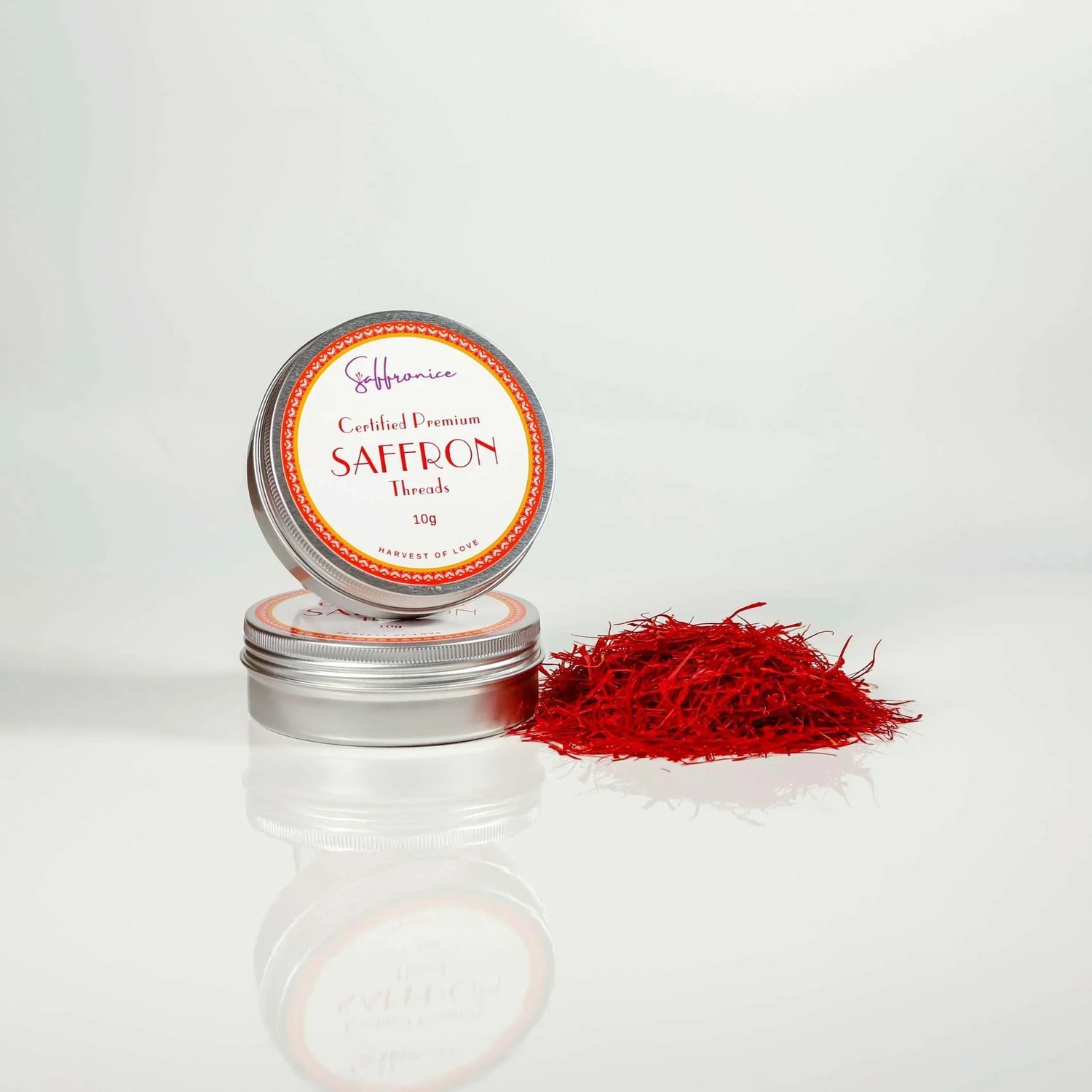
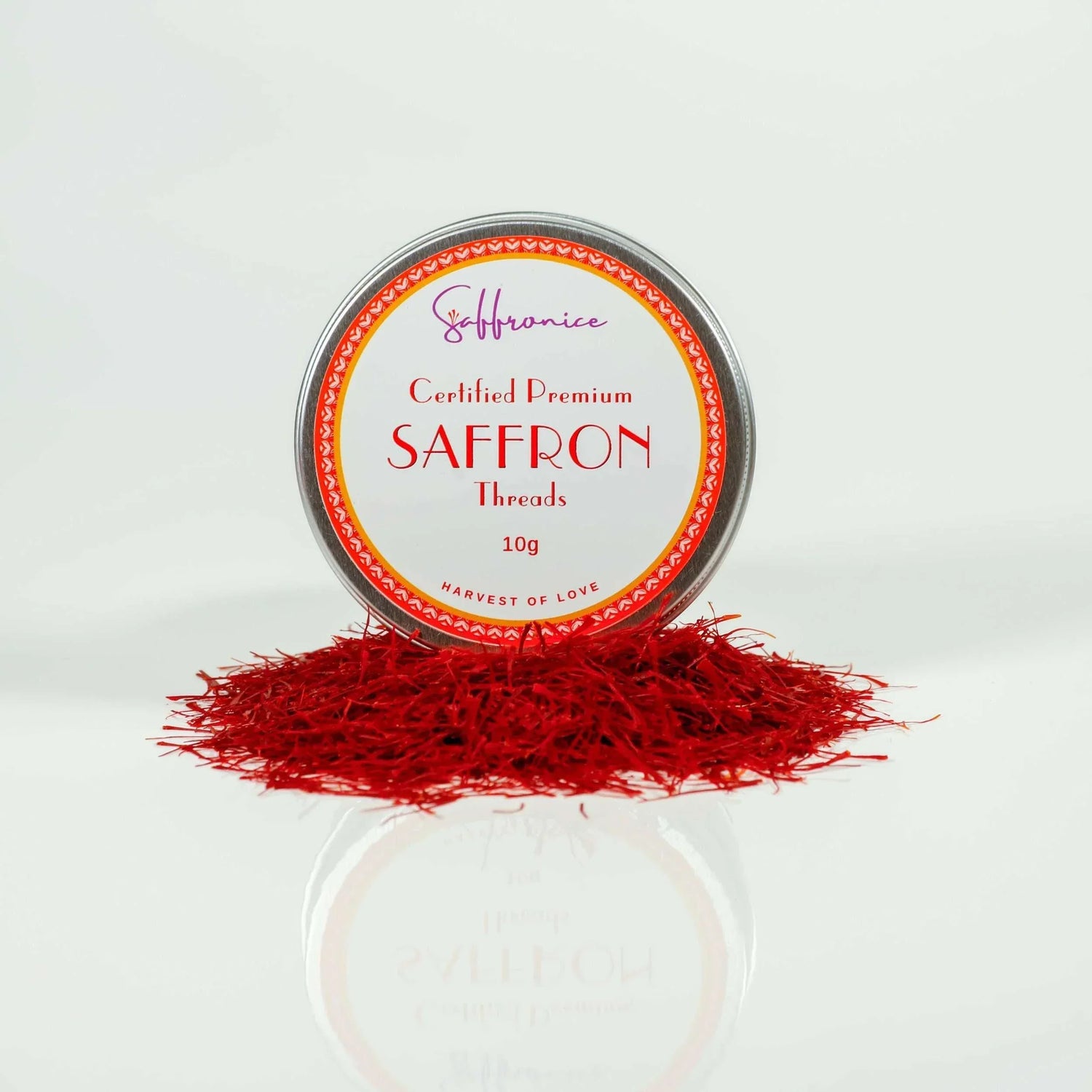
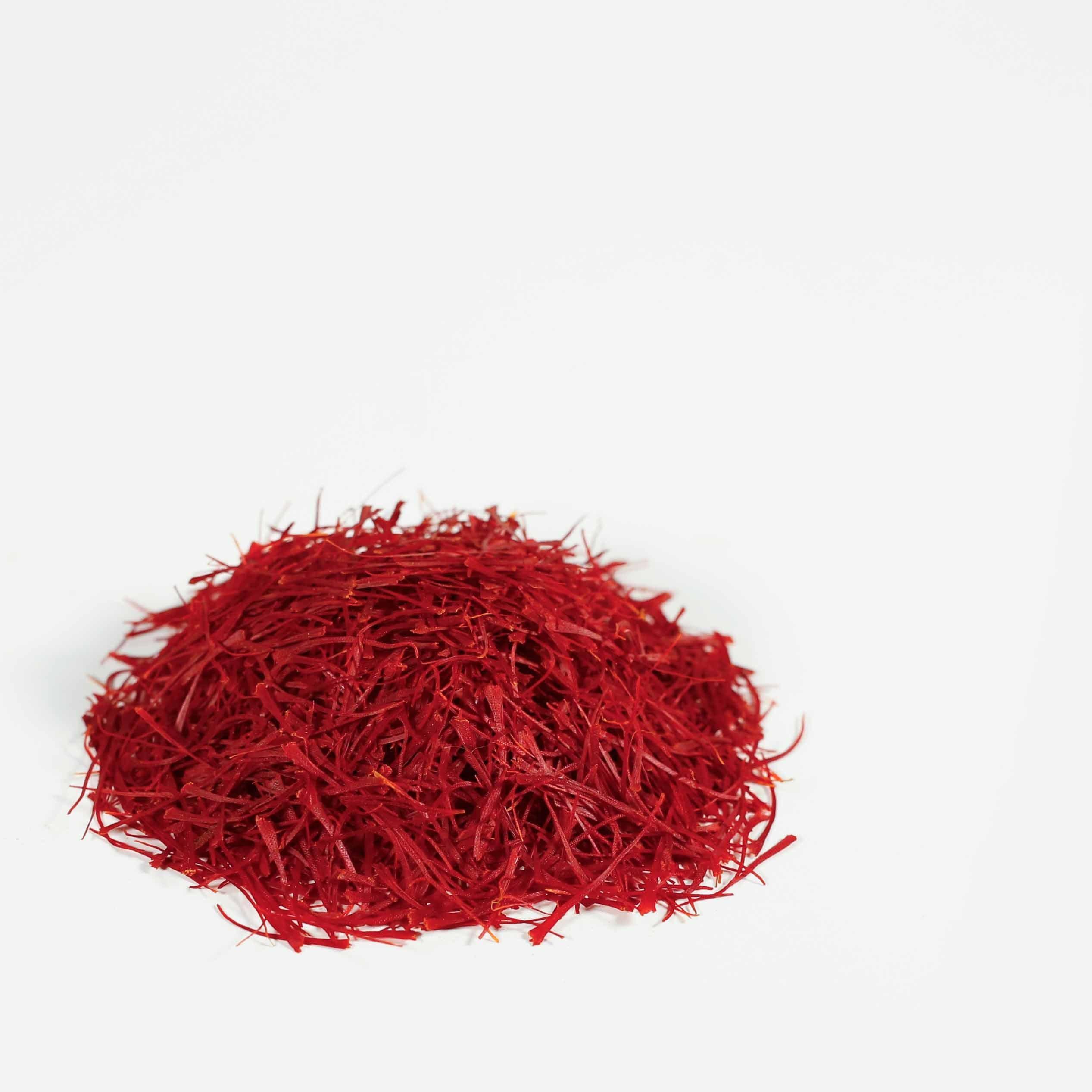
Saffron doesn't need to dominate a dish to make an impact. Here, Saffronice Saffron Powder is combined with a little warm water before the vegetables are added.
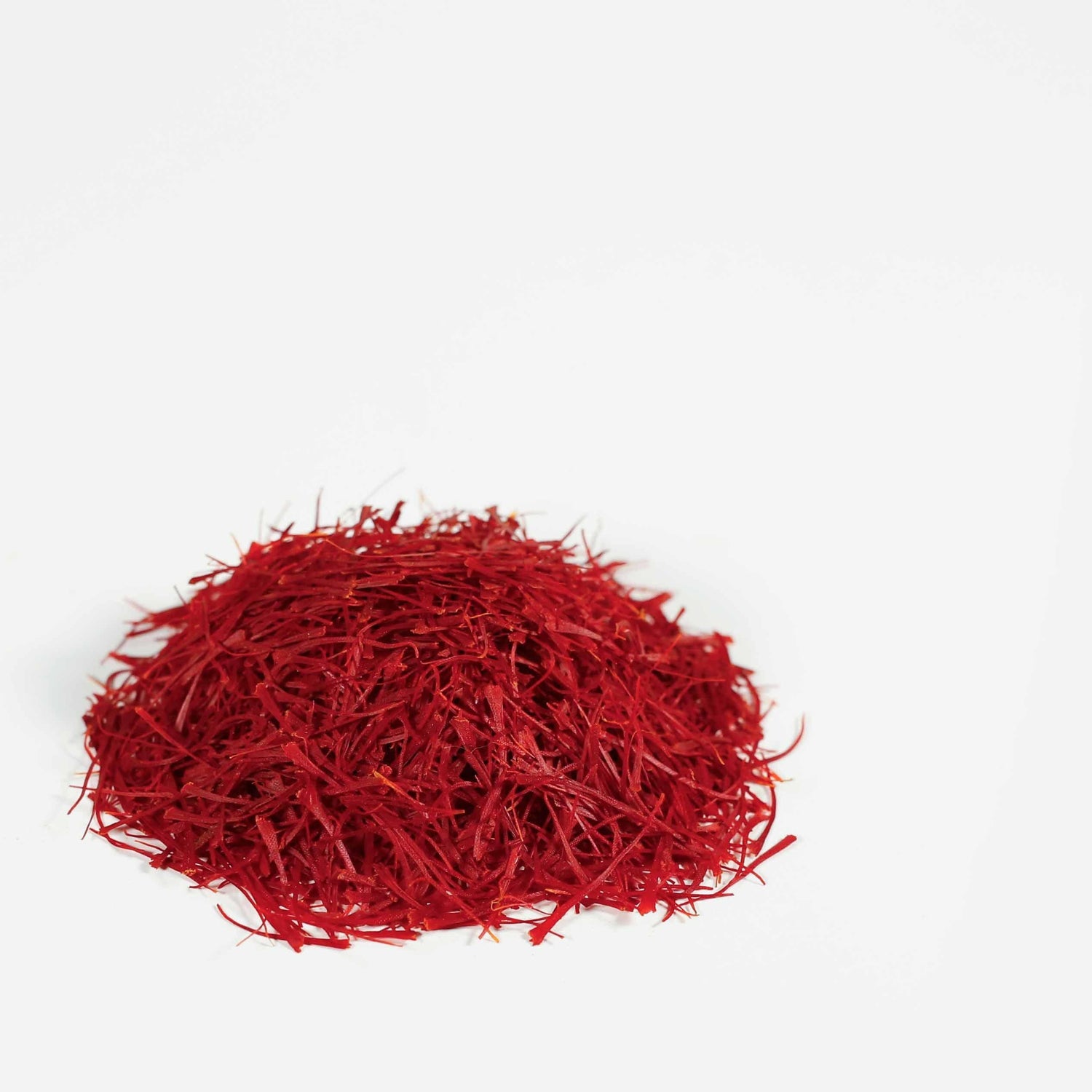
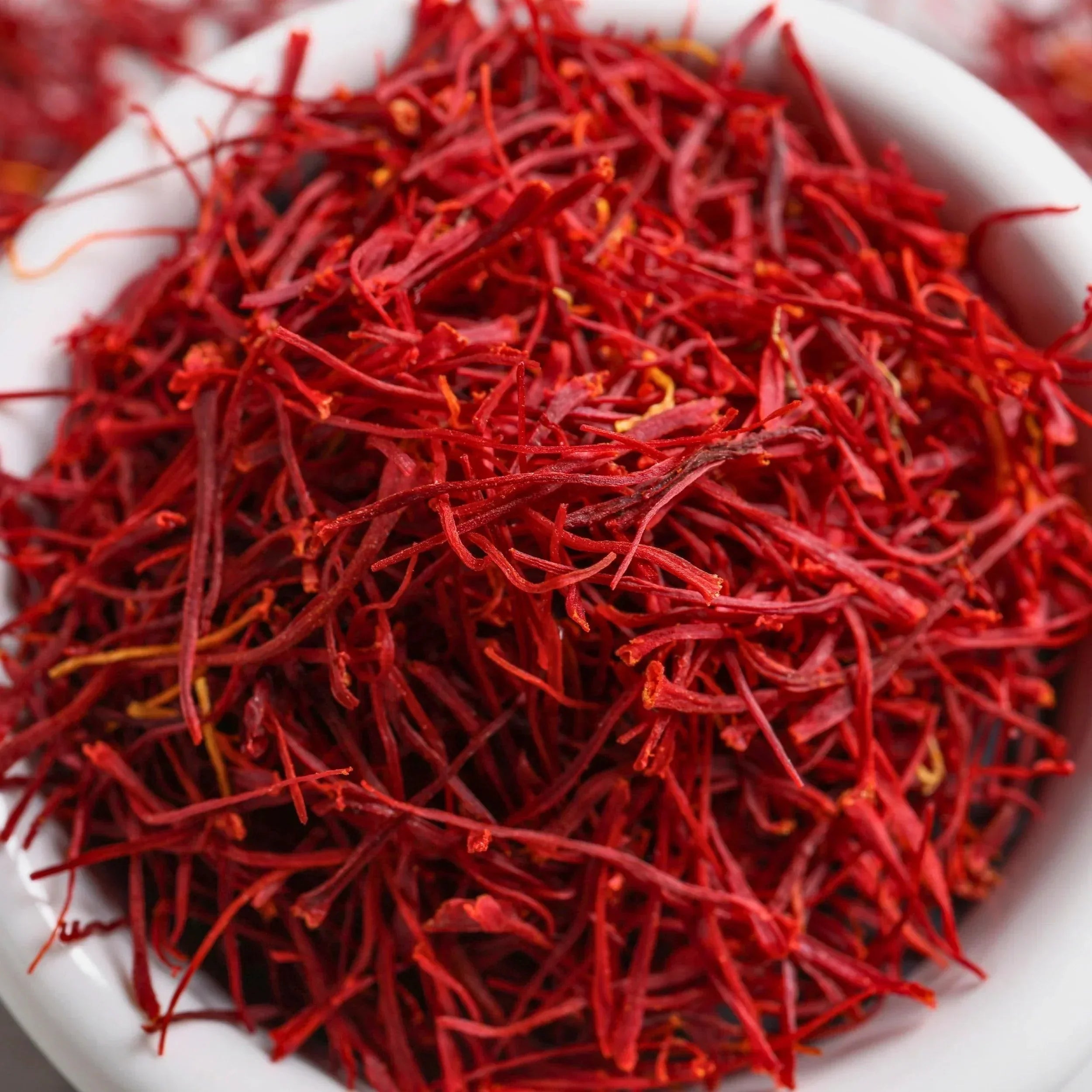
Using Saffron Powder makes it particularly easy to distribute the saffron throughout the dish. As the vegetables simmer, the saffron becomes incorporated into the cooking liquid, adding its distinctive aroma and golden colour.
The cauliflower is especially good at picking up the colour and flavour of the surrounding spices.
Tips for Perfectly Cooked Vegetables
The key to this recipe is cooking the vegetables until tender without allowing them to become overly soft.
Cut everything evenly. Similar-sized pieces cook at roughly the same rate and make the finished dish easier to eat.
Don't add too much water immediately. Start with around ½ cup and add more only when necessary. You want enough liquid for the vegetables to simmer without turning the dish into soup.
Keep the heat gentle. Once the vegetables have been added, low heat allows them to soften gradually while absorbing the saffron-infused cooking liquid.
Check the carrots first. Carrots generally take longer to soften than zucchini or capsicum. Test a piece toward the end of cooking to judge whether the dish is ready.
Easy Vegetable Swaps

This recipe is flexible enough to accommodate other vegetables you may already have in the kitchen.
Try swapping some of the cauliflower for broccoli, or add green peas toward the end of cooking. Pumpkin or sweet potato can make the dish more substantial, although they may need a little longer to become tender.
Eggplant can also work well in this dish, while leafy vegetables such as spinach should be added only toward the end because they cook very quickly.
Aim to keep roughly the same overall quantity of vegetables so you don't need to significantly adjust the seasoning or liquid.
What to Serve with Fijian Saffron Vegetables

Steamed rice is the simplest accompaniment and turns these vegetables into a more substantial meal. Jasmine or basmati rice both work well.
Warm flatbread is another option for scooping up the vegetables and lightly spiced sauce.
For extra protein, you could serve the vegetables alongside chickpeas, lentils, grilled fish, or chicken rather than changing the vegetable mixture itself.
A fresh cucumber and tomato salad also provides a cool, crisp contrast to the warm spices.
Storage & Reheating
Allow leftovers to cool slightly before transferring them to an airtight container. Refrigerate within 2 hours of cooking and use within 3 days.
Reheat gently in a saucepan over medium-low heat, adding a small splash of water if the vegetables have become dry.
Heat until steaming hot throughout. Avoid cooking for much longer than necessary when reheating, as the vegetables will continue to soften.
If serving with leftover rice, store the rice separately and reheat it thoroughly according to safe food-handling practices.
More Vegetable & Rice Recipes
If you enjoy colourful vegetable dishes and saffron-infused meals, here are a few more recipes to try.

- Saffron Rice with Cranberries - For a simpler side dish, this saffron rice combines basmati rice with cranberries for a balance of aromatic and lightly sweet flavours. It can be served alongside vegetables or other savoury dishes.
- Saffron Rice – The Persian Way - Learn another way to prepare saffron rice, featuring fluffy basmati rice and a crispy golden potato base.
- Vegetarian Saffron-Infused Paella - This vegetarian paella combines rice with red and yellow capsicum, peas, tomatoes and aromatic spices, making it another colourful vegetable-focused meal.
A Colourful One-Pot Meal
This Fijian-inspired saffron vegetable dish brings together colourful vegetables and Saffron Powder in a simple one-pan preparation.
Serve it alongside fluffy steamed rice for an easy meal, or make it part of a larger spread with flatbread, salad, and your favourite protein. It's a flexible way to turn everyday vegetables into something warm, aromatic, and satisfying.
Frequently Asked Questions
What vegetables can I use in this recipe?
This version uses cauliflower, zucchini, carrots, red capsicum, and green beans. Broccoli, peas, pumpkin, sweet potato, eggplant, or spinach can also be incorporated depending on what you have available.
Can I use ghee instead of cooking oil?
Yes. Ghee can be used instead of cooking oil when sautéing the onion. It will give the finished dish a slightly richer flavour.
How much water should I add?
Start with around ½ cup (125 ml) and add more only if necessary. The vegetables need enough liquid to simmer gently, but they don't need to be submerged completely.
What rice goes best with these vegetables?
Jasmine and basmati rice are both good choices. Plain steamed rice allows the saffron and spices in the vegetables to remain the main flavours.
Can I make this recipe ahead of time?
Yes. Prepare the vegetables ahead and refrigerate them until needed, or cook the complete dish and gently reheat it before serving.
Can I add chickpeas?
Yes. Drained and rinsed canned chickpeas can make the dish more substantial. Add them along with the vegetables so they have time to heat through and absorb some of the surrounding flavours.