

Brewing loose leaf tea in a teapot is a slower, more intentional process — and that’s exactly why the result is superior. When brewed correctly, high-quality loose leaf tea releases its flavour, aroma, and colour gradually, producing a smooth, balanced cup rather than an artificially strong one.
This guide walks you through a simple, reliable method to brew loose leaf tea properly, focusing on temperature, timing, quantity, and quality indicators.
Easy Tea Brewing Method
To truly enjoy loose leaf tea, patience matters.
A good quality tea requires time for proper extraction — typically 10 to 15 minutes of brewing and gentle simmering. High-grade tea leaves release their colour and flavour slowly as their natural compounds infuse into the water.
Low-quality teas, on the other hand, are often sprayed with artificial colour, preservatives, or fragrance. These teas release colour within seconds, which can be a quick visual clue that the tea lacks depth and purity.
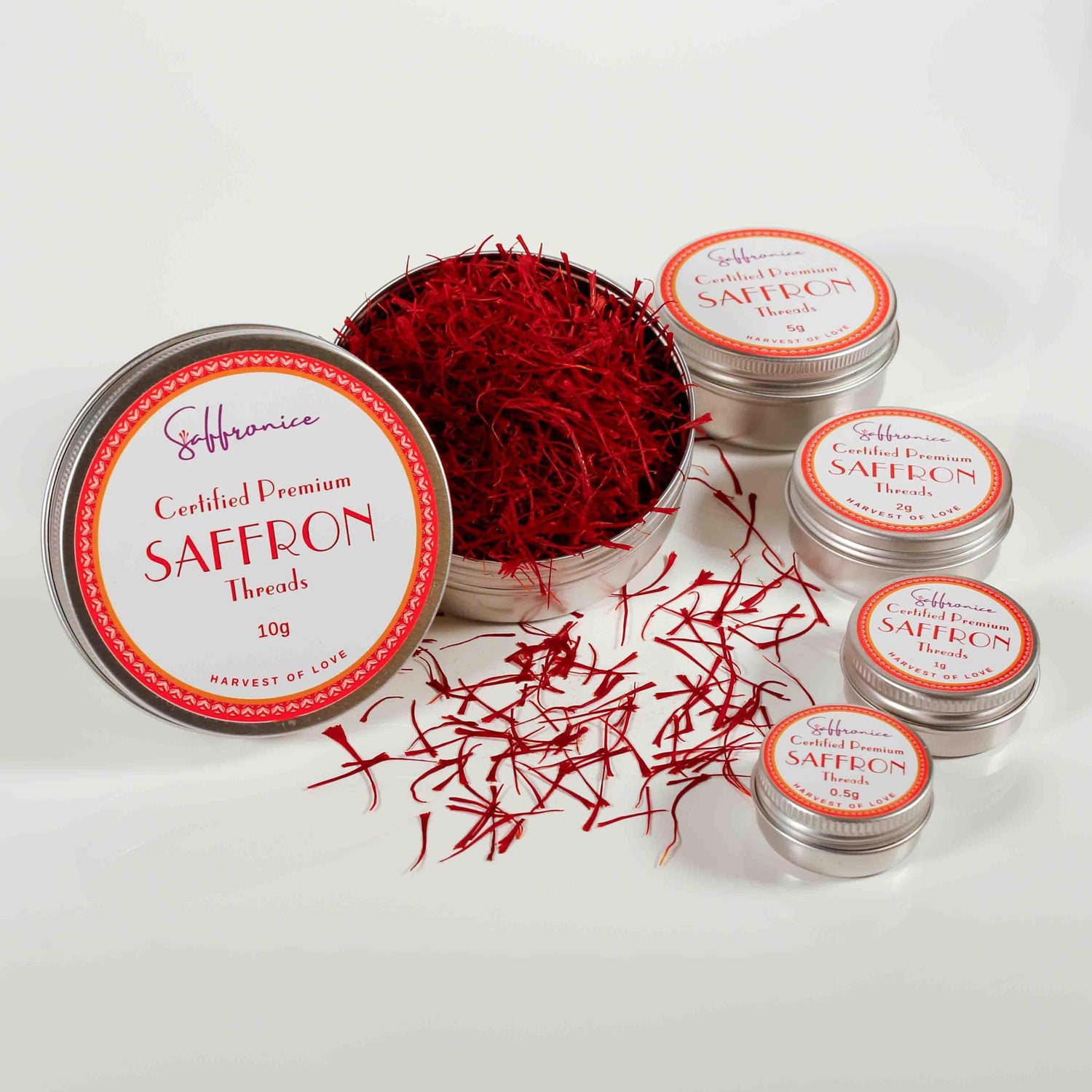
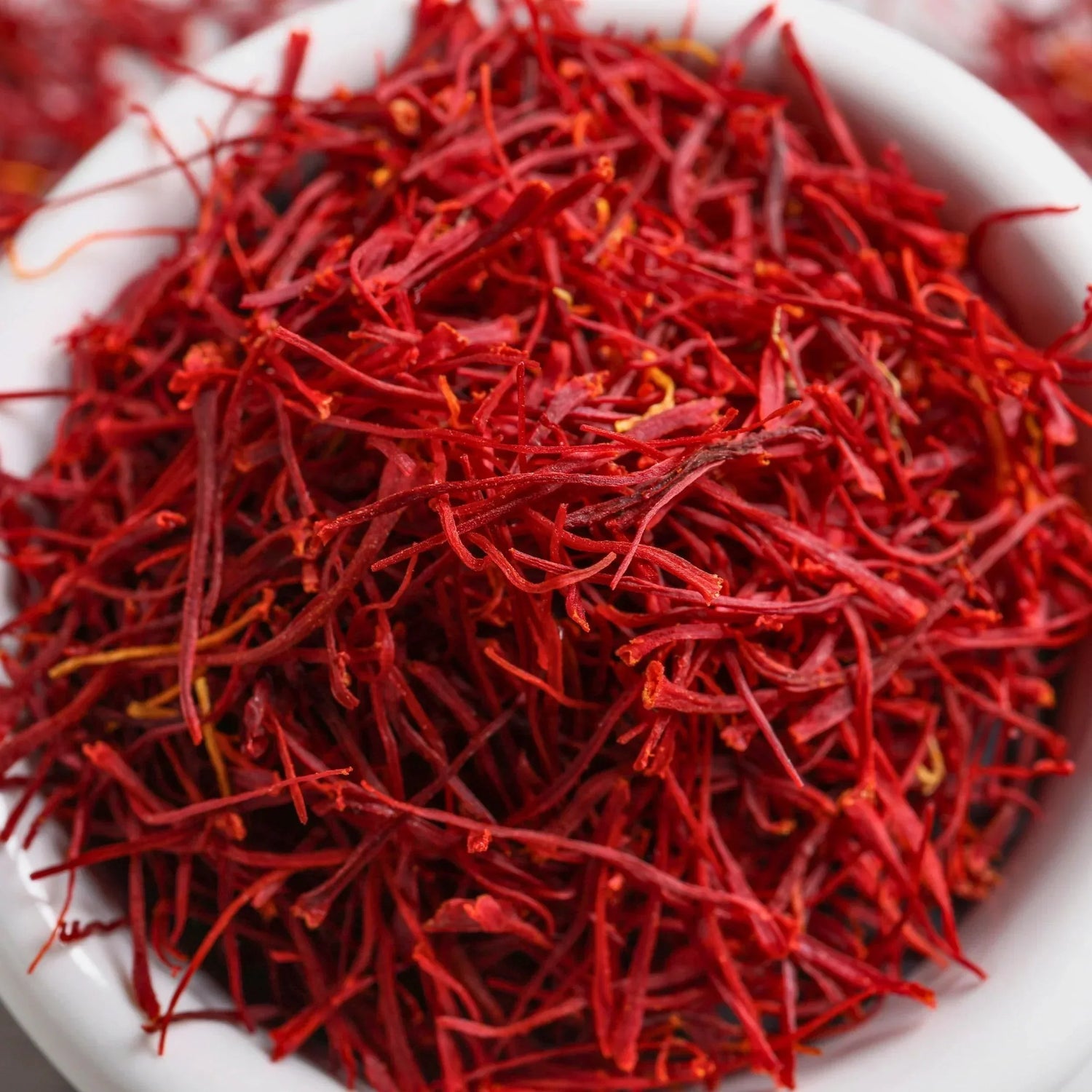
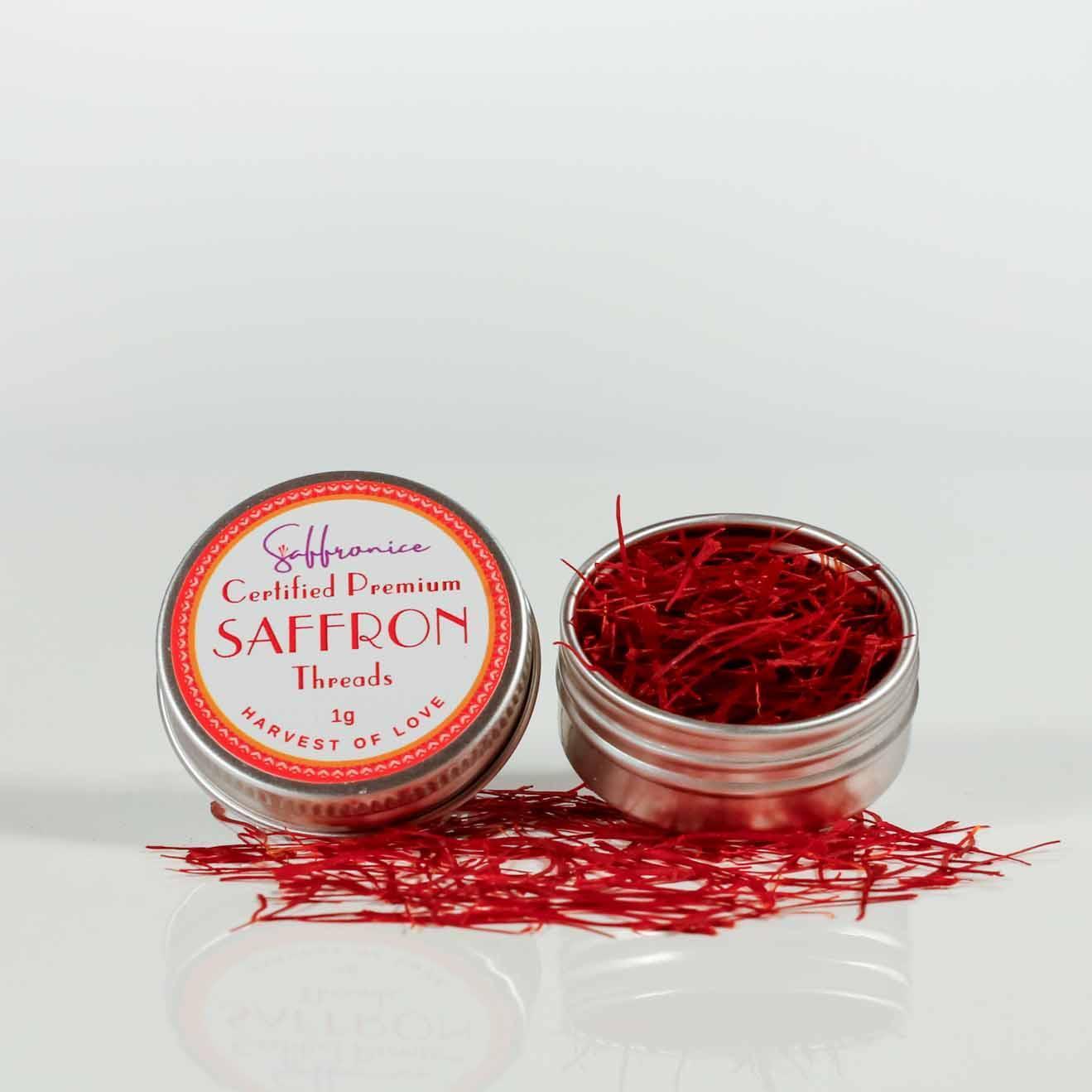
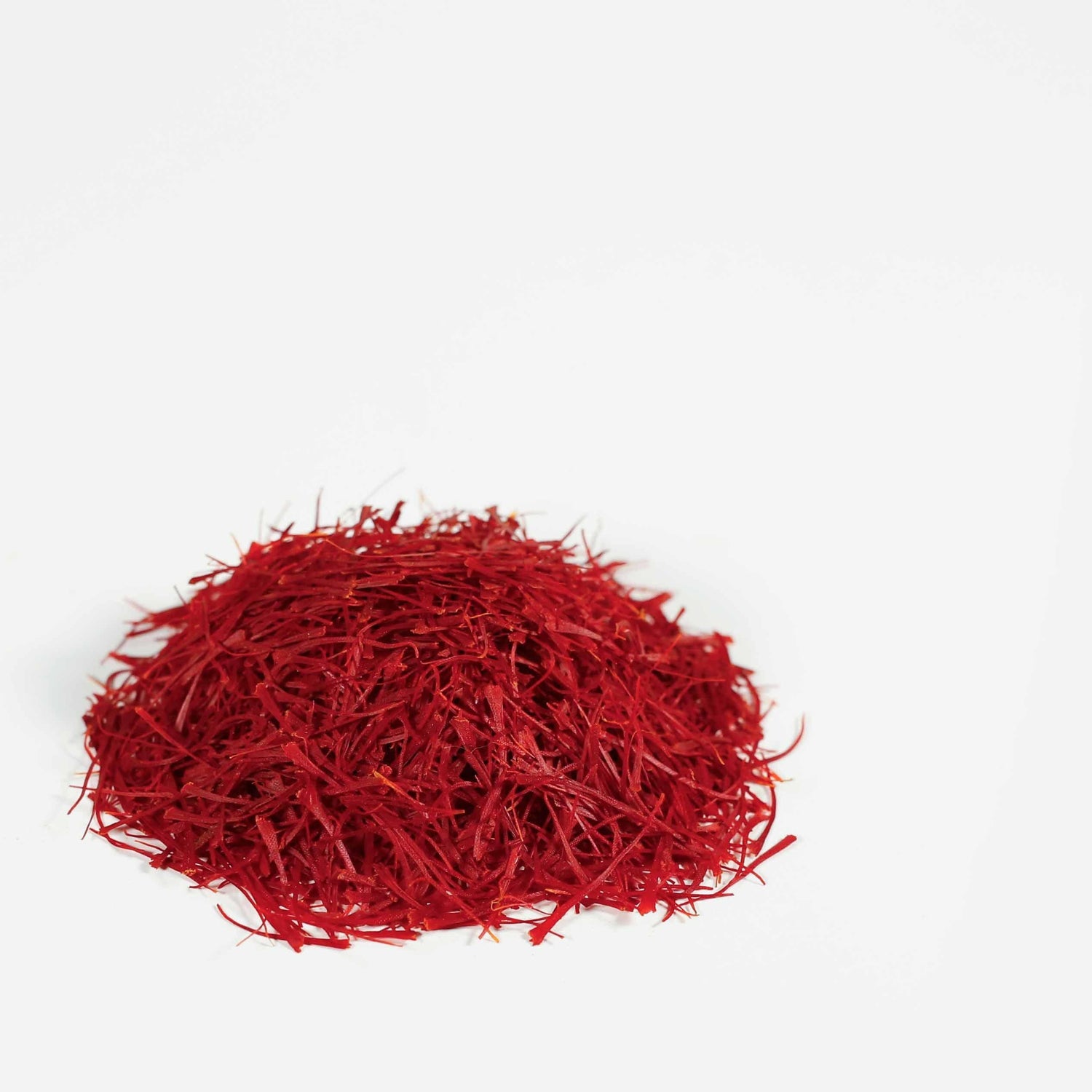
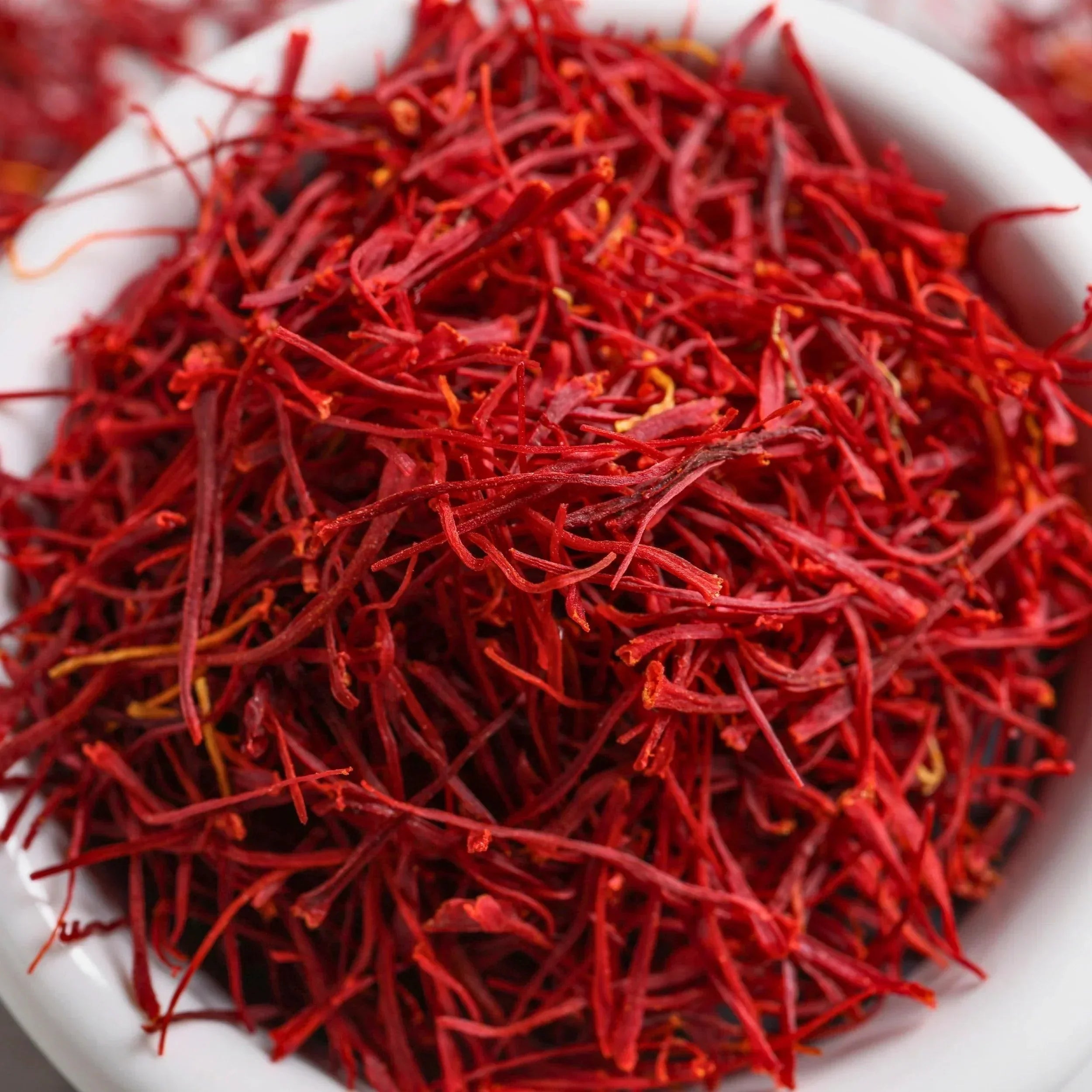
And if you are thinking of making Saffron Tea then that very easy to do so. Here is the full guide on how to make Saffron tea.

The Best Temperature to Brew Tea
Water temperature plays a critical role in how tea tastes.
Once water reaches a full boil (100°C), remove it from heat and allow it to rest for 45–60 seconds. During this time, the temperature naturally drops to around 85–90°C, which is ideal for most loose leaf teas.
Pour the hot water over the tea leaves, either directly into a teapot or using a strainer. To maintain a steady temperature during brewing:
-
Cover the teapot with a towel to retain heat, or
-
Place the teapot on a very low heat source if appropriate
Allow the tea to simmer gently for 10–15 minutes, or until you’re satisfied with the colour and strength of the brew.
How Much Loose Leaf Tea Do I Need?
The amount of loose leaf tea you use depends entirely on personal preference and how strong you like your brew.
As a general guideline:
-
1 tablespoon of loose leaf tea per person works well for most teas
-
A teapot serving two people would typically use 2 tablespoons of tea
If you prefer a lighter infusion, reduce the quantity slightly. If you enjoy a deeper, more robust flavour, you may choose to add more. The key is to experiment and adjust until you find the balance that suits you best.
Can I Reheat and Reuse Tea?
Reheating or drinking leftover tea that has been sitting overnight is not recommended.
As tea sits for extended periods, it can release oxalates, naturally occurring compounds that may contribute to kidney stone formation when consumed in excess. For this reason, it’s best to brew only what you intend to drink and enjoy tea fresh.
If you have leftover tea, discard it and prepare a new batch rather than reheating.
Final Thoughts
Brewing loose leaf tea properly is less about speed and more about respect for the leaves. With the right temperature, sufficient time, and quality ingredients, tea becomes a ritual rather than a routine.
By slowing down the process and paying attention to brewing fundamentals, you’ll consistently enjoy a smoother, richer, and more satisfying cup of tea.