
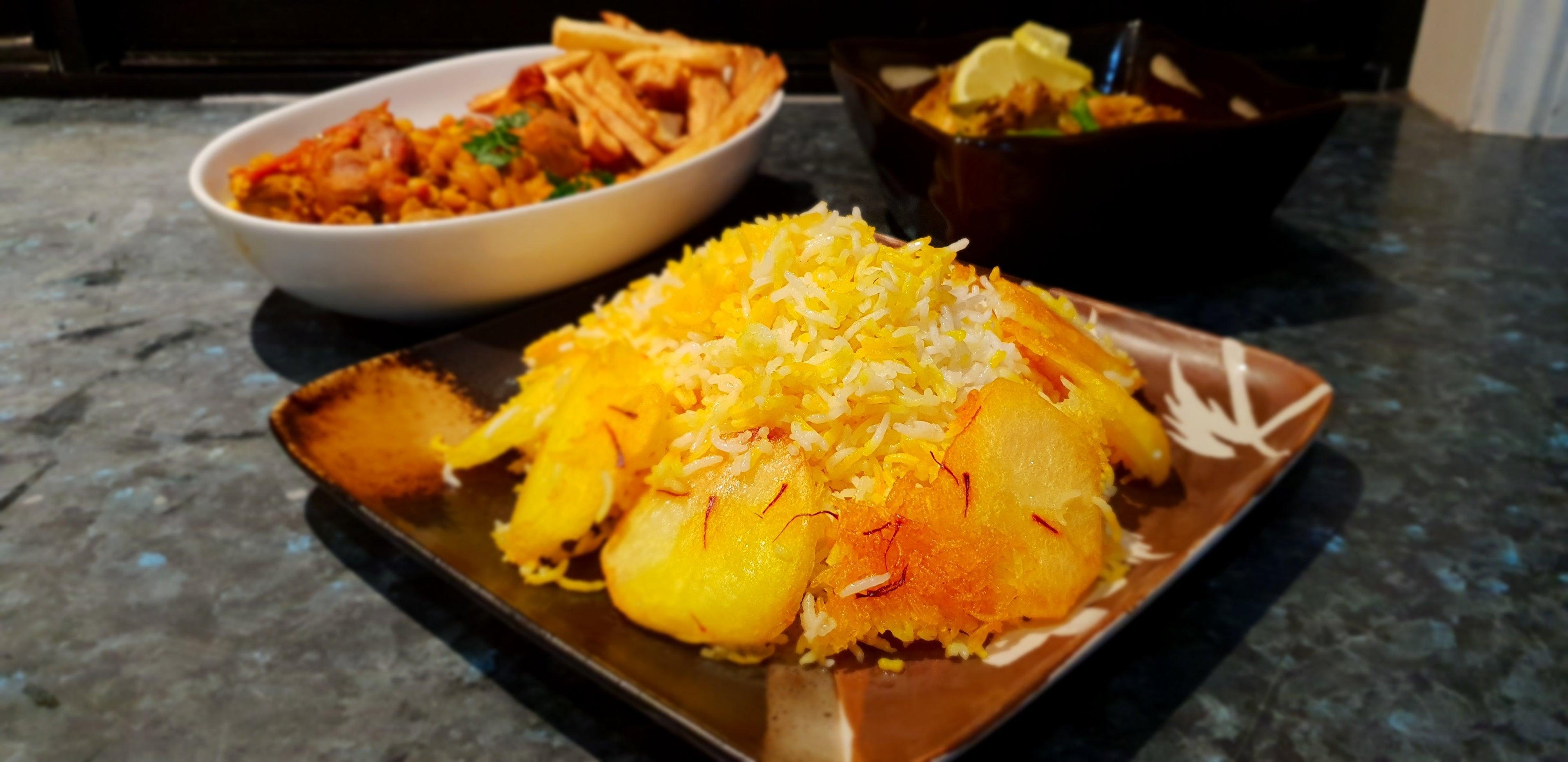
Persian saffron rice is a traditional dish known for its light, fluffy basmati rice and crispy potato tahdig, the golden crust that forms at the bottom of the pot. Although it takes a little longer than everyday rice, this traditional dish rewards you with fluffy basmati rice, fragrant saffron, and crispy potato tahdig. In this step-by-step recipe, you'll learn how to prepare Persian saffron rice using premium saffron threads, along with simple tips to help you achieve perfectly cooked rice and a crisp, golden tahdig at home.
Recipe Snapshot
|
Prep Time |
2 hours 15 minutes (includes soaking) |
|
Cook Time |
45 minutes |
|
Total Time |
3 hours |
|
Servings |
6 |
|
Cuisine |
Persian |
|
Course |
Side Dish |
|
Difficulty |
Intermediate |
Why You'll Love This Recipe

This Persian saffron rice recipe is easier to make than it looks and rewards a little extra effort with beautifully cooked rice and a crispy potato tahdig. It's a versatile side dish that pairs well with everything from grilled meats to slow-cooked stews, making it perfect for both weeknight dinners and special occasions.
Whether you're trying Persian cooking for the first time or looking to recreate a favourite dish at home, this recipe will help you achieve delicious results with simple ingredients and step-by-step guidance.
Best Saffron for This Recipe
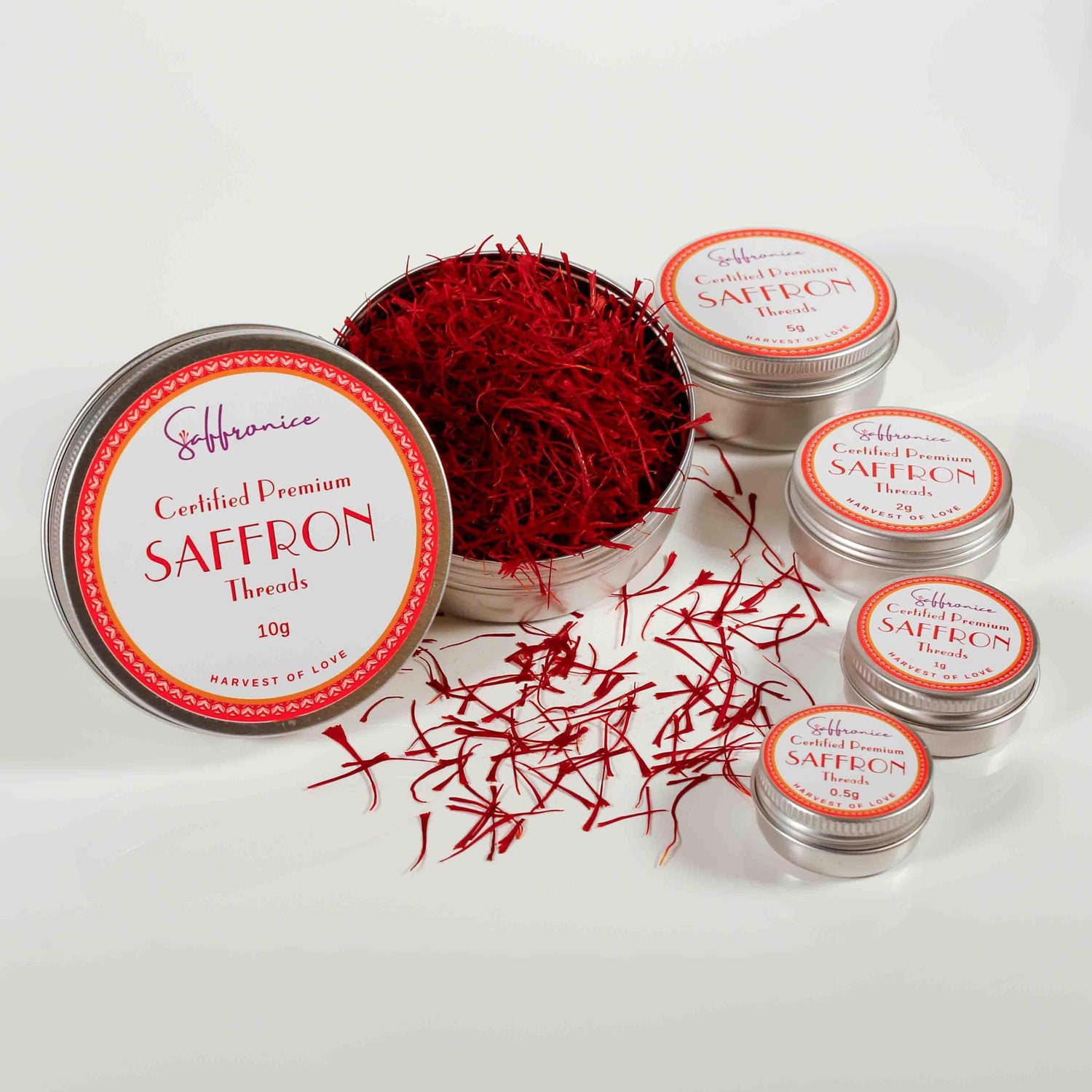
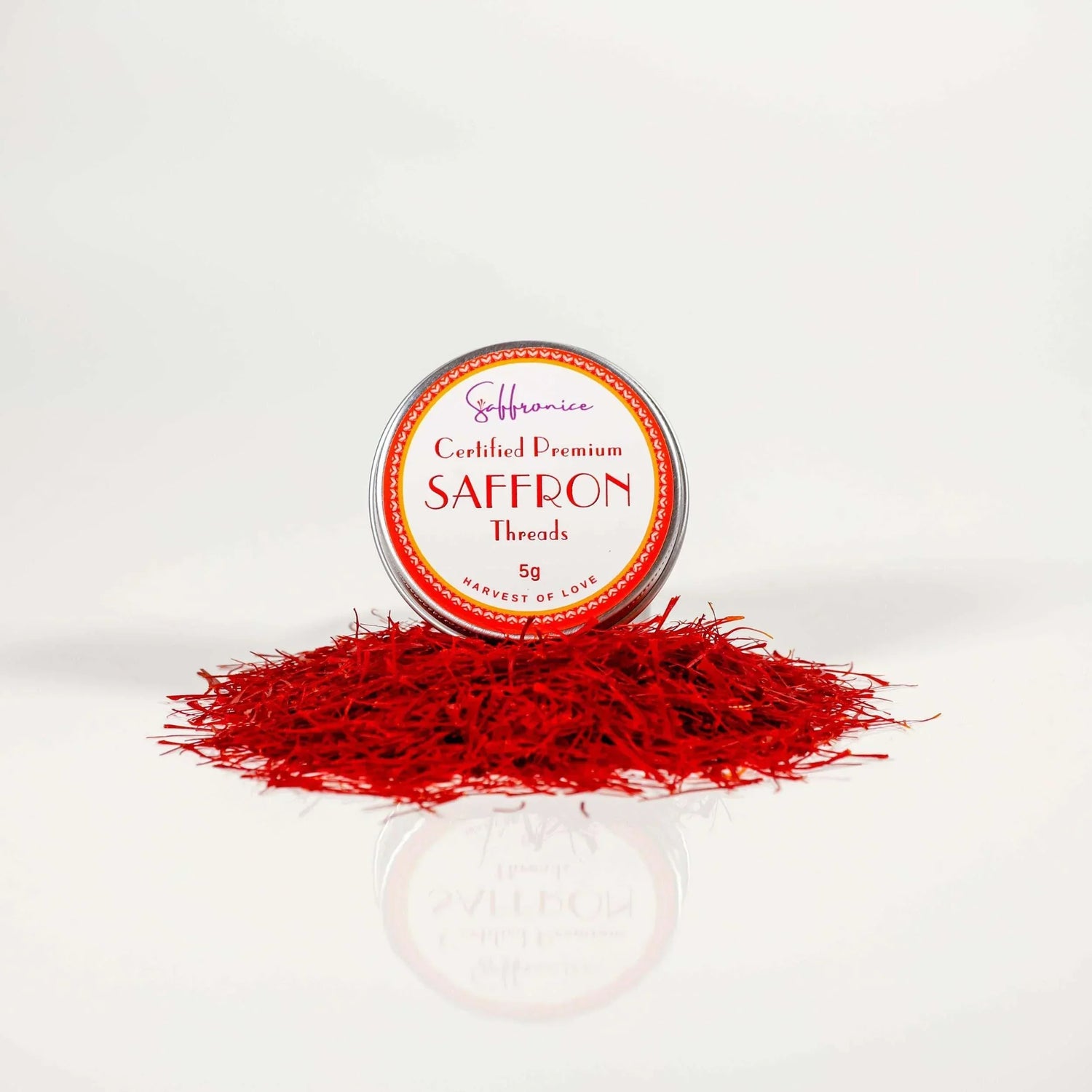
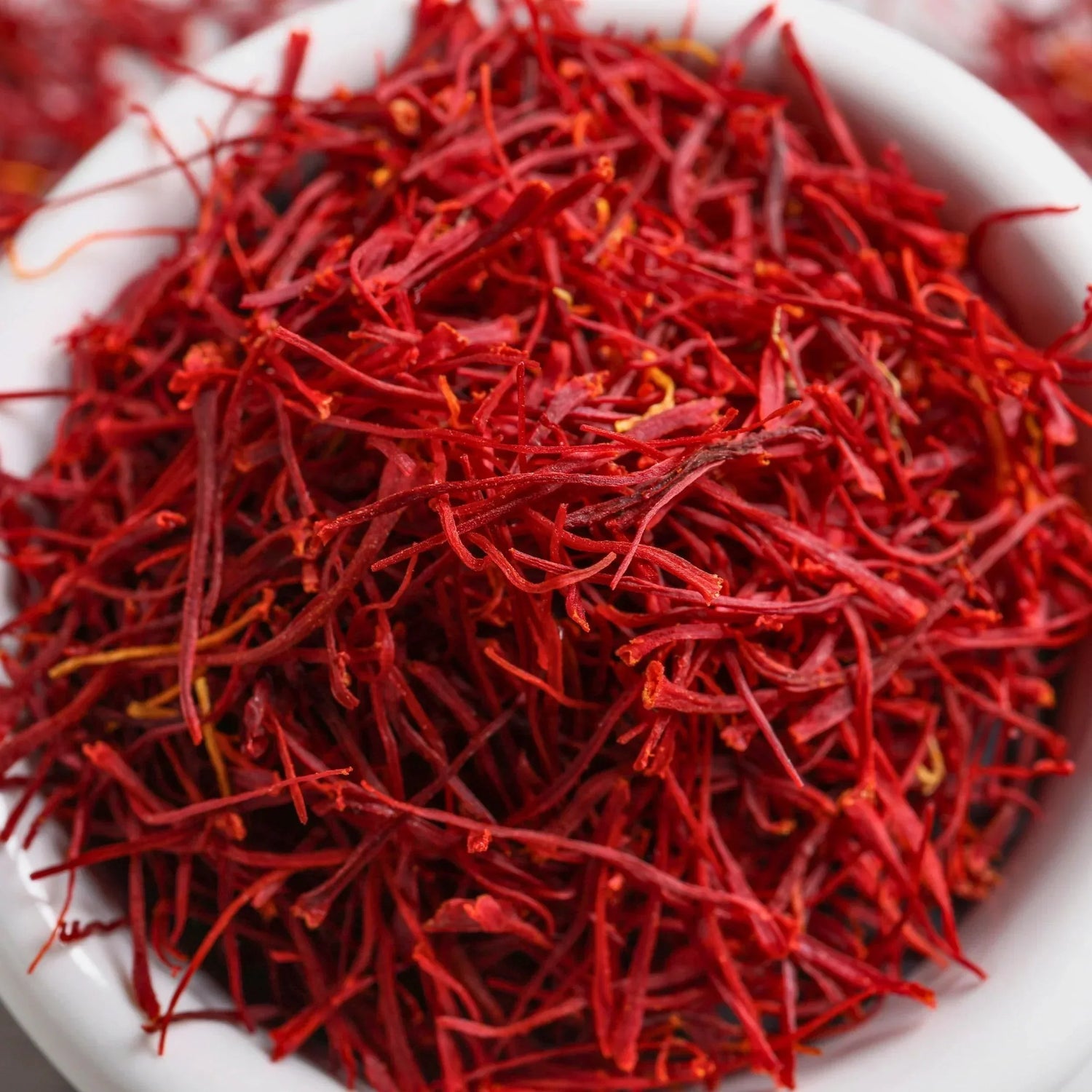
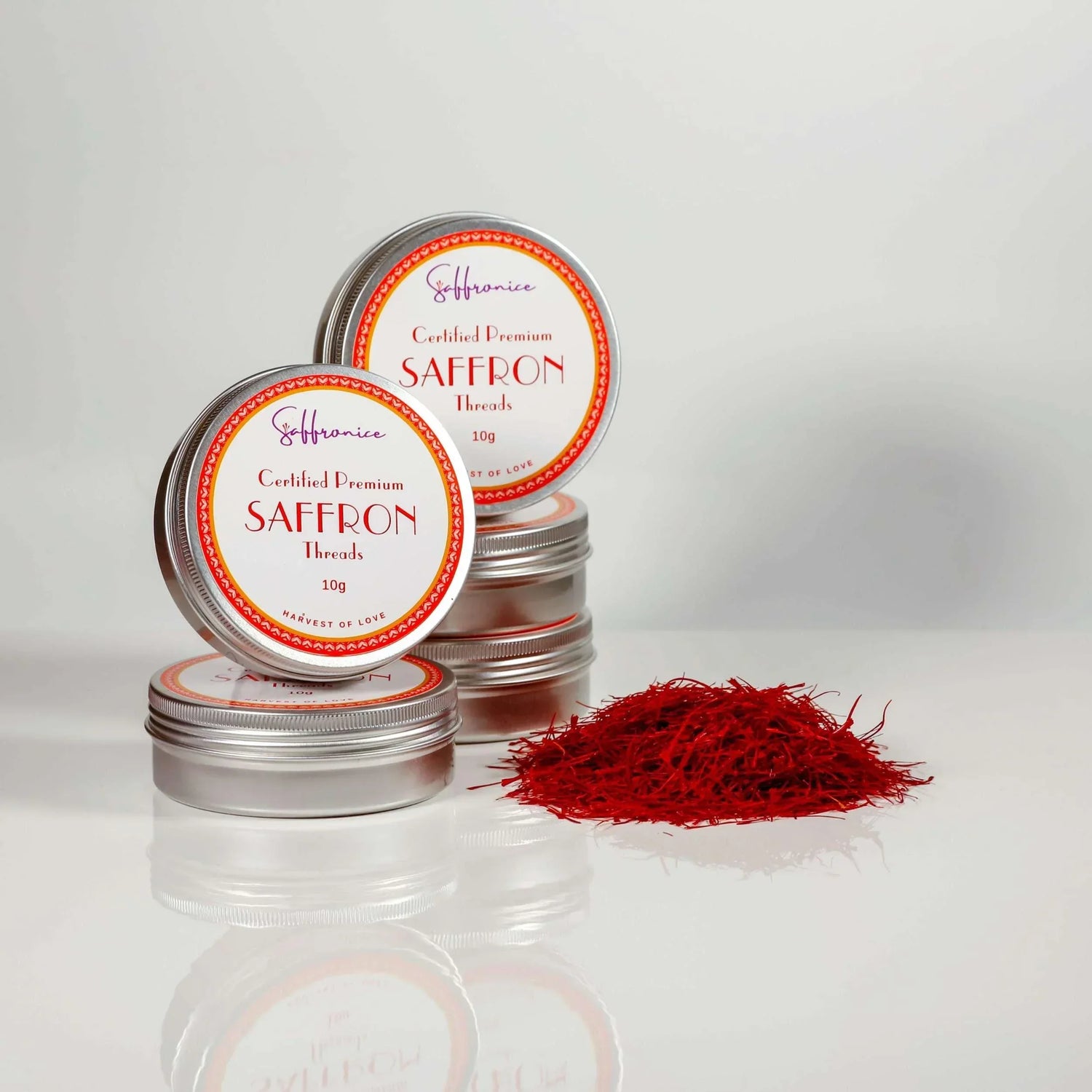
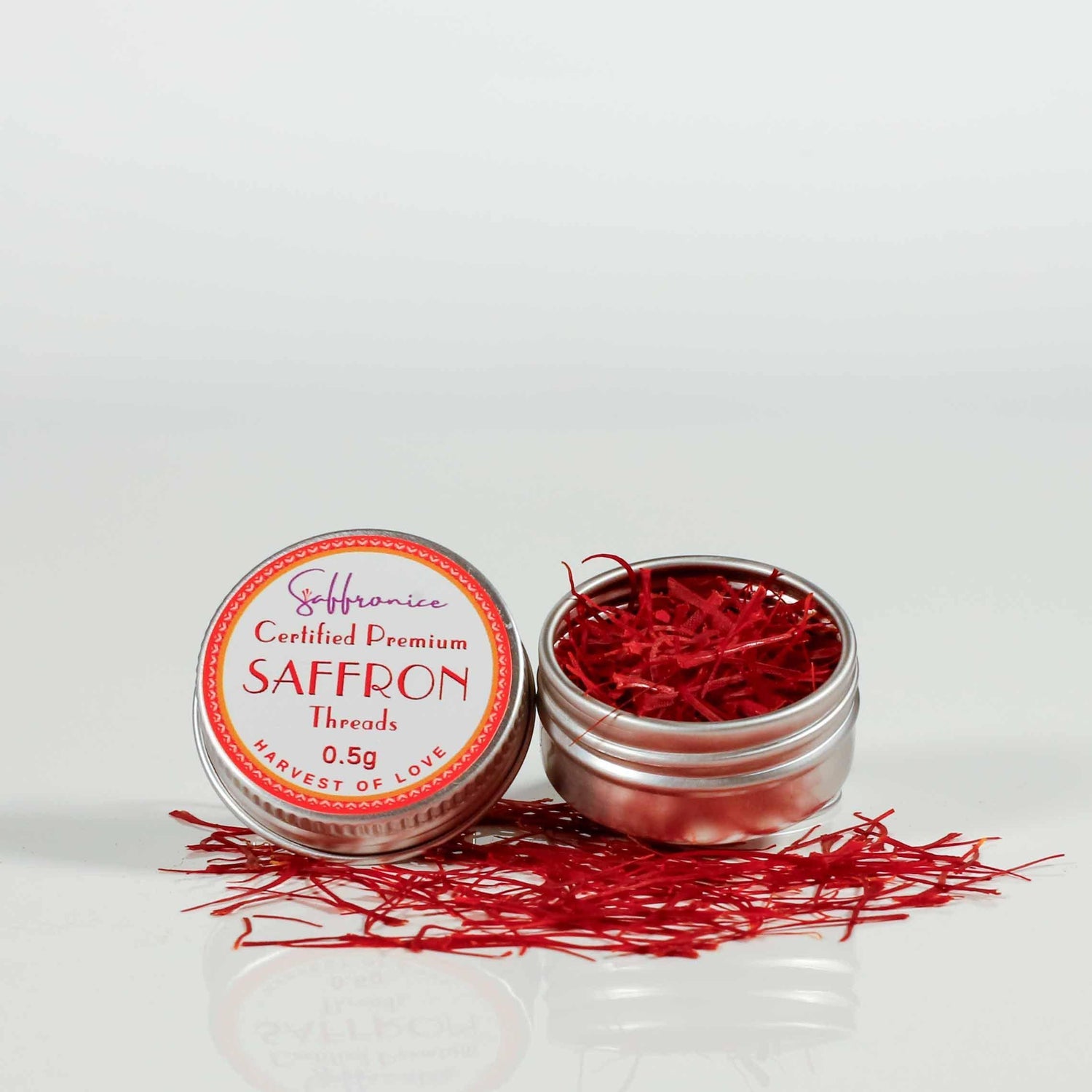
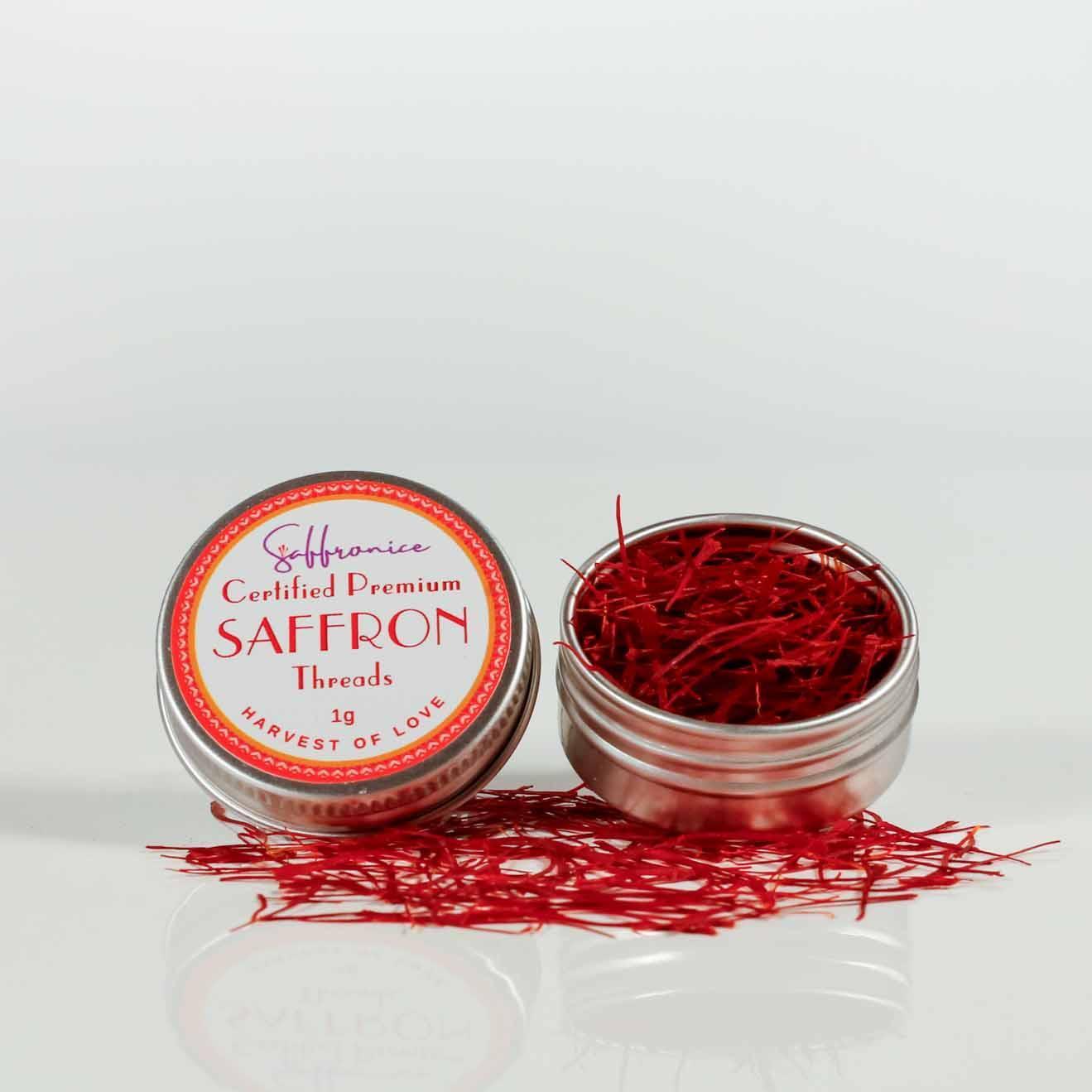
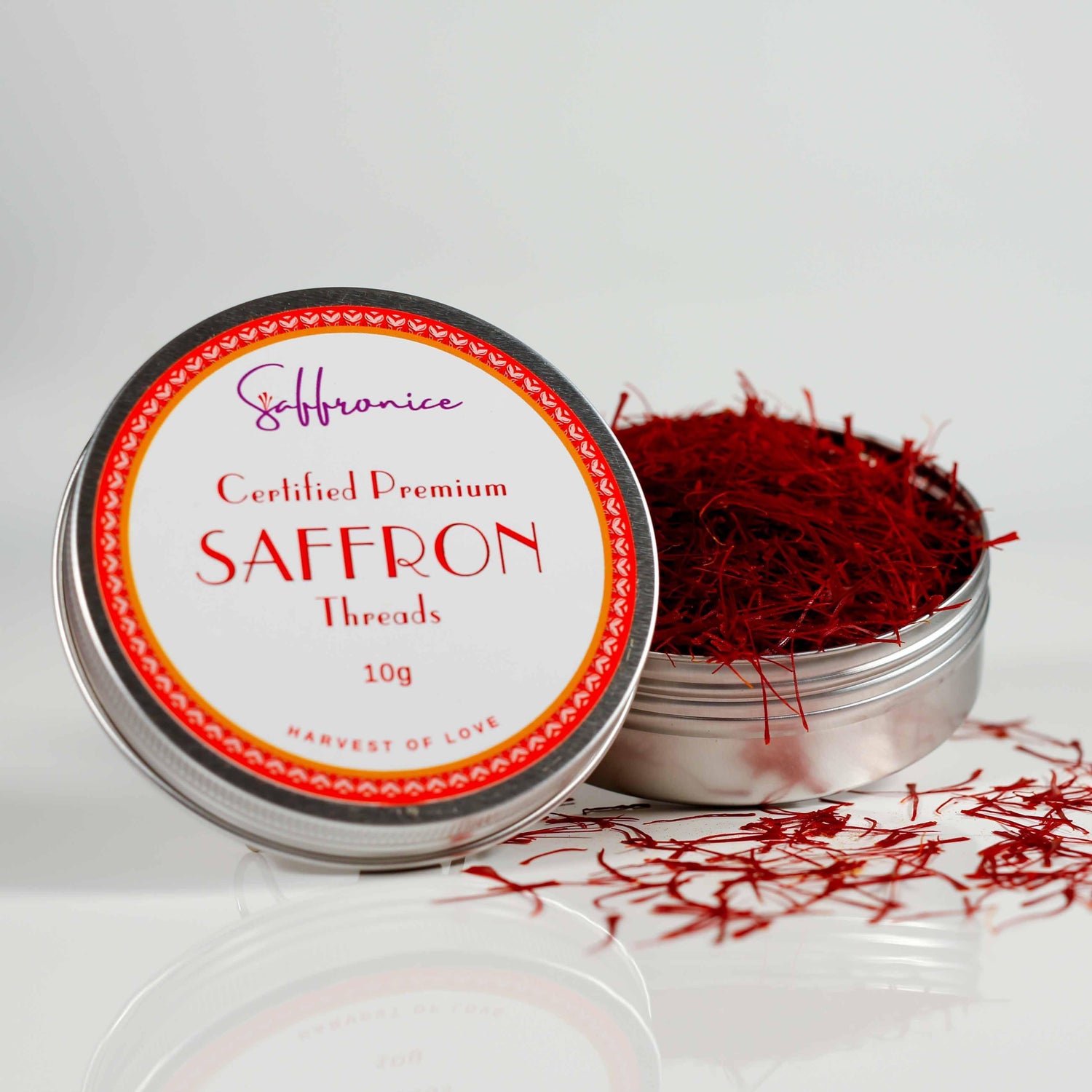
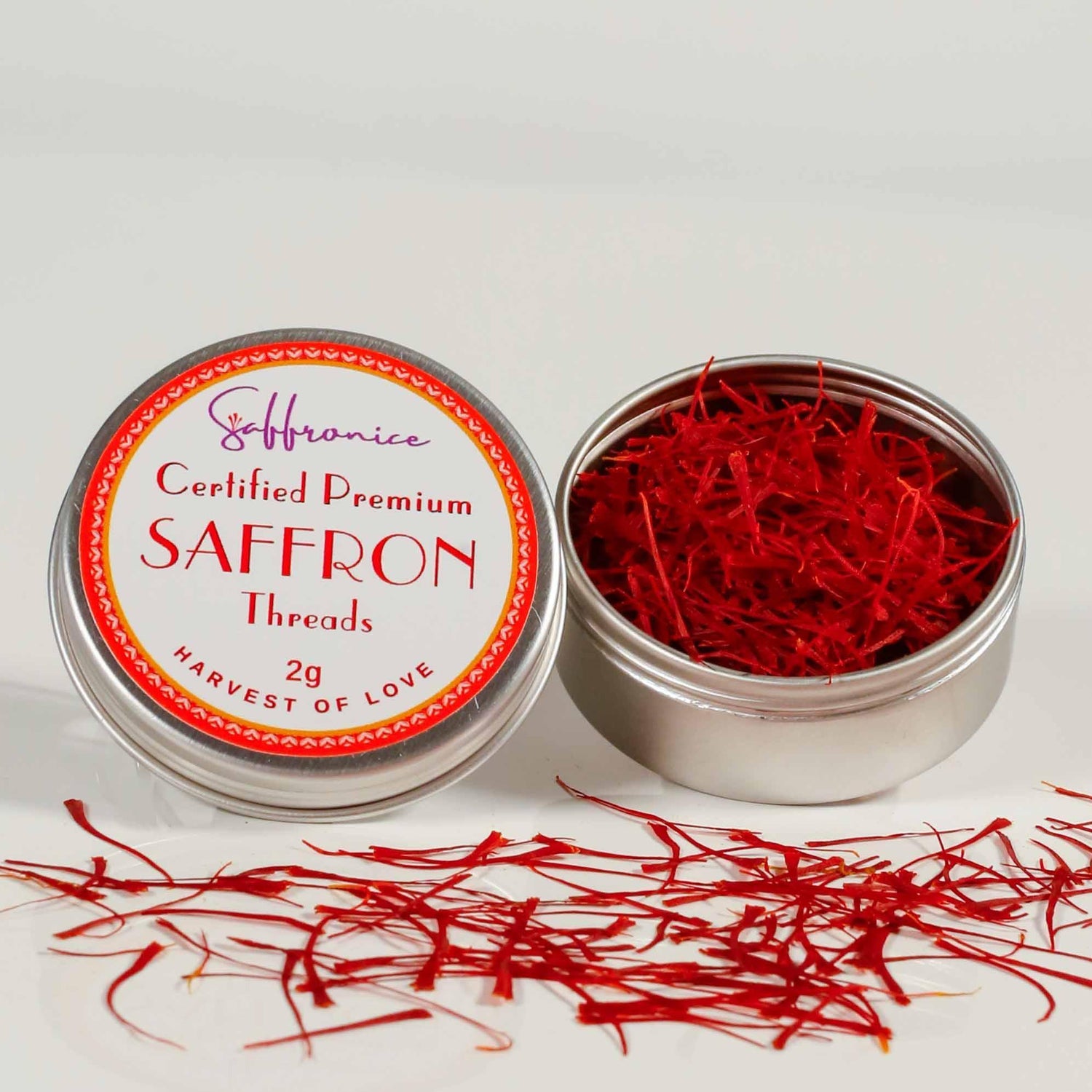
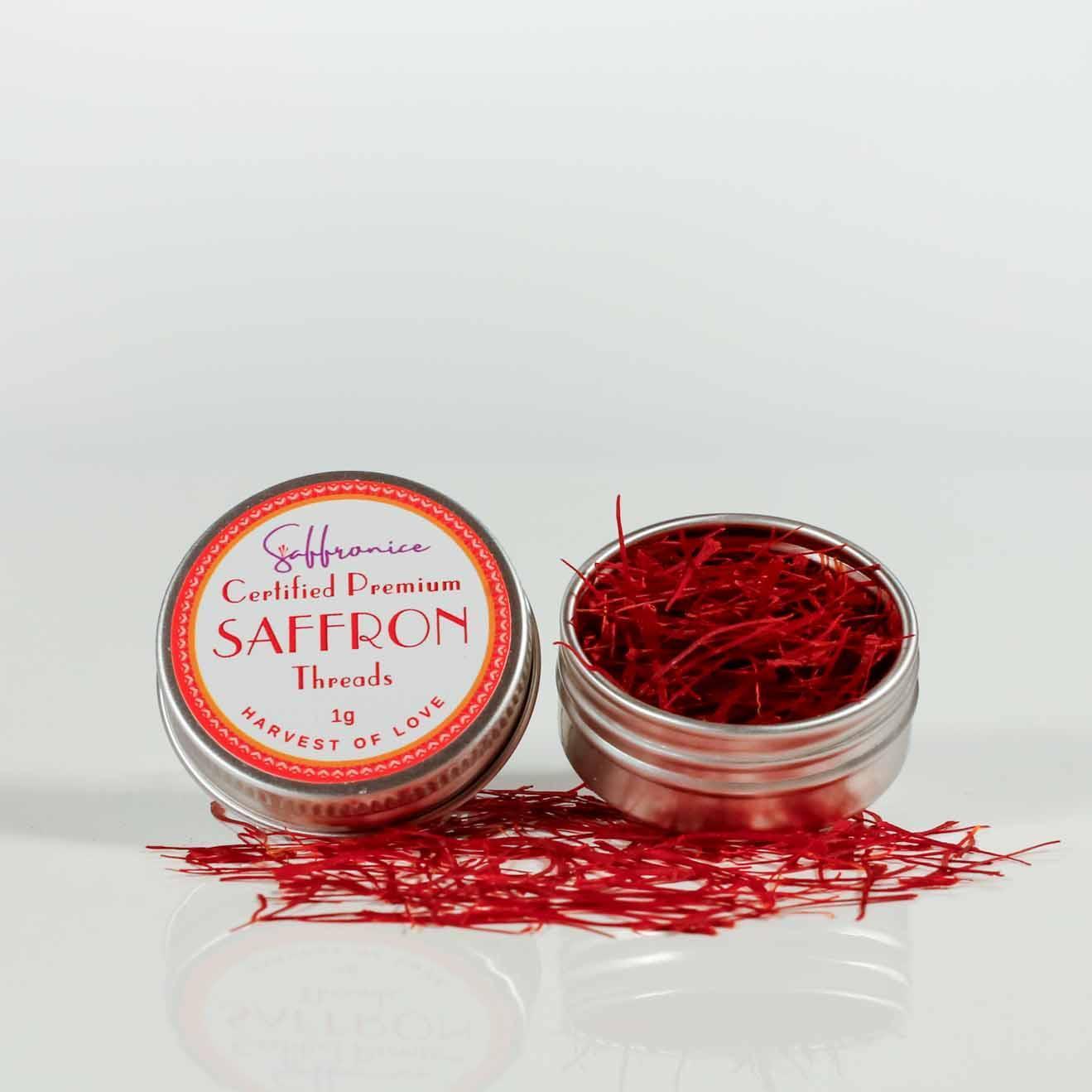
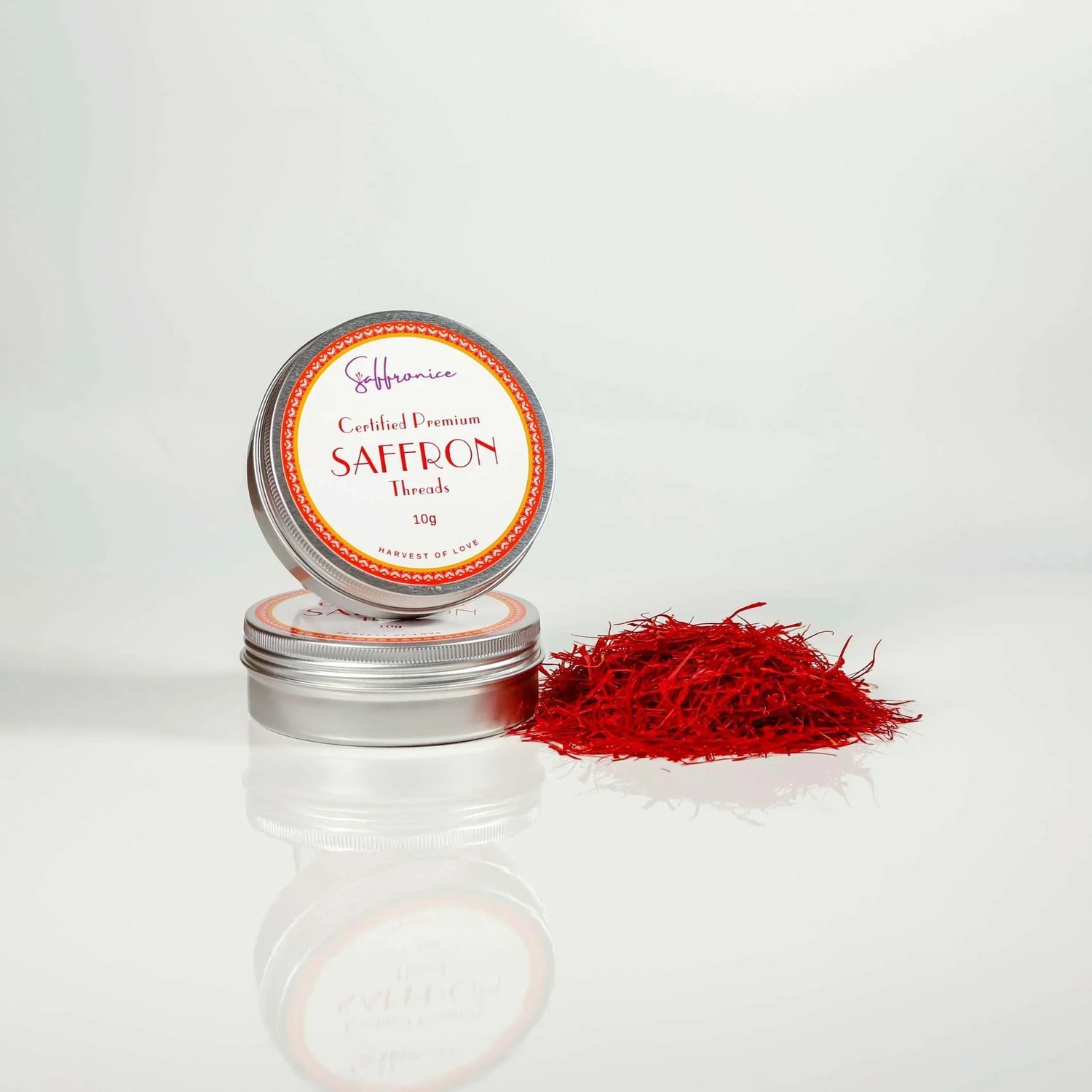
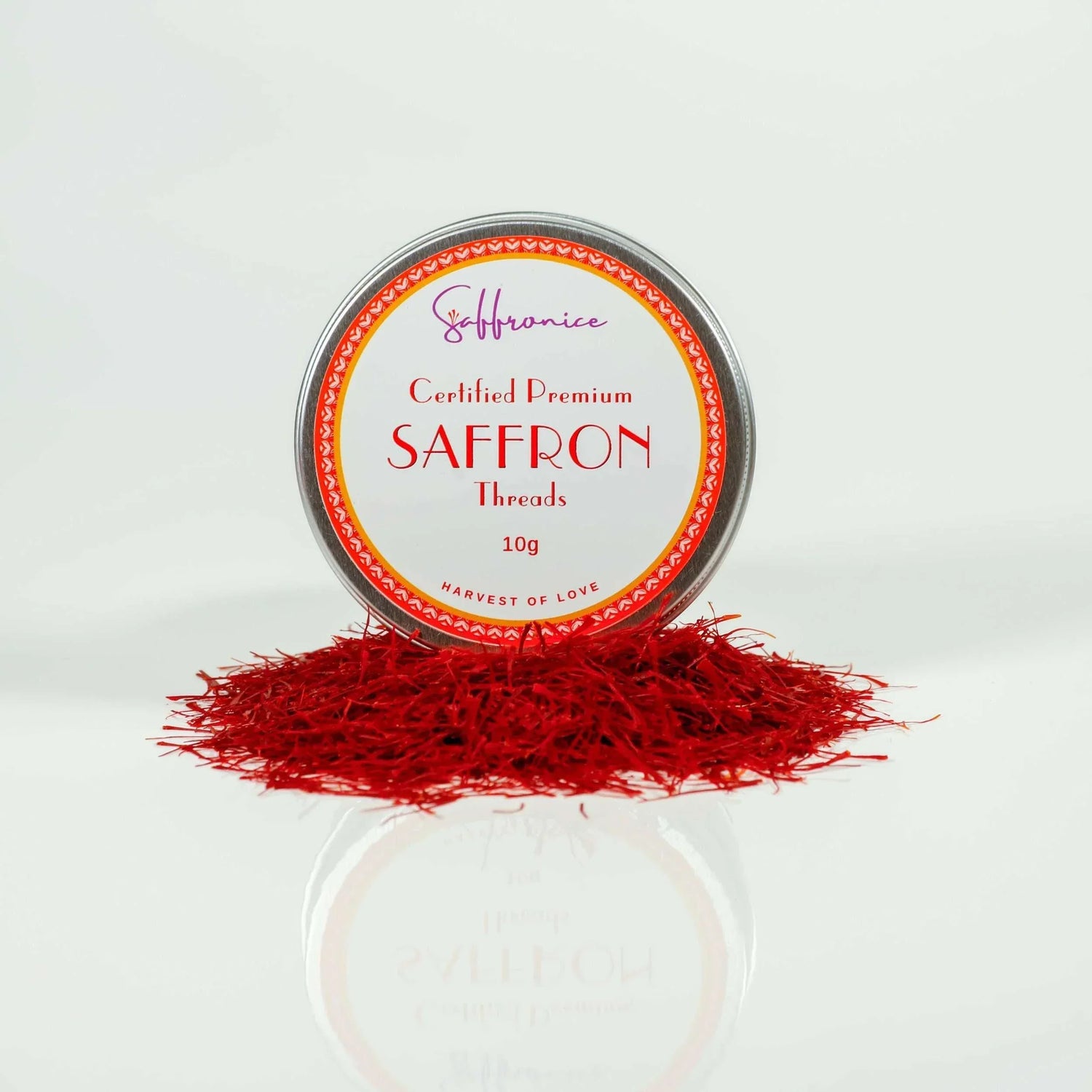
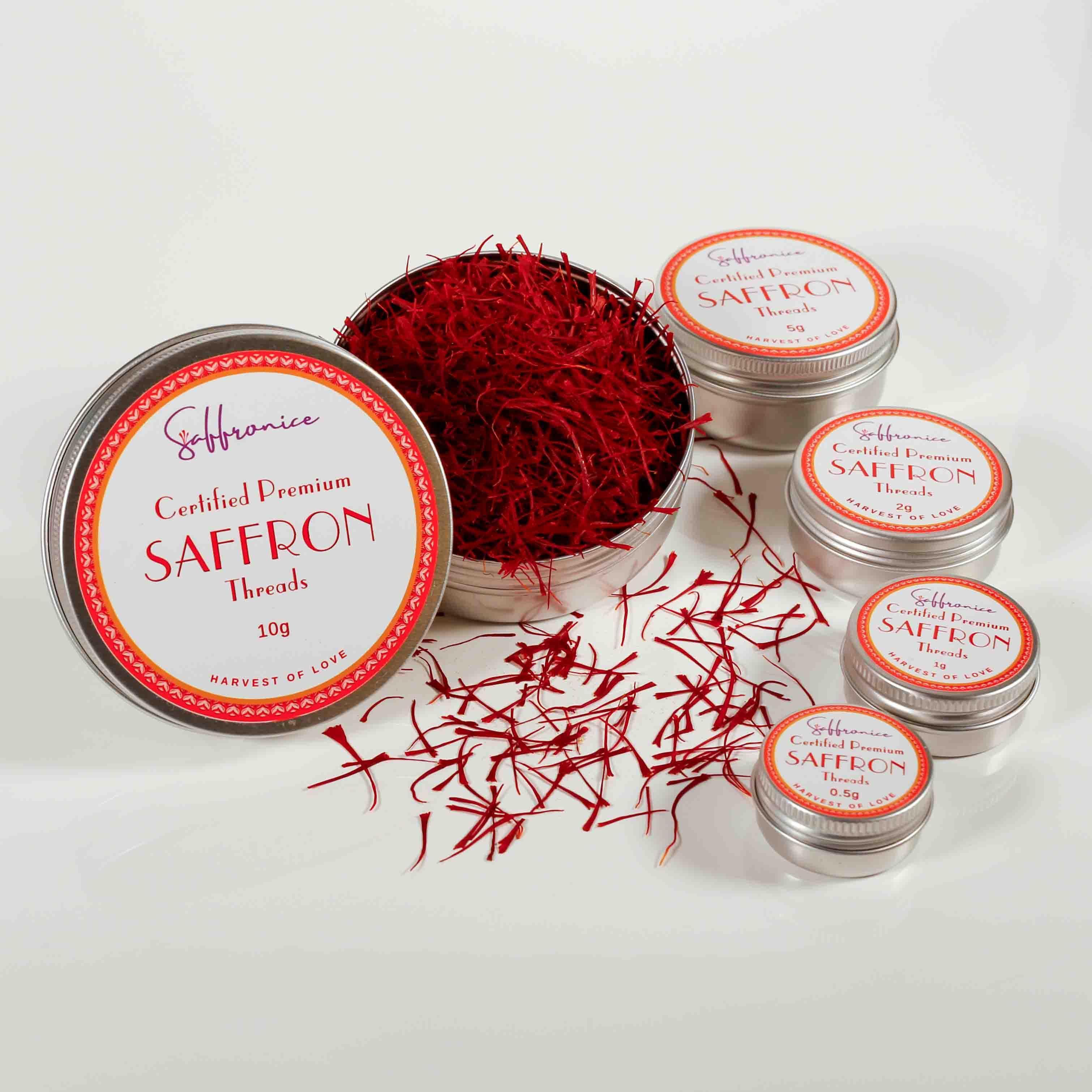
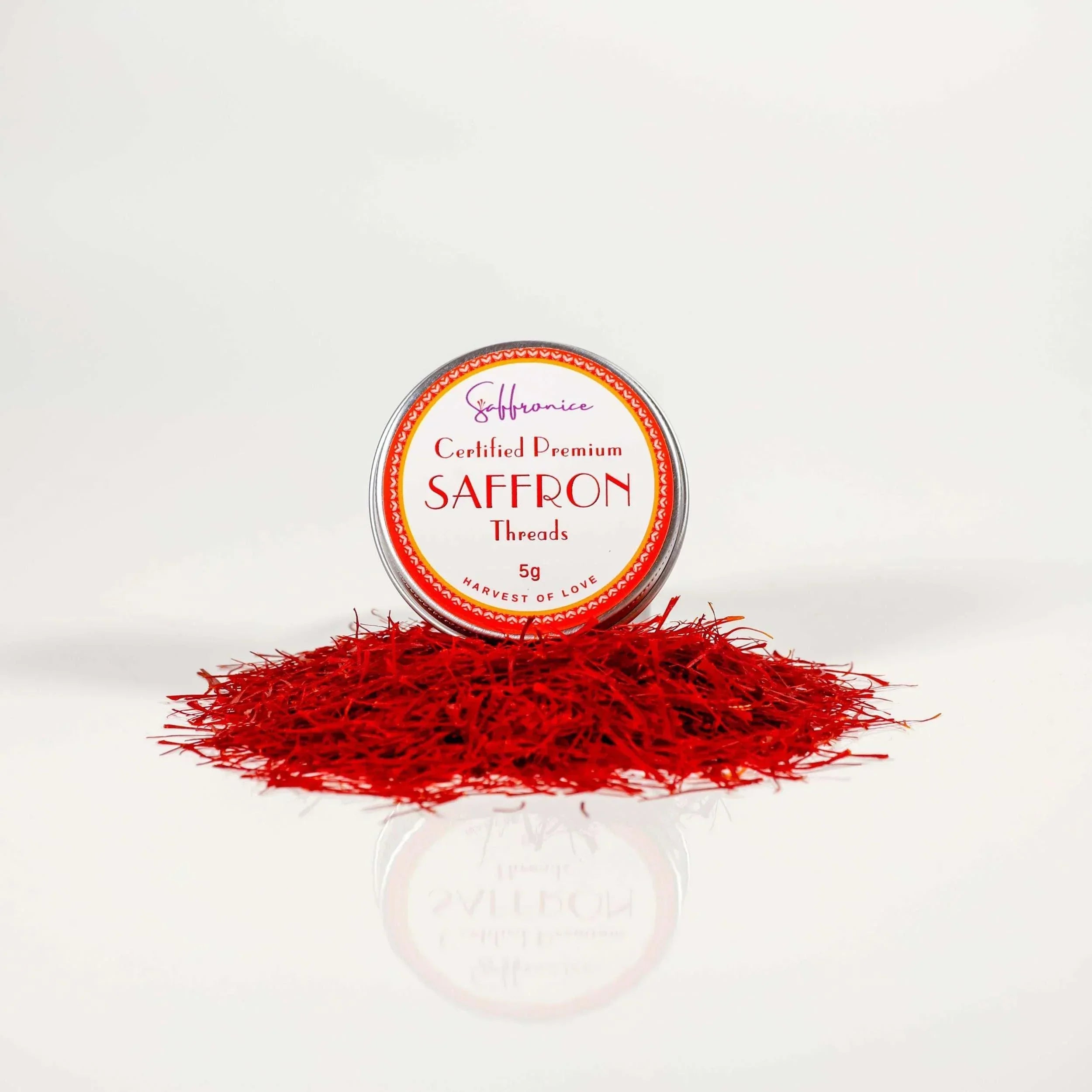
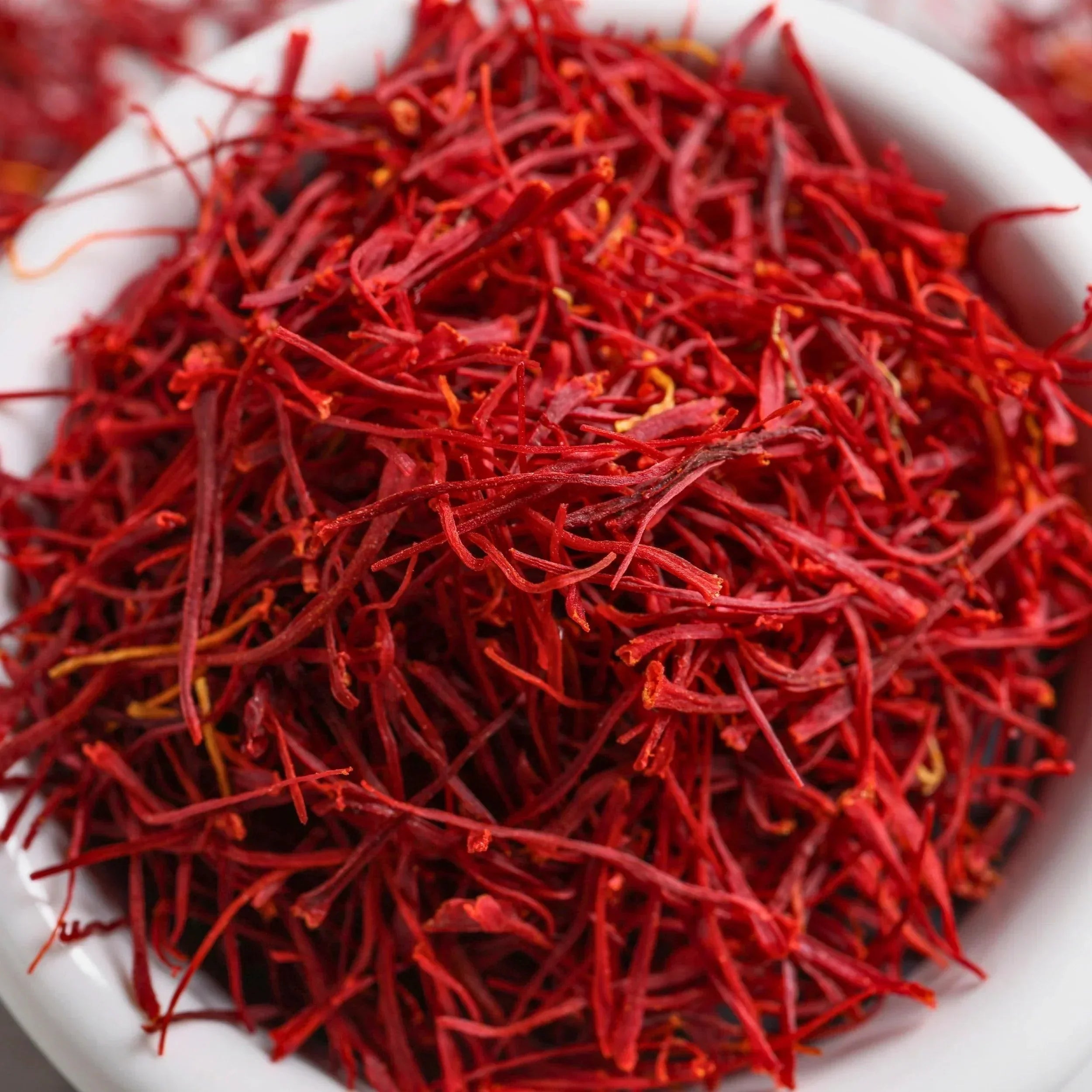
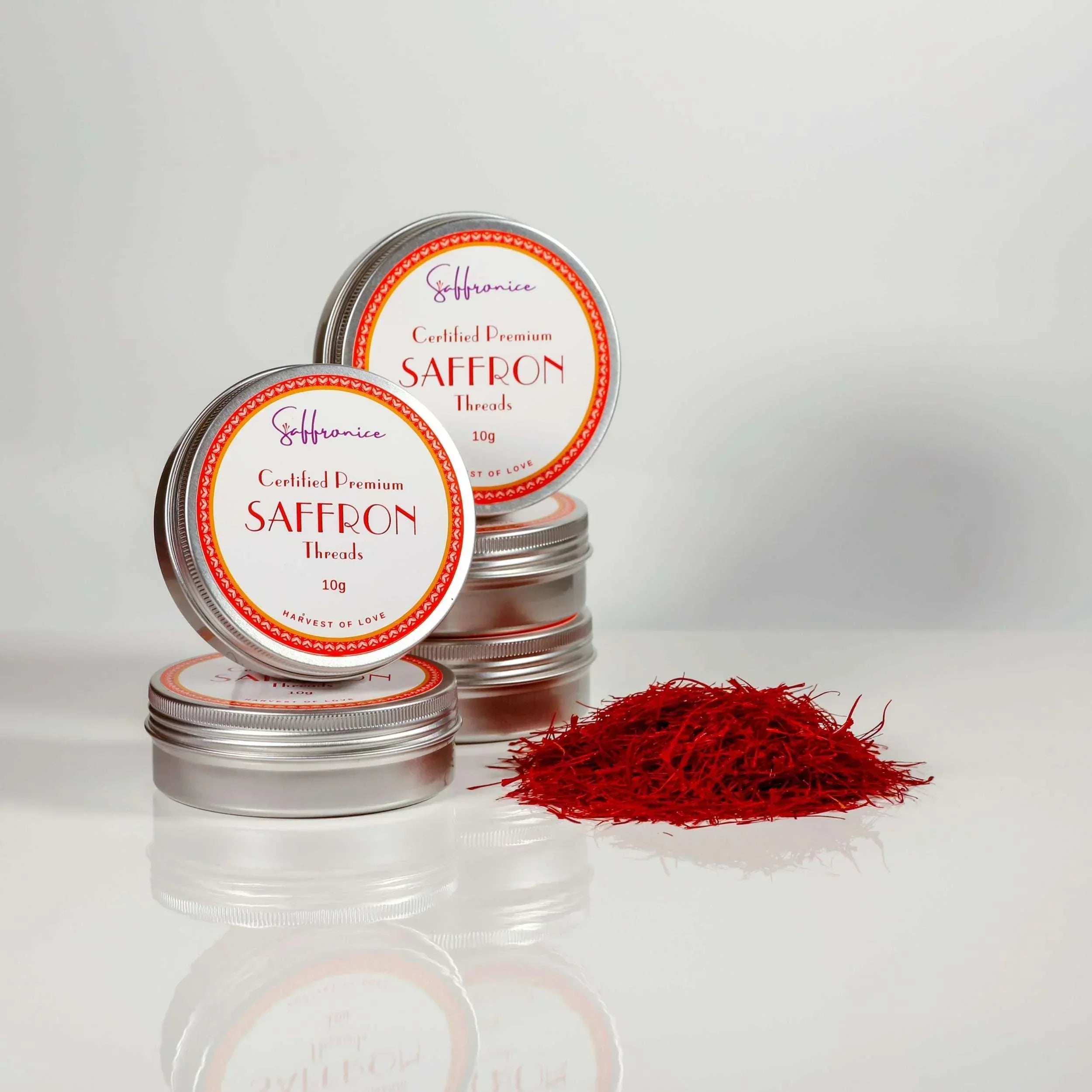
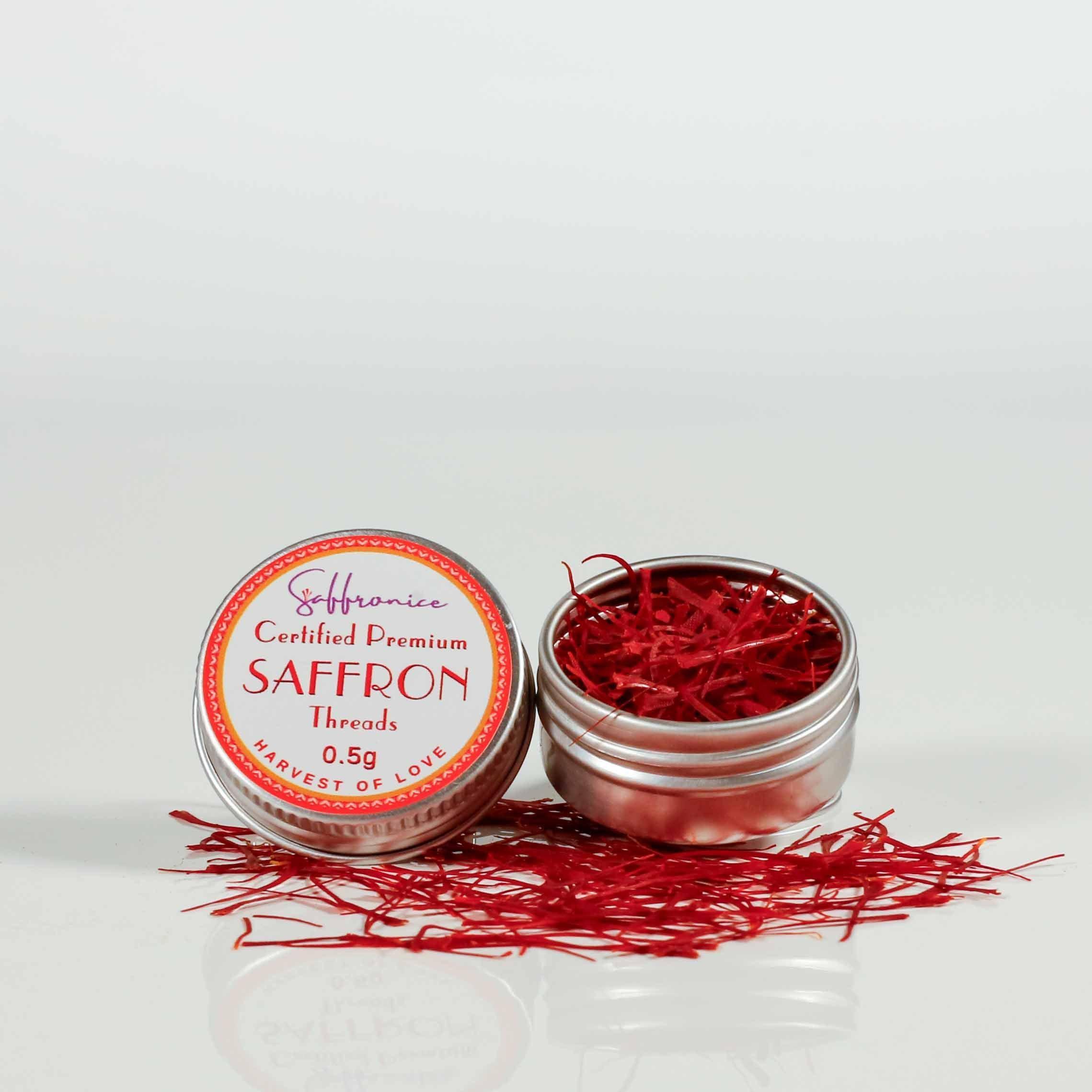
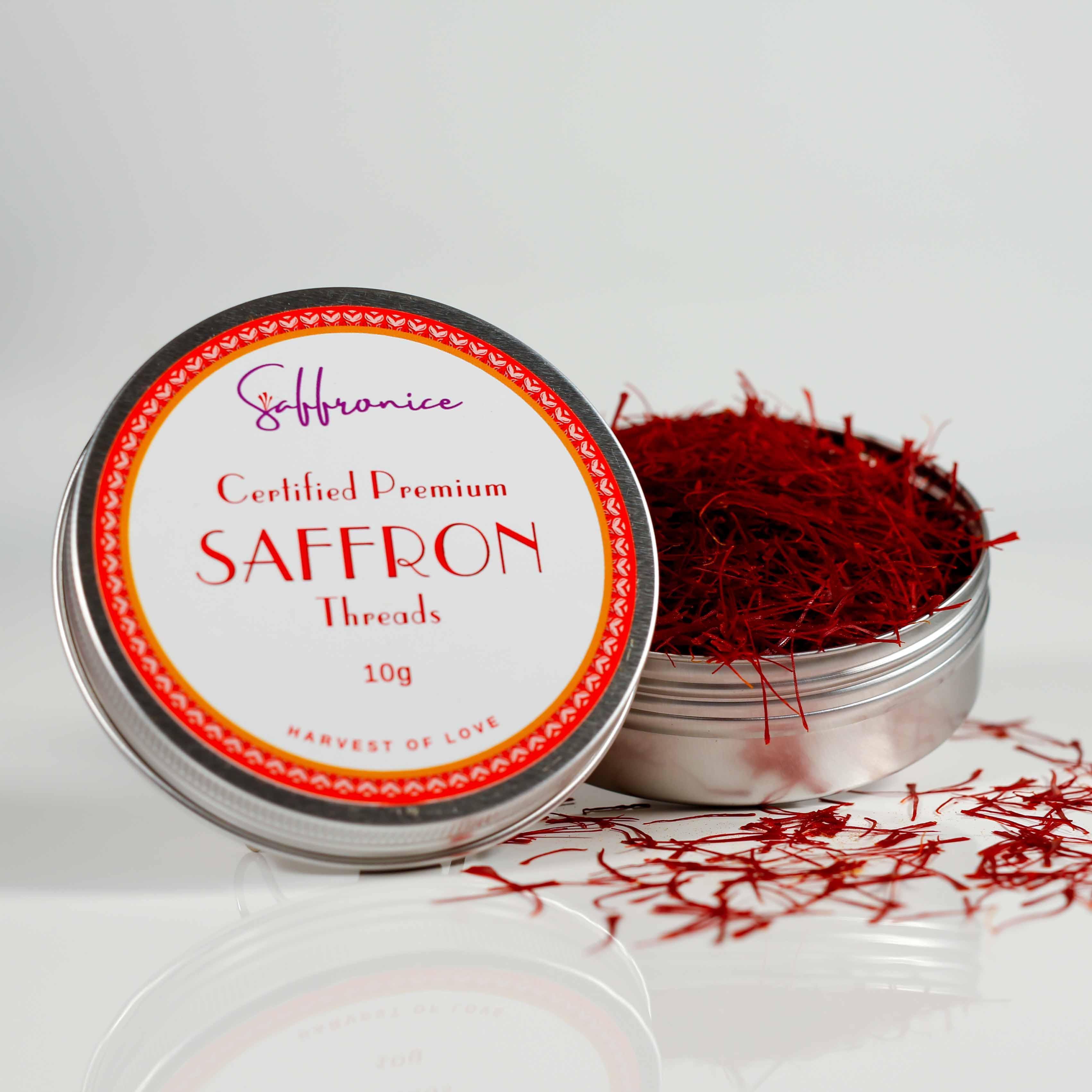
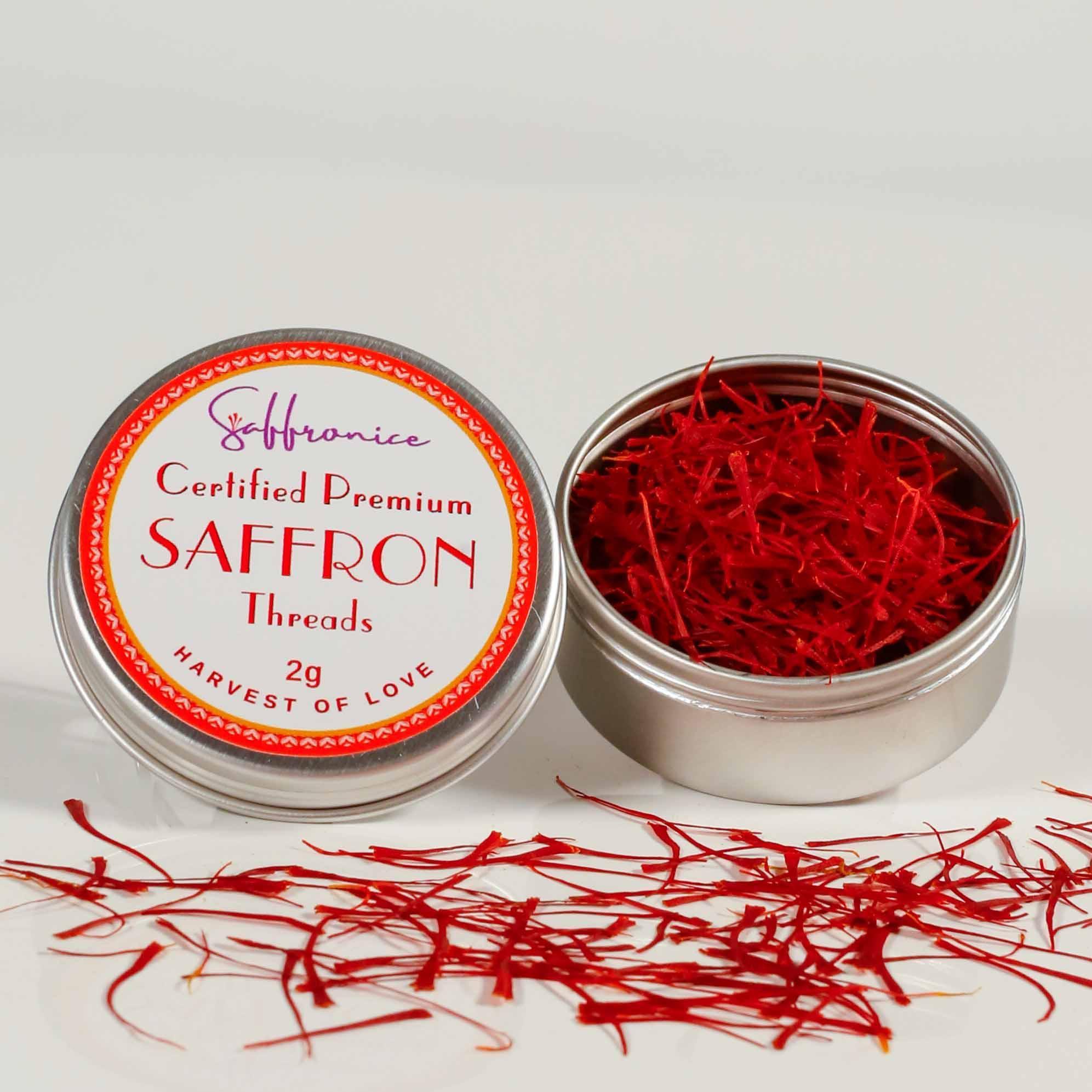
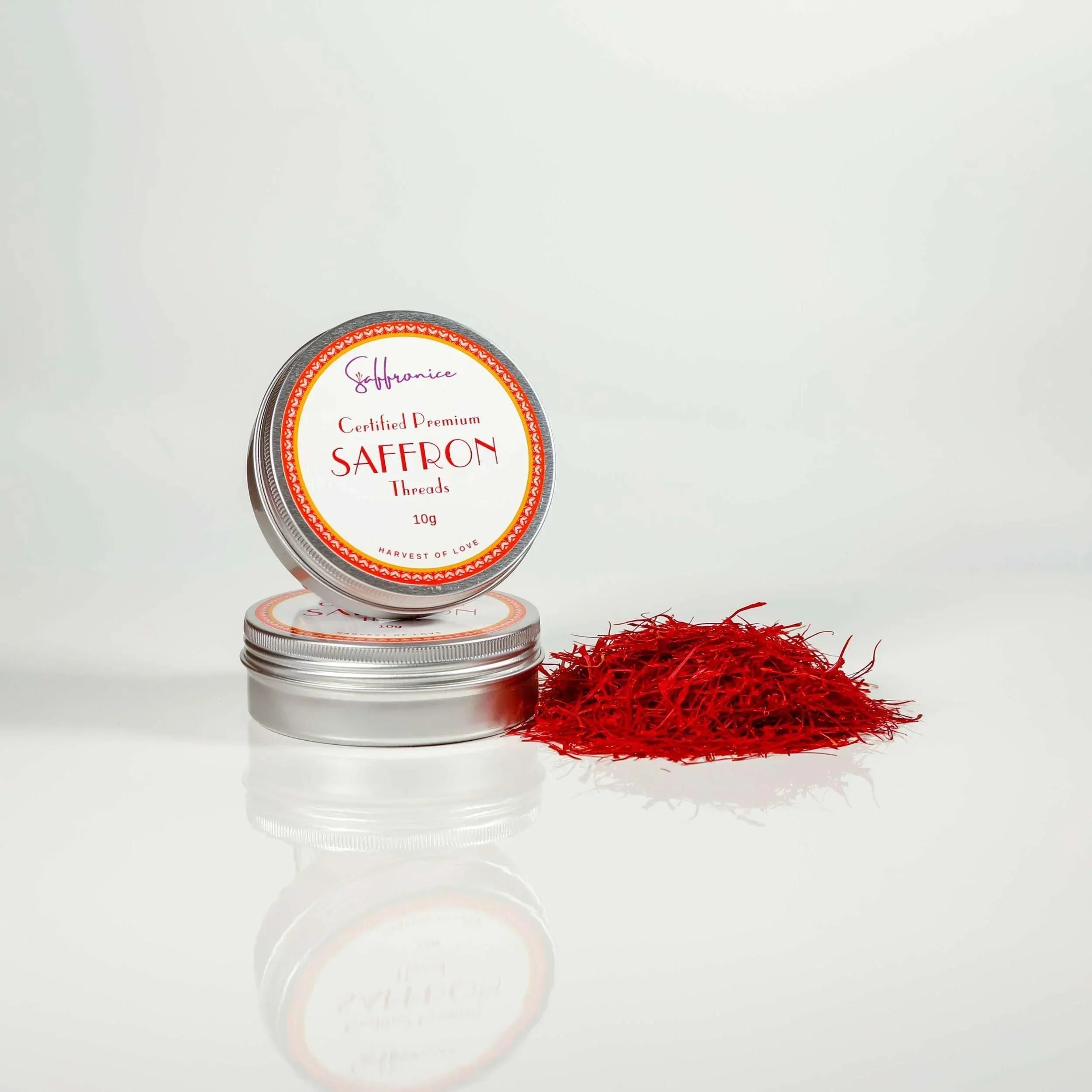
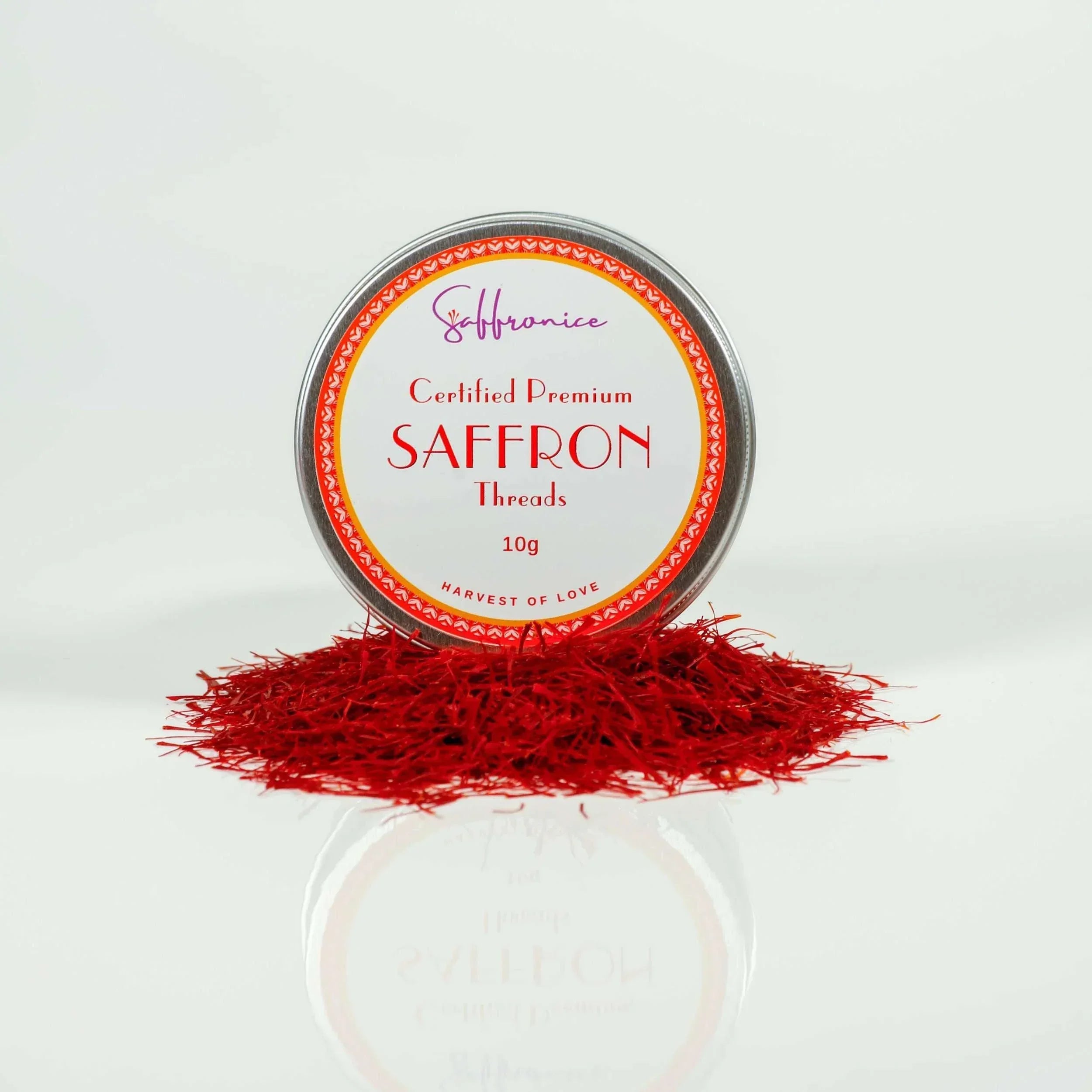
For the most traditional result: Use Saffronice Premium Saffron Threads and grind them just before blooming to release their full flavour, aroma, and vibrant colour.
Prefer a quicker option? Saffronice Saffron Powder also works well. Use the recommended tested quantity for the best results.
New to cooking with saffron? Learn how to prepare and brew saffron properly to get the best flavour, aroma, and vibrant colour in every dish.
Ingredients

For the Rice
- 3 cups (about 600 g) long-grain basmati rice
- Warm water, enough to cover the rice by approximately 5 cm (2 inches)
- 1 tablespoon sea salt, for soaking
- 10–12 cups (2.5–3 litres) water, for boiling
- 2 tablespoons sea salt, for the boiling water
- 2–3 cups (500–750 ml) cold water, for briefly rinsing the parboiled rice
For the Potato Tahdig
- 2–3 medium potatoes (about 400–500 g total), peeled and sliced into 5 mm (¼ inch) rounds
- ¼ cup (60 ml) water
- ¼ cup (55–60 g) unsalted butter
- 10–15 saffron threads
- ¼ teaspoon sea salt
- Pinch of black pepper (optional)
For the Brewed Saffron
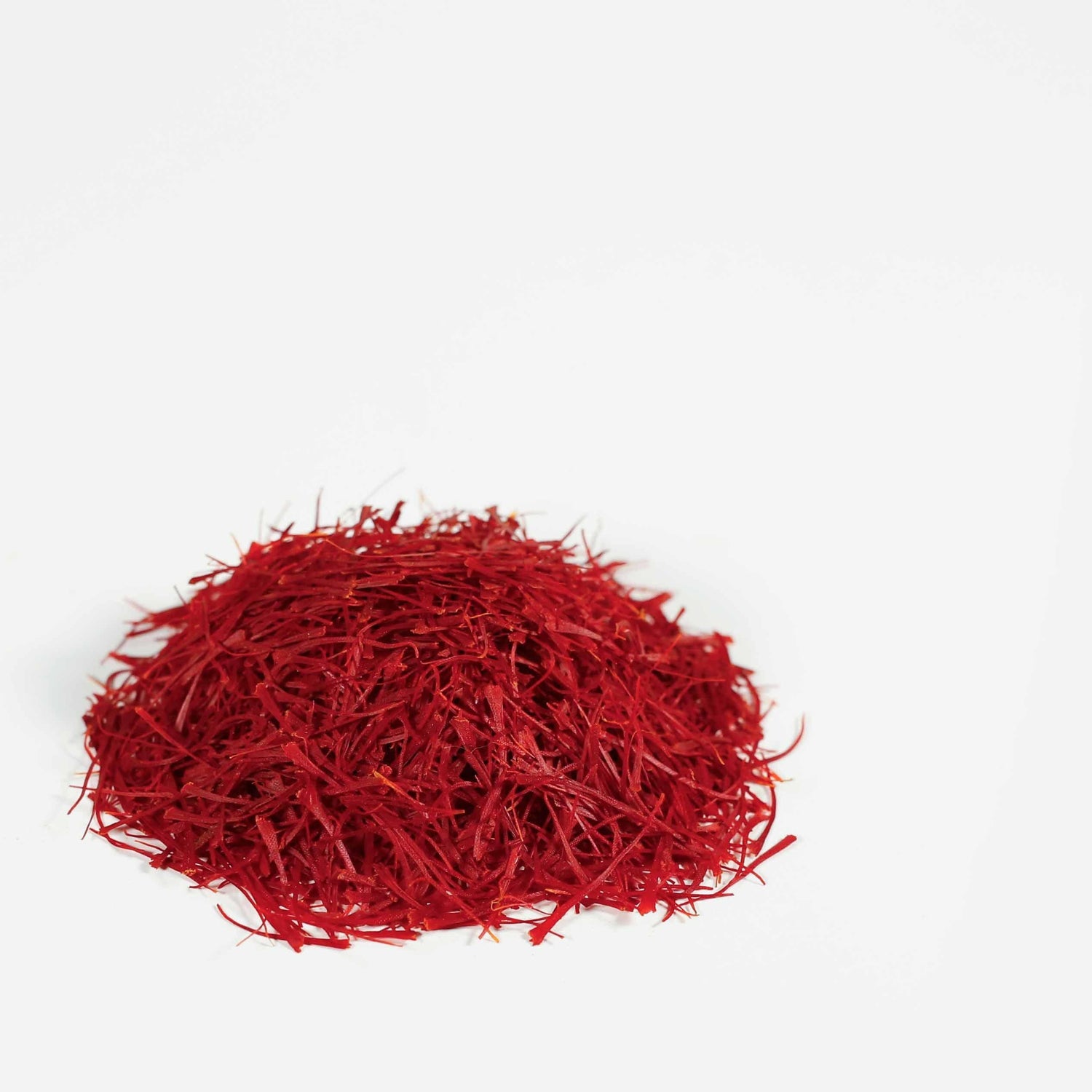
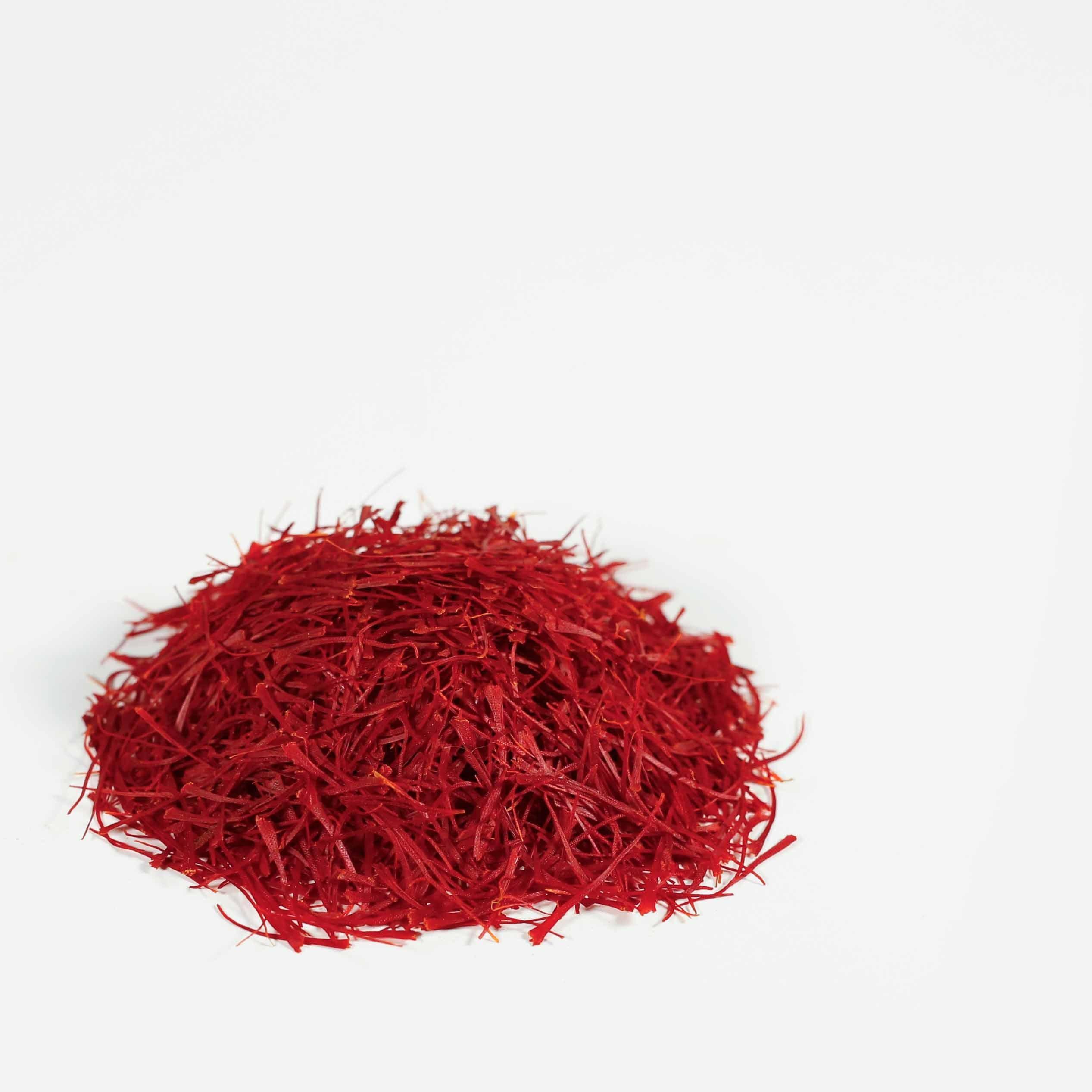
- ¼ teaspoon saffron threads (about 0.15 g), lightly crushed or ground
- 3 tablespoons (45 ml) hot water
Before You Start: Prepare the Brewed Saffron

Place the lightly crushed saffron threads in a small bowl and pour over 3 tablespoons (45 ml) of hot water. Let the saffron bloom for 10–15 minutes to release its colour, aroma, and flavour.
Drizzle the brewed saffron evenly over the rice just before the final steaming stage.
Equipment
- One 5–6 litre heavy-based pot for parboiling the rice
- One 24–26 cm heavy-based, non-stick or well-seasoned pot for steaming
- Fine-mesh or stainless-steel strainer
- Clean cotton tea towel
Measurement Notes
- Three cups (about 600 g) of uncooked basmati rice serves approximately 6 people as a side dish.
- Slice the potatoes to about 5 mm (¼ inch) thick for an evenly crisp tahdig.
- Although 2 tablespoons of sea salt are added to the boiling water, most of the salt is discarded when the rice is drained and briefly rinsed.
- If you prefer a milder flavour, reduce the salt in the boiling water to 1½ tablespoons.
- The brewed saffron and the saffron threads used in the tahdig together use approximately 0.15–0.2 g of saffron.
How to Make Persian Saffron Rice
Step 1 – Prep the Rice

Place 3 cups (about 600 g) of basmati rice into a large bowl and cover it with enough warm water to sit about 5 cm (2 inches) above the rice. Stir in 1 tablespoon of sea salt and leave it to soak for at least 2 hours.
Soaking hydrates the grains and helps them cook more evenly, producing longer, fluffier rice that is less likely to break during parboiling. Once soaked, drain the rice and gently rinse it once or twice with warm water.
Step 2 – Cook the Rice
Fill a 5–6 litre pot with 10–12 cups (2.5–3 litres) of water and bring it to a rolling boil. Add 2 tablespoons of sea salt, then carefully stir in the soaked rice.
Cook until the grains are soft on the outside but still slightly firm in the centre. Drain immediately through a fine-mesh strainer, then briefly rinse with 2–3 cups (500–750 ml) of cold water to stop the cooking process.
Step 3 – Create the Tahdig

Pour ¼ cup (60 ml) of water into a 24–26 cm heavy-based non-stick or well-seasoned pot over medium-high heat. Add the ¼ cup (55–60 g) butter, 10–15 saffron threads, ¼ teaspoon sea salt, and a pinch of black pepper if using.
Arrange the potato slices in a single layer across the base of the pot. Gently spoon the rice on top to form a dome, then drizzle the brewed saffron evenly over the rice. Wrap a clean tea towel securely around the underside of the lid, making sure any loose fabric is tucked away from the burner or flame. Cover the pot and steam over low heat for about 30 minutes without lifting the lid.
Step 4 – Finish and Serve

After about 30 minutes, the rice should be tender, with steam escaping from the lid and the aroma of toasted potatoes filling the kitchen. The tahdig should be crisp and golden around the edges. If needed, cook for another 5–10 minutes for extra crispness.
As a traditional tip, some cooks sprinkle a few drops of cool water on the outside of the pot. If it sizzles and evaporates immediately, it can be another sign that the tahdig is ready.
Carefully invert the rice onto a serving platter so the crispy potato tahdig sits on top. Serve immediately while it's hot and crisp.
Want to get the best results? Before you start, learn how to use saffron like a pro, including the best ways to bloom saffron and bring out its full flavour and colour.
A Few Tips Before You Start
A few simple techniques can make all the difference:

- Use high-quality saffron threads for the richest colour, aroma, and flavour.
- Don't skip the soaking step. It helps produce long, fluffy grains that stay separate after cooking.
- Cook the rice until it's just al dente before steaming.
- Keep the lid closed while the rice steams to trap the moisture inside.
- Arrange the potatoes in a single layer so they crisp evenly.
Try These Variations
This dish is easy to customise while staying true to its Persian roots.
- Rice Tahdig - Skip the potatoes and use a layer of rice to create a traditional crispy crust.
- Flatbread Tahdig - Lavash or another thin flatbread creates a wonderfully crunchy base.
- Add Barberries - Dried barberries (zereshk) add a sweet-tart flavour that's often served with Persian rice dishes.
- Garnish with Nuts - Finish with toasted pistachios or slivered almonds for extra texture and colour.
How to Store Leftovers
If you have leftovers, transfer the rice to shallow containers and refrigerate it within two hours of cooking. Store it in an airtight container for up to 3 days, or freeze for up to 2 months.
To reheat, warm the rice in a covered pan with a splash of water or microwave until steaming hot throughout (74°C/165°F). If you're reheating the tahdig, use an oven or air fryer to help restore its crisp texture.
What to Serve It With
This fragrant Persian saffron rice is incredibly versatile and pairs well with a variety of dishes. Here are some of our favourite combinations:
- Grilled Chicken – The light, smoky flavours of grilled chicken perfectly complement the fragrant saffron rice. For a delicious twist, try our Kansas BBQ chicken with saffron.
- Lamb Kebabs – Juicy, well-seasoned lamb kebabs are a classic pairing that never disappoints. If you're looking for inspiration, our lamb kebab with saffron vegetables is a great place to start.
- Beef Kofta – Serve with tender beef kofta for a delicious combination of warm spices and fluffy rice.
- Seafood – Grilled prawns, fish, or other seafood add a fresh, vibrant touch to the meal.
- Slow-Cooked Stews – This rice is perfect for soaking up the rich flavours of your favourite slow-cooked beef or lamb stew.
- Roasted Vegetables – For a lighter option, enjoy it alongside roasted seasonal vegetables for a simple yet flavourful meal.
To complete the meal, serve with a side of Greek yoghurt, fresh herbs, and a simple Persian salad. If you're planning a full saffron-inspired menu, finish with a creamy saffron ice cream for dessert.
Related Recipes
Looking for more ways to cook with saffron? Try these delicious recipes and bring even more Persian and Middle Eastern-inspired flavours to your table.
- Seafood Saffron Paella- Bring the flavours of Spain to your table with this vibrant seafood paella. Made with premium saffron, fresh seafood, and perfectly seasoned rice, it's a wonderful centrepiece for family dinners or entertaining guests.
- Saffron Chicken Tagine - This slow-cooked Moroccan classic combines tender chicken, aromatic spices, and saffron for a comforting meal that pairs perfectly with Persian saffron rice.
- Baked Saffron Risotto - Rich, creamy, and infused with delicate saffron, this Italian-inspired risotto is another delicious way to enjoy the unique flavour and colour of premium saffron.
Ready to Make It?
Ready to make it? Start with genuine Saffronice Premium Saffron Threads and quality basmati rice. Properly blooming the saffron before cooking helps create the rich golden colour, delicate aroma, and flavour that make Persian saffron rice so memorable.
Frequently Asked Questions
How much saffron should I use for three cups of rice?
This recipe uses ¼ teaspoon (about 0.15 g) of Saffronice Premium Saffron Threads for brewing, plus 10–15 additional threads in the tahdig. Bloom the brewed saffron before adding it to the rice for the best colour, aroma, and flavour.
Should saffron be ground before blooming?
Yes. Lightly grinding the saffron threads before blooming helps release their colour and aroma more effectively. Once ground, steep them in the recommended amount of hot water before adding them to the recipe.
What is the best pot for making tahdig?
A heavy-based non-stick pot with a tight-fitting lid works best. It helps the rice cook evenly while allowing the potato tahdig to develop a crisp, golden crust without sticking.
Why did my rice become sticky?
Sticky rice is usually caused by overcooking, using too much water, or skipping the soaking step. Soaking the rice, parboiling it until just al dente, and steaming it gently will help keep the grains light and separate.
Can I make Persian saffron rice without potatoes?
Yes. Potato tahdig is one of the most popular versions, but you can also make tahdig using rice or a thin flatbread such as lavash. Each version creates a different texture while following the same basic cooking method.
What is the difference between saffron rice and yellow rice?
Although both are golden in colour, saffron rice gets its distinctive flavour, aroma, and colour from real saffron. Yellow rice is often coloured with turmeric or other spices, which creates a different flavour profile.