

Prawn Biryani brings together juicy spiced prawns, fragrant basmati rice, aromatic whole spices and saffron in a layered rice dish full of colour and flavour.
The prawns are marinated with chilli, turmeric and garam masala, while the basmati rice is partially cooked with bay leaf and cinnamon. Everything is then layered with saffron-infused milk, fried onions, cashews, mint and coriander before finishing over low heat.
The result is a fragrant prawn and rice dish that's ideal for a family meal, weekend dinner or special occasion.
What Is Prawn Biryani?
 Prawn Biryani is a seafood variation of biryani that combines prawns, basmati rice and aromatic spices in layers.
Rather than simply mixing cooked prawns through rice, the different components are prepared separately before being layered and finished together.
The prawns provide the savoury base, while partially cooked basmati rice is layered over them. Fried onions, cashews, fresh herbs and saffron milk add flavour and texture before the biryani finishes cooking gently over low heat.
Why Basmati Rice Works Well for Biryani
Basmati rice is an important part of this recipe.
Its long, slender grains and fragrant aroma make it particularly well suited to layered rice dishes. When properly rinsed, soaked and cooked, the grains remain relatively separate rather than forming a soft, sticky mass.
Before cooking, rinse the rice under cold water until the water becomes clearer, then soak it for approximately 30 minutes.
For this recipe, the rice is only partially cooked before layering. It finishes cooking with the prawns during the final stage.
The Role of Saffron

Saffron is added toward the layering stage rather than directly to the prawn marinade.
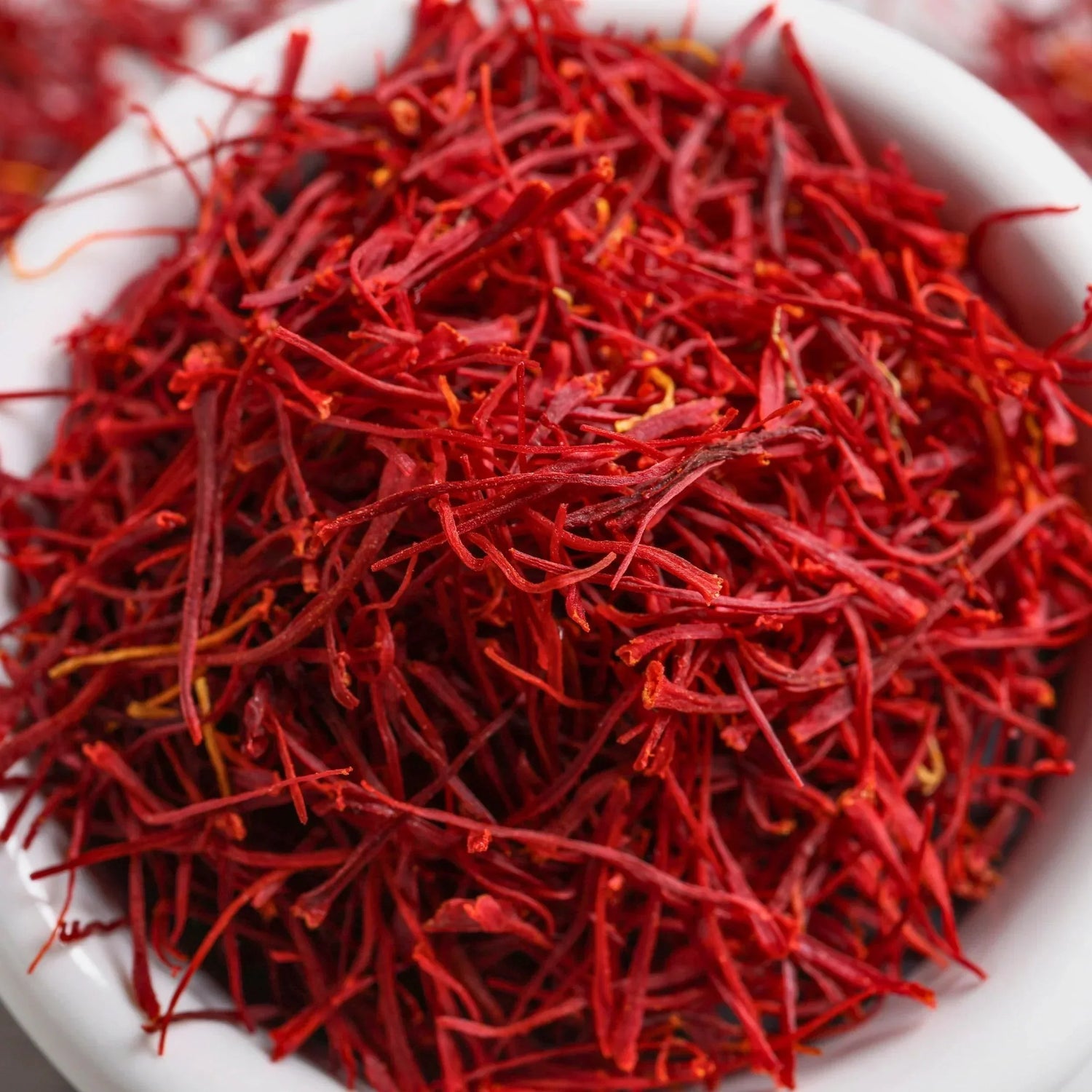
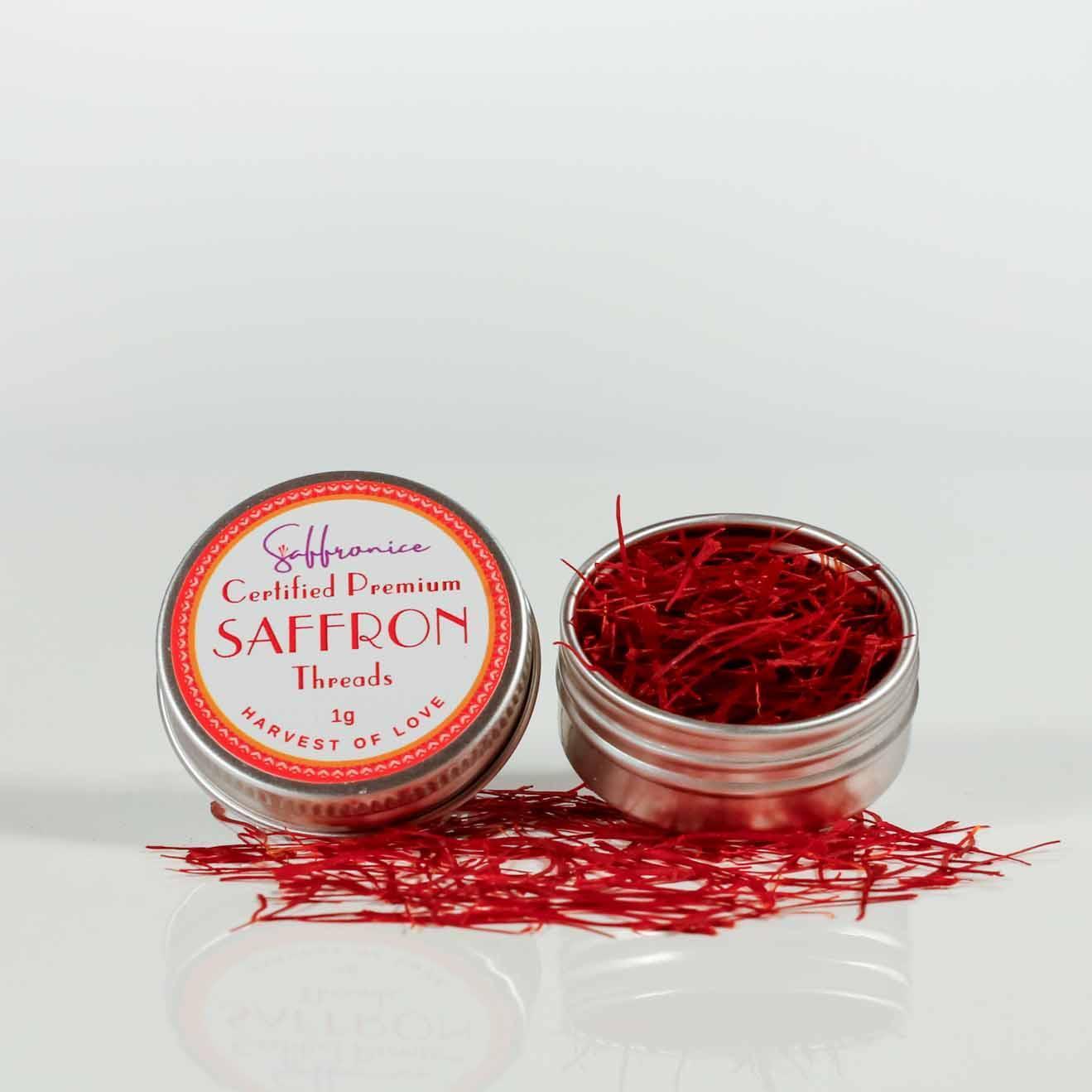
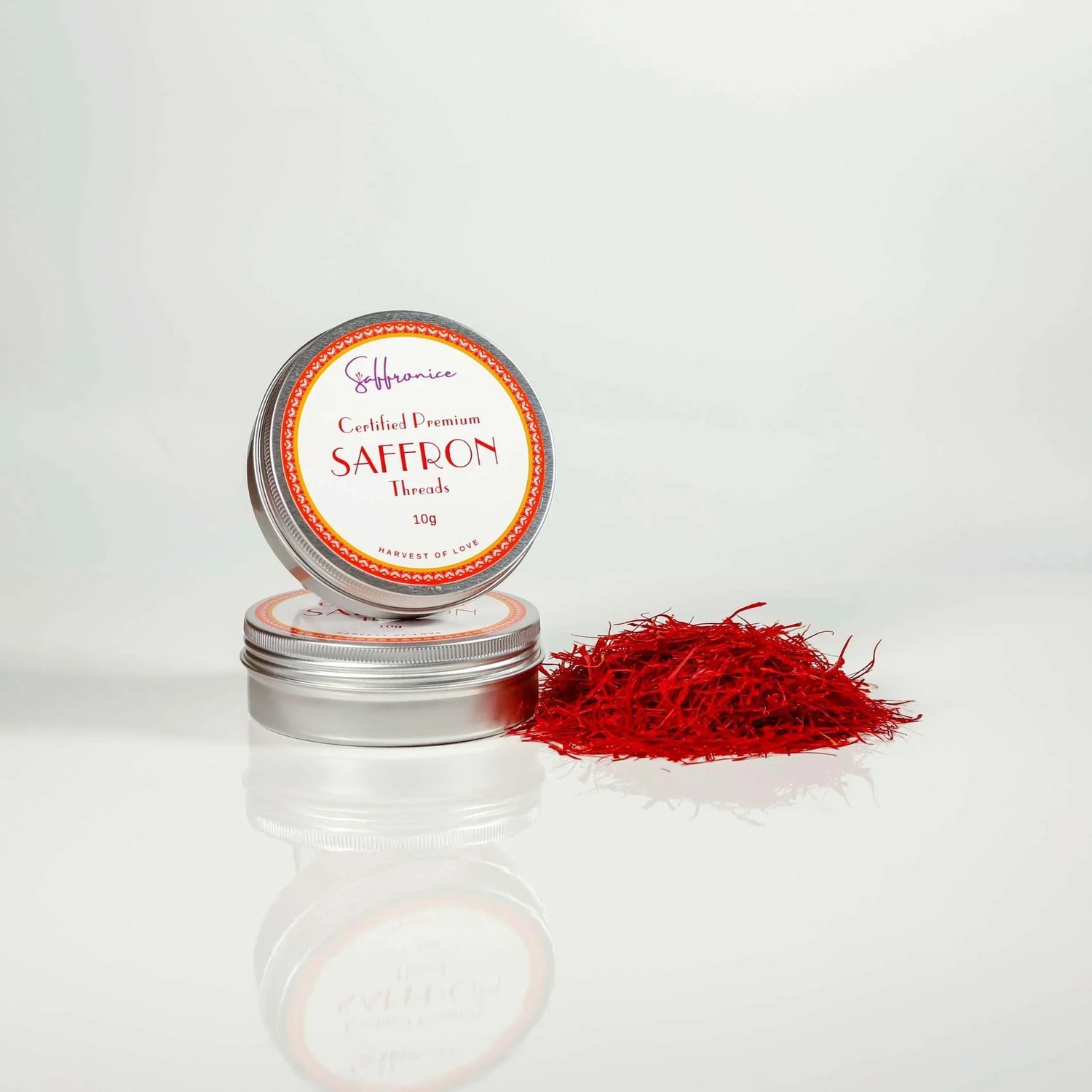
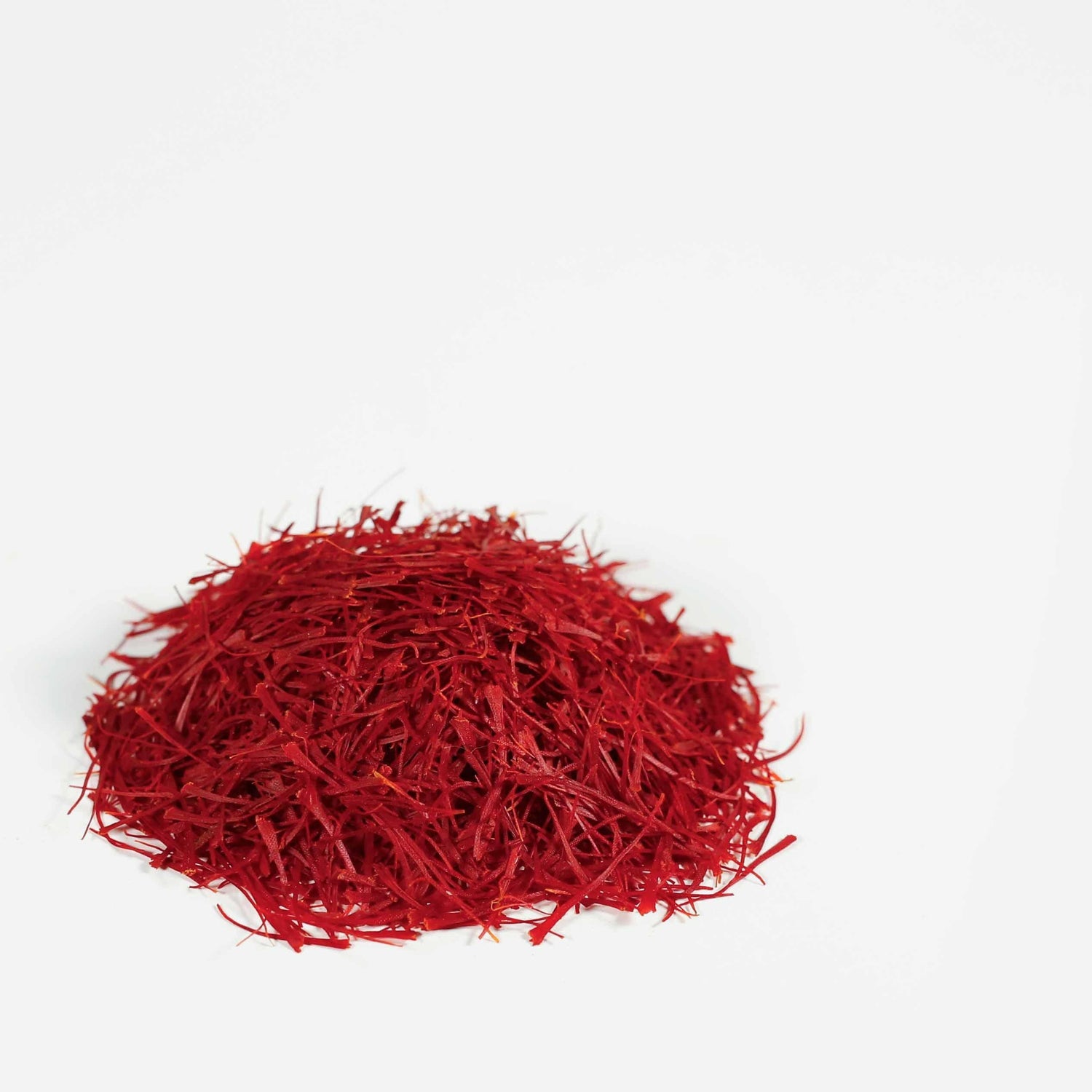
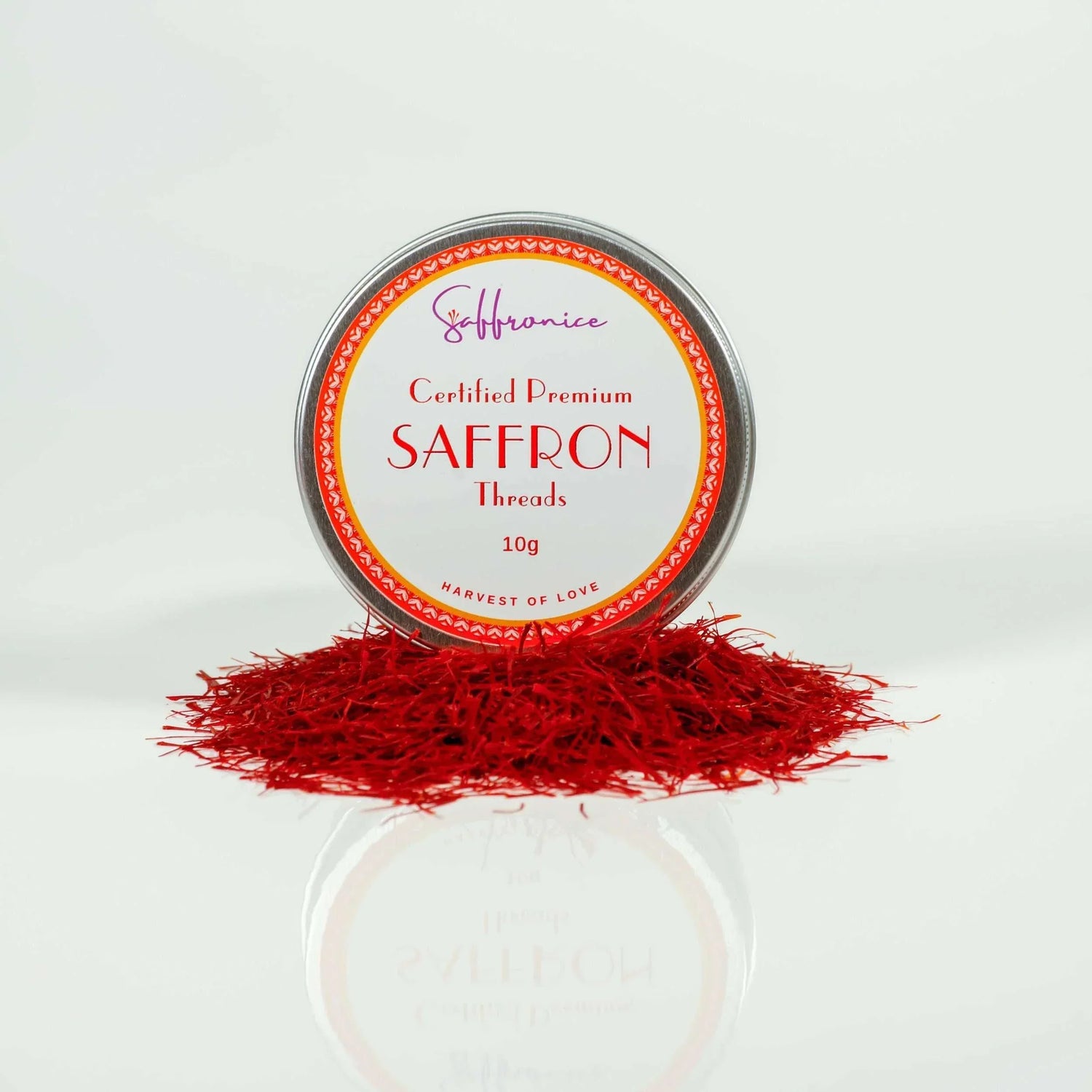
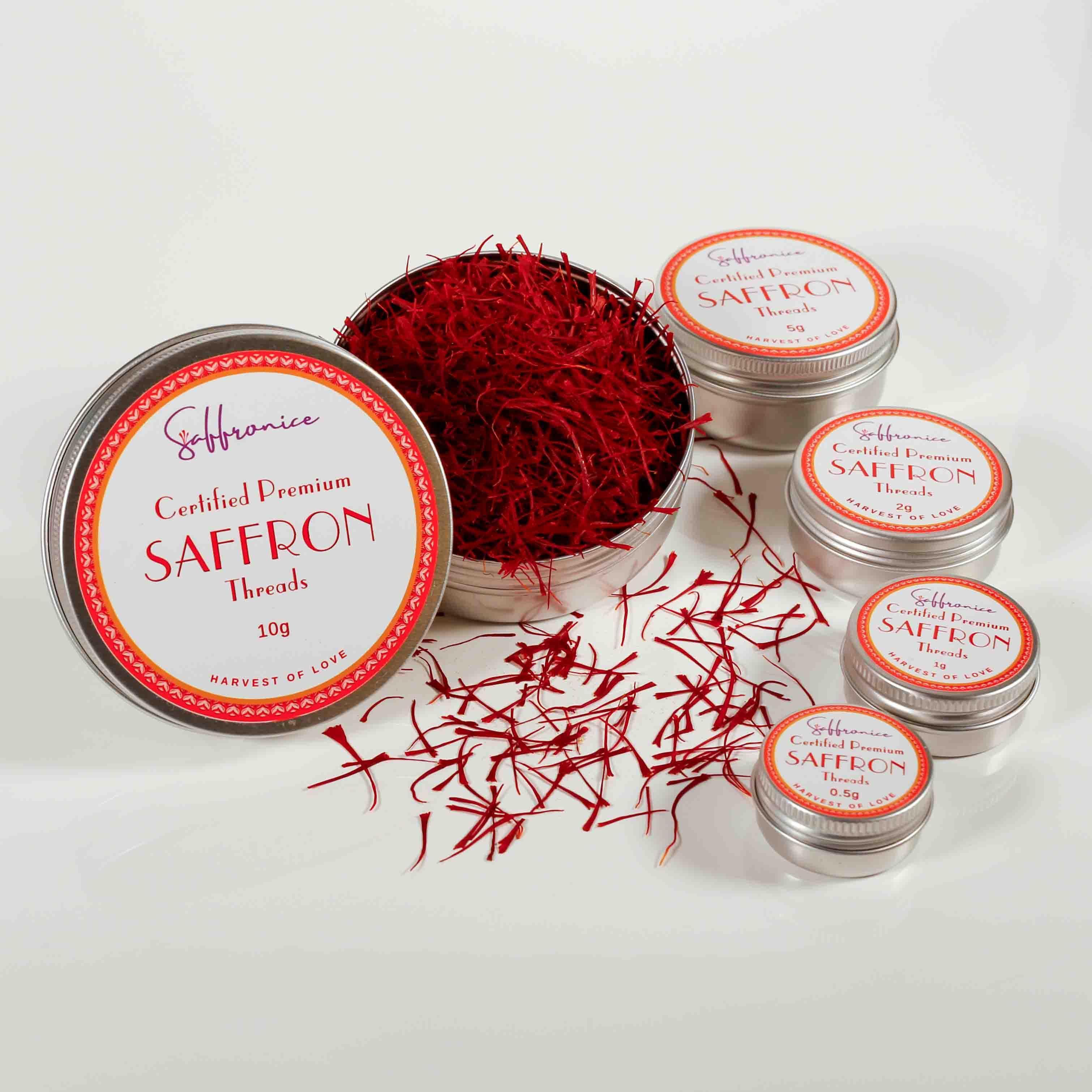
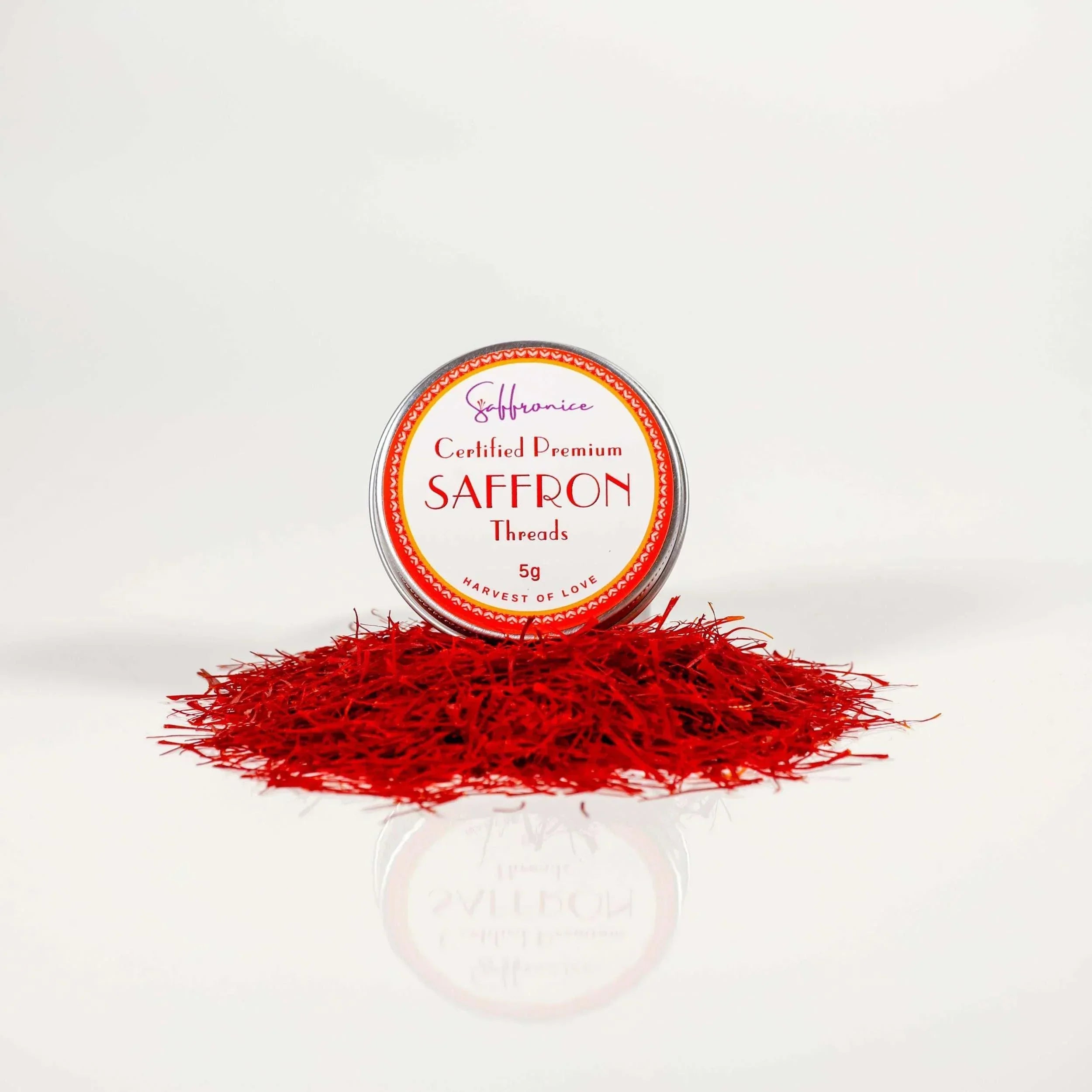
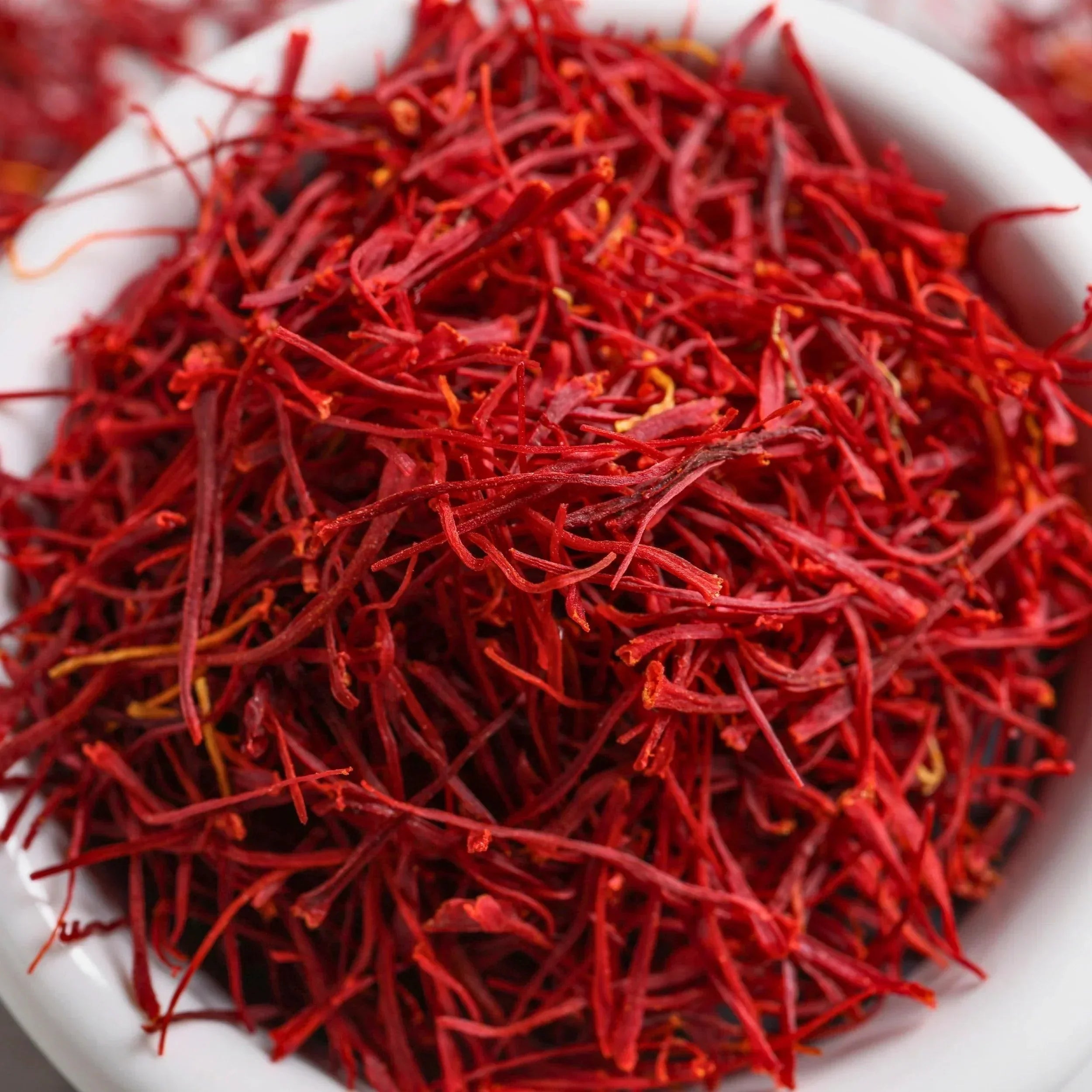
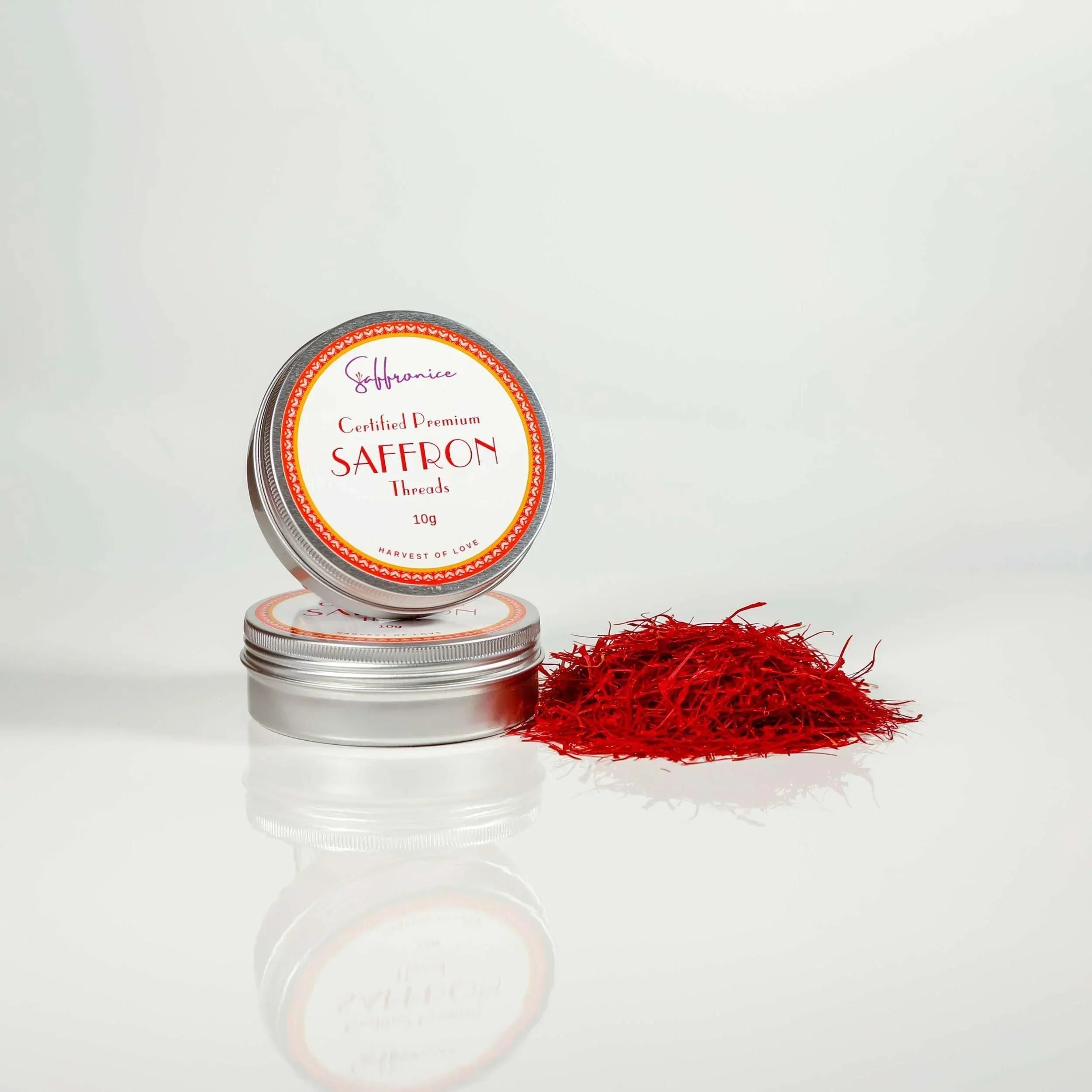
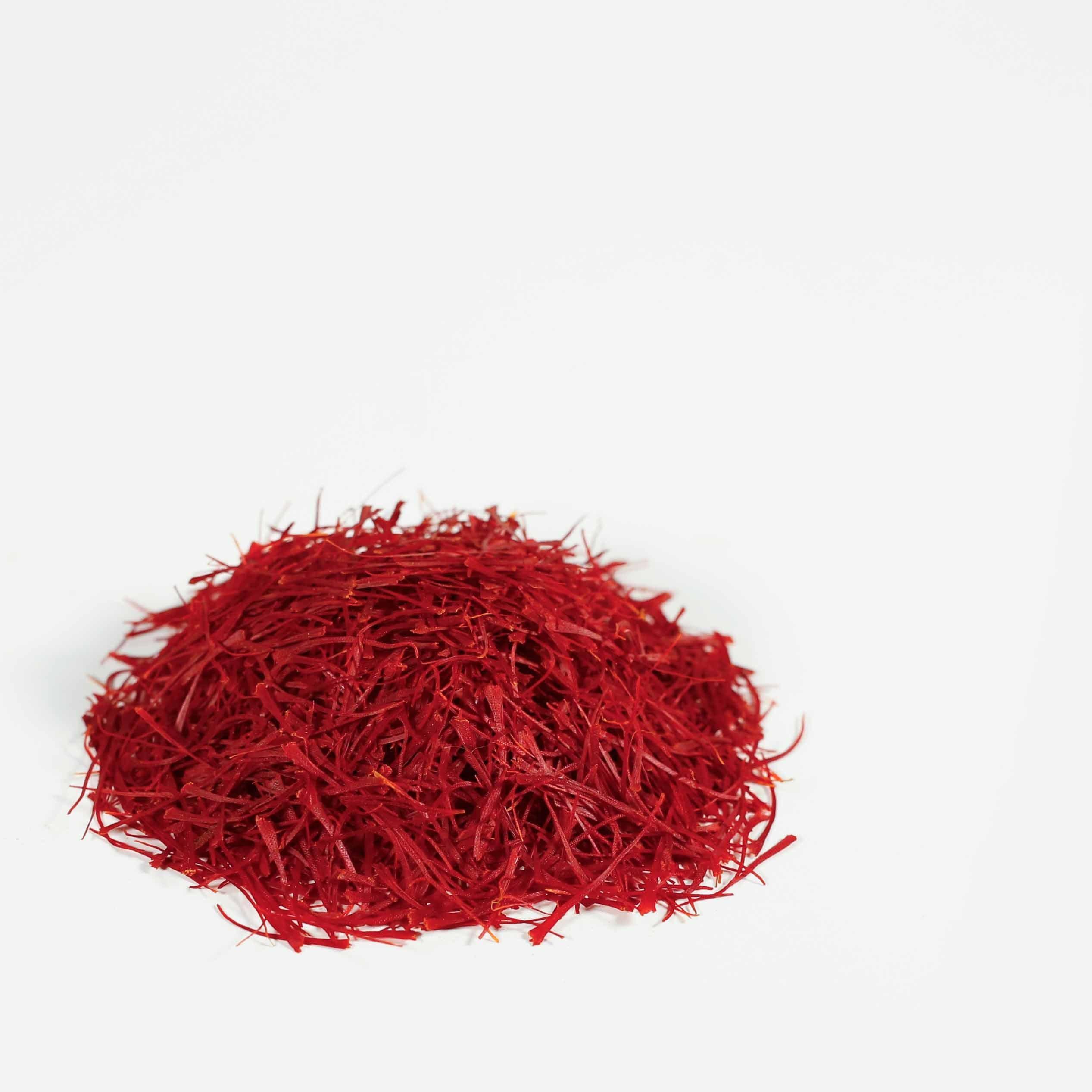
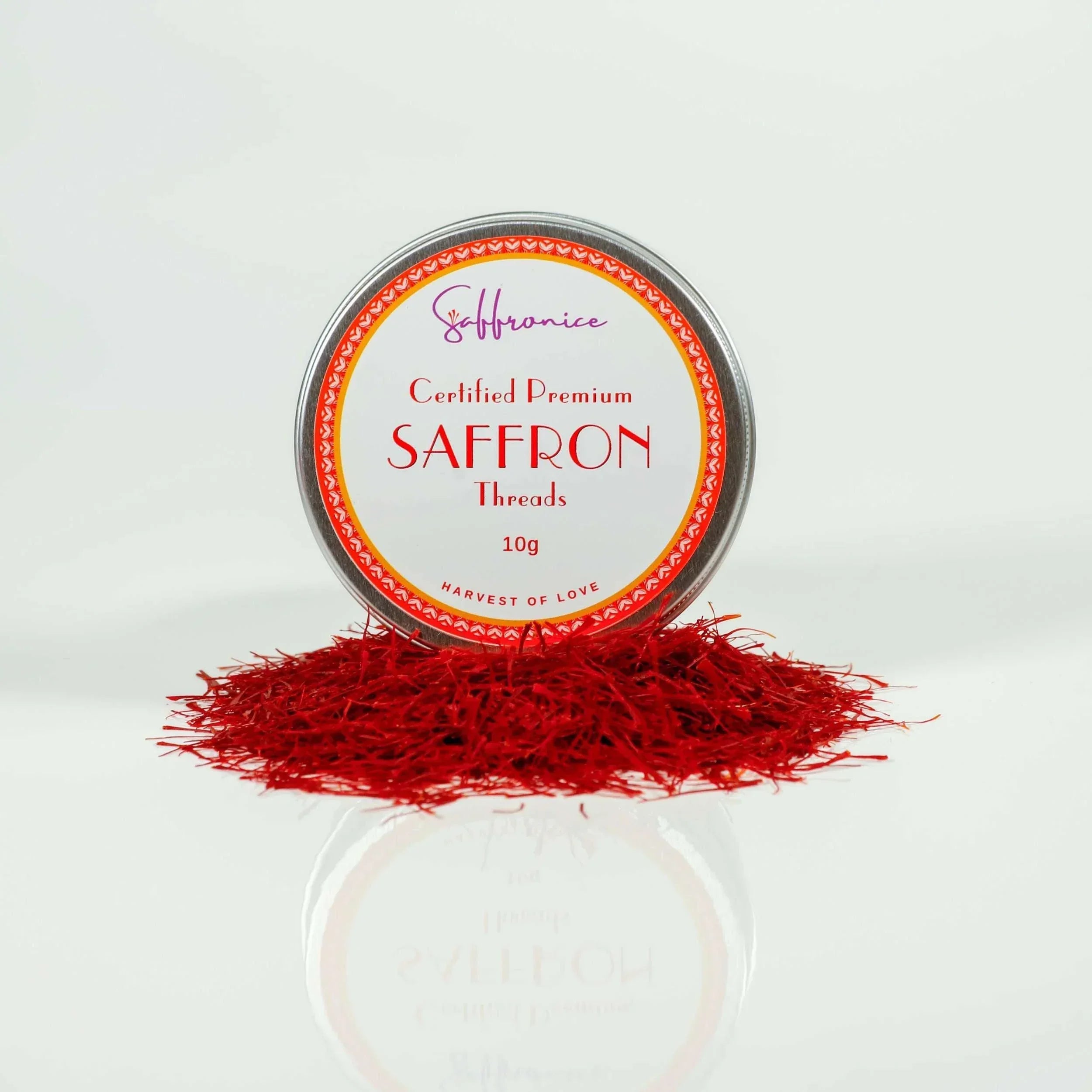
Saffron Threads are bloomed in warm milk before being drizzled over the rice.
The warm milk helps draw out the saffron's characteristic colour and aroma before it is distributed across the biryani.
There's no need to add Saffron Powder separately.
Key Spices in Prawn Biryani
This recipe uses a simple combination of spices for the prawns and rice.
Garam Masala
Garam masala brings together several warming spices in one blend and is used in the prawn marinade.
Chilli Powder
Chilli powder adds heat to the prawns. You can adjust the amount slightly depending on how spicy you prefer your biryani.
Turmeric
Turmeric adds its earthy flavour and golden colour to the prawn marinade.
Bay Leaf & Cinnamon
A bay leaf and cinnamon stick are added while preparing the rice, giving the basmati an aromatic background before the biryani is assembled.
Ingredients

For the Prawn Marinade
- 500 g (1.1 lb) raw prawns, peeled and deveined
- 1 teaspoon (about 3 g) chilli powder
- ½ teaspoon (about 1.5 g) turmeric powder
- 1 teaspoon (about 3 g) garam masala
- 1 teaspoon (about 5 g) sea salt, or to taste
- 1 tablespoon (about 15 g) freshly grated ginger
- 3 garlic cloves (about 9 g), crushed
For the Basmati Rice
- 2 cups (about 380 g) basmati rice
- 4 cups (960 ml) water
- 1 bay leaf
- 1 cinnamon stick
- 1 tablespoon (about 14 g) ghee or butter
- ½ teaspoon (about 2.5 g) sea salt
For the Saffron Milk
- 1 generous pinch (about 0.1 g) Saffronice Saffron Threads
- ¼ cup (60 ml) warm milk
For Layering
- 1 large onion (about 200 g), thinly sliced and fried until golden
- ¼ cup (about 35 g) cashews, lightly toasted
- ¼ cup fresh coriander (cilantro), roughly chopped
- ¼ cup fresh mint leaves, roughly chopped
- 1 tablespoon (about 14 g) ghee or butter, for finishing
Let's Make Prawn Biryani
Step 1 – Marinate the Prawns & Prepare the Saffron
Combine the prawns with chilli powder, turmeric, garam masala, sea salt, ginger and garlic.
Mix until evenly coated, then cover and leave to marinate for approximately 30 minutes.
At the same time, add the saffron threads to the warm milk and leave them to infuse.
Step 2 – Prepare the Rice

Rinse the basmati rice under cold water until the water becomes clearer, then soak for approximately 30 minutes and drain well.
Melt the ghee or butter in a large pot. Add the bay leaf and cinnamon stick and cook briefly until aromatic.
Add the drained rice, water and sea salt. Cook until the rice is partially cooked but still firm, then drain any remaining water if needed. The rice will finish cooking after layering.
Step 3 – Cook the Prawns
Heat a large heavy-bottomed pan over medium heat.
Add the marinated prawns and cook briefly until they begin to turn pink and the spices become fragrant.
Avoid completely cooking them at this stage because they'll continue cooking during the final steaming.
Step 4 – Layer the Biryani
Keep the cooked prawn mixture at the bottom of the pot and spread the partially cooked basmati rice evenly over the top.
Scatter over the fried onions, toasted cashews, mint and coriander.
Drizzle the saffron-infused milk, including the threads, evenly over the rice and finish with the remaining ghee or butter.
Step 5 – Cover & Finish Cooking

Cover the pot tightly and cook over low heat until the rice is tender and the prawns are completely cooked through.
Remove from the heat and allow the biryani to rest, covered, for about 5–10 minutes.
Gently fluff the rice before serving, taking care not to break the grains.
How to Cook the Prawns Without Overcooking Them
Prawns cook quickly, which means they need slightly different treatment from chicken or meat biryani.
Cook them only briefly before layering.
They should begin changing colour and developing flavour from the spices, but they don't need to be fully cooked at this stage.
Once the pot is covered, the prawns continue cooking from the heat and steam trapped inside.
This two-stage method helps prevent them from becoming unnecessarily tough.
Layering Prawn Biryani
Layering is one of the defining parts of this recipe.
Start with the spiced prawns at the bottom, followed by the partially cooked basmati rice.
Then add:
- Fried onions
- Toasted cashews
- Fresh coriander
- Fresh mint
- Saffron-infused milk
- A little ghee or butter
Try to distribute these ingredients across the surface rather than placing everything in one area.
Once layered, avoid repeatedly stirring the biryani while it cooks.
Expert Tips
A few simple techniques will help you get tender prawns, fluffy rice and evenly distributed flavour.
- Use raw prawns. They are easier to control during the two-stage cooking process.
- Clean and devein the prawns first. Remove the shells, leaving the tails attached only if you prefer them for presentation.
- Give the marinade time to work. Leave the prawns for approximately 30 minutes before cooking.
- Don't overcook the prawns initially. Remember that they'll continue cooking once the pot is covered.
- Use good-quality basmati rice. Long grains work particularly well for biryani.
- Rinse and soak the rice. This helps with the finished texture.
- Partially cook the rice before layering. Fully cooked rice may become too soft during the final stage.
- Bloom the saffron in warm milk. Give the threads time to release their colour and aroma.
- Use the entire saffron infusion. Add both the milk and threads.
- Keep the final heat low. Slow, gentle cooking helps the layers finish together.
- Keep the lid closed. Avoid repeatedly releasing the steam.
- Rest before serving. Give the finished biryani 5–10 minutes before gently fluffing the rice.
Easy Variations
The basic layering method can be adapted in several ways.
Make It Spicier
Increase the chilli powder slightly or add fresh green chilli to the prawn mixture.
Add More Fried Onions
Extra fried onions can be added between the layers or scattered over the finished biryani.
Add Raisins
For a touch of sweetness, scatter a small amount of raisins through the rice alongside the cashews.
Add More Nuts
Replace some or all of the cashews with toasted almonds or pistachios for a different texture.
Storage & Reheating
Allow leftover Prawn Biryani to cool before transferring it to an airtight container and refrigerating promptly.
Because the dish contains both cooked rice and seafood, avoid leaving leftovers sitting at room temperature for extended periods.
When reheating, add a small splash of water if the rice seems dry, cover and heat until the rice and prawns are thoroughly hot.
Avoid repeatedly reheating the same batch, as prawns can become tough and the rice can dry out.
More Saffron Rice Recipes to Try
If you enjoyed Prawn Biryani, explore more saffron rice dishes with seafood, chicken and aromatic spices.

- Chicken Biryani combines marinated chicken with basmati rice, fried onions, fresh herbs and saffron-infused milk.
- Spanish Seafood Paella combines Bomba rice with shrimp, mussels, squid, seafood stock and saffron threads.
- Saffron Rice with Cranberries combines basmati rice, butter, dried cranberries and saffron.
- Saudi Chicken Kabsa with Saffron combines chicken and basmati rice with tomatoes, carrots, raisins and spices.
These recipes offer more ways to pair saffron with rice, seafood and aromatic ingredients.
Ready to Make Prawn Biryani?
Marinate the prawns with chilli, turmeric, garam masala, ginger and garlic, then rinse, soak and partially cook the basmati rice with bay leaf and cinnamon.
Layer the spiced prawns with the rice, fried onions, cashews, fresh herbs and Saffronice Saffron Threads infused in warm milk.
Cover and finish over low heat until the prawns are cooked and the rice is tender, then let your Prawn Biryani rest briefly before gently fluffing and serving.
Frequently Asked Questions
What is Prawn Biryani?
Prawn Biryani is a layered rice dish made with prawns, basmati rice, aromatic spices, saffron and fresh herbs.
The prawns and rice are prepared separately before being layered and gently cooked together.
What spices are used for the prawns?
The main spices are chilli powder, turmeric and garam masala.
This version also includes fresh ginger, garlic and sea salt.
Why should I soak basmati rice?
Soaking allows the rice to begin absorbing water before cooking.
The recipe recommends rinsing and soaking the basmati rice for approximately 30 minutes.
Should I completely cook the rice before layering?
No.
Cook the basmati until it is partially cooked and still slightly firm. It will finish cooking once the biryani is layered, covered and heated gently.
Why shouldn't I fully cook the prawns before layering?
Prawns cook quickly and will continue cooking during the final covered stage.
Partially cooking them first reduces the chance of ending up with tough, overcooked prawns.